Overview
Edge AI camera systems are core perception hardware for modern autonomous and smart scenarios, integrating image capture, on-device AI inference, and real-time data processing capabilities. Unlike traditional cloud-connected cameras that rely on remote server computing, edge AI cameras run deep learning models directly on local edge terminals, eliminating data transmission latency, reducing bandwidth consumption, and improving data privacy and response speed for time-sensitive applications.
With the rapid popularization of intelligent transformation across industries, edge AI camera deployment faces multiple core pain points: insufficient on-device computing power cannot support complex inference workloads, poor environmental adaptability leads to frequent failures in field deployment, limited interface compatibility increases secondary modification costs, and unstable long-term operation raises operation and maintenance expenses. Our edge AI camera hardware solutions are targeted to solve these challenges, providing end-to-end design and manufacturing support for high-performance edge visual perception hardware, suitable for various industrial, commercial, and smart city deployment scenarios.
Technical Capabilities
Our edge AI camera hardware solutions cover configurable technical parameters and functional designs to adapt to diverse scenario requirements:
- Scalable AI Computing Power Support: Supports hardware configurations based on mainstream edge AI chip modules, with AI computing power ranging from 21TOPS to 275TOPS, adapting to different inference workloads including lightweight object detection, multi-target tracking, semantic segmentation, and complex scene recognition, meeting the computing needs of various edge AI camera application scenarios.
- Rugged Structural and Thermal Design: Adopts lightweight reinforced aluminum alloy housing, supporting both passive conduction heat dissipation and active fan heat dissipation options, ensuring stable heat dissipation even under high-load continuous operation, adapting to complex field deployment environments. The integrated bottom mounting bracket design simplifies on-site installation and adjustment processes, reducing deployment costs.
- Rich IO Interface Compatibility: Equipped with complete interface types including USB, CAN, RS232, GPIO, and synchronous signal input/output, supporting direct connection with various peripheral devices such as high-resolution image sensors, motion control modules, communication units, and storage devices, avoiding secondary modification costs for hardware adaptation.
- Built-in Communication Module Support: Integrates optional 4G and Wi-Fi communication modules, supporting real-time data upload to cloud platforms and remote parameter adjustment, meeting the needs of distributed edge AI camera networking deployment in large-scale scenarios.
- Low-Power Optimization Design: Adopts targeted power consumption optimization solutions for edge deployment scenarios, reducing overall operating power consumption by 20% to 30% while ensuring full computing power output, suitable for deployment scenarios with limited power supply such as mobile inspection robots and battery-powered edge terminals.
Quality Standards
To ensure stable long-term operation of edge AI camera hardware in diverse complex environments, all products strictly follow industrial-grade quality control standards throughout the design, manufacturing, and testing processes:
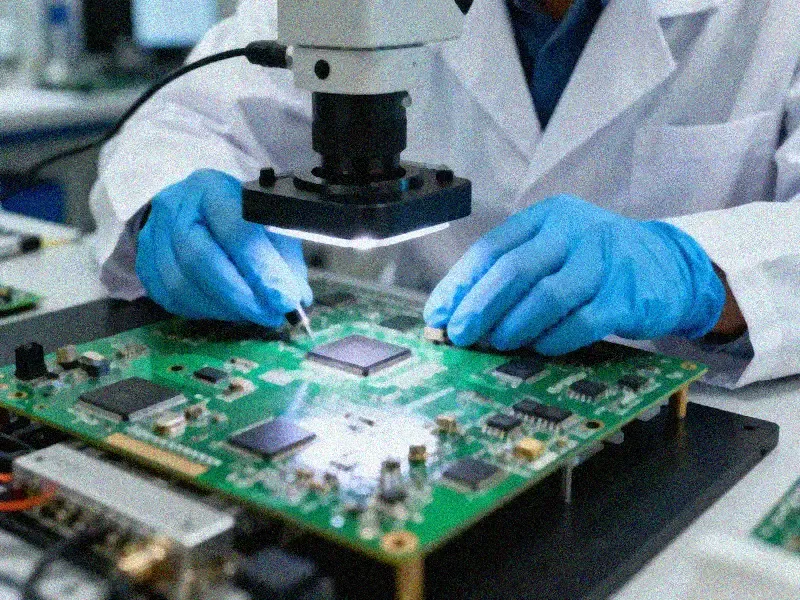
- Long-Term Stability Guarantee: All hardware designs are optimized for long MTBF (Mean Time Between Failures) performance, passing strict accelerated aging tests, vibration tests, and impact tests, ensuring continuous stable operation for tens of thousands of hours without failure.
- Wide Temperature Adaptability: Products can operate stably in the industrial-grade temperature range of -40℃ to +85℃, adapting to extreme deployment scenarios including high-temperature outdoor roads, cold storage inspection, and high-humidity agricultural environments.
- Signal Integrity Verification: All high-speed signal transmission links undergo professional signal integrity testing, ensuring zero data loss and low latency transmission between image sensors, computing modules, and storage units, avoiding frame loss and inference accuracy reduction caused by signal interference.
- EMC Compliance: All products meet international electromagnetic compatibility standards, passing anti-interference tests for static electricity, surge, and radiated interference, ensuring stable operation even in complex electromagnetic environments such as industrial parks and power facilities.
Applications
Edge AI camera hardware solutions are widely applicable to various industry scenarios that require real-time visual perception and on-device AI inference:
- Smart Inspection Scenarios: Deployed on road inspection vehicles, agricultural inspection robots, industrial park patrol robots, and power facility inspection drones to realize automatic identification of safety hazards, defect detection, and abnormal event alarm, greatly improving inspection efficiency and reducing manual work intensity.
- Autonomous Driving and Robotics Scenarios: Used as core perception hardware for unmanned delivery vehicles, unmanned cleaning vehicles, AGV material transport robots, and low-altitude defense equipment, supporting real-time identification of obstacles, pedestrian detection, and path planning, ensuring safe and stable autonomous operation of equipment.
- Smart City and Community Scenarios: Deployed in public areas, building entrances, and road nodes to realize functions such as intelligent security monitoring, traffic flow statistics, illegal behavior identification, and access control management, improving the intelligent management level of cities and communities.
- Smart Manufacturing and Logistics Scenarios: Deployed on production lines, warehouse sorting centers, and logistics distribution points to realize automatic product quality detection, cargo sorting, and inventory statistics, improving production and logistics operation efficiency.
- Smart Agriculture Scenarios: Deployed in farms, pastures, and planting bases to realize real-time monitoring of crop growth, livestock health status identification, and pest and disease early warning, providing data support for precision agricultural production.
Key Advantages
Our edge AI camera hardware solutions have obvious competitive advantages in performance, cost, and service support:
- High Customization Flexibility: Supports fully customized design of computing power configuration, interface type, housing structure, heat dissipation method, and communication module according to actual application scenario requirements, adapting to diverse deployment needs of different industries.
- Mature Hardware Reference Design: Based on verified mature edge computing module design solutions, reducing development risks by more than 60% and shortening the product launch cycle for customers, avoiding repeated development costs.
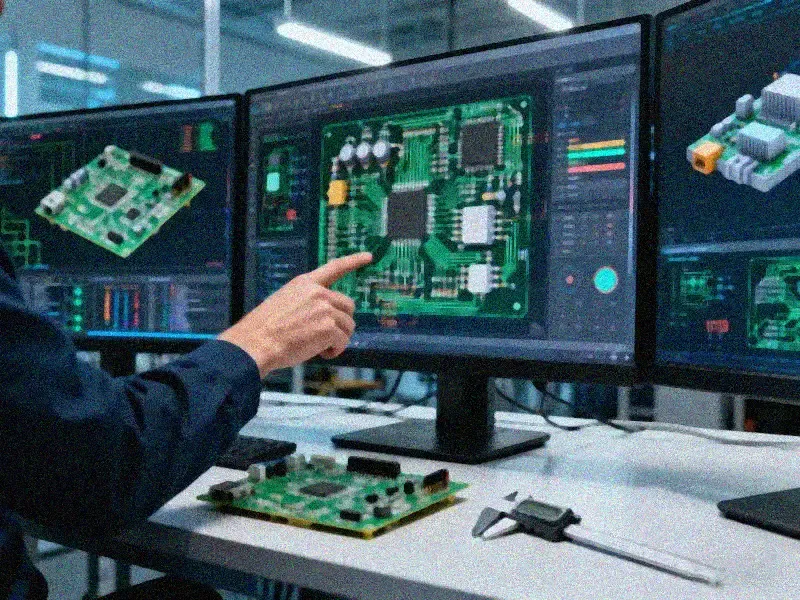
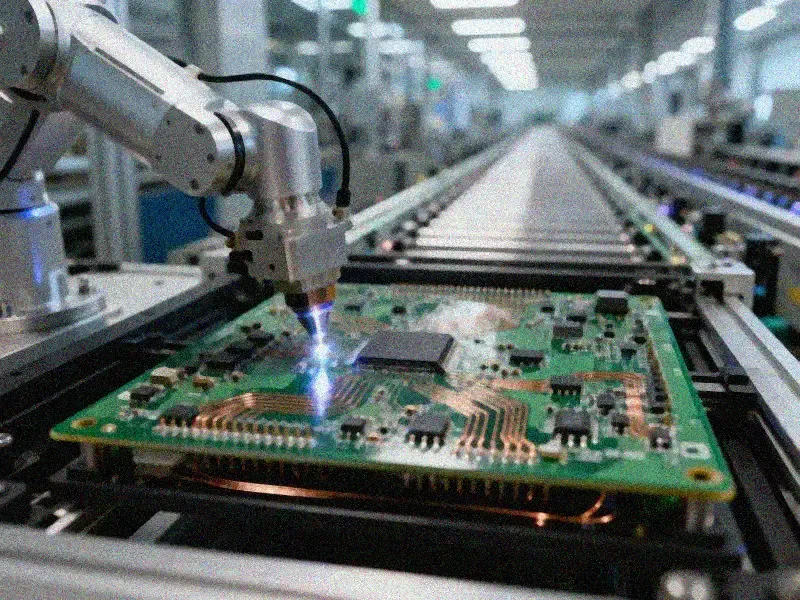
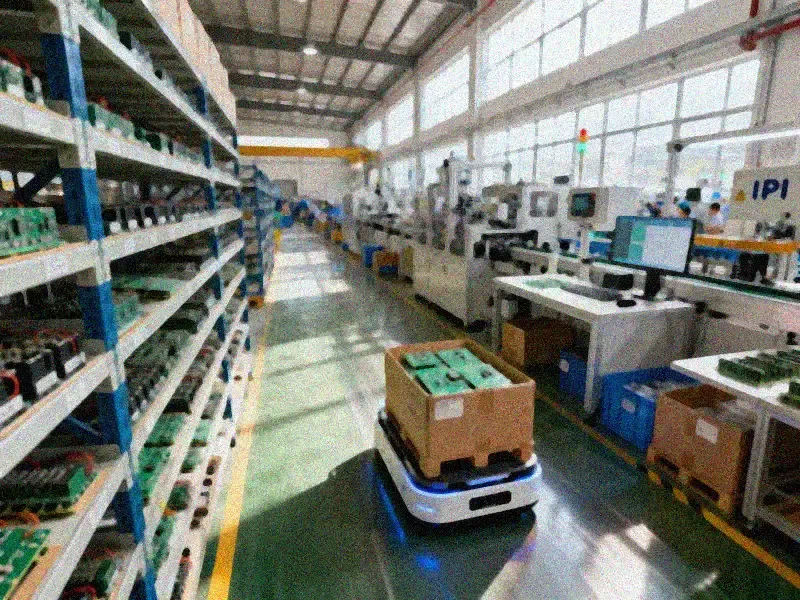
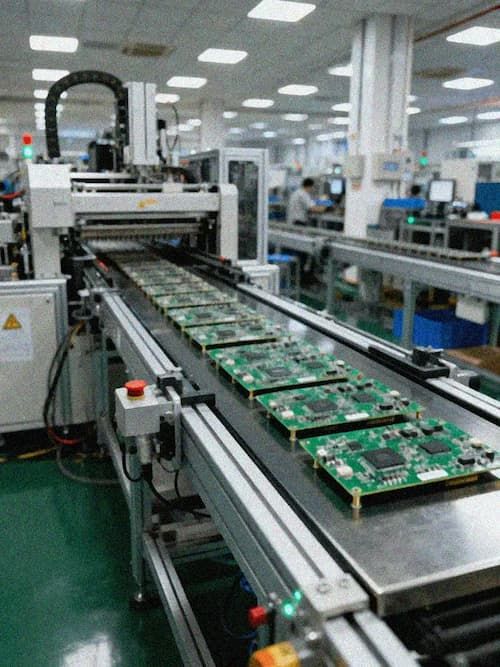
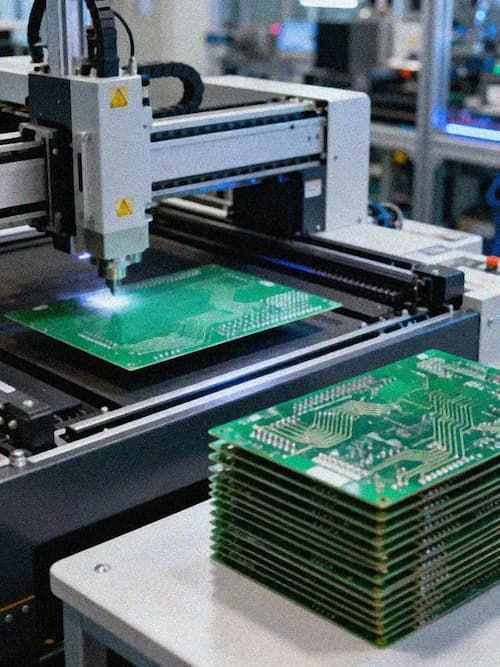
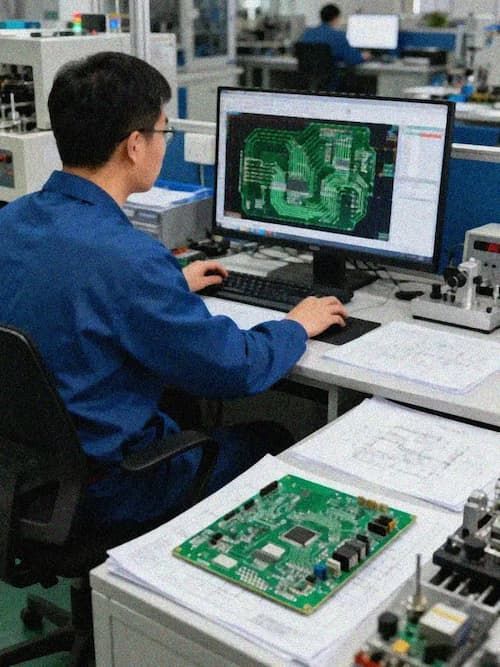
- Full-Process Service Support: Covers the entire service chain from schematic design, PCB layout, hardware prototyping, performance testing to mass production manufacturing, providing one-stop support for edge AI camera product development, reducing cross-stage communication costs and improving development efficiency.
- Cost-Effective Performance Matching: Provides targeted computing power configuration suggestions according to actual inference workload requirements, avoiding unnecessary hardware cost waste caused by over-configuration, balancing product performance and manufacturing cost effectively.
Contact Information
If you have development or manufacturing needs related to edge AI camera hardware, please contact our technical team. We will provide you with free technical evaluation, customized solution design, and professional technical consulting services according to your specific scenario requirements, helping you quickly launch high-performance, high-reliability edge AI camera products that meet market demand.