Overview
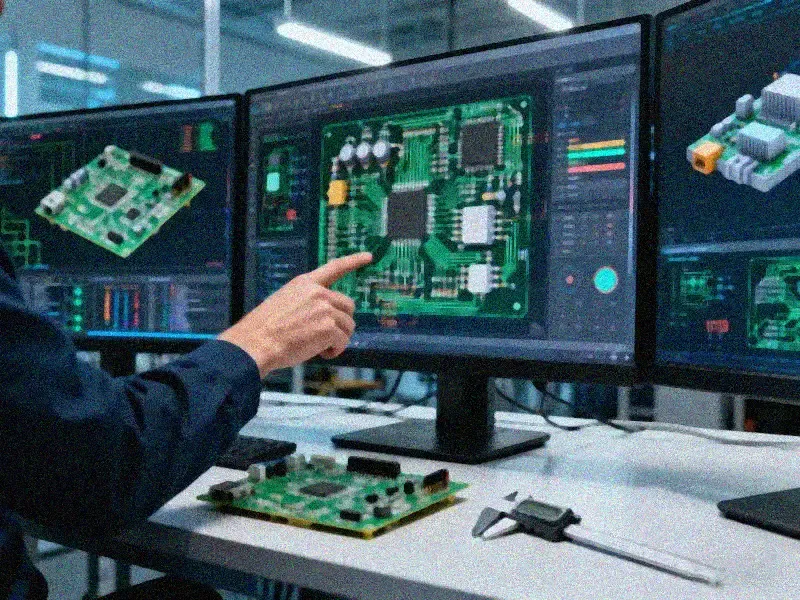
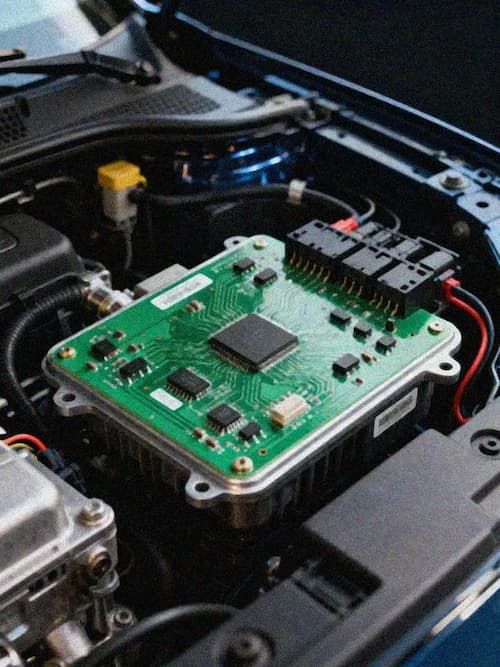
Automotive electronics systems, ranging from safety-critical autonomous driving modules to in-vehicle infotainment and powertrain control units, impose far stricter requirements on PCB reliability, signal transmission stability, thermal performance, and environmental adaptability than consumer or industrial electronics. Conventional PCB design schemes often fail to address core pain points such as high-bandwidth signal attenuation, EMC interference, thermal runaway under high power load, and structural damage under long-term vibration, directly impacting vehicle functional safety and service life. Automotive electronics PCB design services are tailored to the unique operating scenarios of vehicle systems, covering the full process from schematic optimization, stackup planning, component placement and routing optimization, to pre-production verification and mass production guidance. The design scheme prioritizes functional safety, long-term reliability, and manufacturability, adapting to the diverse needs of different automotive subsystems and meeting global automotive industry access standards.
Technical Capabilities
- Wide Range of Board Type Support: Covers all mainstream automotive PCB categories, including single and double-sided boards, 2-30+ layer high-speed multi-layer boards and high-speed backplanes, 1-3 order HDI boards, rigid-flex boards (including soft board buried hole designs and gold finger reinforced rigid-flex boards), heavy copper/ultra-thick copper heat dissipation boards, high-frequency hybrid boards, buried resistance/capacitance/component boards, metal core/metal substrate boards, and ceramic PCBs, adapting to the varied requirements of different automotive electronic subsystems.
- High-Speed Signal Integrity Optimization: Supports high-speed I/O transmission up to 750Gbps, with customizable stackup designs that can configure up to 6 independent ground planes to shield inter-layer signal crosstalk. Achieves ±5% impedance control accuracy for 90Ω/100Ω differential signals, perfectly adapting to the transmission requirements of LVDS, MIPI, PCIe, and automotive Ethernet interfaces, eliminating signal reflection, attenuation, and delay issues to meet the high-bandwidth, low-latency transmission needs of autonomous driving perception and domain controller systems.
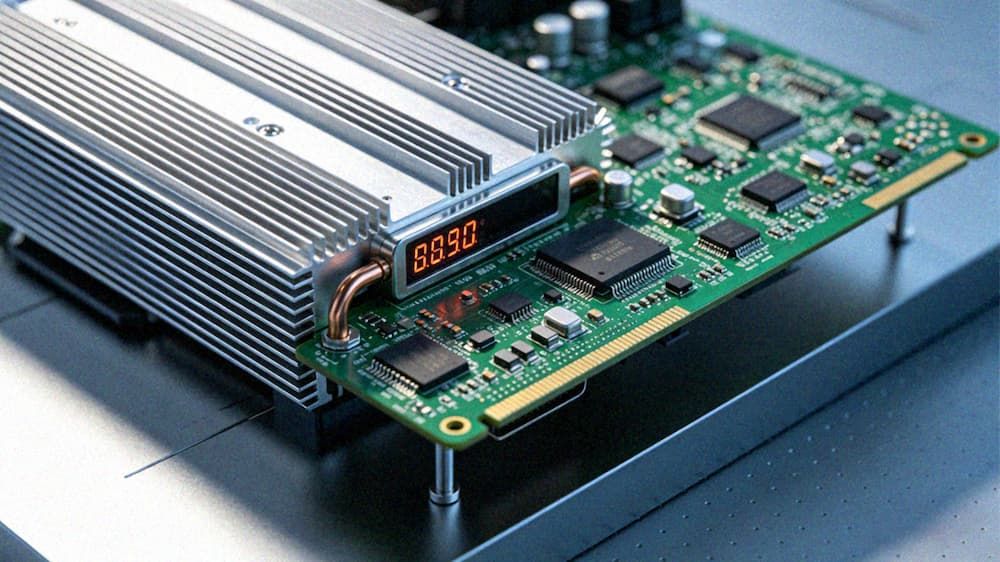
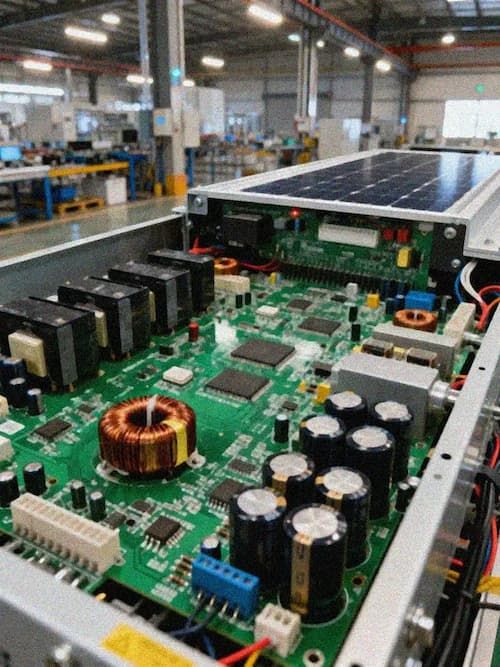
- High-Power Thermal Management Design: Specialized thermal optimization design for high-power automotive systems such as powertrain, charging, and motor drive modules, supporting ultra-thick copper designs up to 12oz, as well as buried copper block and buried ceramic thermal conduction schemes, reducing overall thermal resistance by 30% compared to conventional PCB designs, ensuring stable operation of components under continuous high-current, high-load operating conditions.
- High-Density Layout Support: Adopts advanced micro-via manufacturing process compatibility design, supporting blind and buried vias as small as 0.06mm and line width/line spacing as low as 2.0/2.0mil, enabling compact layout of high-density chips including Xilinx Zynq series, NXP i.MX6/i.MX8 series, and Renesas TW series, adapting to the miniaturization and light weight development trend of automotive electronic products.
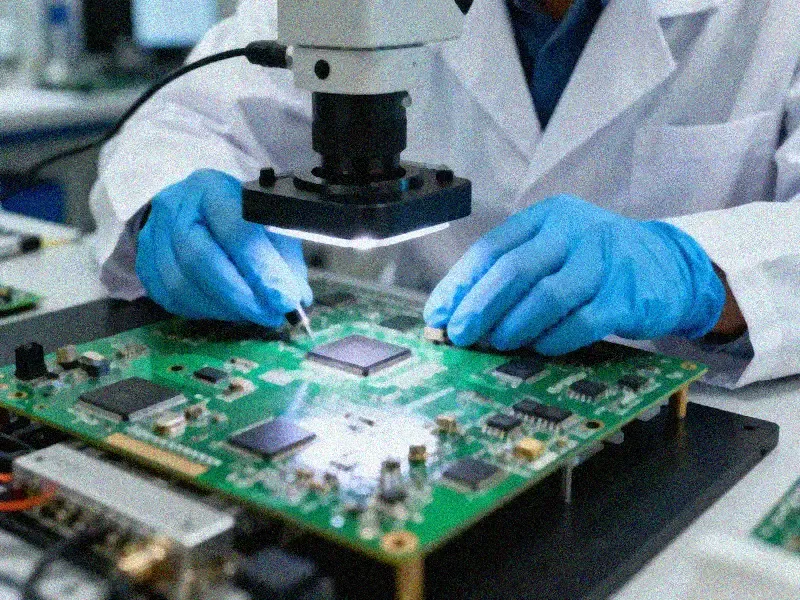
- Full-Process Verification Service: Provides comprehensive pre-production verification support, including signal integrity (SI) testing, power integrity (PI) testing, EMC/EMI compliance testing, thermal cycling testing, vibration and shock testing, and humidity and salt spray resistance testing, ensuring that the final design can operate stably across the automotive grade temperature range of -40℃ to +125℃ and meet 10+ year service life requirements.
Quality Standards
Automotive electronics PCB design follows strict global industry standards and functional safety requirements to ensure product consistency and reliability:
- Compliance with Universal Design Norms: All design processes strictly follow IPC-2221 generic PCB design standards, IPC-A-610 automotive electronic assembly standards, and relevant regional automotive industry specifications, ensuring compatibility with global automotive supply chain access requirements.
- DFM/DFT Integration: Design for Manufacturing (DFM) and Design for Testing (DFT) optimization are integrated at the initial stage of design, identifying potential manufacturing defects in advance, reducing prototyping iteration cycles by 25%, and improving mass production yield to over 99.5%.
- Functional Safety Design: For safety-critical systems such as autonomous driving, powertrain, and braking control, designs adopt a zero-fault philosophy, including redundant routing, fault tolerance design, and structural reinforcement for vibration and drop resistance, meeting ASIL-D level automotive functional safety requirements.
Applications
Automotive electronics PCB design solutions are widely applicable to all core automotive electronic subsystems, including but not limited to:
- Autonomous driving and ADAS perception systems: including 77GHz automotive millimeter-wave radar boards, multi-sensor fusion processing units, autonomous driving domain controllers, and surrounding view system control boards
- Smart cockpit systems: automotive central control core boards, intelligent navigation devices, intelligent rearview mirror control boards, in-vehicle infotainment display boards, and voice interaction module boards
- Powertrain and new energy vehicle systems: motor drive modules, DC/DC power modules, charging inverter all-in-one control boards, battery management system (BMS) acquisition boards, and high-voltage power distribution unit boards
- Body electronic systems: body control units, lighting control boards, window and door control modules, and on-board diagnostic (OBD) system boards
- High-performance automotive computing platforms: ARM and FPGA-based edge computing boards, compatible with mainstream automotive chip solutions including NXP i.MX series, Renesas TW series, and Xilinx Zynq series
Key Advantages
- Full Lifecycle Service Coverage: Covers the entire product development cycle from schematic optimization, stackup planning, placement and routing, design verification, to prototype manufacturing, small batch trial production, and mass production process guidance, reducing cross-party communication costs and shortening product launch cycles by an average of 30%.
- Scenario-Based Customized Design: Develops targeted design strategies based on specific application scenarios: for example, rigid-flex board design for compact smart cockpit systems to save internal space, heavy copper thermal design for high-power charging systems to improve heat dissipation efficiency, and high-speed signal shielding design for autonomous driving domain controllers to ensure transmission stability, effectively balancing product performance, reliability, and manufacturing cost.
- Automotive Grade Reliability Guarantee: All designs undergo strict harsh environment simulation verification, including 1000+ hours of high and low temperature cycling testing, 15G vibration shock testing, and 500+ hours of salt spray and humidity resistance testing, ensuring long-term stable operation of products in complex vehicle operating conditions.
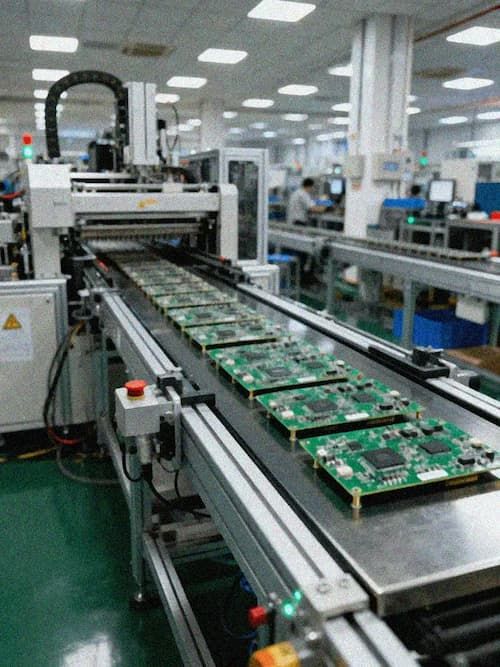
- Manufacturability Optimization: Design teams have in-depth knowledge of mainstream PCB manufacturing processes, integrating process limit requirements into the design stage to avoid unmanufacturable design defects, ensuring consistent performance across different production batches, and reducing overall product manufacturing costs by an average of 15%.
Contact Information
If you have automotive electronics PCB design requirements for prototype development, small batch trial production, or large-scale mass production, please contact our technical team. We provide free pre-sales technical evaluation, customized design solution development, and full-process technical support to help you achieve efficient, reliable, and cost-effective automotive electronic product development.