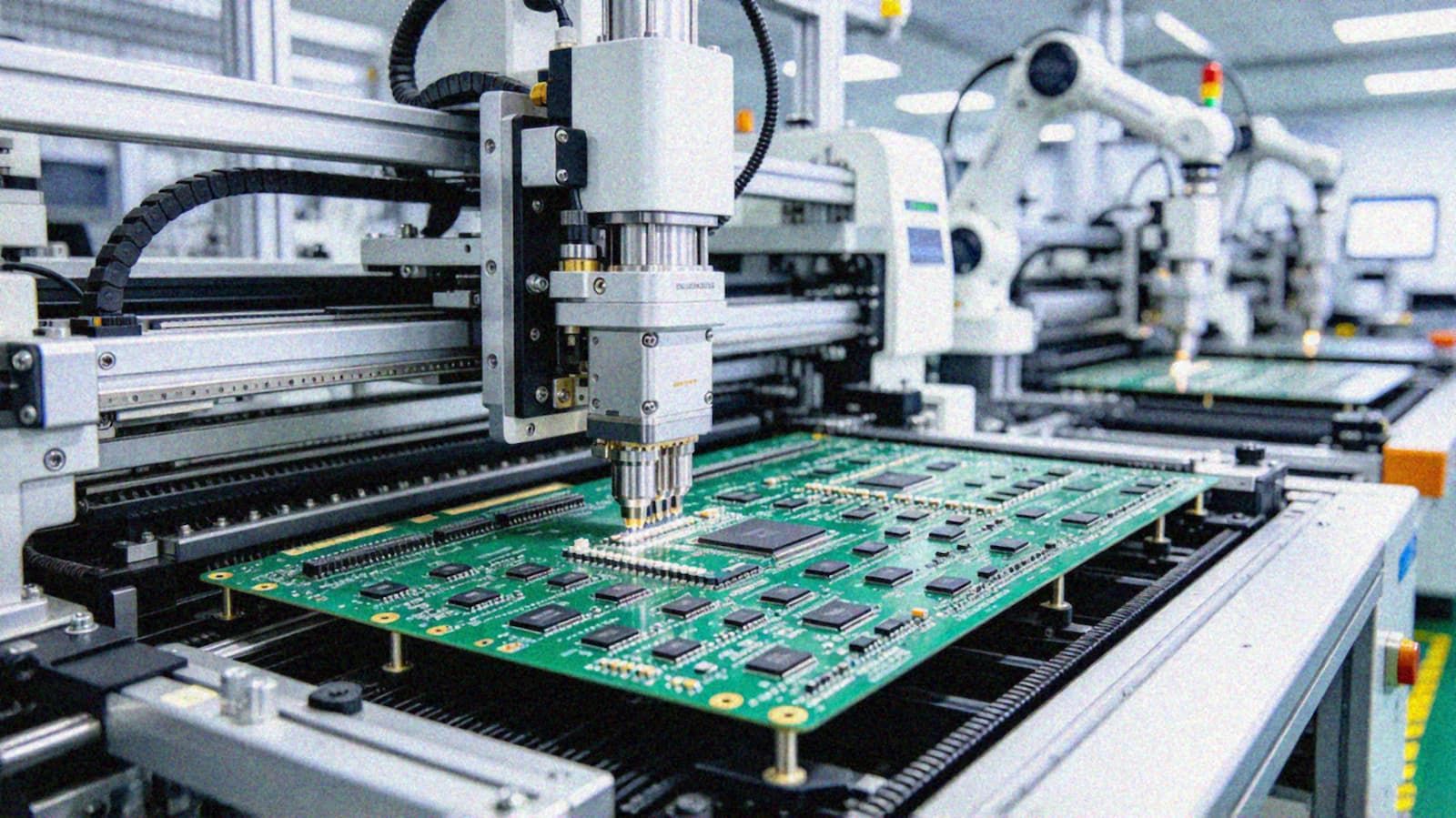
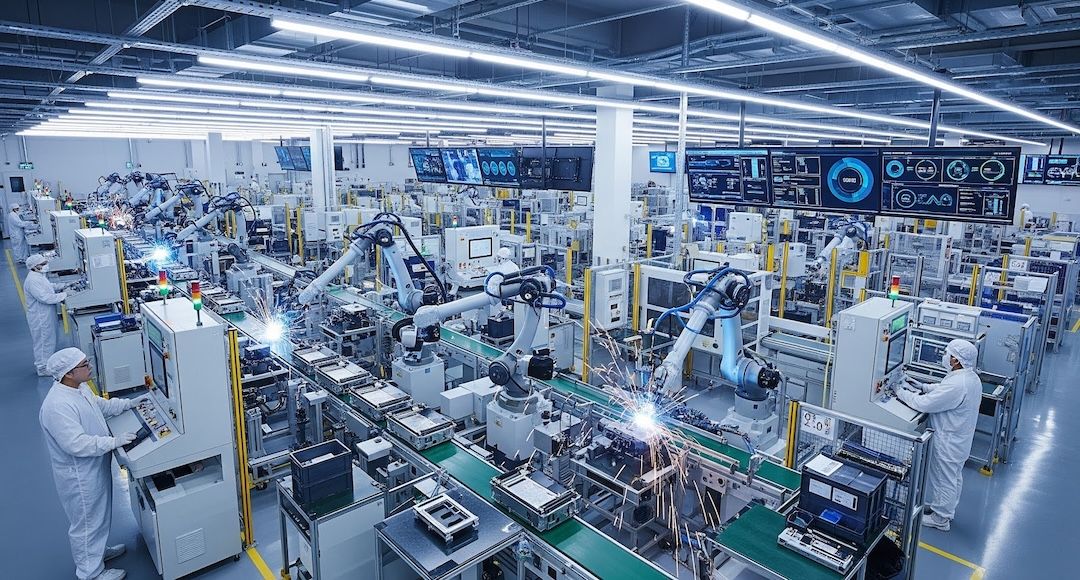
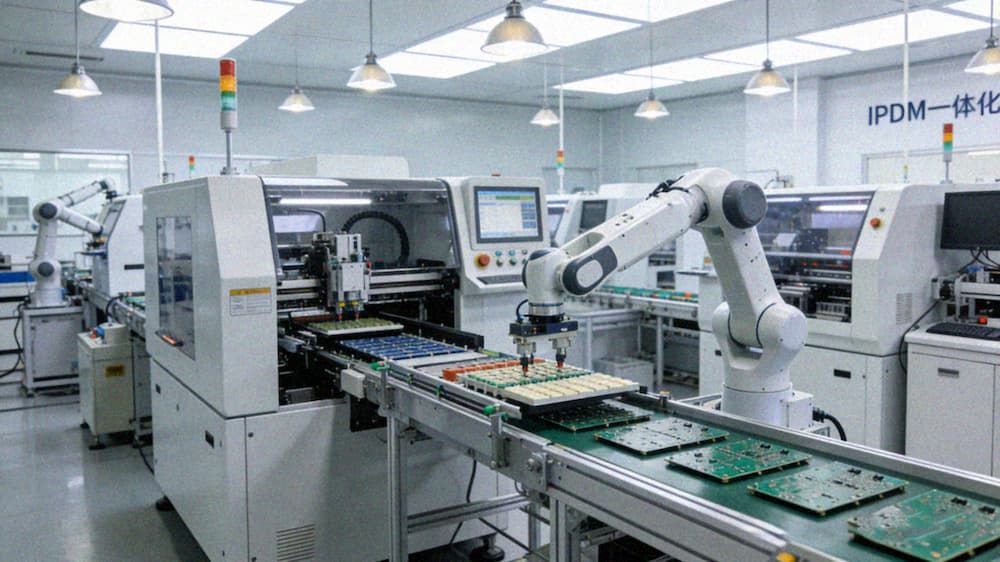
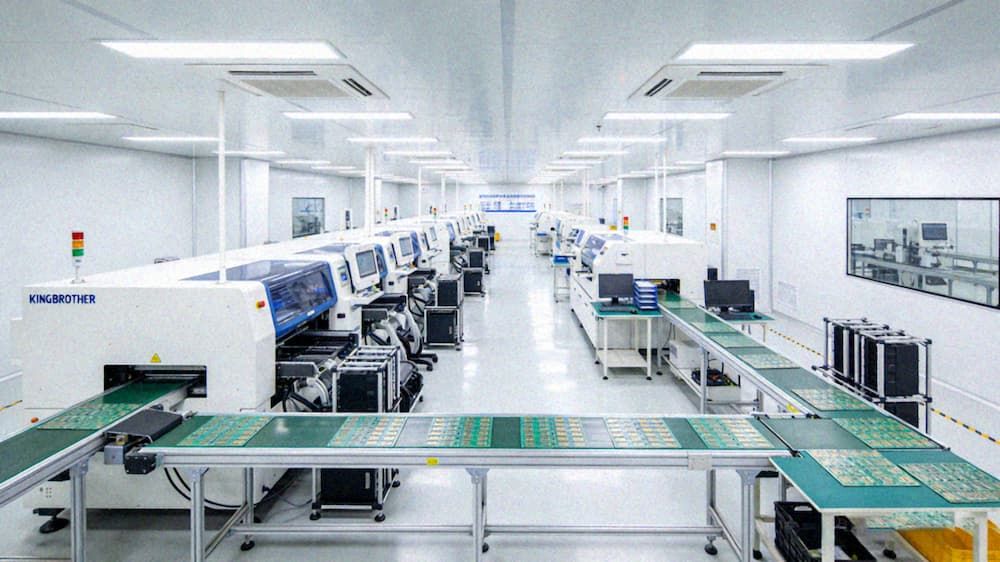
Robot PCB programs most often stall at the jump from prototype to volume. A board that works in prototype can still fail in batch production because of process windows, material availability, or quality consistency, forcing a rework or even a redesign. The hard part of that jump is that manufacturing is not a standalone delivery step; it has to stay coordinated with design, sourcing, and validation throughout.
Prototype Stage
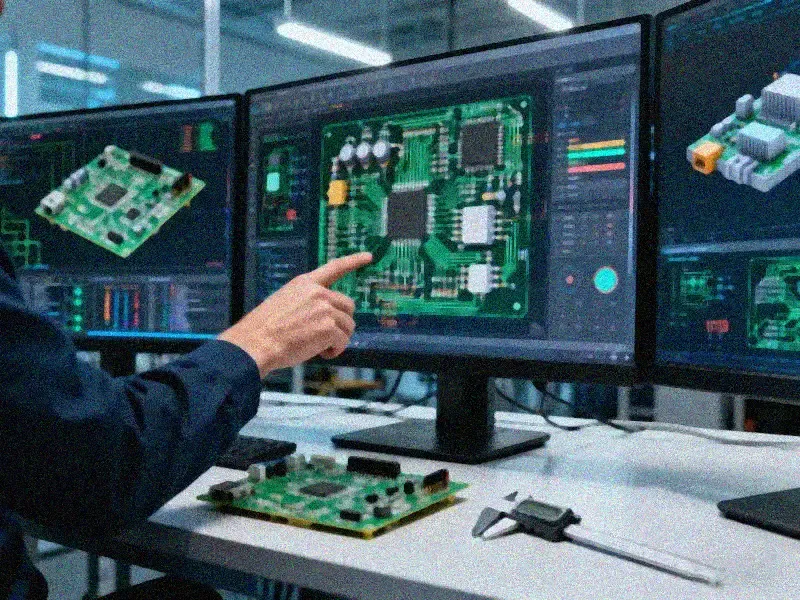
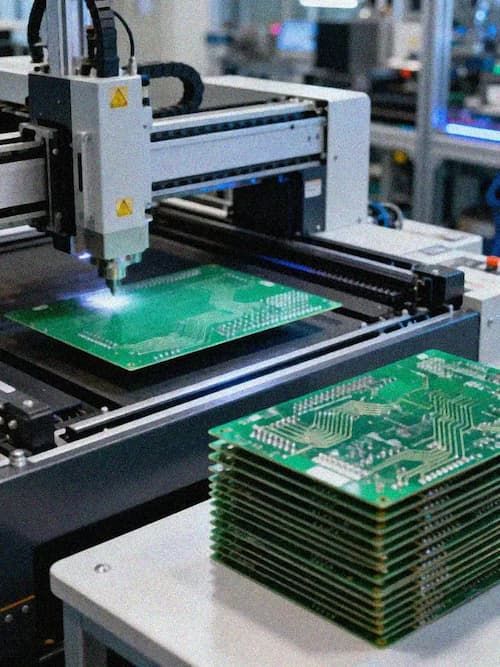
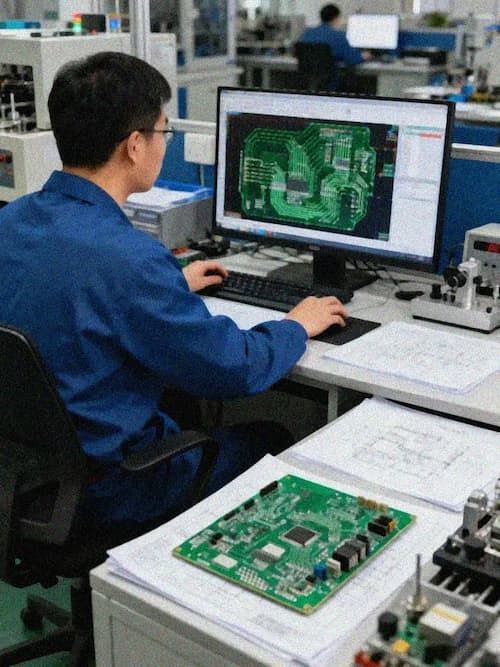
The value of a prototype is validating design assumptions quickly. Rapid sampling lets a team hold a usable board in hand early, catching layout, signal, and thermal problems sooner. DFM (design for manufacturability) checks should enter at this stage to surface manufacturability risk before it shows up in volume as out-of-spec line width, hole size, or spacing. Prototype testing covers function, signal integrity, and basic thermal behavior, feeding data into the next iteration.
Small-Batch Pilot
Small-batch pilot is where the process gets frozen. BOM sourcing becomes prominent at this point, because part availability, alternates, and lead times directly shape the pilot schedule. The purpose of a pilot is to verify the process window and batch consistency, not to move fast. Locking parameters through small batches is what gives volume production a stable reference.
Mass Production
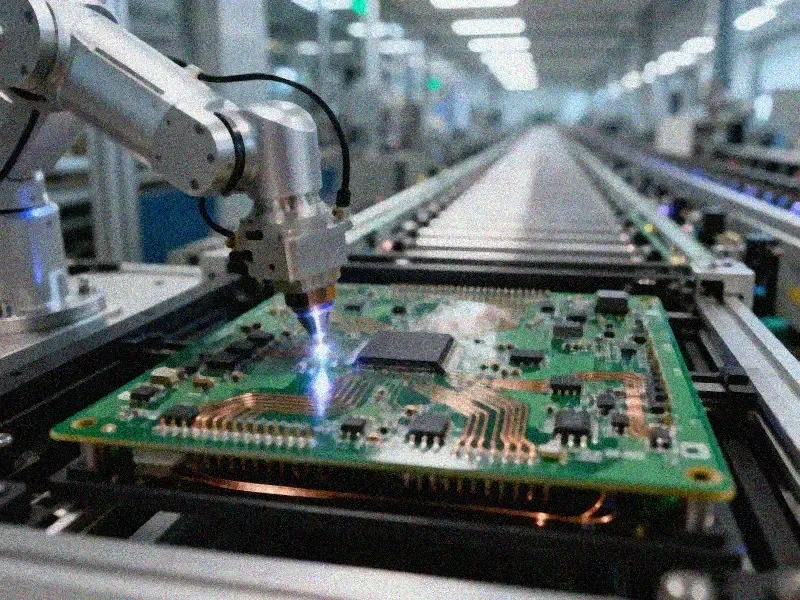
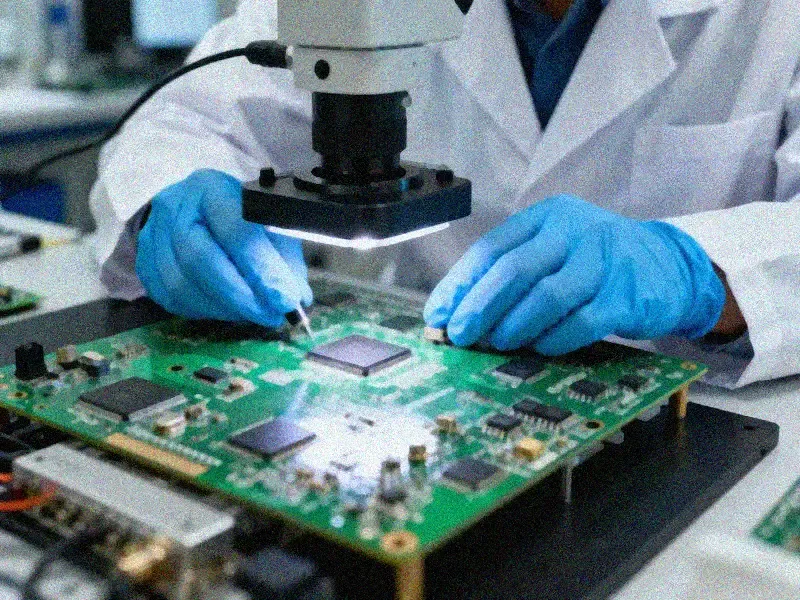
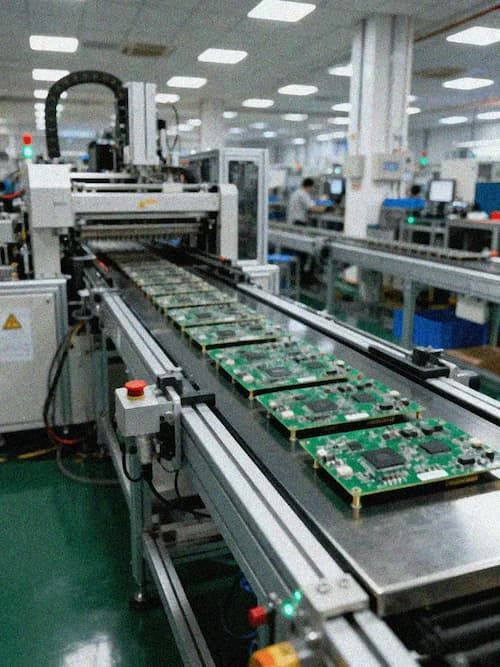
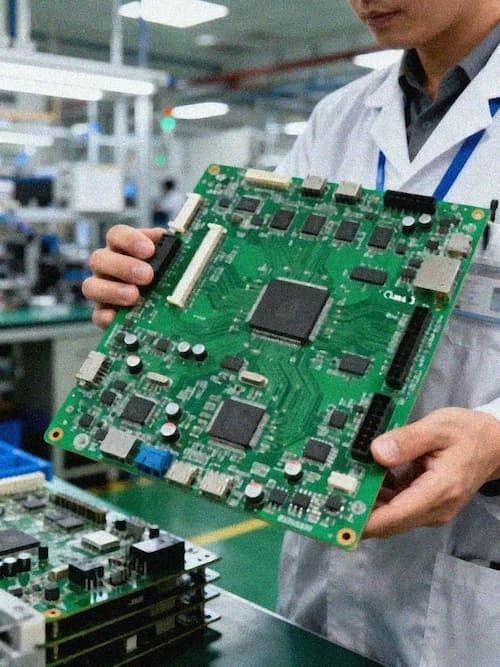
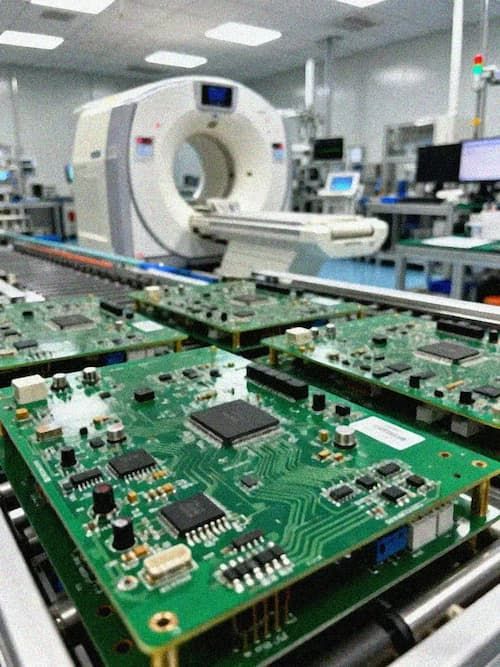
Mass production revolves around quality consistency and delivery lead time. IPC-A-610, as the acceptability standard for electronic assemblies, provides a common judgment for solder quality, component mounting, and appearance, while AOI and flying-probe testing catch defects before shipment. Capacity planning and lead-time management matter just as much, because a stable supplier has to ramp quickly and deliver flexibly.
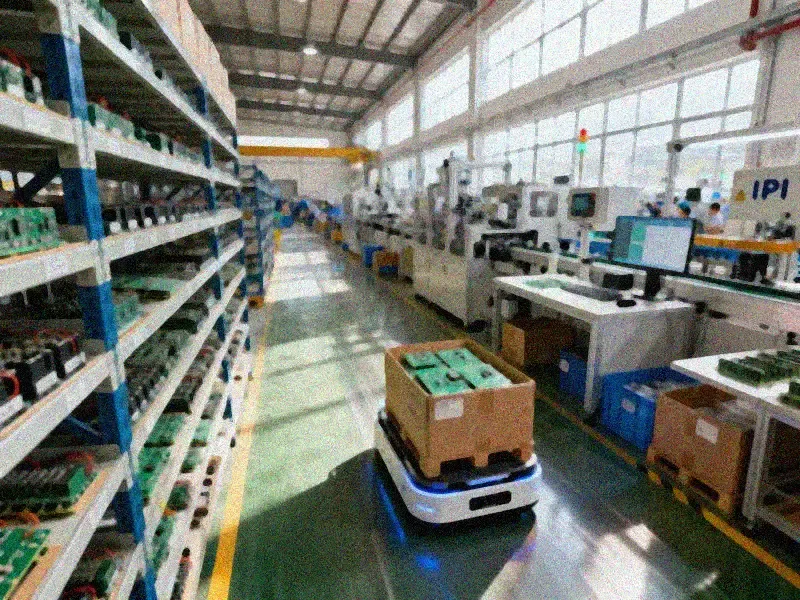
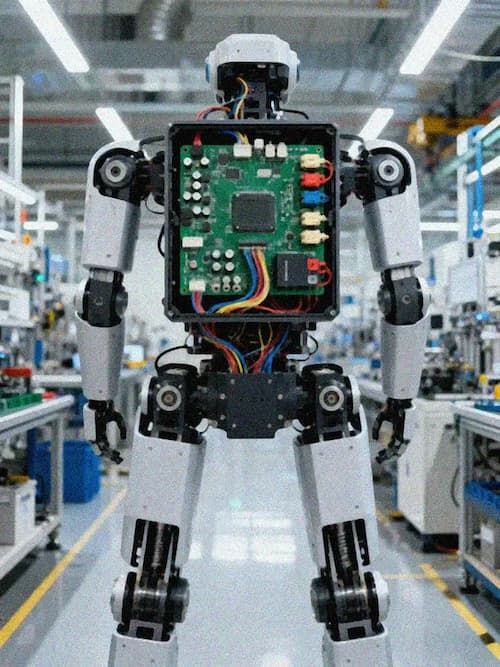
Boston Dynamics' electric Atlas offers a real reference for that production ramp. The humanoid robot entered production at the company's Boston headquarters from 2026, with that year's deployment slots fully committed and the first fleets scheduled for Hyundai's robotics plant and Google DeepMind. Even a leading robotics company faces hard constraints on capacity and delivery timing, and that is precisely the ramp phase robot PCB manufacturing has to support.
Reliability Validation
Mass production is not the finish line. Thermal cycling, vibration, and electrical and mechanical testing confirm long-term behavior under real operating conditions, while IPC-6012 provides the performance and acceptance basis for rigid boards. Reliability results feed back into process and design, closing the loop from prototype to volume.
Closing
The value of robot PCB manufacturing lies in turning a design into a product that can ship consistently. Rapid sampling, DFM, BOM sourcing, quality control, and reliability validation are interdependent, and a manufacturing partner that can walk a program from first prototype to stable volume beats repeated trial and error across multiple suppliers. 72-hour sampling, volume manufacturing, and IPDM one-stop service are built for exactly that path.