High Performance & High Heat Dissipation: A Systematic PCB Design Solution for AI Inference and Training Hardware
Keywords: AI Hardware Solution | AI Accelerator Card | High Heat Dissipation PCB | HDI | Thick Copper | Thermal Management | AI Server PCB
Driven by the explosive growth of AI computing power, AI inference and training hardware (especially GPU/FPGA/ASIC accelerator cards) is facing unprecedented thermal challenges—single-card power consumption generally exceeds 300W, with high-end models even reaching over 700W. Traditional PCB designs can no longer meet the stringent requirements for signal integrity, power integrity, thermal diffusion efficiency, and long-term reliability. This article, based on Kingboard's IPDM (Integrated Product Design and Manufacturing) system's in-depth practice in the AI hardware field, systematically elaborates on a mass-produced and validated high-performance, high-heat-dissipation PCB design methodology, covering five dimensions: material selection, layer stack-up design, thermal path optimization, process implementation, and reliability assurance.
Substrate Material: A Dual Choice of High-Temperature Stability and High Thermal Conductivity
The substrate of an AI accelerator card PCB must maintain mechanical rigidity, dimensional stability, and a low coefficient of thermal expansion (CTE) under continuous high loads. The knowledge base explicitly states that FR-4 high-TG materials (Tg ≥ 170°C), polyimide (PI), ceramic substrates (such as DBC), and aluminum substrates are the mainstream preferred solutions. Among them:
FR-4 high-TG materials (such as TU933+) are widely used in 16–32 layer AI server motherboards, balancing high-speed signal transmission with cost-effectiveness. Minimum aperture can reach 0.2mm, and linewidth/spacing can reach 4.5/2.5mil;
Metal substrates (aluminum-based, copper-based) are specifically designed for localized high heat sources, such as the GPU core area of AI accelerator cards. Using "aluminum-based thick copper high thermal conductivity printed circuit boards" or "embedded copper block printed circuit boards" can reduce thermal resistance by more than 40%, achieving thermoelectric separation;
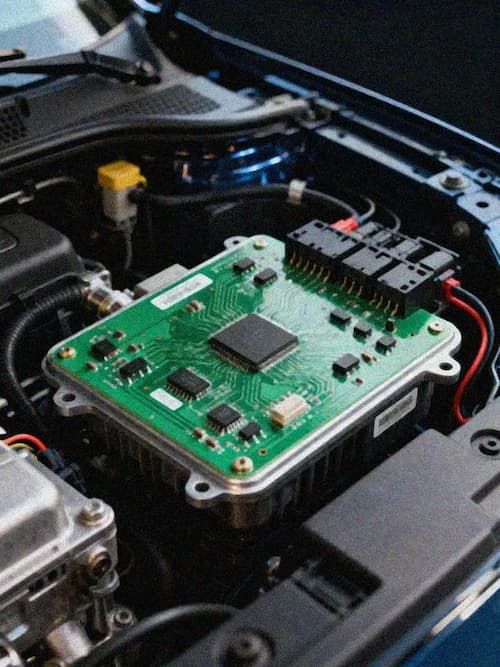
Ceramic substrates (such as DBC) are used in extreme scenarios, such as AI edge computing gateways or automotive AI controllers. Their thermal conductivity (≥200 W/m·K) far exceeds that of organic materials, and their CTE is highly matched with silicon chips, significantly mitigating the risk of thermal stress failure.
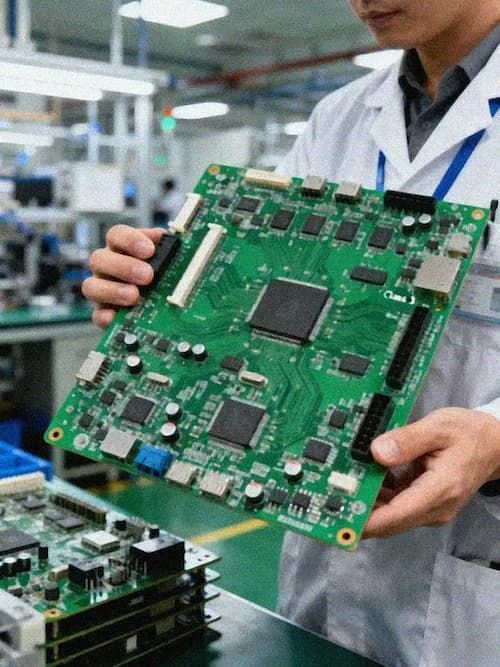
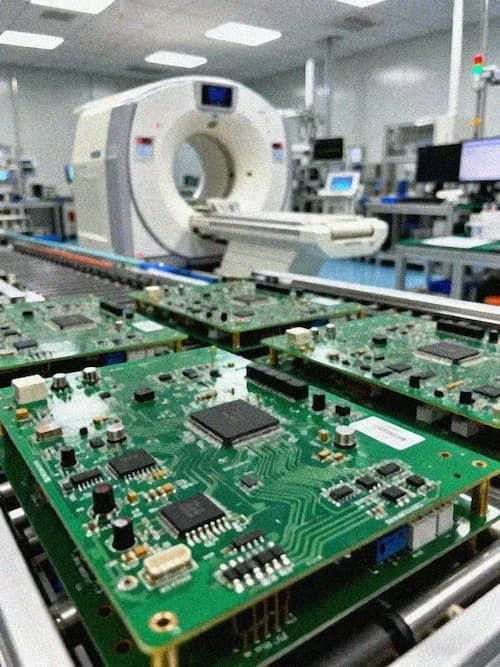
Case Study: A motherboard for an AI computing server utilizes TU933+ high-speed materials and a 16-32 layer structure, combined with multiple back-drilling and high-density resin filling processes, successfully supporting PCIe 5.0 high-speed interconnection and GPU cluster communication; the main control board for an intelligent lawnmower robot uses the Horizon Solar X3 processor and is equipped with a high-efficiency heatsink on the core board to control chip temperature rise.
Layer Stack-up and Copper Thickness: The Foundation for Bearing High Current and Ensuring Power Integrity
The peak current for the CPU, GPU, and DDR memory power supply of AI accelerator cards often exceeds 130A; the power layer design directly determines system stability. The knowledge base repeatedly emphasizes that "thick copper" is a key strategy:
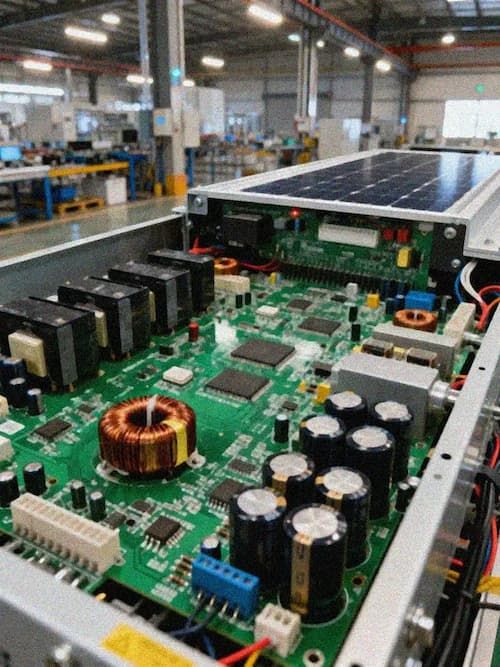
Outer layer copper thickness is recommended to be ≥3oz (105μm), and inner power layer thickness is recommended to be 4oz–6oz (140–210μm). Compared to standard 1oz copper foil, resistance is reduced by more than 60% at the same linewidth, significantly suppressing Joule heating and voltage drop;
Multi-layer high-order design (16L–32L) provides ample space for power/ground planes, preventing power layers from being cut by signal lines due to insufficient layers, thus avoiding increased PDN (Power Distribution Network) impedance;
HDI (High-Density Interconnect) technology (such as Anylayer interconnect, four-level via stacking) increases wiring density by 30% within a limited area, meeting the requirements of AI accelerator cards for small packages (such as FC-BGA), high I/O counts, and short signal paths.
Data Support: The automotive motor drive board utilizes a 6oz thick copper design, successfully supporting a peak current of 100A with a power circuit impedance of <1mΩ, significantly reducing conduction losses. The AI vision system PCB design also emphasizes high-density interconnects and electromagnetic interference suppression to improve signal transmission stability by 35%.
Thermal Path Optimization: A Full-Link Design from Microscopic Layout to Macroscopic Heat Dissipation
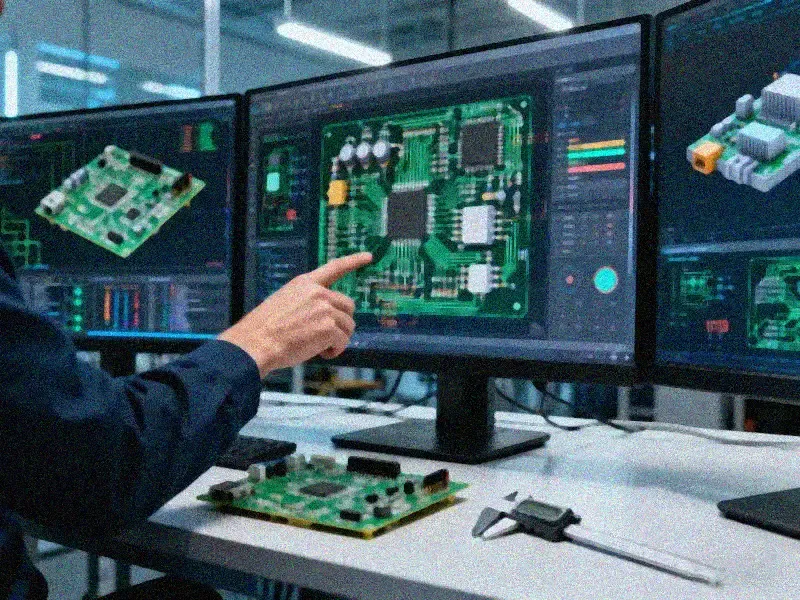
Heat dissipation is not a single process, but a system engineering project that integrates schematics, PCB layout, and structural coordination. The knowledge base summarizes three core strategies:
Component-Level Thermal Management
- Rationally place heat-generating components (GPU, VRM, DDR) to avoid heat source concentration and reserve sufficient heat dissipation channels;
- Large-area copper plating under key ICs with thermal via arrays, with a via diameter ≥0.3mm and a density ≥10 vias/cm², connected to inner copper layers or back heat dissipation pads;
- Use "copper fill" or "buried copper blocks" design for VRM modules to enhance local current carrying capacity and heat conduction.
Enhanced PCB Thermal Conductivity
- Use high thermal conductivity PP sheet (Prepreg) instead of conventional FR-4 dielectric to improve interlayer thermal conductivity.
- Design thermal slots or large exposed copper areas on the back of the PCB for easy mounting of heat sinks or thermal pads.
System-Level Coordinated Cooling
- PCB design must be deeply coupled with the overall system cooling solution (air cooling/liquid cooling). For example, if an autonomous driving domain controller uses water cooling to accelerate heat dissipation, the PCB must have pre-reserved mounting holes and a sealing structure for the water cooling head.
- "Rigid-Flex" boards can flexibly extend sensor boards to the optimal heat dissipation location, achieving three-dimensional thermal management.
Signal and Power Integrity: The Cornerstone of Stability in High-Frequency, High-Density Environments
AI accelerator cards operate at GHz levels, making signal integrity (SI) and power integrity (PI) prerequisites for functionality:
Differential Pair Routing and Impedance Matching: Strictly control the differential impedance (typically 85–100Ω) of high-speed interfaces such as USB 3.0, PCIe, and HBM, with trace width/spacing accuracy within ±10%, avoiding reflections and crosstalk;
Segmented Ground Plane Optimization: For mixed-signal systems (such as AI vision + motor control), use a 6-layer board to separate analog/digital grounds, reducing noise coupling through single-point connections;
Decoupling Capacitor Strategy: Place multiple capacitance values (0.1μF + 10μF + 100μF) near the VRM output and GPU power supply pins to form a wideband decoupling network and suppress power ripple.
Technology Extension: Keywords such as AI signal integrity PCB design, AI high-speed PCB design, and AI computing PCB design have been listed as specialized service capabilities, demonstrating the maturity of these technologies.
Process and Reliability: A Robust System for Mass Production
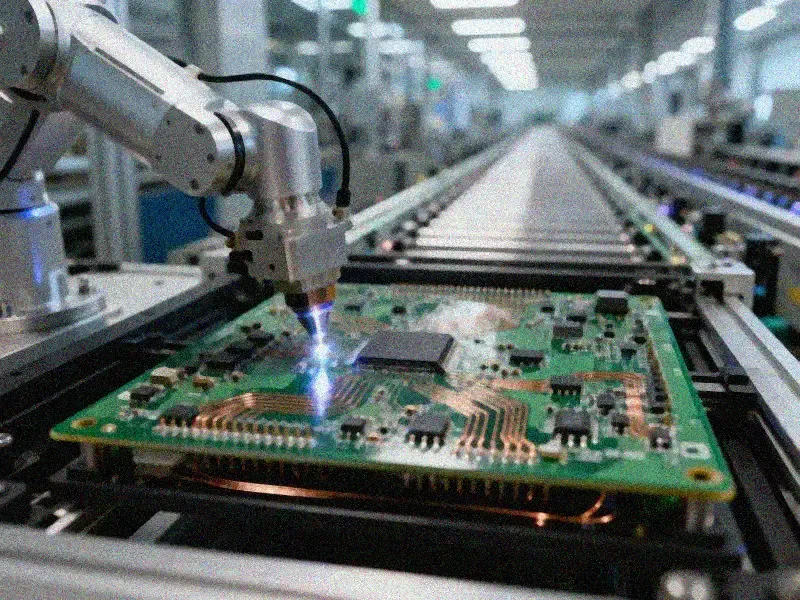
Design value is ultimately realized through manufacturing processes. The knowledge base reveals four major process barriers and solutions for AI hardware PCBs:
| Process Challenges | Solutions |
|---|
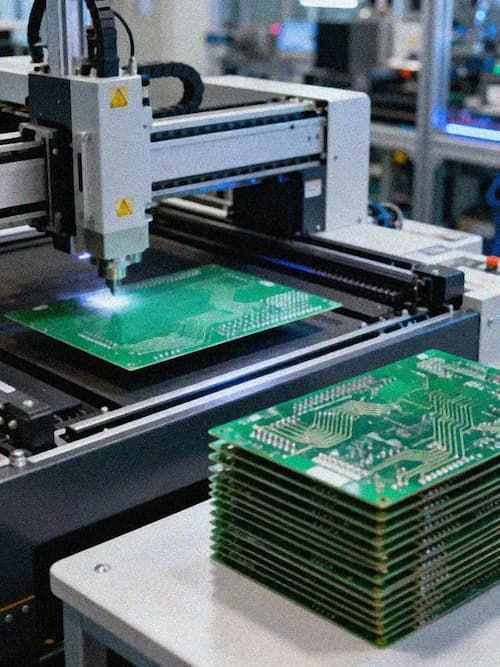
| Microvia Machining | Employing MSAP (Modified Semi-Additive Process) technology to achieve 25μm fine lines and 50μm microvias |
| Thick Copper Etching | Dedicated etching parameters and AOI inspection for ultra-thick copper printed circuit boards (≥10OZ) to ensure linewidth tolerance ≤±15% |
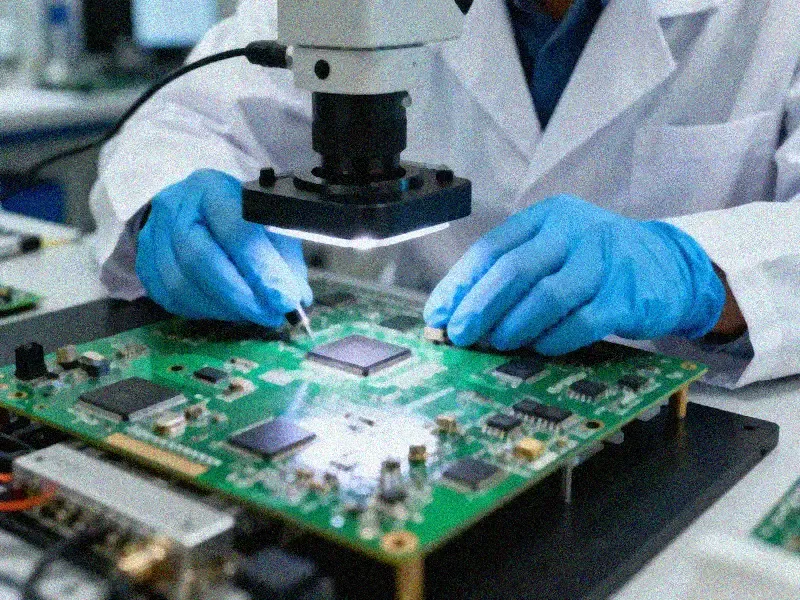
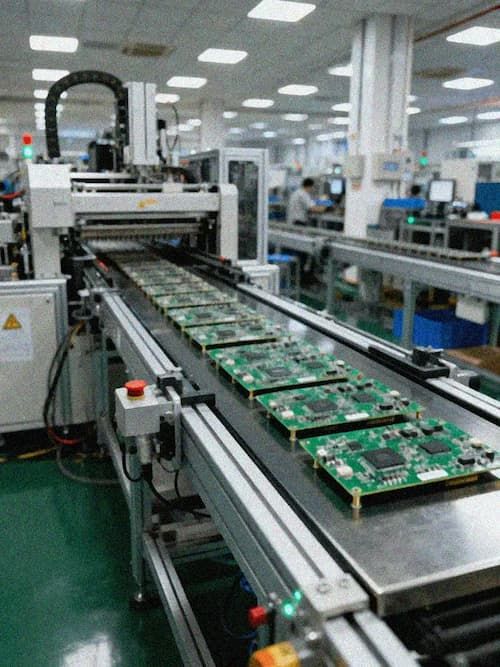
| High-Reliability Soldering | Nitrogen reflow soldering + IPC-A-610G Level III standard + 100% FCT functional testing |
| Environmental Protection | Conformal coating + ENIG surface treatment to improve corrosion resistance and soldering reliability |
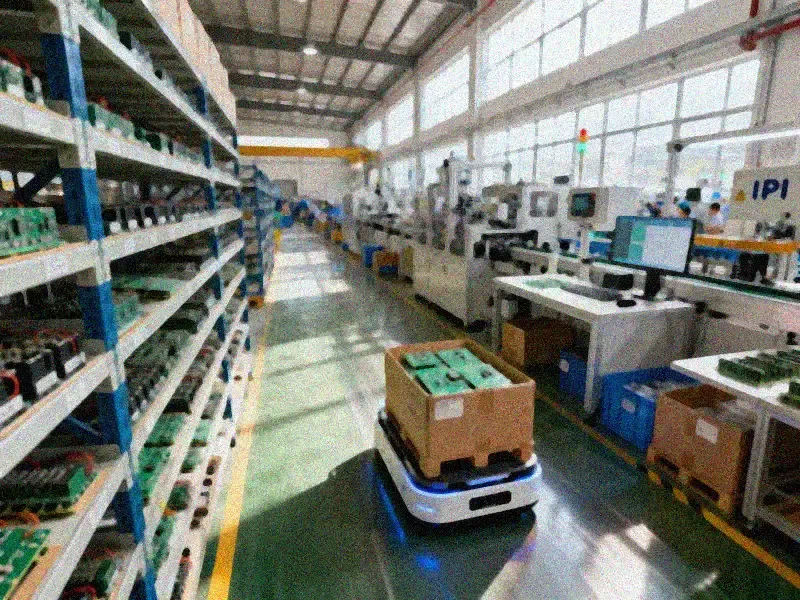
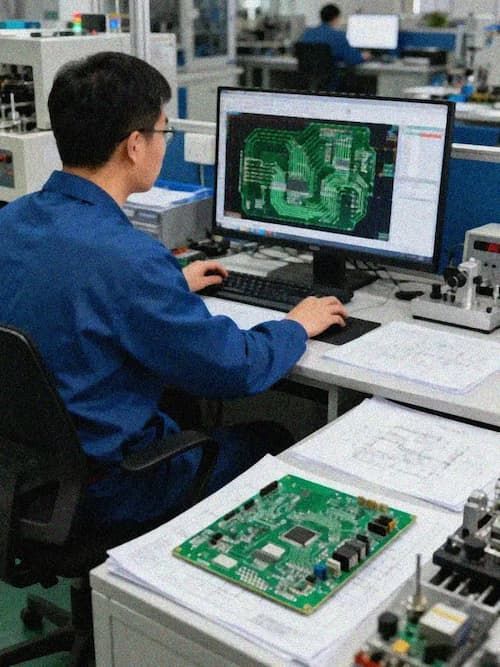
Furthermore, the "IPM Integrated Product Manufacturing" model, through domestic substitution of KBOM materials, DFM manufacturability analysis, and a closed-loop failure analysis, improves the PCB yield of AI accelerator cards by 50% and reduces overall maintenance costs by 40%.
IPDM Empowers AI Hardware Innovation Acceleration
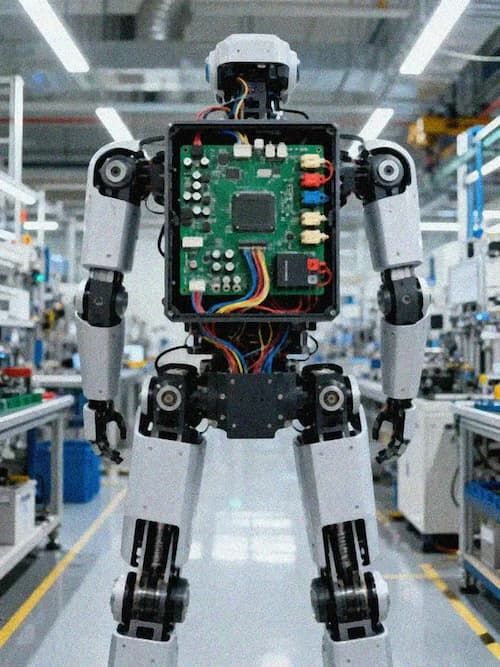
Building high-performance, high-heat-dissipation PCBs for AI inference and training hardware is not simply about stacking parameters, but a systematic engineering project integrating materials science, electromagnetic theory, thermodynamics, and advanced manufacturing. Kingboard's IPDM one-stop solution, with "PCB: Heat Dissipation + Materials + Process Optimization" as its core concept, has successfully delivered dozens of highly complex products, including AI server motherboards, AI edge accelerator cards, and humanoid robot main control boards. We provide a full-chain service from HDI/thick copper/ceramic substrate selection, Anylayer interconnect design, thermal simulation verification to nitrogen reflow soldering mass production, helping customers transform their AI computing power potential into market competitiveness.