Overview
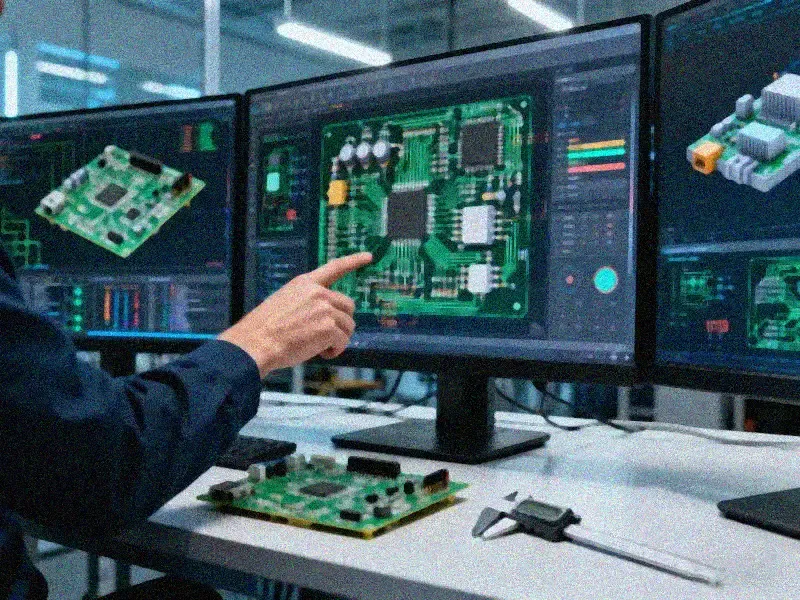
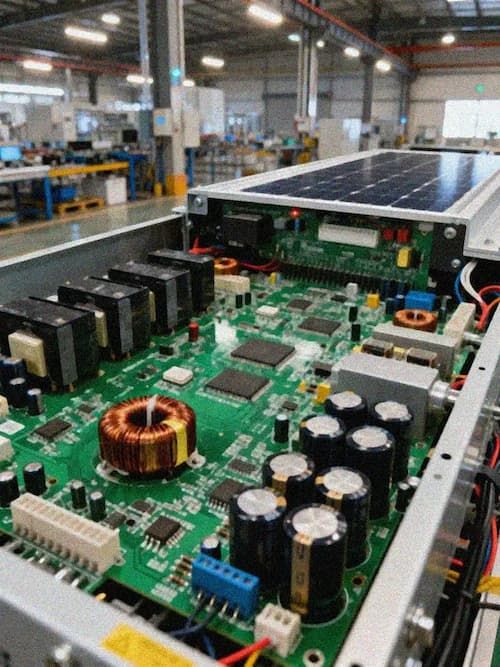
As global demand for clean, renewable solar energy continues to rise, photovoltaic (PV) hardware manufacturers face growing pressure to deliver products with higher energy conversion efficiency, longer service lifespans, and stronger adaptability to harsh outdoor operating environments. The PCB is a core component of all solar energy equipment, responsible for carrying power conversion, signal monitoring, and system control functions. Poor solar panel PCB design can lead to reduced power output, premature module failure, and even safety risks such as overheating, short circuits, and fire hazards. Our solar panel PCB design services cover the entire product development cycle from schematic design, stackup planning, placement and routing optimization, to pre-manufacturing testing and verification, supporting a wide range of board configurations to meet the unique performance requirements of different solar application scenarios. We prioritize efficiency, reliability, and manufacturing feasibility in every design, helping clients reduce product iteration cycles, lower production costs, and bring high-performance solar hardware to market faster.
Technical Capabilities
Our solar panel PCB design services are built on comprehensive technical expertise and industry-specific experience, with core capabilities including:
- Diverse Board Type Support: We support design for all common PCB configurations used in solar equipment, including single-sided, double-sided, multilayer (up to 32 layers), heavy copper (up to 20oz copper thickness), high-frequency hybrid, metal core, rigid-flex, semi-flexible, and ceramic PCBs. Heavy copper designs are optimized for high-current power circuits in solar inverters and energy storage systems, reducing heat generation and improving current carrying capacity, while metal core designs deliver superior thermal dissipation for high-power solar converters. Rigid-flex designs are ideal for compact portable solar equipment, combining structural flexibility with high mechanical stability.
- Optimized Stackup and Routing Design: We implement custom stackup planning based on specific product performance requirements, with configurable independent ground planes and power layers to minimize crosstalk and signal attenuation for solar monitoring and control circuits. Our routing optimization prioritizes low-resistance current paths to reduce power loss, improving overall energy conversion efficiency of the solar system by up to 2% compared to generic PCB designs.
- High-Precision Impedance Control: We achieve ±5% impedance control accuracy, perfectly matching the transmission requirements of Maximum Power Point Tracking (MPPT) circuits, IoT communication interfaces, and power conversion modules. This ensures stable data and power transmission across the solar system, even in environments with large temperature fluctuations and electromagnetic interference.
- Environmental Adaptability Optimization: All our designs are optimized for operation in harsh outdoor conditions, supporting stable performance across a wide temperature range of -40℃ to +125℃, with built-in protection against UV degradation, moisture ingress, salt spray corrosion, and mechanical shock. These optimizations make our designs suitable for solar installations in desert, coastal, high-altitude, and other extreme environment scenarios.
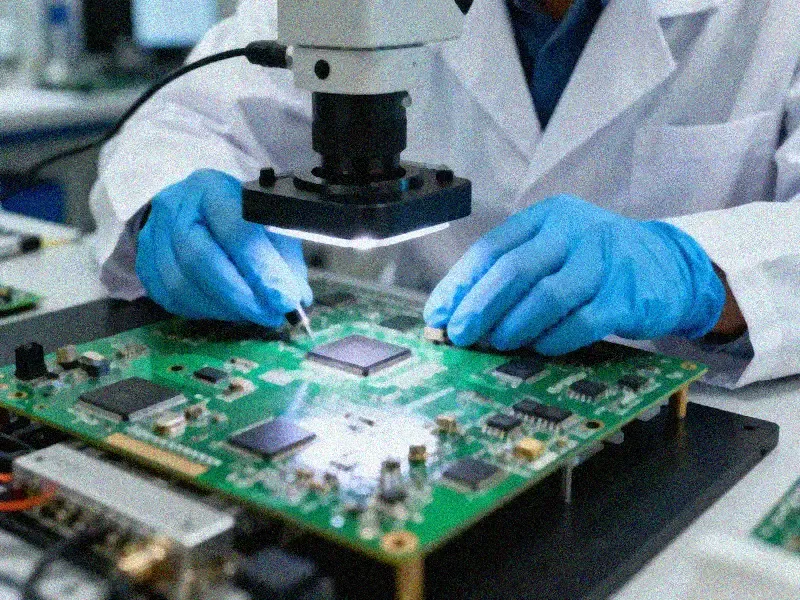
- Full-Process Verification Support: We provide a full range of pre-manufacturing verification services, including insulation resistance testing, thermal cycling testing, UV aging testing, EMC testing, and power efficiency testing, to validate design reliability before production, reducing iteration costs and minimizing post-production failure rates.
Quality Standards
All our solar panel PCB designs follow strict global industry standards to ensure compliance and performance consistency:
- Adherence to IPC-2221 generic PCB design standards and IPC-6012 qualification and performance specifications for rigid PCBs, ensuring design consistency and manufacturing feasibility.
- Compliance with IEC 61215 photovoltaic module performance standards and IEC 61730 photovoltaic module safety standards, meeting global market access requirements for solar equipment.
- Full alignment with RoHS and REACH environmental regulations, ensuring products are free of hazardous substances and suitable for sale in all major regional markets.
- Integration of Design for Manufacturing (DFM) and Design for Assembly (DFA) principles into every stage of the design process, reducing manufacturing defects, improving production yield, and shortening mass production lead times.
Applications
Our solar panel PCB design services are suitable for a wide range of photovoltaic hardware applications, including:
- Residential and commercial rooftop photovoltaic panel control modules
- Grid-tied and off-grid solar inverter core control boards
- Solar energy storage system power conversion and management PCBs
- Utility-scale photovoltaic power plant string monitoring and communication modules
- Solar street light and solar-powered IoT sensor circuit boards
- Portable solar charging equipment and mobile power station PCBs
- Floating solar power system corrosion-resistant control boards
- Solar-powered agricultural monitoring and irrigation system circuit boards
- Solar electric vehicle charging station power control modules
Key Advantages
Choosing our solar panel PCB design services delivers multiple core benefits for your solar product development projects:
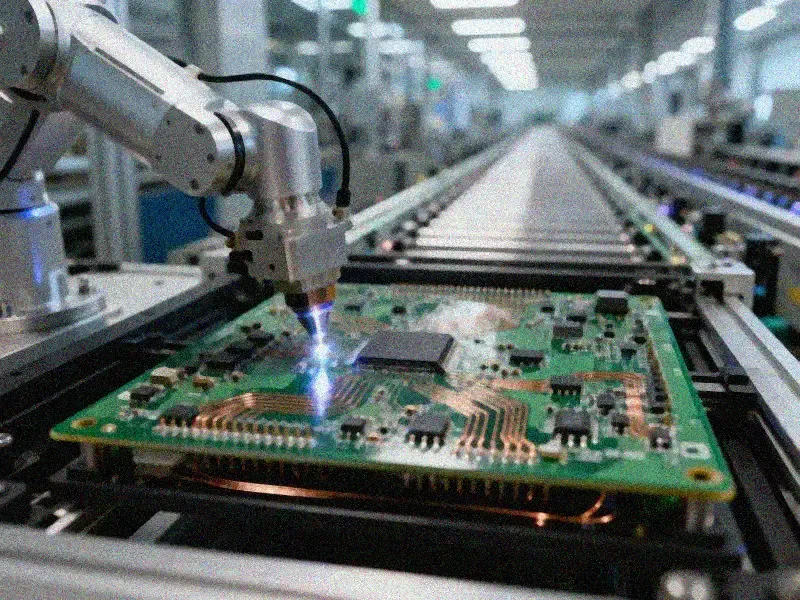
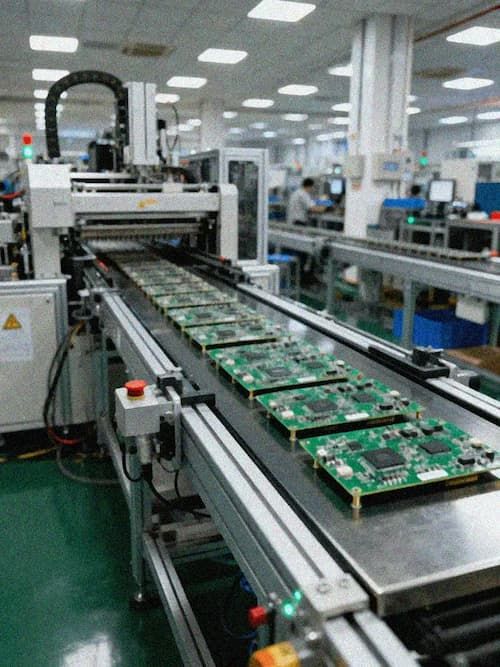
- End-to-end service coverage: We provide full support from schematic design, layout routing, prototyping, and mass production to PCBA assembly, eliminating cross-vendor communication gaps and reducing overall project cycle time by up to 30% compared to working with multiple separate design and manufacturing partners.
- Fast response and iteration: We offer 2-hour quotation and technical response, 7/24 technical support, and quick-turn prototyping services with lead times as short as 3 days, enabling fast design iteration for new solar product development and helping you get to market ahead of competitors.
- Cost-optimized design: We balance performance requirements with manufacturing feasibility in every design, reducing unnecessary material costs and production complexity, cutting overall production costs by 10-20% without compromising product performance or reliability.
- Customized solution support: We tailor every design to your specific application scenario, including custom adjustments for flame retardancy, high-voltage insulation, low-temperature operation, and corrosion resistance, to meet the unique needs of your solar hardware products.
Contact Information
If you have customized requirements for solar panel PCB design services, you can reach out to our technical support team via official service hotline, email, or online inquiry portal. Our team will provide a free technical evaluation, targeted design solutions, and professional consulting support to help you achieve high-performance, high-reliability solar hardware development goals. We also offer flexible service packages to suit projects of all sizes, from small-batch prototype development to large-scale mass production support.