Overview
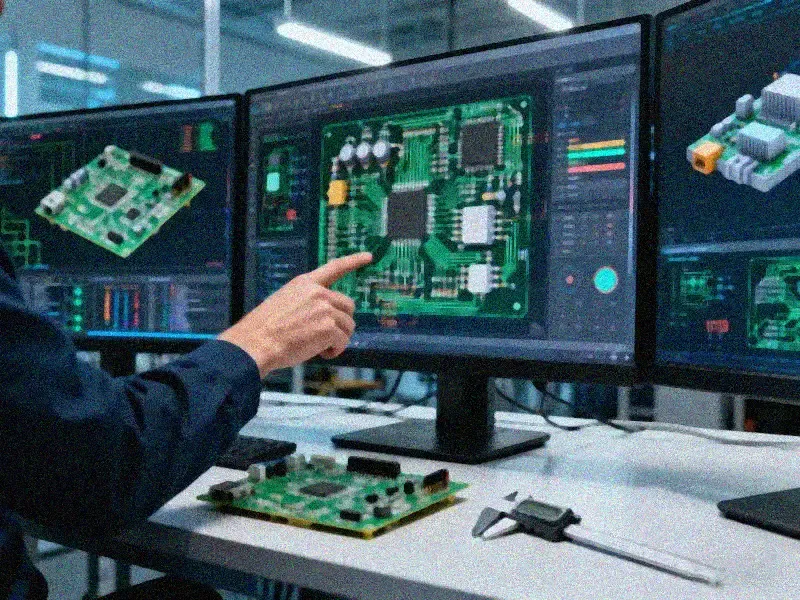
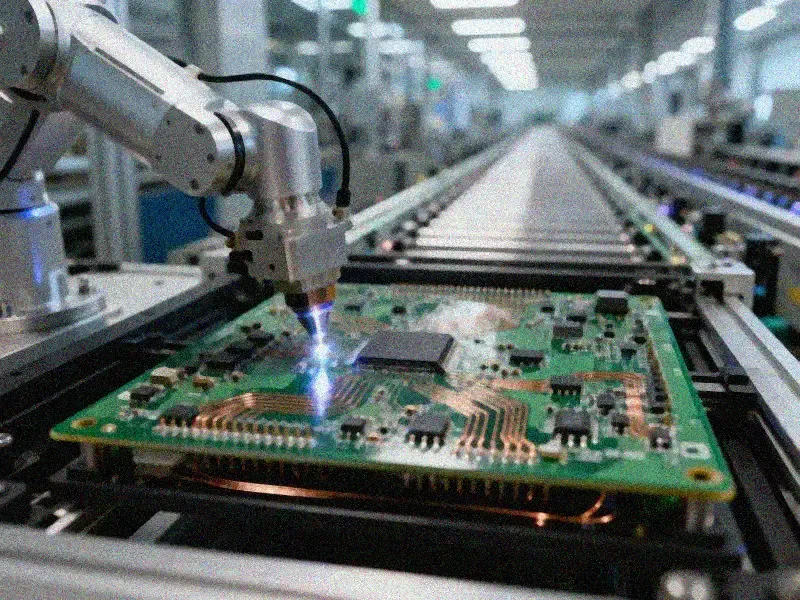
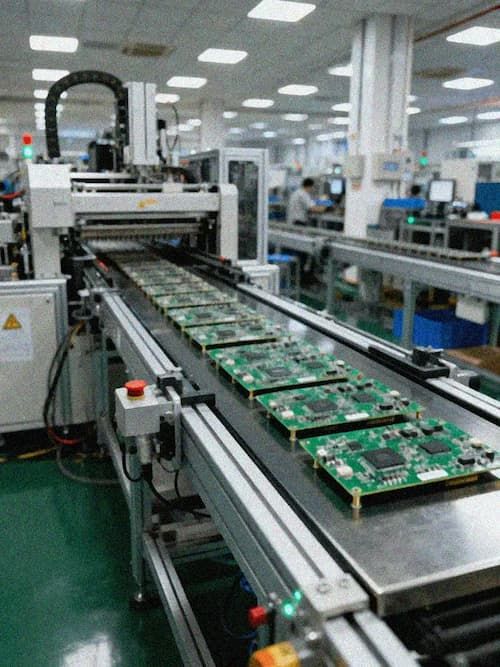
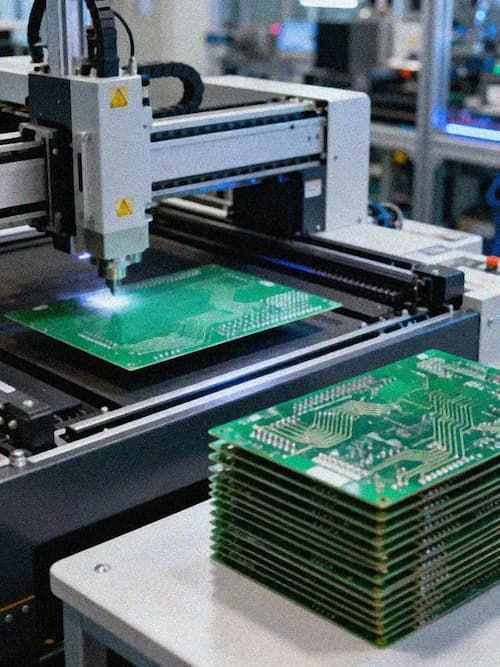
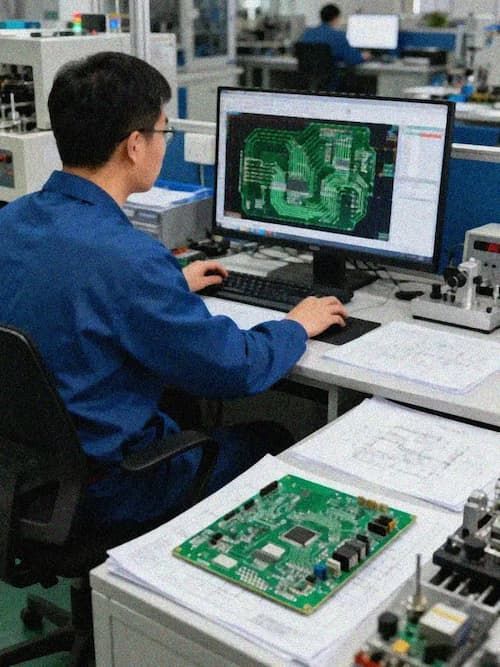
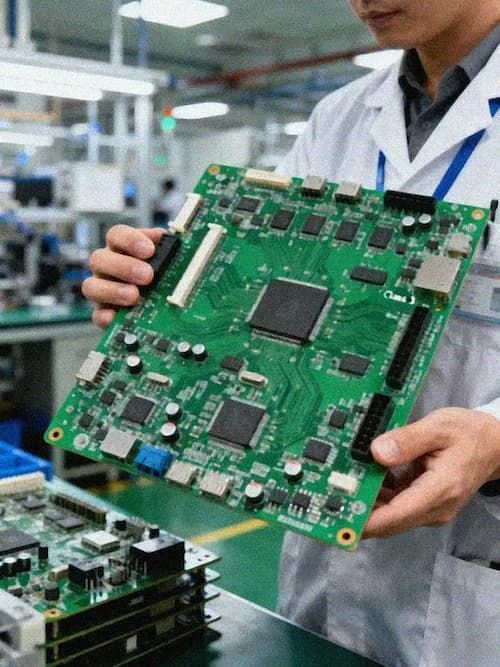
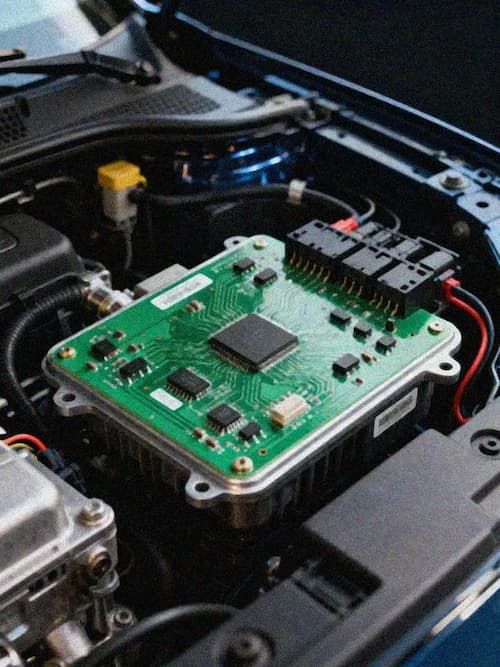
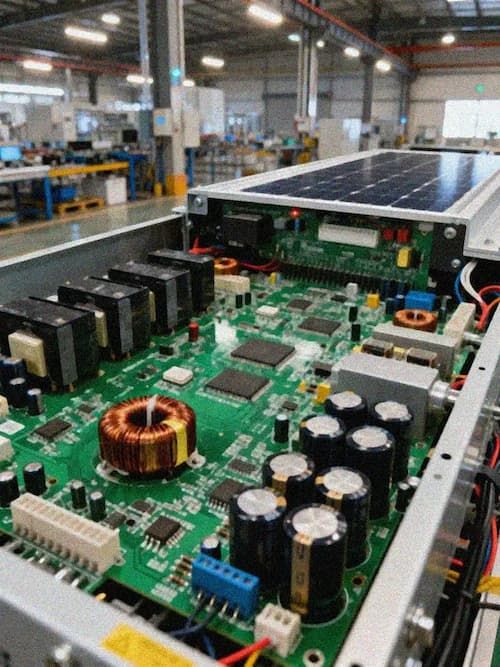
Surface Mount Technology (SMT) manufacturing is the core process of modern electronic assembly, enabling high-density, miniaturized, and high-reliability integration of electronic components on printed circuit boards. As electronic products continue to evolve toward smaller form factors, higher functional integration, and harsher operating environment adaptability, the precision and stability of SMT manufacturing directly determine the performance, yield, and service life of end products. Professional SMT manufacturing covers the full process chain including solder paste printing, high-precision component placement, reflow soldering, inspection and testing, and post-processing, adapting to diverse design requirements across consumer, industrial, automotive, and medical electronic sectors. It addresses core industry pain points such as fine-pitch component soldering defects, mixed-technology assembly compatibility, and harsh environment reliability.
Technical Capabilities
Professional SMT manufacturing processes support a wide range of custom specifications to meet diverse design requirements, with core capabilities including:
- Board Size and Thickness Compatibility: Supports minimum PCB dimensions of 50mm x 50mm for conventional processing, with custom processing available for boards smaller than 50mm x 50mm that meet specific component clearance requirements. Maximum processing dimensions reach 800mm x 400mm for standard runs, adapting to both compact wearable devices and large industrial control boards. Accommodates PCB thicknesses ranging from 0.5mm to 5mm for conventional processing, with custom capabilities for boards thinner than 0.5mm and thicker than 5mm to meet specialized structural requirements.
- High-Density Component Mounting: Supports standard SMD sizes up to 200mm x 125mm, with custom processing available for larger SMD components up to 15mm in thickness. Handles fine-pitch through-hole and surface mount components including QFP, SOP, and SOJ with minimum pin spacing as low as 0.3mm, as well as CSP and BGA components with minimum ball spacing down to 0.3mm, supporting high-density integration designs for high-performance computing and communication products.
- Conformal Coating Services: Offers three-proof paint (conformal coating) processing with standard coating thickness ranging from 20μm to 50μm, with custom options for thicknesses exceeding 50μm. Coated products support operating temperature ranges from -50℃ to 150℃, delivering moisture resistance, corrosion protection, and dustproof performance for harsh environment applications such as outdoor industrial equipment and automotive electronics.
- Mixed-Technology Assembly Support: Combines SMT with DIP wave soldering processes, supporting mixed-technology PCB assembly with standard maximum board dimensions of 500mm x 400mm. Meets clearance requirements between through-hole component pins and bottom-side SMT components (minimum 2.0mm clearance plus SMT component thickness) to avoid soldering defects and ensure joint reliability.
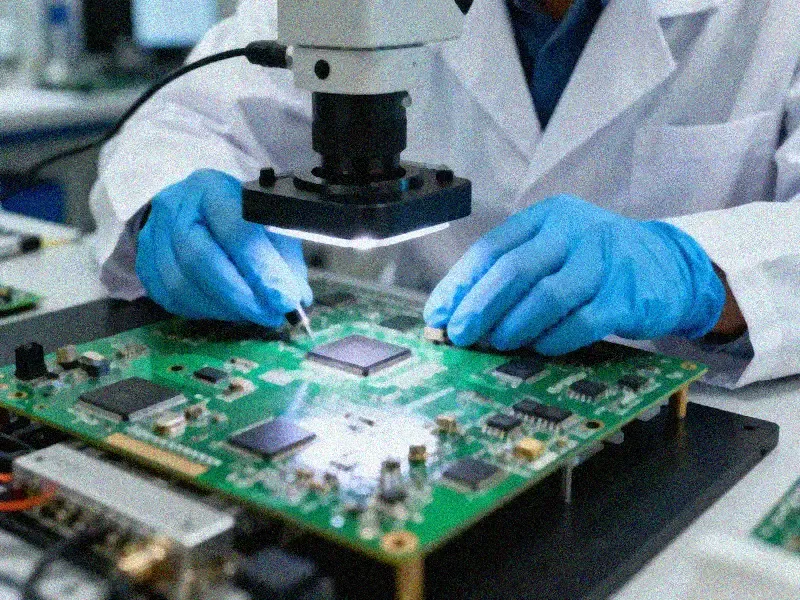
- Testing and Inspection Capabilities: Equipped with flying probe testing processes, supporting component height up to 60mm on the top side and 120mm on the bottom side for standard testing, with custom testing solutions for taller components. Also supports X-ray inspection for BGA and hidden solder joint verification, automated optical inspection (AOI) for surface mount joint quality check, and functional testing to ensure zero critical defects for high-reliability applications.
- Special Design Adaptability: Compatible with advanced PCB designs including blind and buried vias, metal core boards, rigid-flex boards, embedded copper structures, high-frequency hybrid boards, via-in-pad, half holes, countersinks, step slots, stack vias, epoxy fill, and mixed surface finishes, adapting to complex specialized product requirements across high-frequency, high-power, and miniaturized application scenarios.
Quality Standards
SMT manufacturing processes follow strict international quality control standards to ensure consistent product performance:
- All assembly processes comply with IPC-A-610 electronic assembly acceptability standards, with clear defect classification and correction mechanisms for different application grades.
- Full-process inspection is implemented, including incoming material quality verification, solder paste printing inspection (SPI), post-reflow AOI inspection, X-ray inspection for hidden solder joints, and final functional and reliability testing.
- Reliability verification services include temperature cycle testing, vibration testing, humidity resistance testing, and salt spray testing, ensuring products meet the operational requirements of industrial, automotive, and medical grade applications.
Applications
High-precision SMT manufacturing solutions are widely applicable across multiple electronic sectors, including:
- Consumer electronics: Smart wearable devices, smartphone motherboards, home appliance control boards, and consumer IoT terminals
- Industrial electronics: Industrial control mainboards, sensor modules, power supply units, and factory automation equipment
- Automotive electronics: ADAS controllers, smart cockpit core units, battery management systems, and on-board communication modules
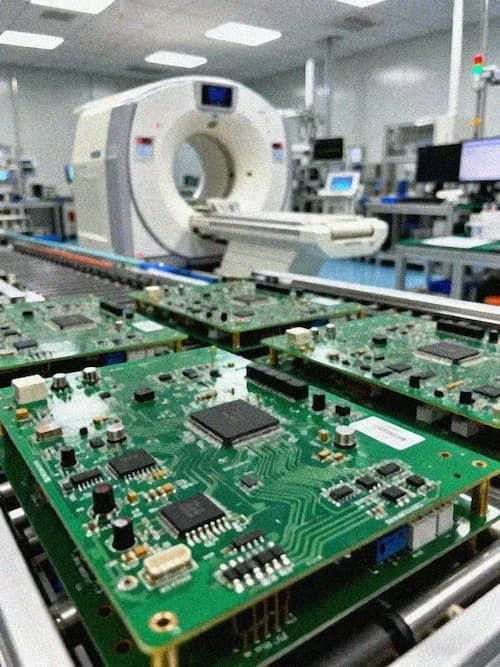
- Medical electronics: Portable diagnostic equipment, patient monitoring devices, and medical imaging system control boards
- Communication electronics: 5G base station RF modules, router core boards, and satellite communication components
- Aerospace and defense: On-board control modules, navigation systems, and ruggedized electronic equipment for harsh operating environments
Key Advantages
Professional SMT manufacturing delivers significant value for electronic product development and mass production:
- High Precision Processing: Delivers consistent mounting accuracy for fine-pitch components as small as 0.3mm pin/ball spacing, reducing soldering defects by more than 30% compared to conventional processes and improving product yield for high-density designs.
- Wide Adaptability: Accommodates a broad range of board sizes, thicknesses, component types, and special design requirements, eliminating the need for multiple suppliers for diverse assembly projects and reducing cross-supplier coordination costs.
- Reliable Environmental Performance: Conformal coating options and wide operating temperature support ensure products perform stably in harsh industrial, outdoor, and automotive operating conditions, extending service life by more than 40% compared to uncoated assemblies.
- Comprehensive Testing Coverage: Full-process inspection from incoming material verification to final functional testing ensures zero critical defects, reducing post-deployment failure rates and after-sales costs for end product manufacturers.
- Scalable Production Capacity: Adapts to both small-batch prototype verification (minimum 1 unit) and large-scale mass production (up to millions of units per month), with consistent quality control across all production volumes to support product iteration and market expansion.
Contact Information
If you have customized SMT manufacturing requirements for your electronic assembly project, you can reach out to the technical support team for a free project feasibility evaluation, customized quotation, and professional technical consulting service. The team will provide targeted solutions based on your design specifications, application scenarios, and production volume requirements to help you bring high-quality electronic products to market efficiently.