Overview
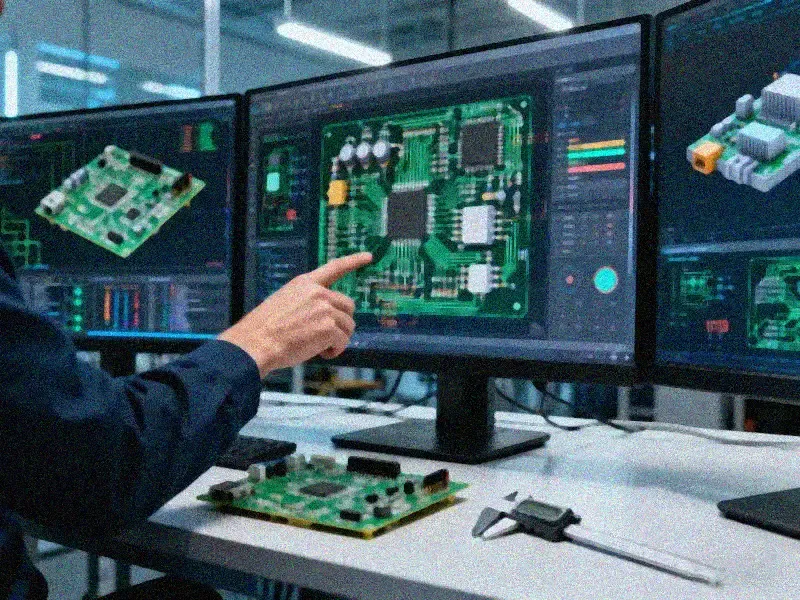
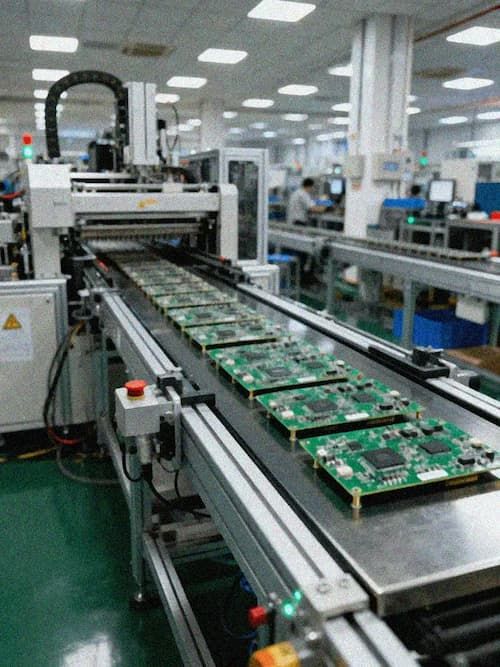
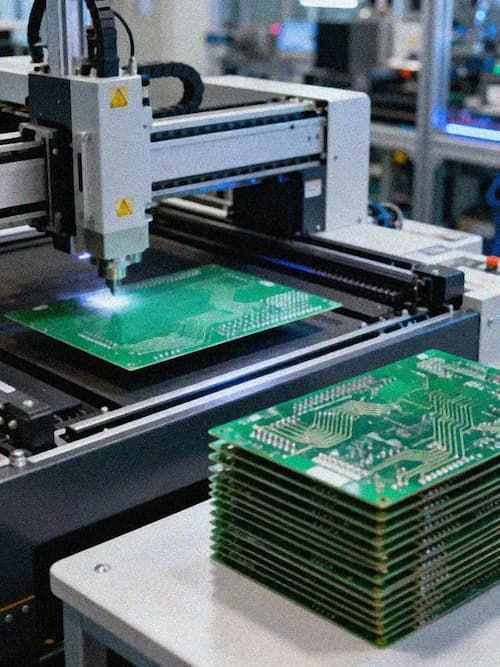
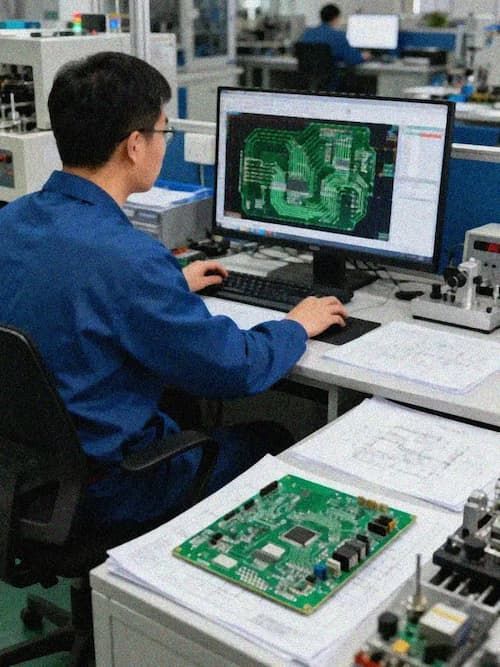
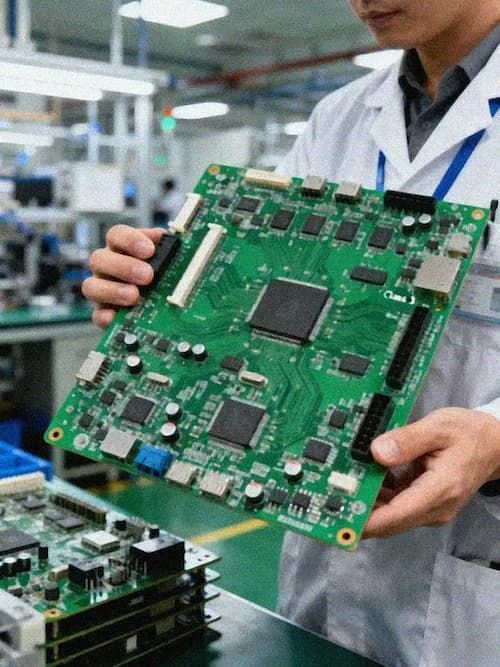
Small scale PCB manufacturing refers to low-volume PCB fabrication and assembly services tailored for prototype validation, pilot production, niche product manufacturing, and R&D testing scenarios where high minimum order quantities (MOQs) of mass production are not feasible or necessary. Unlike mass production that prioritizes cost efficiency for large batches, small scale PCB manufacturing focuses on precision, quick turnaround, and flexibility to support iterative design adjustments, ensuring that design flaws are identified and resolved early before scaling up to mass production, reducing overall project costs and time-to-market. It caters to industries that require strict adherence to technical specifications even for small batches, eliminating common pain points such as inconsistent prototype quality, incompatibility between prototype and mass production processes, and limited support for advanced circuit designs in low-volume runs.
Technical Capabilities
Fabrication Capabilities
- Dimension Support: Conventional PCB sizes range from a minimum of 50mm x 50mm to a maximum of 600mm x 450mm, with custom support for sizes smaller than 50mm x 50mm based on specific design constraints. Standard board thickness ranges from 0.5mm to 3mm, with specialized support for boards thinner than 0.5mm or thicker than 3mm for unique application requirements.
- Precision Control: Supports minimum line width/spacing as low as 2mil, with precise impedance control matching differential signal, high-speed transmission, and RF application requirements.
- Substrate Compatibility: Works with a wide range of substrate materials including FR-4, high-frequency laminates, metal core substrates, and rigid-flex composite materials to adapt to different environmental and performance needs.
Assembly Capabilities
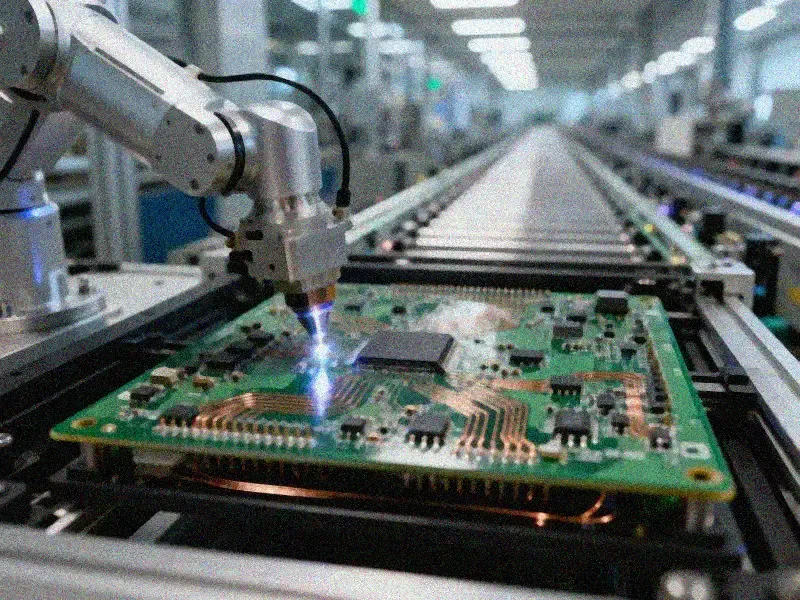
- SMT Assembly: Supports surface mount component packages as small as 01005 (0.3mm x 0.2mm), with conventional support for 0201 packages. Minimum pin pitch for multi-pin components including QFP, SOP, and SOJ reaches 0.3mm, with minimum ball pitch for CSP and BGA components also at 0.3mm. Double-sided assembly supports maximum component height of 25mm, with standard SMD component size up to 200mm x 125mm, and custom support for larger SMD components.
- DIP Assembly: Wave soldering process supports PCB sizes from 50mm x 50mm up to 500mm x 400mm, with support for smaller PCBs provided that bottom surface components are smaller than 5mm, and the distance between plug-in component pins and surface mount parts on the bottom layer is at least 2mm plus the thickness of the SMT part.
- Process Tolerance Control: Maintains a minimum placement accuracy of 0.5 pitch for all assembly processes, ensuring reliable soldering even for high-density circuit designs.
Special Process Support
Covers a wide range of advanced fabrication processes to meet custom design requirements, including:
- Blind and buried vias, stack vias, via-in-pad, and epoxy fill for high-density routing
- Metal core, rigid-flex, embedded copper, and embedded component designs for high-performance and space-constrained applications
- High-frequency hybrid substrate processing, back drilling, depth-controlled drilling, and laser cutting for high-speed and RF applications
- Half holes, countersinks, step slots, carbon ink printing, and mixed surface finish options for specialized functional requirements
Quality Standards
Small scale PCB manufacturing adheres to the same strict quality control protocols as mass production, ensuring consistent performance between low-volume runs and subsequent mass production batches. All processes comply with IPC-A-600, IPC-6012, and IPC-A-610 industry standards, with multi-stage testing implemented throughout the production process:
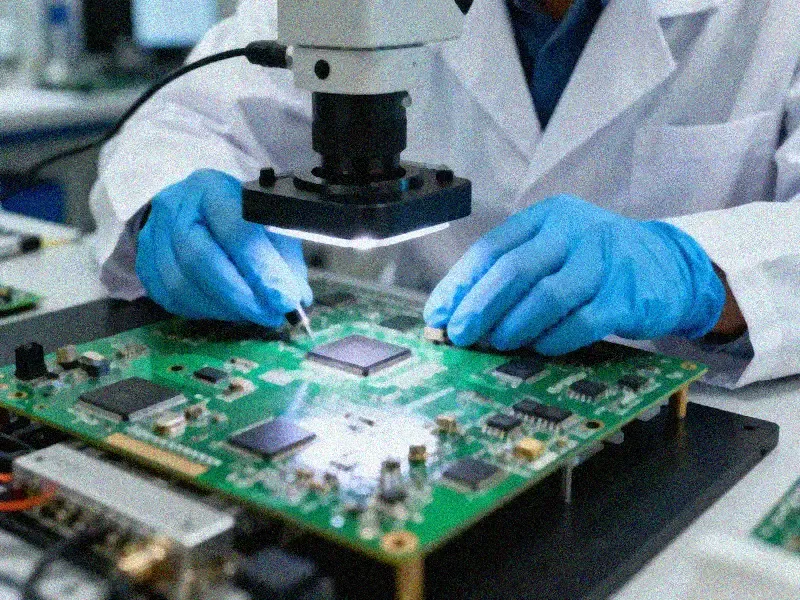
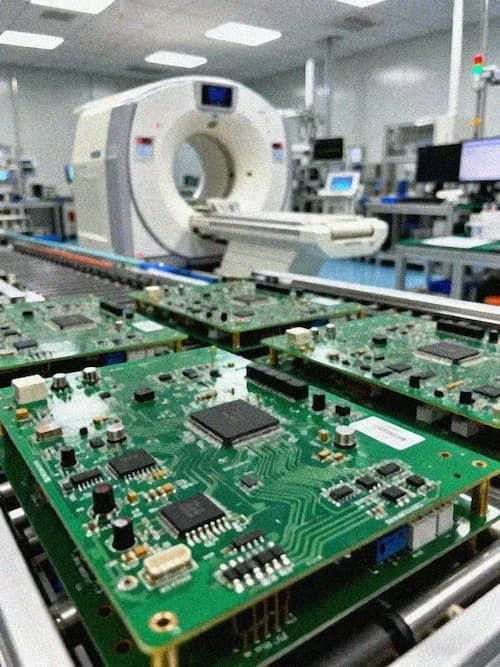
- In-line Testing: Automated Optical Inspection (AOI) is performed after fabrication and assembly to identify soldering defects, missing components, and alignment errors. X-ray non-destructive testing is conducted for BGA and CSP components to verify hidden solder joint quality.
- Performance Testing: Impedance testing, continuity testing, and functional testing are available on request to validate electrical performance matching design specifications.
- Reliability Testing: Optional environmental reliability testing including thermal shock testing, humidity testing, and vibration testing is available to verify product performance under harsh operating conditions, meeting industrial-grade application requirements. All batches are subject to 100% visual inspection before shipment, with detailed quality reports available on request for full traceability.
Applications
Small scale PCB manufacturing is widely used across industries that require low-volume, high-precision circuit boards, including:
- Medical Device R&D: Low-volume production of PCBAs for clinical trial equipment, diagnostic devices, and portable medical instruments, where strict quality compliance and design iteration speed are critical.
- Aerospace and Defense Prototype Testing: Production of high-reliability PCBs for avionics testing, satellite component validation, and defense equipment prototypes, requiring support for high-temperature, high-vibration, and high-frequency performance requirements.
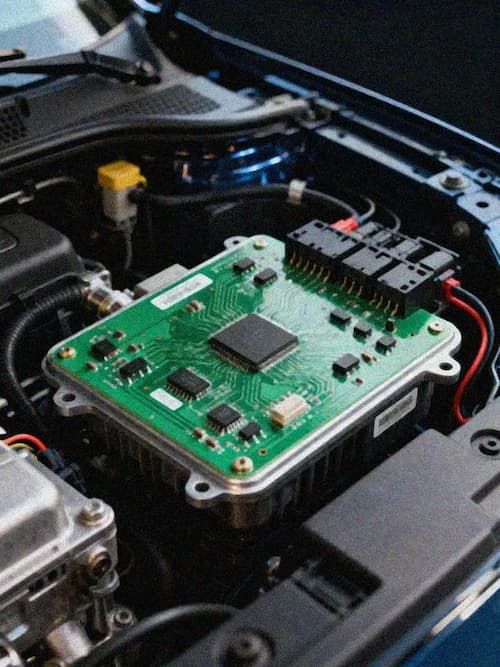
- Automotive Component Validation: Pilot production of PCBs for autonomous driving sensors, smart cockpit controllers, and power management systems, adhering to automotive industry quality standards for performance and reliability.
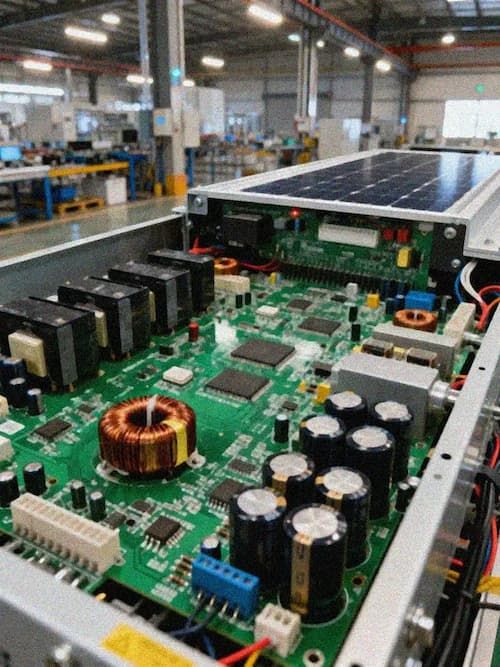
- Industrial Control Equipment: Small batch production of custom PCBs for specialized industrial automation systems, IoT edge nodes, and monitoring equipment, where demand for specific models is low but performance requirements are strict.
- Consumer Electronics Prototyping: Quick-turn prototype production for smart wearables, home automation devices, and portable electronics, supporting rapid design iteration and market validation before mass production.
- Academic and Research Projects: Low-volume production of custom PCBs for university research, startup product development, and experimental technology testing, with flexible support for custom and experimental design processes.
Key Advantages
- Flexible Order Quantities: No restrictive high minimum order requirements, supporting orders from 1 unit up to several thousand units to match prototype testing, pilot production, and niche product manufacturing needs.
- Fast Turnaround Times: Optimized production processes for low-volume runs enable standard lead times as short as 3-5 working days for prototype fabrication and assembly, with expedited services available for time-sensitive projects to reduce product development cycles.
- Design for Manufacturability (DFM) Support: Free DFM checks are provided for all designs before production, identifying potential manufacturing flaws and optimizing designs for both small batch production and future mass scaling, eliminating costly rework in later stages.
- Advanced Process Access: The same high-precision production equipment and specialized processes used for mass production are available for small scale runs, supporting complex designs including high-density routing, rigid-flex boards, and fine-pitch component assembly that are often not supported by low-end prototype services.
- Cost Efficiency: Customized production planning for low-volume runs avoids the high setup costs associated with mass production, reducing overall project costs for R&D and pilot production phases without compromising on quality.
Contact Information
If you have small scale PCB manufacturing requirements for prototype development, pilot production, or niche product runs, our technical team is available to provide free project evaluation, DFM feedback, and customized quotes tailored to your specific design needs. We support the full process from design optimization to final assembly and testing, ensuring your low-volume PCB projects meet all technical specifications and quality requirements.