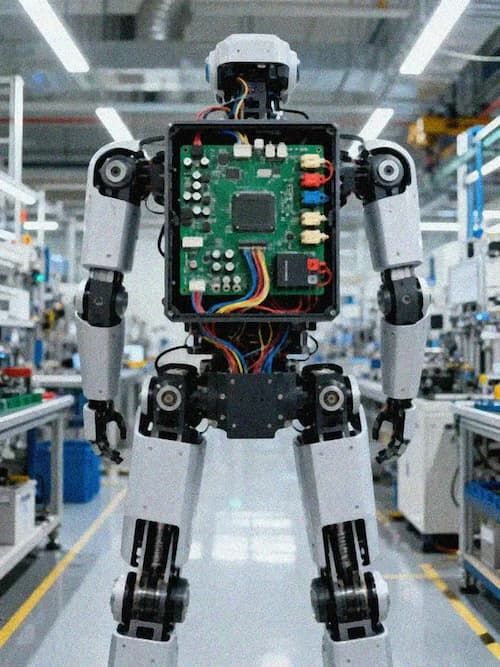
Overview
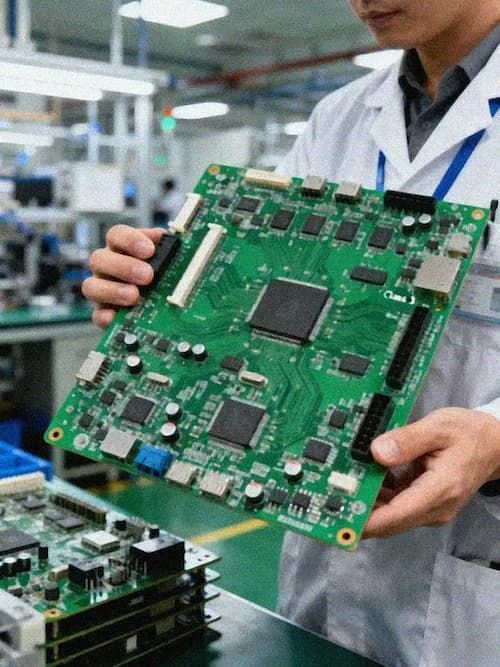
Rigid-flex PCB manufacturing is a specialized circuit production process that integrates rigid substrate layers and flexible circuit layers into a single integrated circuit board through lamination, drilling, metallization and other process steps. Compared with traditional rigid PCB + flexible cable combination solutions, rigid-flex PCBs eliminate the need for additional connectors, wiring harnesses and soldering points between different circuit modules, reducing assembly errors by more than 40% and saving up to 30% of internal device space, while significantly improving system anti-vibration performance and signal transmission stability.
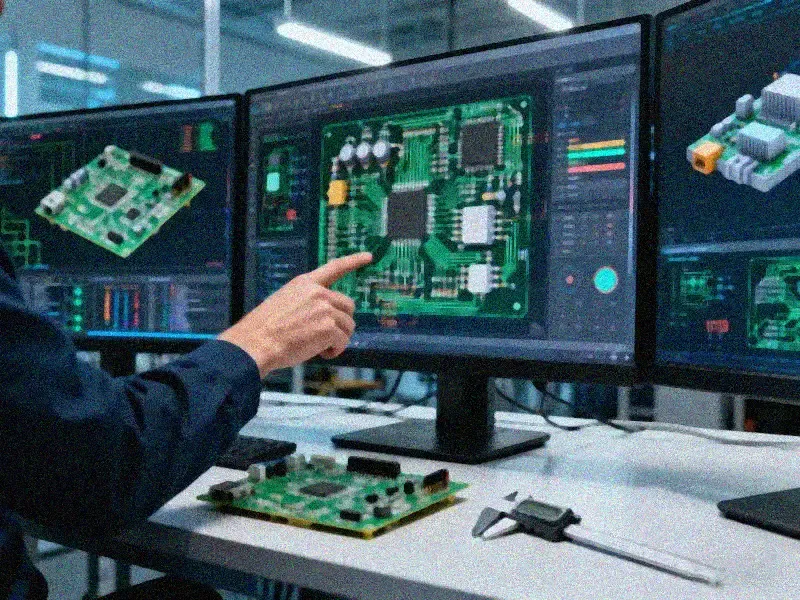
As electronic products continue to develop towards miniaturization, high-speed and multi-functional integration, rigid-flex PCBs have become the preferred circuit solution for high-end electronic scenarios that have strict requirements on space utilization, signal reliability and environmental adaptability. Professional rigid-flex PCB manufacturing services can meet the complex process requirements of multi-layer stack design, special material processing, high-precision impedance control and bending resistance performance optimization, effectively solving the common industry pain points of high prototype failure rate, poor mass production consistency and high manufacturing yield of high-complexity rigid-flex PCBs.
Technical Capabilities
Professional rigid-flex PCB manufacturing supports a full range of specification customization to meet the production requirements of different application scenarios, core technical capabilities include:
- High layer count stack design: Support up to 30 total layers for rigid-flex PCBs, with maximum 12 independent flexible layers, adapting to complex high-density routing requirements of multi-functional integrated systems, and supporting customized stack structure design according to bending angle, bending times and installation space requirements.
- High-speed signal transmission support: Compatible with 112Gbps high-speed signal transmission requirements, with targeted stack design and impedance matching to minimize signal attenuation, crosstalk and reflection loss, meeting the transmission needs of high-speed interfaces such as high-speed optical modules and 5G communication modules.
- Multi-material processing compatibility: Support processing of FR4, high-frequency mixed pressure, pure PTFE and other special materials, adapting to the performance demands of millimeter-wave radar, 5G coupler and other high-frequency and high-temperature resistant application scenarios.
- High-density integration process support: Support HDI rigid-flex PCB manufacturing up to 28 layers with any step design, compatible with IC substrate processing requirements of 2-layer and 4-layer specifications, adapting to miniaturized packaging demands of high-integration microelectronic devices.
- Customized size and parameter support: Maximum rigid board size up to 550mm1000mm, maximum 2-layer flex board size up to 2000200mm, maximum board thickness up to 12mm, with customizable trace width and spacing to match different product design requirements.
Quality Standards
Rigid-flex PCB manufacturing follows strict international industry quality standards and full process quality control system to ensure product reliability and consistency:
- High-precision impedance control: Achieve ±5% impedance control accuracy for 50Ω, 90Ω and 100Ω common impedance requirements, ensuring stable signal transmission for high-speed differential interfaces, high-bandwidth memory interfaces and other key signal paths.
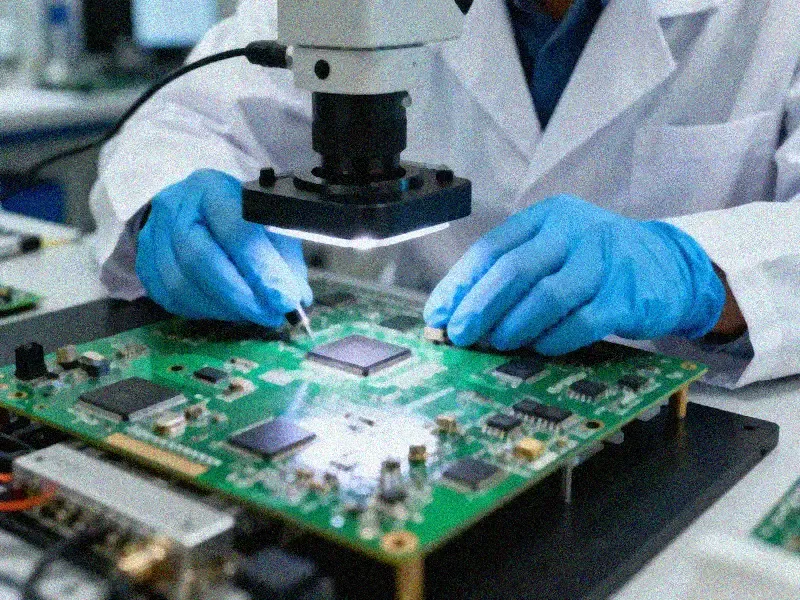
- Full-item reliability testing: All finished rigid-flex PCBs undergo 100% electrical performance testing, thermal shock testing, repeated bending resistance testing, salt spray testing and humidity resistance testing, ensuring stable operation in -40℃ to +85℃ industrial-grade temperature environments.
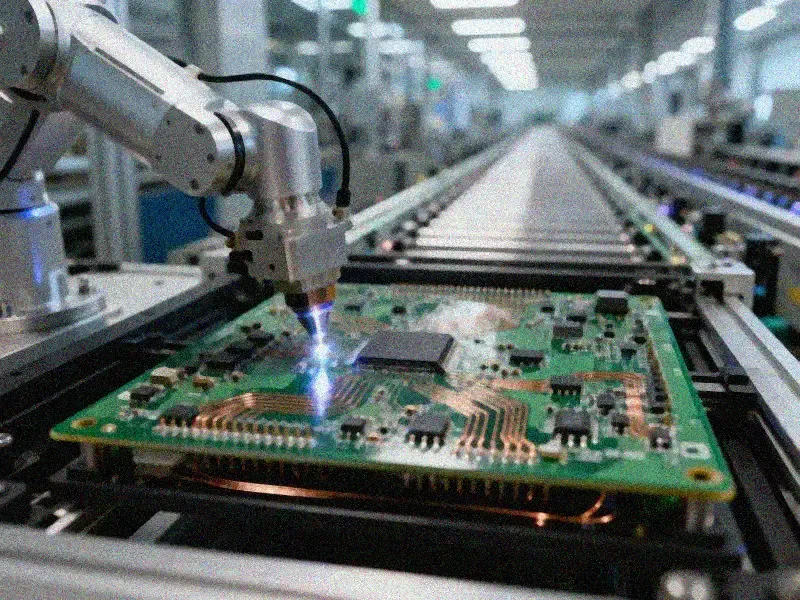
- Full process traceability management: The whole production process covers material incoming inspection, lamination parameter control, laser drilling accuracy verification, electroplating thickness testing and other key control links, with a process traceability system that can trace every production parameter of each batch of products, ensuring product yield rate above 98% for mass production of conventional rigid-flex PCBs.
- Industry compliance certification: Products comply with RoHS, REACH and other international environmental protection requirements, and meet the quality access standards of automotive, medical, aerospace and other high-standard application fields.
Applications
Rigid-flex PCB manufacturing solutions are widely applicable to multiple high-end electronic fields, including but not limited to:
- 5G communication equipment: High-speed optical modules, 5G couplers, base station signal processing units, portable 5G communication terminals, etc.
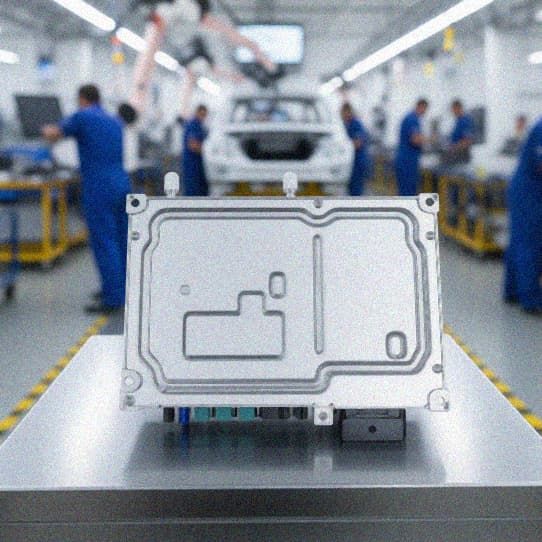
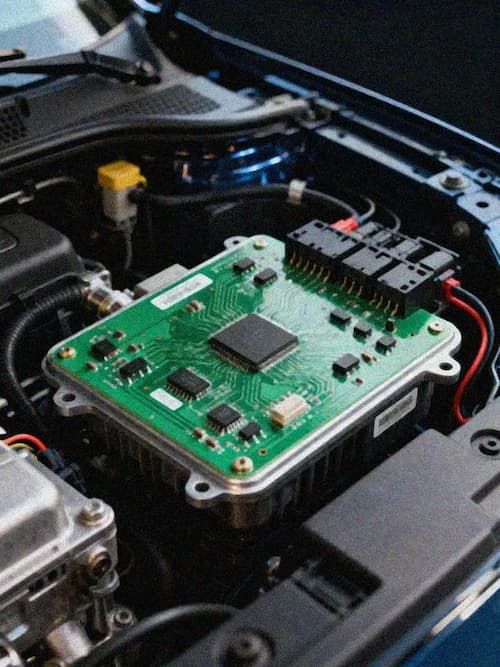
- Automotive electronics: Millimeter-wave radar, autonomous driving domain controllers, smart cockpit core control components, vehicle-mounted perception system circuit boards, etc.
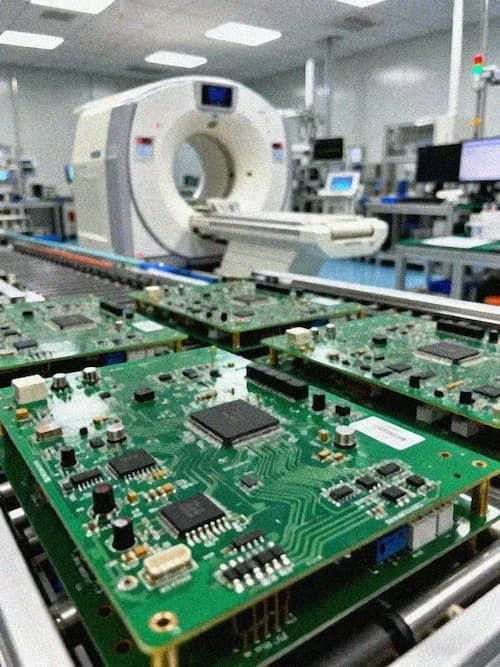
- Medical devices: Portable diagnostic equipment, implantable medical devices, medical imaging system core boards, wearable medical monitoring devices, etc.
- Aerospace and defense: Avionics system circuit boards, portable military communication equipment, satellite signal receiving modules, etc.
- Consumer electronics: Foldable smart terminals, high-performance cameras, wearable smart watches, AR/VR devices, etc.
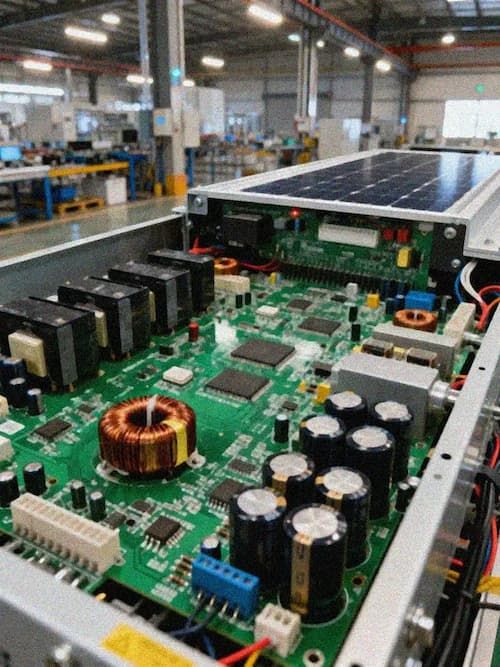
- Industrial control: Industrial edge computing nodes, portable industrial testing equipment, intelligent robot control systems, etc.
Key Advantages
Choosing professional rigid-flex PCB manufacturing services can bring significant value to your product development and mass production:
- Full process service coverage: Provide one-stop service from stack design optimization, prototype manufacturing, small batch trial production to large-scale mass production, reducing cross-stage communication costs, shortening product R&D and market launch cycles by 30% on average.
- Customized solution support: Provide targeted design and manufacturing solutions according to different application scenario requirements, including material selection, stack optimization, bending resistance design and other personalized services, fully matching product performance and cost control demands.
- Advanced process equipment support: Equipped with high-precision laser drilling, laser direct imaging, X-ray non-destructive testing and other advanced production and testing equipment, ensuring the manufacturing accuracy and consistency of high-complexity rigid-flex PCBs.
- Cost-effective production support: Optimize process flow and material utilization rate according to order volume, providing competitive pricing for both prototype small batch orders and large-scale mass production orders, without compromising product quality.
Contact Information
If you have rigid-flex PCB manufacturing needs for prototype verification, small batch trial production or large-scale mass production, you are welcome to contact our professional technical team at any time. We will provide you with free technical feasibility evaluation, customized solution design and transparent quotation services according to your specific requirements, supporting you to launch high-quality electronic products efficiently.