Overview
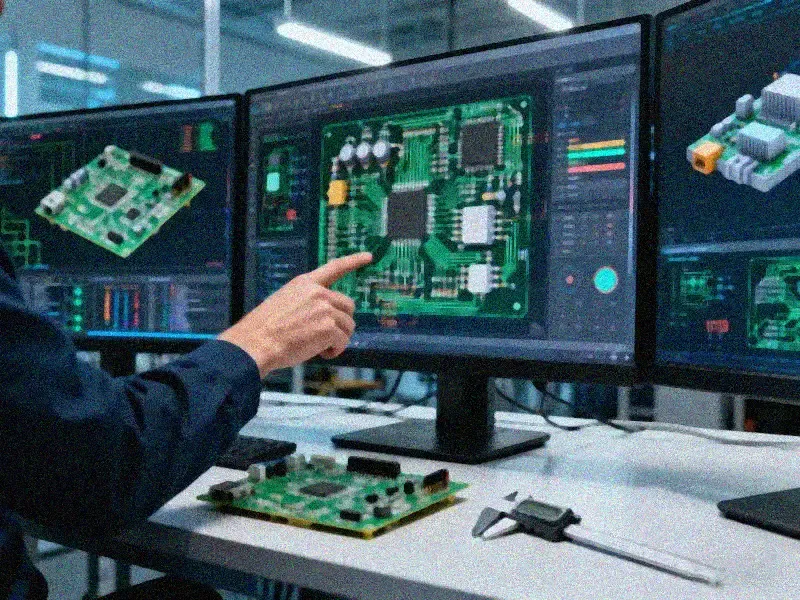
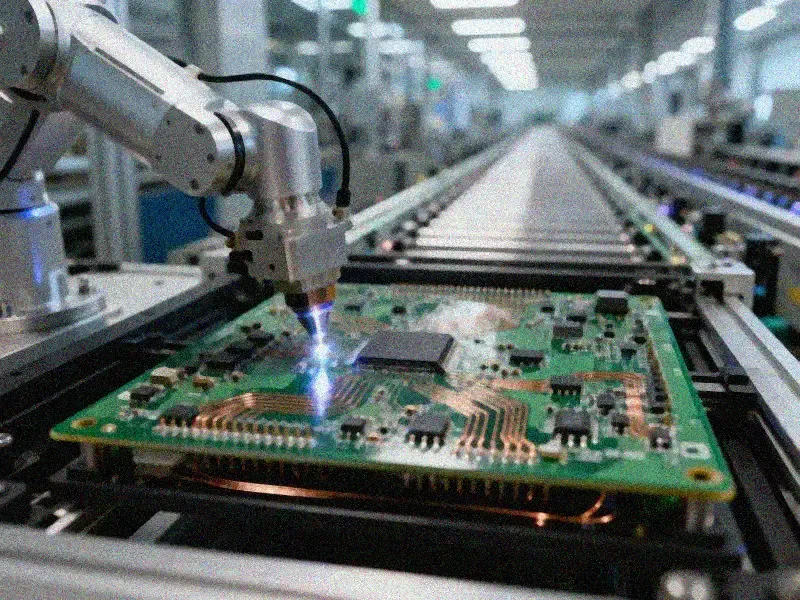
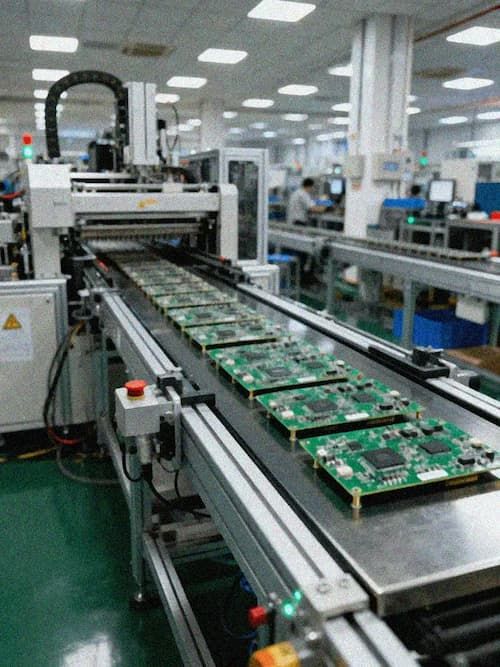
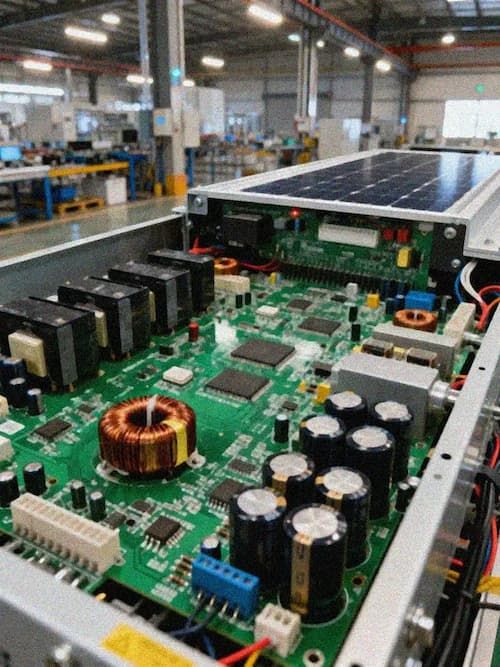
Rigid flex PCB assembly is a specialized circuit manufacturing solution that integrates rigid substrate sections for component mounting and flexible substrate sections for dynamic bending or space-saving interconnection. It solves the core limitations of pure rigid PCBs (poor structural adaptability) and pure flexible PCBs (insufficient support for high-density component mounting), making it the preferred choice for high-integration electronic devices that require both compact design and stable performance. The end-to-end assembly service covers circuit board fabrication, component sourcing, SMT mounting, through-hole welding, performance testing, and other full-process links, adapting to the needs of different project stages from R&D verification to large-scale mass production, and addressing industry pain points such as signal integrity loss in compact spaces, low welding yield of flexible sections, and poor reliability under harsh working conditions.
Technical Capabilities
The rigid flex PCB assembly process covers a wide range of technical specifications to meet the diversified design requirements of different industries:
- Layer Stacking Support: Supports rigid-flex PCB assembly with up to 30 total layers and up to 12 flexible layers, compatible with mixed stack designs including FR4, high-frequency PTFE, and HDI structures, adapting to high-density routing requirements of high-integration devices.
- High-Speed Signal Adaptation: Supports signal transmission speeds up to 112Gbps, with high-precision impedance control to minimize signal reflection, crosstalk, and attenuation, meeting the low-latency, high-bandwidth data transmission demands of high-end electronic equipment.
- Manufacturing Precision Capabilities: Supports micro trace width/space specifications, laser drilling for micro-vias as small as 0.06mm, and maximum board thickness up to 12mm, adapting to complex mounting requirements of high-density chips and special-shaped components.
- Substrate and Component Compatibility: Compatible with a wide range of substrate materials including high-frequency mixed pressure, pure PTFE, heavy copper, and embedded component substrates (embedded capacitors, resistors, active components), supporting custom design requirements for special application scenarios.
- Flexible Production Scale Support: No minimum order quantity requirements, covering fast prototyping, small-batch trial production, and large-scale mass production, adapting to different project cycle and scale demands.
- Special Structure Adaptation: Supports processing of special structures such as buried copper blocks, buried ceramic substrates, and semi-flexible sections, meeting the customized needs of special functional devices.
Quality Standards
Rigid flex PCB assembly processes strictly follow IPC-A-610 and related international electronic manufacturing standards, with full-process quality control covering incoming material inspection, production process monitoring, and finished product verification:
- Incoming Material Inspection: All substrates, components, and auxiliary materials are tested for performance and consistency before entering the production line, including substrate thickness test, copper foil adhesion test, component authenticity and parameter verification, eliminating material-related defects in advance.
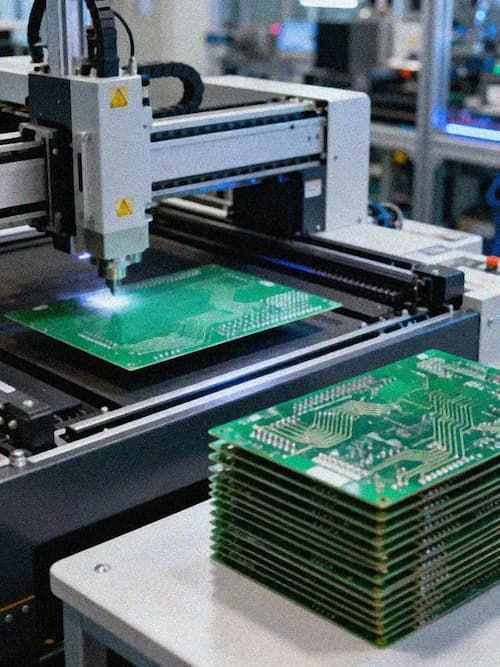
- Production Process Monitoring: Real-time monitoring of SMT mounting, through-hole welding, and flexible section protection processes, with specialized fixture design to avoid folding or scratching of flexible circuit layers during processing, and temperature curve control during welding to ensure solder joint quality.
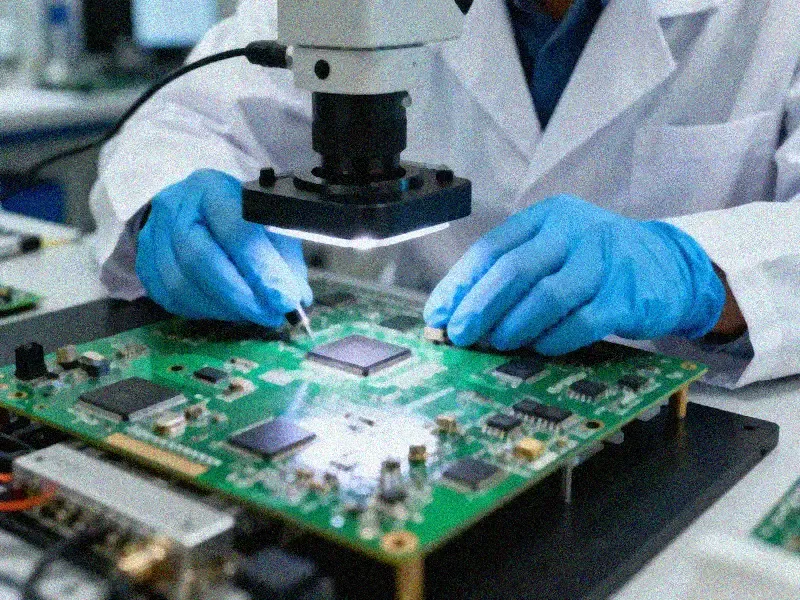
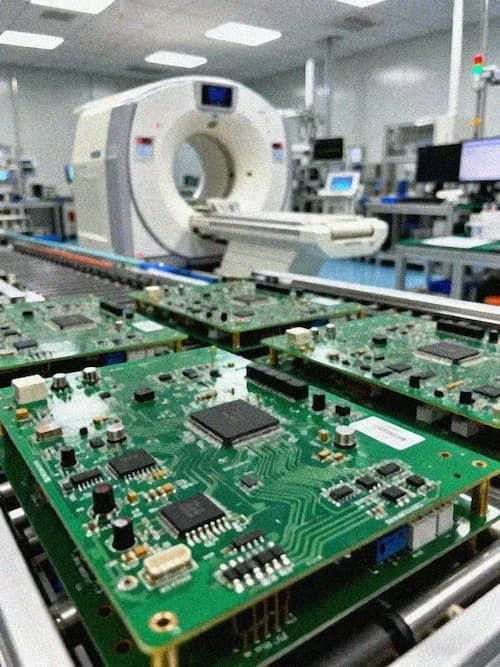
- Finished Product Verification: Full coverage testing including X-Ray non-destructive testing of solder joints, impedance testing, signal integrity testing, bending cycle testing, and high/low temperature reliability testing, ensuring products meet design performance requirements and long-term operation stability.
Applications
Rigid flex PCB assembly solutions are widely used in scenarios that require both structural flexibility and high circuit performance, including but not limited to:
- Communication Equipment: 5G couplers, high-speed optical modules, millimeter-wave radar devices, base station core control units, supporting high-bandwidth, low-latency signal transmission needs of communication networks.
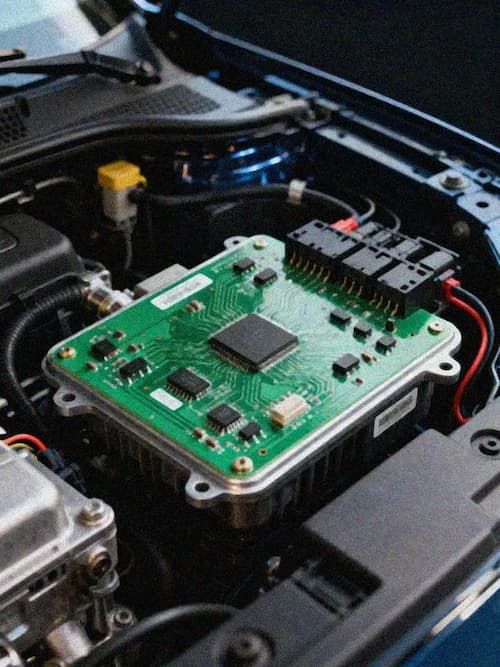
- Automotive Electronics: Autonomous driving domain controllers, smart cockpit core units, in-vehicle perception systems, new energy vehicle power management modules, adapting to wide temperature ranges, vibration-resistant and long-life operating requirements of automotive scenarios.
- Medical Devices: Portable diagnostic equipment, implantable medical devices, surgical robotic control systems, meeting high biocompatibility, miniaturization and high reliability requirements of medical scenarios.
- Industrial Control Equipment: Industrial IoT edge nodes, robotic arm control units, harsh environment monitoring terminals, supporting long-term stable operation in high dust, high vibration, and wide temperature industrial environments.
- AI and High-End Consumer Electronics: AI edge computing devices, wearable smart devices, aerospace electronic systems, adapting to compact space and high integration design demands.
Key Advantages
- Full-Process Customization Support: Covers stack design, material selection, component sourcing, assembly, and testing, providing tailored solutions based on specific application scenario requirements, balancing product performance and production cost effectively.
- High Yield Assurance: Mature processing technology for rigid-flex combination structures, with specialized protection processes for flexible circuit sections during assembly, effectively reducing production defects and improving overall product yield, lowering the comprehensive cost of mass production.
- Fast Turnaround Capability: Optimized production processes for prototyping and small-batch orders, supporting fast delivery to shorten project R&D cycles and help products go to market faster.
- Reliable Performance Guarantee: Products pass strict environmental reliability testing, supporting stable operation in temperature ranges from -40℃ to +85℃, and meeting the service life requirements of various industrial-grade and consumer-grade products.
Contact Information
If you have rigid flex PCB assembly requirements, whether for early R&D prototyping, small-batch trial production, or large-scale mass production, you can contact our technical support team at any time. We will provide you with free technical evaluation, customized solution quotation, and professional after-sales support to meet your project's performance and schedule requirements.