Overview
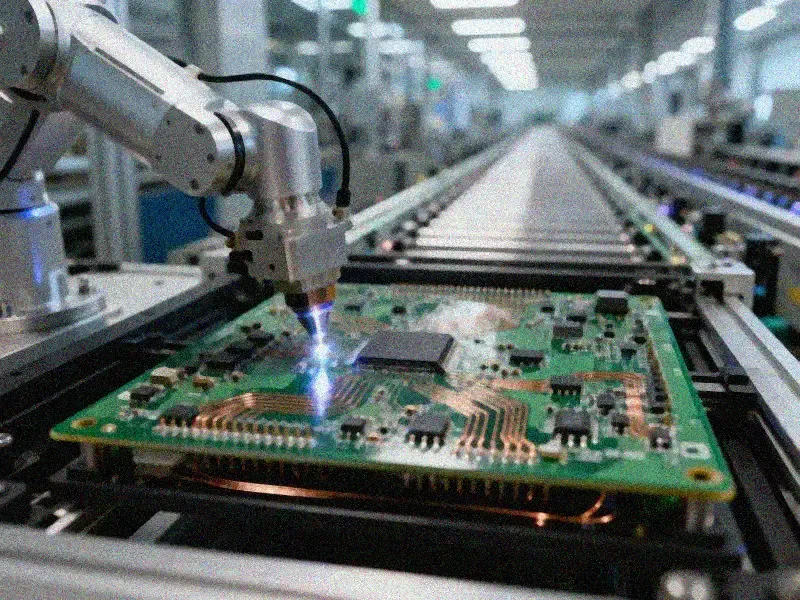
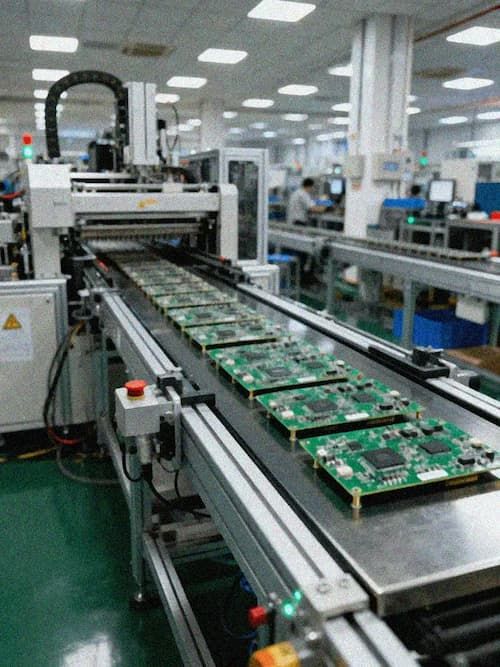
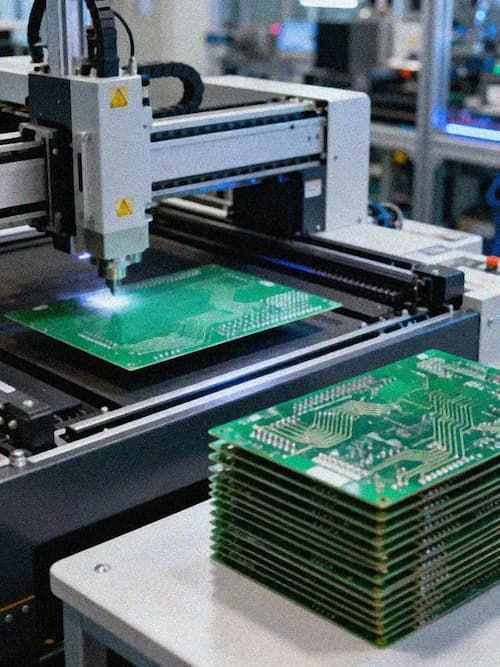
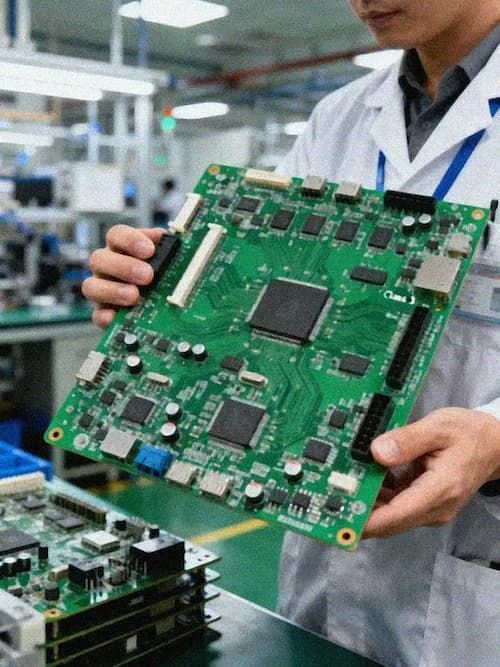
Flex PCB assembly is a core manufacturing process for compact, flexible electronic devices that require bendable, space-saving circuit solutions. Unlike rigid PCB assembly, flex circuit assembly requires specialized material handling, soldering processes, and alignment controls to accommodate thin, pliable polyimide or PET substrates, which are prone to warping, stretching, and thermal damage during reflow and wave soldering. High-quality flex PCB assembly addresses key industry challenges including fine-pitch component placement accuracy, solder joint reliability for dynamic use cases, and compliance with strict dimensional tolerance requirements for miniature electronics. End-to-end flex assembly solutions cover design for manufacturing (DFM) consultation, component sourcing, SMT and through-hole assembly, functional testing, and reliability validation, adapting to project requirements ranging from quick-turn prototyping to high-volume mass production.
Technical Capabilities
Professional flex PCB assembly services support a wide range of design specifications to accommodate diverse application needs, with core capabilities including:
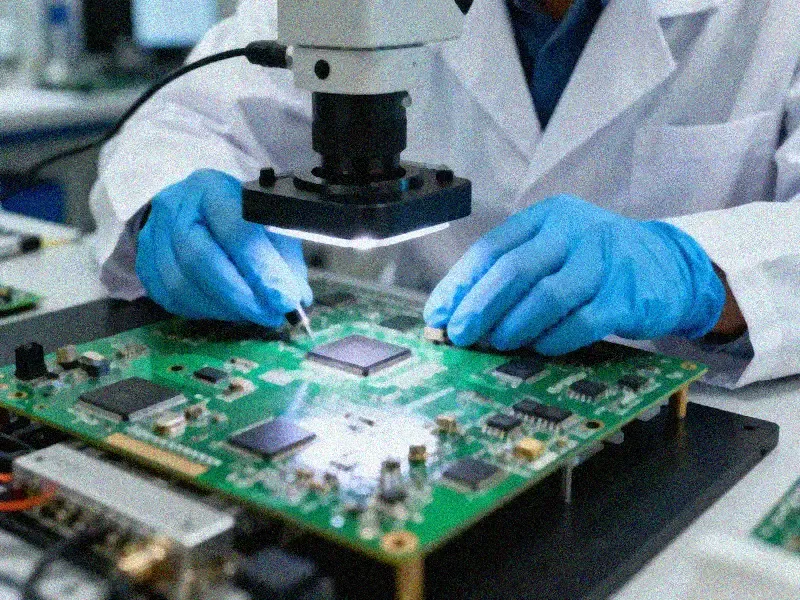
- High-Precision Component Placement: Supports minimum component packages as small as 01005 (0.3mm*0.2mm), with minimum pin pitch down to 0.3mm for QFP, SOP, SOJ and other polypod devices, and minimum ball pitch of 0.3mm for CSP and BGA components, ensuring accurate placement for high-density flex circuit designs used in wearable and medical electronics.
- Flexible Board Size Compatibility: Accommodates unconventional flex PCB sizes up to 600mm (length) * 450mm (width) for semi-automatic printing processes, with through-hole (wave soldering) processes supporting standard board sizes from 50mm50mm up to 500mm400mm. For boards smaller than 50mm*50mm, specialized processes are available that meet requirements including bottom surface component height under 5mm and minimum 2mm clearance between plug-in component pins and SMT parts, adapting to both miniature medical implants and large-format industrial flex sensor arrays.
- Wide Component Dimension Support: Handles surface mount device (SMD) sizes up to 200mm*125mm, standard component thickness ranging from 0.5mm to 3mm, and double-sided assembly with maximum component height up to 25mm, supporting diverse component configurations for complex flex and rigid-flex designs.
- Rigorous Process Control: Enforces minimum 3mm clearance between surface components, mark points and board edges to avoid soldering defects and alignment errors, with specialized reflow profiles optimized for flex substrate thermal resistance to minimize warping and material damage during assembly.
Quality Standards
All flex PCB assembly processes adhere to global industry quality standards to ensure long-term reliability and performance, even in harsh operating environments. Key quality control measures include:
- Compliance with IPC-A-610 Class 2 and Class 3 acceptance criteria for electronic assemblies, with optional Class 3A certification for medical and aerospace applications
- 100% automated optical inspection (AOI) post-soldering to identify solder bridges, cold joints, and component misalignment defects
- X-ray non-destructive testing for hidden BGA, CSP and flip-chip joints, ensuring 100% joint integrity for high-density packages
- Optional reliability testing including flex cycle testing, temperature cycling (-40°C to +85°C), humidity resistance testing, and vibration testing to validate performance for dynamic use cases
- Strict process control to maintain DPMO (defects per million opportunities) rates below 50 for high-volume production runs, minimizing field failure risks for end products.
Applications
High-precision flex PCB assembly solutions are suitable for a wide range of industries and use cases that require compact, flexible circuit designs:
- Wearable Consumer Electronics: Smart watches, fitness trackers, AR/VR headsets, and flexible display devices that require lightweight, bendable circuits to fit ergonomic form factors
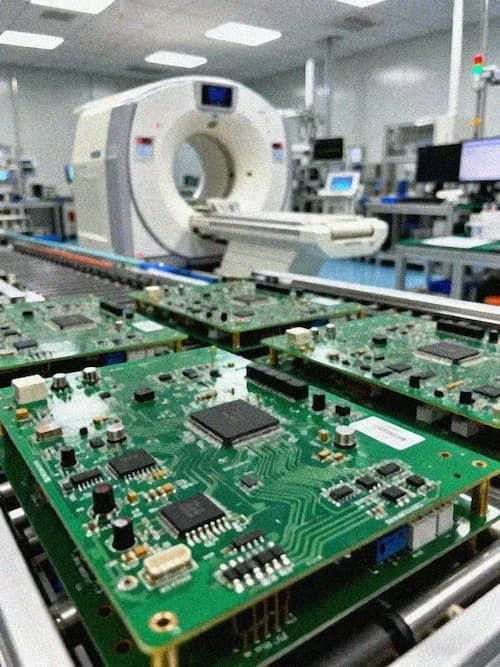
- Medical Devices: Portable diagnostic tools, implantable health monitors, surgical endoscope cameras, and wearable patient monitoring systems that demand biocompatible materials and high reliability
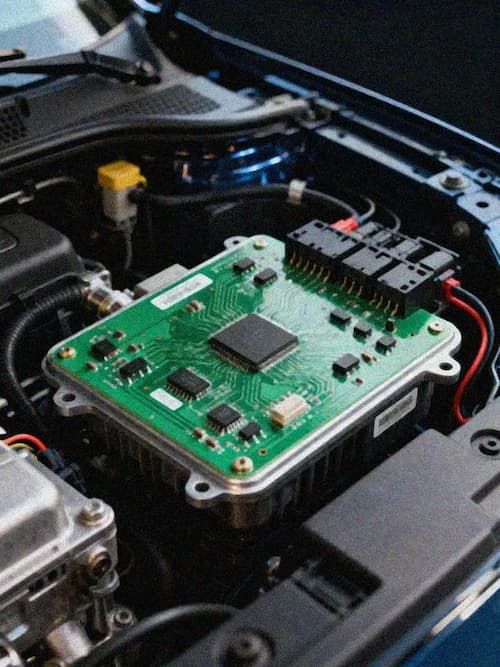
- Automotive Electronics: ADAS sensor modules, in-vehicle infotainment systems, electric vehicle battery management systems, and hinge-mounted control circuits for foldable vehicle displays
- Aerospace and Defense: Avionics control systems, satellite communication modules, rugged field communication devices, and flexible antenna arrays that require vibration and temperature resistance
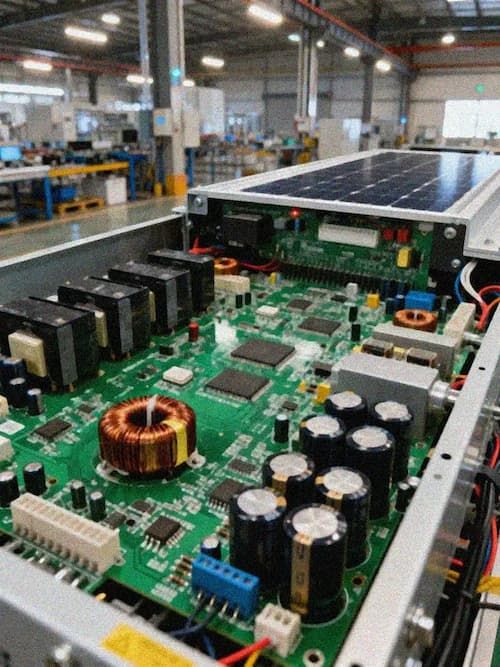
- Industrial Automation: Flexible sensor arrays for production line monitoring, robotic arm control circuits, and IoT edge nodes that need to fit into tight equipment enclosures
- Consumer Electronics: Foldable smartphones, laptop hinge assemblies, compact camera modules, and wireless earbud charging circuits that require high-density, space-saving designs.
Key Advantages
Choosing a professional flex PCB assembly service delivers multiple technical and operational benefits for electronic product development:
- DFM Optimization Support: Pre-assembly design for manufacturing reviews identify potential issues related to component clearance, solder pad design, substrate flex stress, and bend radius requirements, reducing rework rates by up to 30% and shortening production lead times by an average of 2-5 days.
- Scalable Production Capacity: Adapts to production volumes ranging from 1-piece quick-turn prototyping runs to high-volume mass production of 100,000+ units, with consistent process quality and tolerance control across all batch sizes.
- Enhanced Reliability for Dynamic Use Cases: Specialized soldering profiles, low-stress material handling processes, and optional conformal coating services minimize stress on thin flex substrates, ensuring assemblies retain full functionality even after 10,000+ flex cycles, suitable for applications requiring repeated bending or long-term vibration exposure.
- Full-Process Traceability: End-to-end traceability for all components and process steps, including lot number tracking for electronic components, soldering temperature logs, and testing records, enabling full visibility into production history for compliance with regulated industries such as medical, automotive, and aerospace.
- Customizable Testing Protocols: Offers tailored testing solutions based on project requirements, including in-circuit testing (ICT), functional testing (FCT), impedance testing, and environmental reliability testing, eliminating the need for third-party testing and reducing overall project costs.
Contact Information
If you have flex PCB assembly requirements, including prototyping, small-batch trial production, or large-scale mass manufacturing, please reach out to our technical support team. We offer free, no-obligation technical evaluations, DFM reviews, and customized quotes tailored to your specific project specifications and application requirements.