Overview
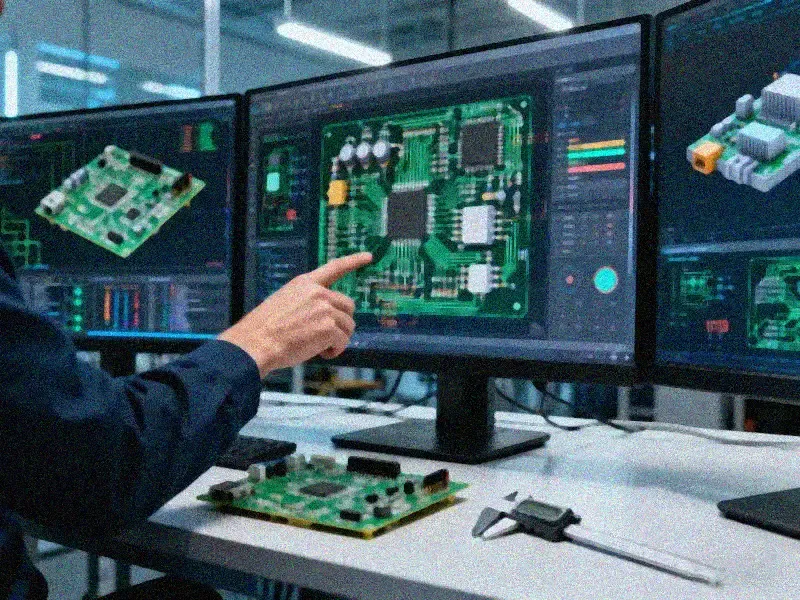
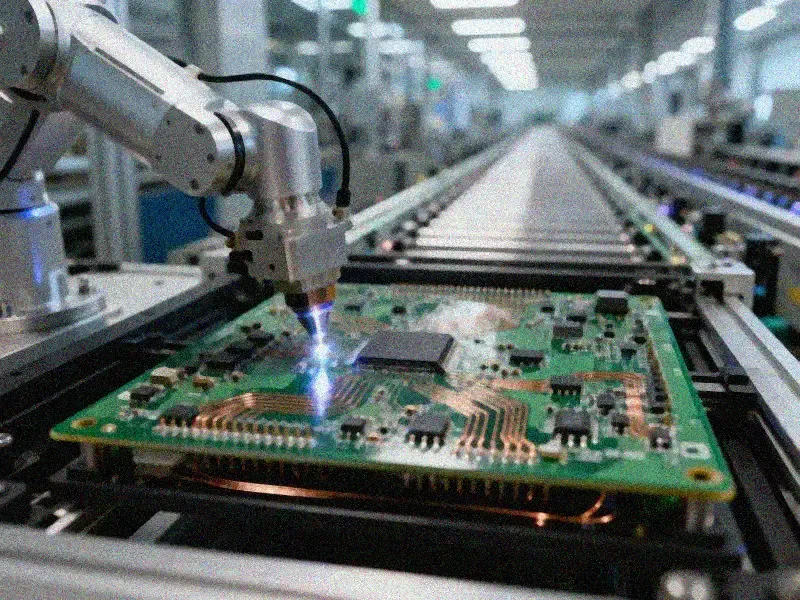
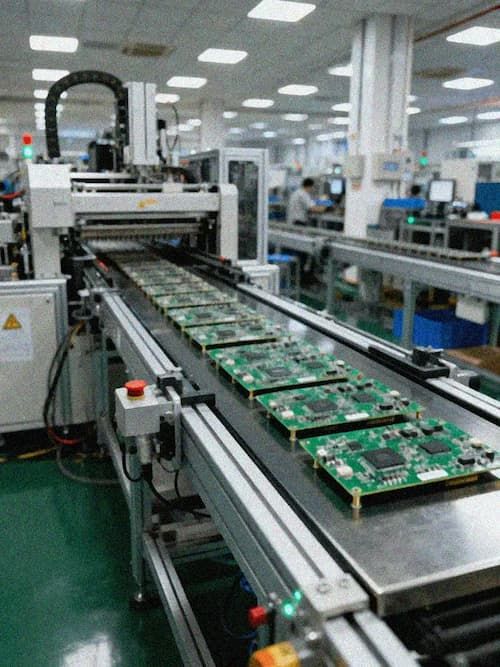
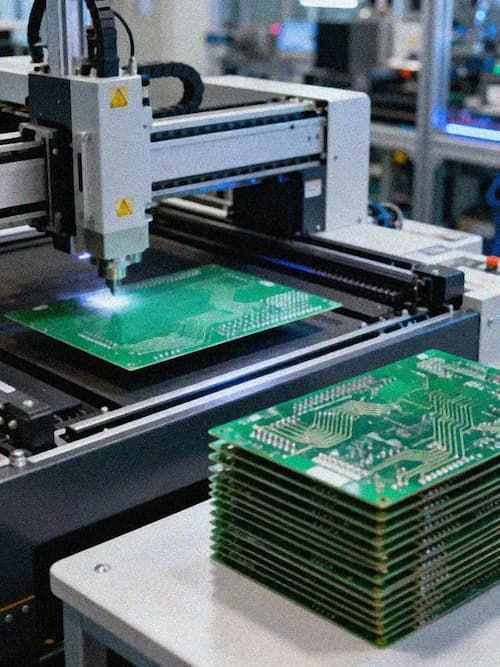
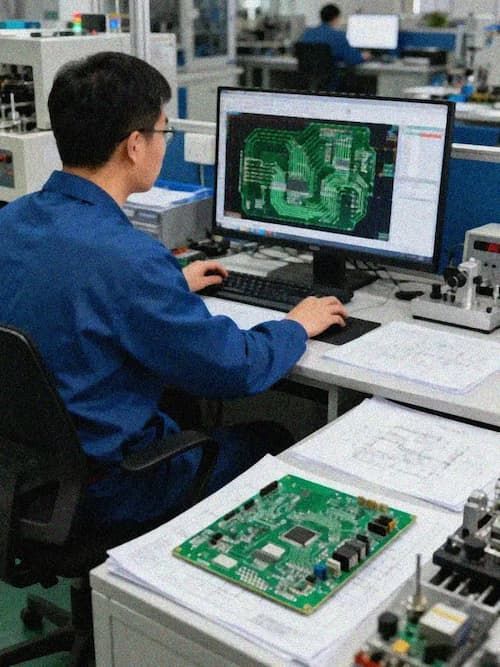
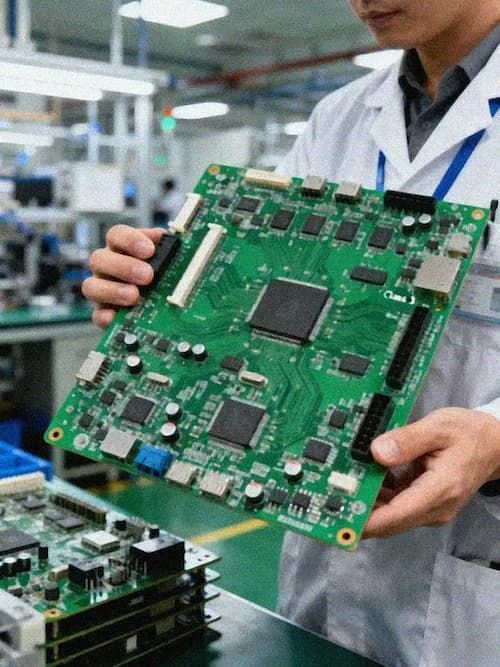
Pick and place PCB assembly is the core automated process of surface mount technology (SMT) manufacturing, responsible for accurately placing miniature surface mount components (SMDs) onto bare printed circuit boards before soldering. As electronic products continue to miniaturize and integrate more functions, the demand for high-precision, high-reliability pick and place assembly has become increasingly critical, especially for high-density designs with hundreds to thousands of components per board. Modern pick and place assembly services cover the full end-to-end workflow, including solder paste printing, component feeding, automated placement, reflow soldering, post-soldering inspection, and functional testing, adapting to project demands ranging from low-volume prototyping to high-volume mass production across multiple industries. The process directly impacts the overall yield, performance, and service life of electronic products, making it essential to rely on solutions with proven technical capabilities and strict quality control systems for complex assembly projects.
Technical Capabilities
Our pick and place PCB assembly solutions are optimized to support a wide range of component, board, and process requirements, including:
- Component Placement Accuracy & Compatibility: Supports minimum component package sizes down to 01005 (0.3mm0.2mm), with standard support for 0201 (0.6mm0.3mm) packages. For multi-pin components including QFP, SOP, and SOJ, it accommodates minimum pin pitches as low as 0.3mm. For high-density interconnection components including CSP and BGA, it supports minimum ball pitches down to 0.3mm, meeting the assembly requirements of cutting-edge high-integration electronic designs.
- Board Size Adaptability: Accommodates SMD board sizes from small-format (minimum 50mm50mm for standard wave soldering processes, with custom support for sizes below 50mm50mm that meet specific component clearance requirements) to large-format boards up to 600mm450mm. Unconventional PCB sizes are supported via semi-automatic printing equipment for boards up to 450mm400mm, covering both standard and custom form factors.
- Component & Process Thickness Support: Adapts to component thicknesses ranging from below 0.5mm to above 15mm, with double-sided process device height support up to 25mm. All processes comply with the requirement of minimum 3mm clearance between top-surface components, mark points and board edges to avoid process damage and placement errors.
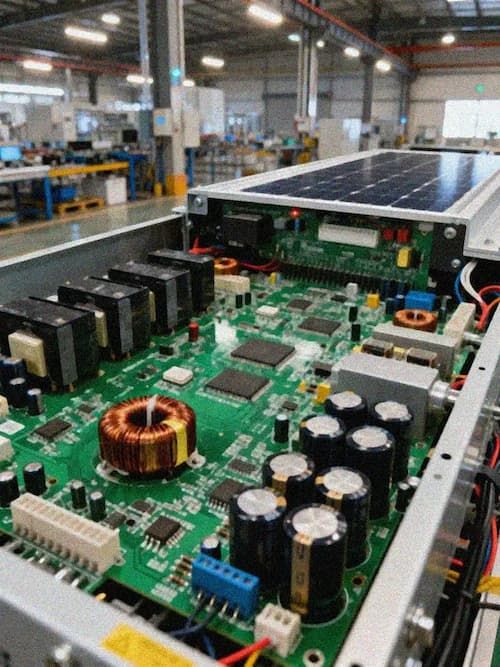
- Mixed SMT & DIP Assembly Support: Combines automated SMT pick and place with wave soldering DIP processes, meeting mixed assembly requirements for through-hole and surface mount components. It follows strict clearance rules requiring the distance between through-hole component pins and bottom-surface SMT parts to exceed SMT component thickness by at least 2.0mm, eliminating soldering defects and cross-process interference.
- Diverse Board Material Compatibility: Supports assembly for all common and specialized PCB types, including single/double-sided boards, multilayer boards, HDI boards, rigid-flex boards, heavy copper boards, high-frequency hybrid boards, high-speed backboards, metal core boards, ceramic PCBs, IC substrates, mini LED backlight boards, semi-flexible boards, and buried copper/ceramic boards, adapting to the needs of niche and specialized electronic products.
Quality Standards
All pick and place PCB assembly processes follow strict multi-stage quality control frameworks to ensure consistent, high-yield results:
- Pre-Assembly Verification: Automated solder paste inspection (SPI) is conducted to ensure uniform solder paste deposition and thickness, with 100% pre-placement component verification to avoid wrong part, polarity, or package errors before placement begins.
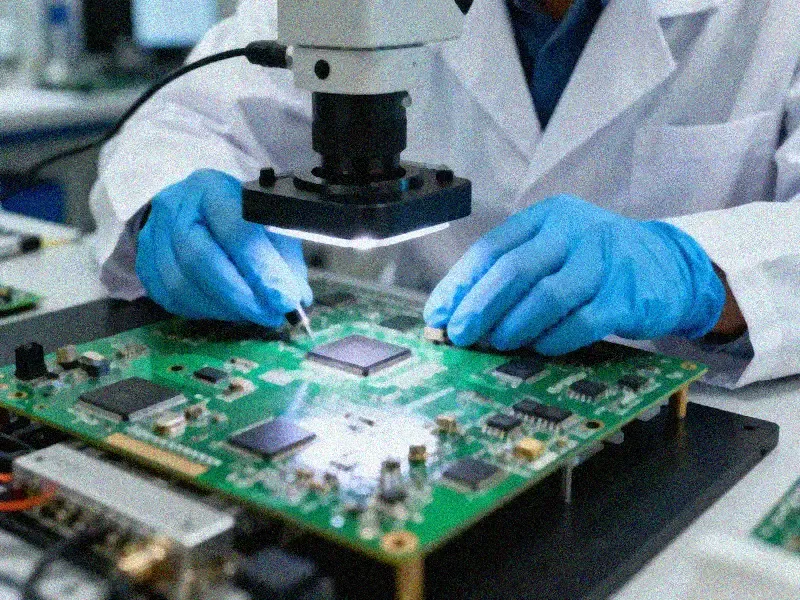
- In-Process Quality Control: Real-time placement accuracy monitoring is implemented during the pick and place process, with automated optical inspection (AOI) conducted immediately after reflow soldering to identify visible defects including misalignment, tombstoning, and solder bridging. X-ray inspection is performed for hidden solder joints of BGA and CSP components to eliminate voiding, cold soldering, and misalignment defects that are not visible to optical systems.
- Post-Assembly Testing: Optional functional testing (FCT), in-circuit testing (ICT), and environmental reliability testing including thermal shock, vibration, and humidity testing are available to validate assembly performance under harsh operating conditions, ensuring products meet industry-specific reliability requirements.
- Yield Optimization: Strict process parameter tuning is carried out for each individual project, achieving over 99.5% placement accuracy for standard components and over 99% yield for high-density complex assemblies, reducing rework costs and shortening project lead times.
Applications
High-precision pick and place PCB assembly solutions are widely used across a broad range of electronic manufacturing sectors, including:
- Consumer Electronics: Smartphones, wearable devices, wireless earbuds, portable chargers, and home entertainment devices with miniaturized 01005 component requirements
- Industrial Electronics: Industrial controllers, sensor modules, power supply units, and industrial IoT gateways requiring heavy copper board and high-temperature resistant assembly
- High-Speed & High-Frequency Products: 5G communication modules, server backboards, satellite communication equipment, and high-speed data transmission devices with BGA and CSP high-pitch component requirements
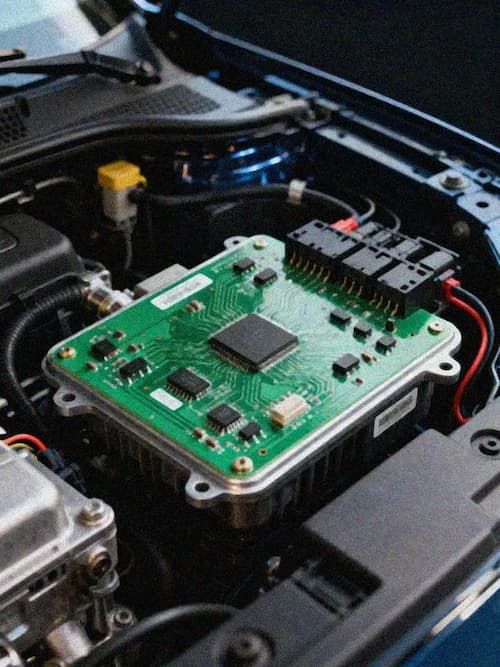
- Automotive Electronics: ADAS perception modules, smart cockpit control units, and automotive power management systems requiring high reliability and wide temperature adaptation
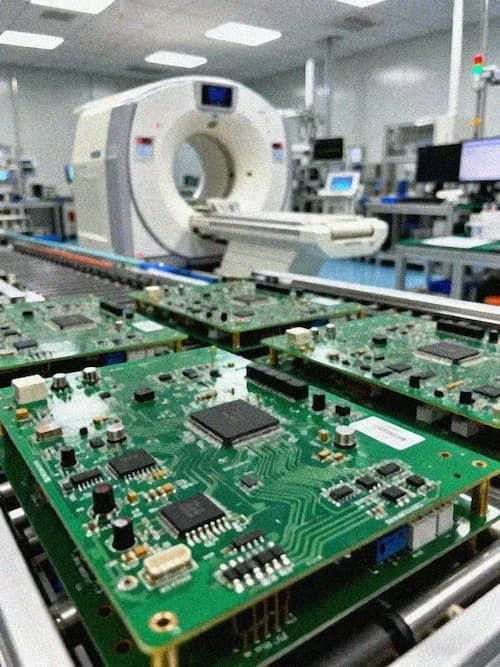
- Medical Electronics: Portable diagnostic devices, patient monitoring systems, and medical imaging equipment with strict biocompatibility and reliability requirements
- LED & Optoelectronic Products: Mini LED backlight boards, display driver boards, and optoelectronic sensor modules requiring precise component placement alignment
Key Advantages
Our pick and place PCB assembly solutions deliver distinct benefits for electronic manufacturing projects of all scales:
- Scalable Production Capacity: Adapts to project demands ranging from 1-piece prototyping, small-batch trial production, to high-volume mass production, with flexible lead time configurations to meet different project schedules and market launch timelines.
- Custom Process Tuning: Tailors assembly processes for specialized board types and component configurations, including unconventional size boards, ultra-thin components, and high-density interconnection designs, ensuring assembly feasibility and long-term reliability even for highly complex projects.
- Cost-Efficient Manufacturing: Optimized process flow reduces material waste and rework rates, delivering competitive pricing without compromising assembly quality for both standard and custom assembly projects, helping to lower overall product development and production costs.
- Full-Chain Support: Covers end-to-end services from PCB fabrication, component sourcing, pick and place assembly, to post-assembly testing, reducing cross-vendor communication costs and shortening overall project lead times by up to 30% compared to fragmented multi-vendor workflows.
- Regulatory Compliance Alignment: Adheres to international electronic manufacturing standards, including RoHS, REACH, and industry-specific compliance requirements for automotive, medical, and aerospace applications, ensuring products meet global market access requirements.
Contact Information
If you have any pick and place PCB assembly requirements, or need technical support for complex high-density assembly projects, you can reach out to our technical team for a free project evaluation and customized solution recommendation. We will respond to your inquiry within 24 working hours and provide professional guidance covering process feasibility, cost estimation, and lead time planning to help you bring your electronic product to market efficiently and reliably.