Overview
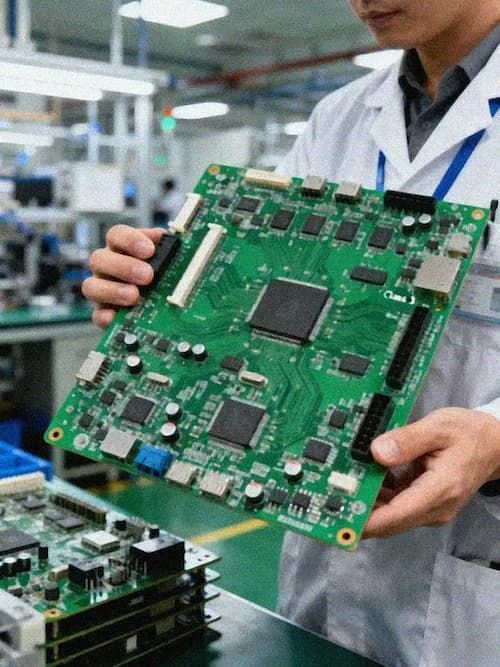
PCB assembly & soldering is the core process that transforms bare printed circuit boards into functional electronic systems, connecting discrete components including integrated circuits, passive components, and connectors to the PCB through controlled soldering processes. The quality of assembly and soldering directly impacts the functional stability, signal transmission accuracy, and service life of electronic products. With the ongoing miniaturization of electronic devices and the growing popularity of high-density circuit designs, traditional assembly processes can no longer meet the requirements of fine-pitch components, miniaturized SMD parts, and mixed-technology boards with both surface mount and through-hole components.
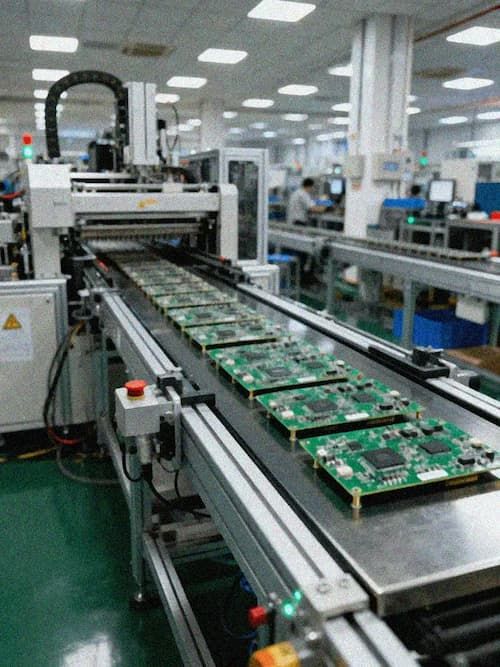
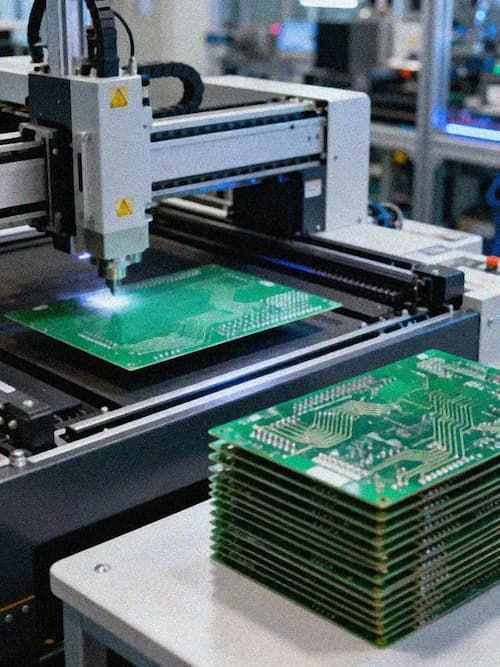
Our high-precision PCB assembly & soldering solutions cover the full process chain from solder paste printing, component placement, reflow soldering, through-hole wave soldering, to post-assembly inspection and testing, supporting both single-sided and double-sided assembly, as well as flexible, rigid-flex, and high-layer-count rigid PCB assembly requirements. Whether you need small-batch prototype verification for R&D projects or large-scale mass production for commercial launch, our processes are optimized to ensure consistent solder joint quality and low defect rates across all production scales.
Technical Capabilities
Our PCB assembly & soldering processes support a wide range of design specifications, adapting to the diverse needs of different electronic product categories:
SMT Assembly Capabilities
- Support minimum surface mount component package as small as 01005 (0.3mm*0.2mm), with standard process support for 0201, 0402, and larger SMD packages
- Compatible with component thickness ranging from 0.5mm to 3mm, with custom process adjustments available for components thinner than 0.5mm or thicker than 3mm
- Double-sided assembly supports maximum component height of up to 25mm, meeting the needs of designs with large-size heat sinks and high-profile connectors
- Standard SMD component size support up to 200mm*125mm, with custom process solutions available for larger SMD components
- Solder paste printing process supports standard PCB sizes up to 450mm400mm, with semi-automatic printing support for non-standard PCBs up to 600mm450mm, with minimum printing pitch accuracy of 0.5mm
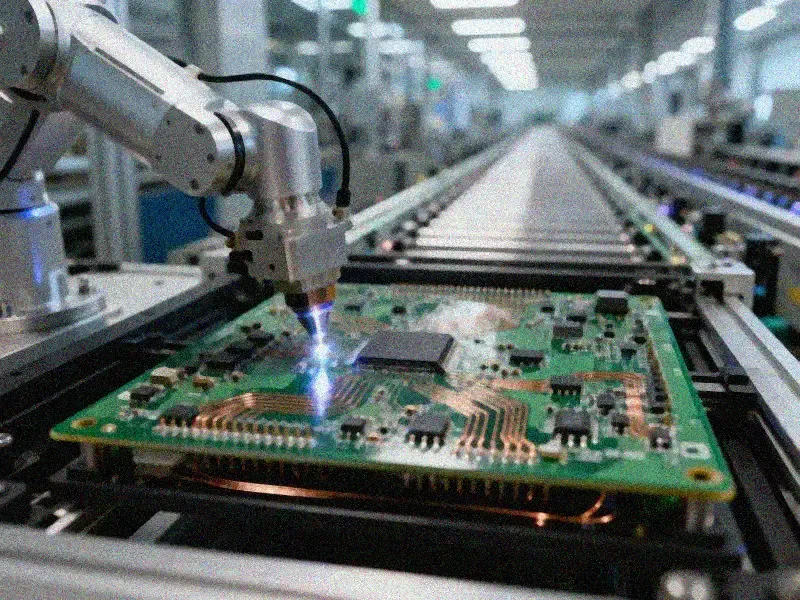
- Adopts high-precision pick-and-place equipment with placement accuracy of ±0.01mm, ensuring accurate alignment of miniaturized components and fine-pitch ICs
DIP & Wave Soldering Capabilities
- Standard wave soldering process supports PCB sizes from 50mm50mm to 500mm400mm
- Custom process adjustments are available for PCBs smaller than 50mm*50mm, with requirements including bottom surface component height less than 5mm, and clearance between through-hole component pins and bottom SMT parts greater than the SMT component thickness plus 2.0mm to avoid solder bridging and component damage
- Compatible with all common through-hole component types including connectors, pin headers, transformers, and high-power discrete components
- Controlled wave soldering temperature profiles are customized based on PCB material and component type to avoid thermal damage to heat-sensitive parts
Fine-Pitch Component Soldering Capabilities
- Support for QFP, SOP, SOJ, and other multi-pin IC packages with minimum pin spacing as low as 0.3mm, eliminating solder bridging and cold joint issues for high pin count components
- Support for CSP and BGA packages with minimum ball spacing down to 0.3mm, with optimized reflow temperature profiles to ensure uniform melting of solder balls and reliable connection
- Support for underfill process for BGA and CSP components to improve vibration resistance and thermal cycling performance for high-reliability application scenarios
Quality Standards
All PCB assembly & soldering processes comply with international electronic manufacturing standards, with multi-stage quality control mechanisms implemented across the entire production chain:
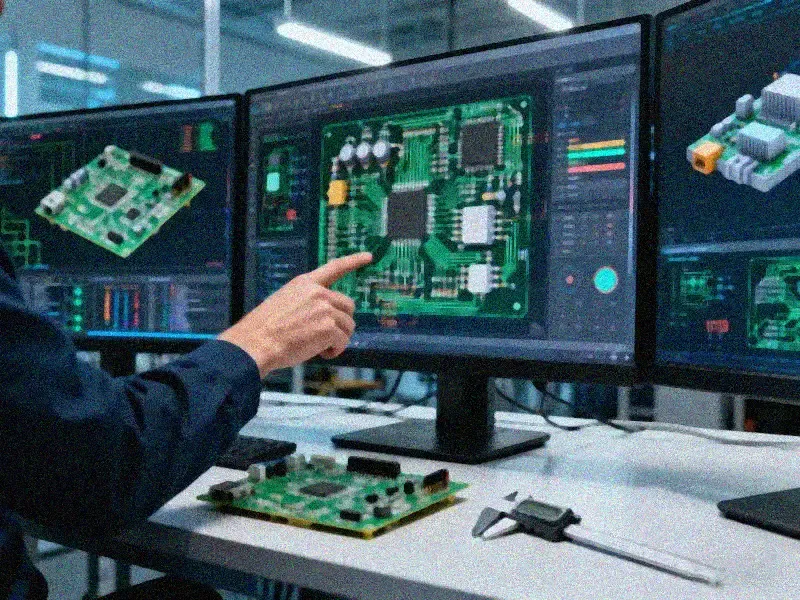
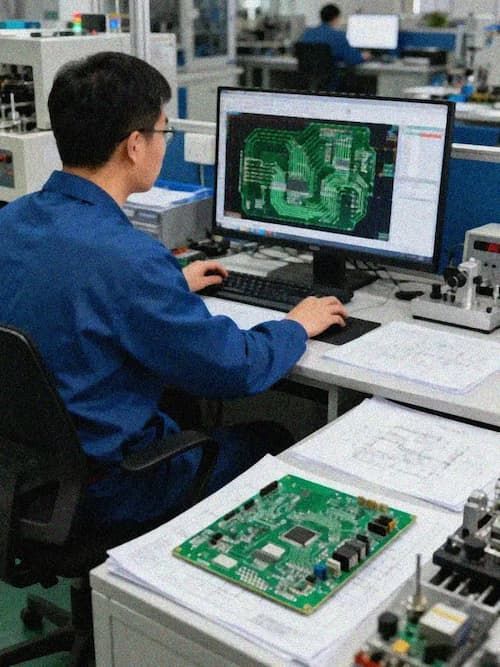
- Pre-printing DFM review: Prior to assembly, our technical team conducts a full review of your PCB design and BOM list to identify potential manufacturing risks, including insufficient component clearance, improper pad design, and incompatible soldering process requirements, reducing post-assembly defect rates by more than 30%
- Solder paste inspection (SPI): 3D SPI equipment is used to inspect solder paste deposition volume, alignment, and uniformity after printing, with 100% inspection coverage for all production batches to eliminate defects caused by uneven solder paste
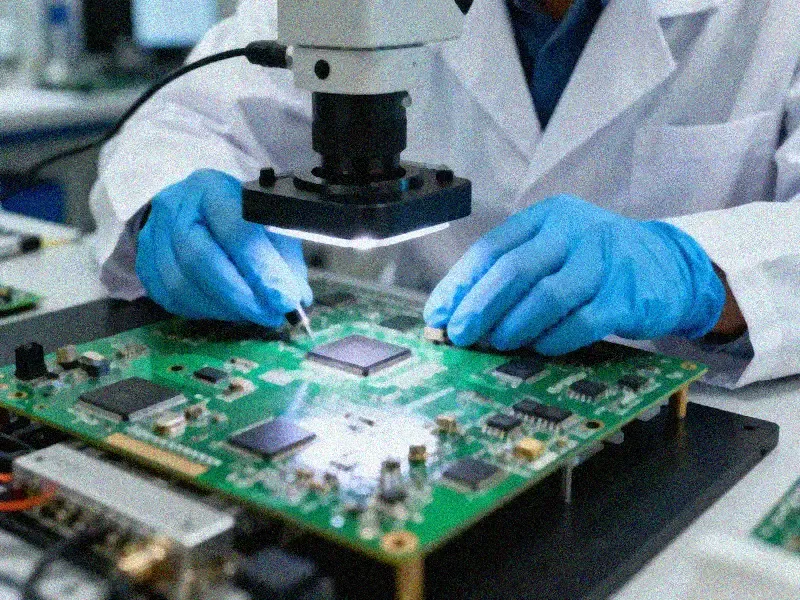
- Post-reflow automatic optical inspection (AOI): High-resolution AOI equipment detects common soldering defects including missing components, misaligned components, solder bridges, cold joints, and tombstoning, with inspection accuracy up to 99.9%
- X-ray inspection for hidden solder joints: For BGA, CSP, and underfill components, X-ray non-destructive inspection is used to verify the quality of hidden solder joints, detecting voids, insufficient soldering, and solder bridging that cannot be identified by visual inspection
- Compliance with IPC-A-610 Class 2 and Class 3 standards, with defect rate control below 100 DPPM for mass production batches
- Post-assembly functional testing and reliability testing services are available, including in-circuit testing (ICT), flying probe testing, thermal cycling testing, and vibration testing to validate long-term product performance
Applications
Our high-precision PCB assembly & soldering solutions are applicable to a wide range of electronic product categories across different industries:
- Industrial Electronics: Industrial control motherboards, PLC modules, sensor interface boards, and power control units, which require high solder joint reliability to withstand long-term operation in harsh environments with vibration, dust, and wide temperature fluctuations
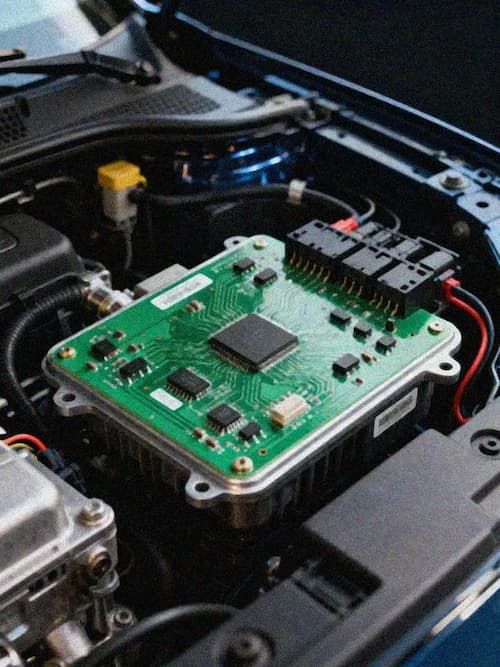
- Automotive Electronics: ADAS perception boards, smart cockpit control units, battery management systems (BMS), and vehicle communication modules, which meet strict automotive electronic quality requirements for zero-defect assembly and long service life
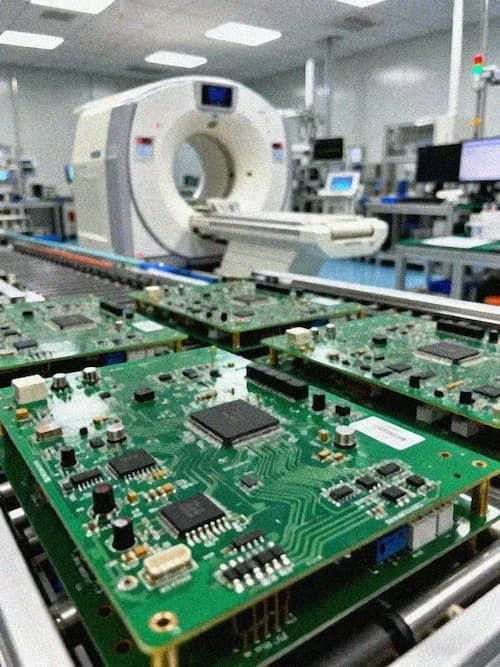
- Medical Electronics: Patient monitoring equipment, diagnostic imaging system boards, portable medical device mainboards, and implantable device control circuits, which comply with medical industry manufacturing standards to ensure patient safety
- Consumer Electronics: Smartphone mainboards, wearable device circuit boards, smart home control modules, and gaming device hardware, which support high-density assembly of miniaturized components to meet the compact design requirements of consumer products
- Communication Infrastructure: 5G base station communication boards, server mainboards, router interface modules, and optical communication module circuits, which ensure stable high-speed signal transmission through high-precision soldering of fine-pitch high-speed ICs
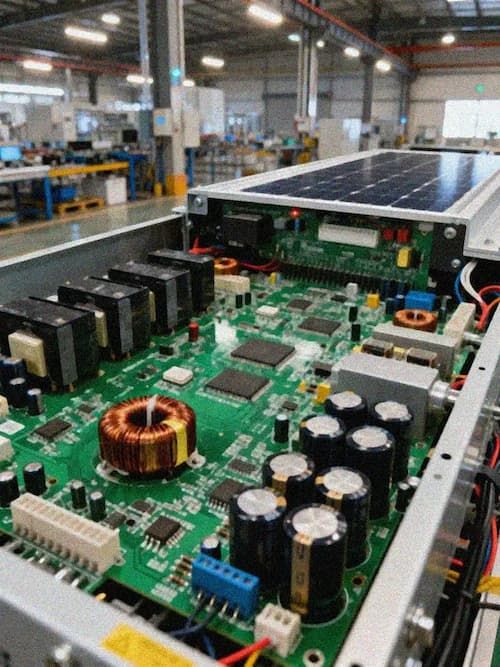
- New Energy Applications: Solar inverter control boards, energy storage system control units, and electric vehicle charging pile modules, which support high-power component soldering with excellent thermal cycling performance
- Aerospace & Defense: On-board electronic systems, satellite communication modules, and defense equipment control circuits, which meet extreme reliability requirements for operation in high-altitude, high-radiation, and wide temperature environments
Key Advantages
- Wide Process Compatibility: Supports a full range of component sizes, PCB dimensions, and mixed-technology (SMT + DIP) assembly requirements, adaptable to both standard design specifications and custom non-standard projects
- High-Precision Process Control: Achieves reliable soldering for 01005 miniaturized components and 0.3mm fine-pitch BGA packages, reducing post-assembly failure risks and improving product long-term stability
- Scalable Production Support: Adapts to small-batch prototype assembly (as low as 1 unit), mid-volume trial production (100-10,000 units), and large-scale mass production (over 10,000 units), with consistent process quality control across all production scales
- Multi-Stage Quality Inspection: Implements 5+ inspection stages from pre-assembly DFM review to final functional testing, ensuring 100% coverage of potential defects and reducing after-sales failure rates by more than 40% compared to standard assembly processes
- Custom Process Optimization: Provides targeted process adjustment for special design requirements including non-standard PCB sizes, high-temperature components, and high-reliability application scenarios, eliminating design for manufacturing bottlenecks and reducing overall project costs
- Fast Turnaround Support: Offers expedited assembly services for prototype projects, with delivery times as short as 3-5 working days to meet the tight R&D schedules of technology companies
Contact Information
If you have technical questions about PCB assembly & soldering processes, need to conduct a DFM feasibility review for your electronic design, or require customized assembly solutions for specific application scenarios, you can reach out to our technical support team for free consultation. We will provide professional process recommendations, quotation details, and production schedule planning tailored to your design specifications and project requirements.