Overview
Medical devices exposed to routine sterilization processes including autoclaving, ethylene oxide (ETO) fumigation, and gamma radiation face unique PCB performance challenges. Standard commercial PCBs degrade rapidly under these harsh conditions, leading to coating delamination, material warping, signal drift, and even total device failure that poses direct risks to patient safety. Medical PCB sterilization solutions address these core pain points through end-to-end optimization of material selection, design architecture, manufacturing processes, and validation testing, ensuring PCBs maintain full functional performance and biocompatibility across hundreds of sterilization cycles. These solutions align with global medical device regulatory requirements, covering all device categories from disposable diagnostic tools to long-term implantable systems.
Technical Capabilities
- Sterilization-Compatible Material Selection: Supports high-TG 170℃+ FR4, ceramic substrates, and rigid-flex composite materials, with resistance to 100+ autoclave cycles (121℃/15psi, 134℃/22psi), gamma radiation exposure up to 50kGy, and repeated ETO gas treatment without material warping, delamination, or electrical property drift.
- Biocompatible Coating Integration: Offers medical-grade Parylene, nano-ceramic, and biocompatible solder mask coating options that meet ISO 10993 biocompatibility requirements, preventing liquid ingress, chemical corrosion, and biofilm formation during repeated sterilization and patient contact.
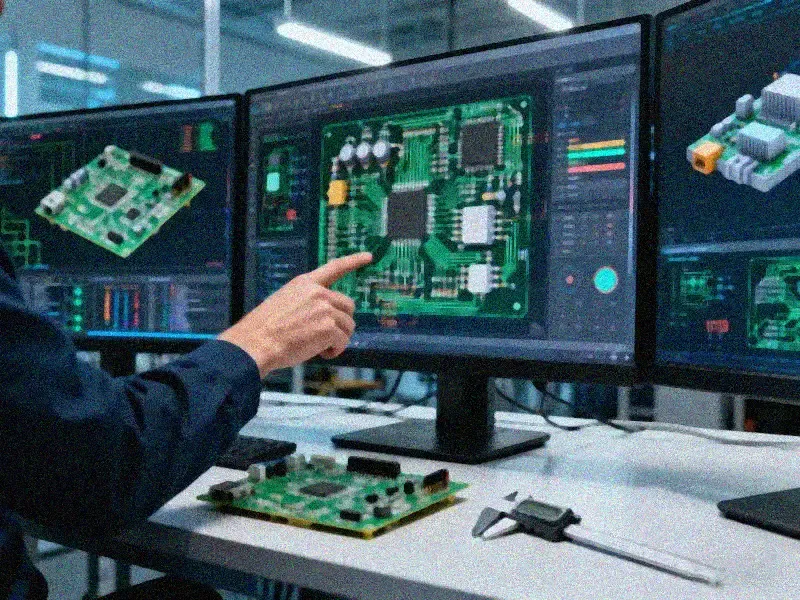
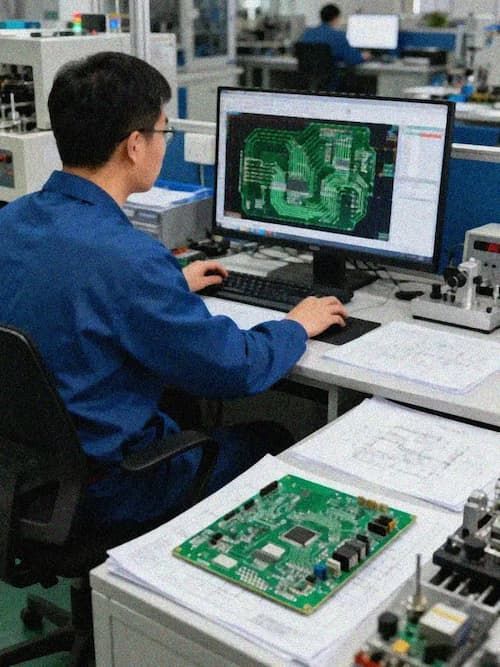
- Precision Signal Integrity Optimization: Implements separated analog/digital ground plane designs for low-signal (≤1mV) biometric acquisition devices, with ±5% impedance control accuracy for high-speed diagnostic PCBs, ensuring no signal distortion, noise interference, or performance loss post-sterilization.
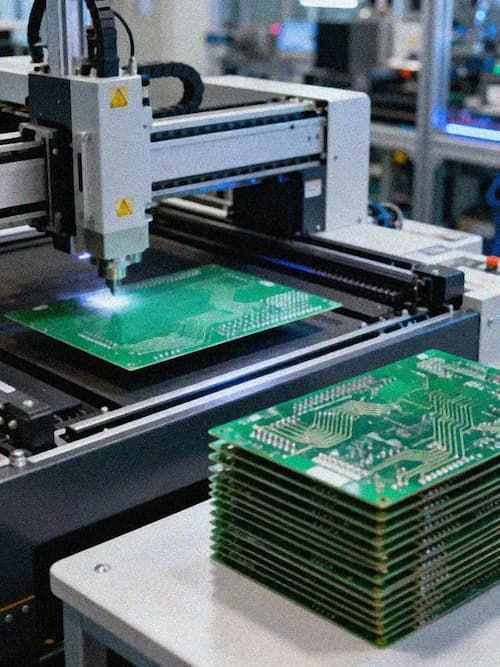
- Miniaturized Rigid-Flex PCB Manufacturing: Supports 0.2mm micro-via, 2mil line width/space manufacturing processes for ultra-miniature implantable medical PCBs, reducing overall device volume by up to 40% while maintaining structural integrity and electrical performance through repeated sterilization cycles.
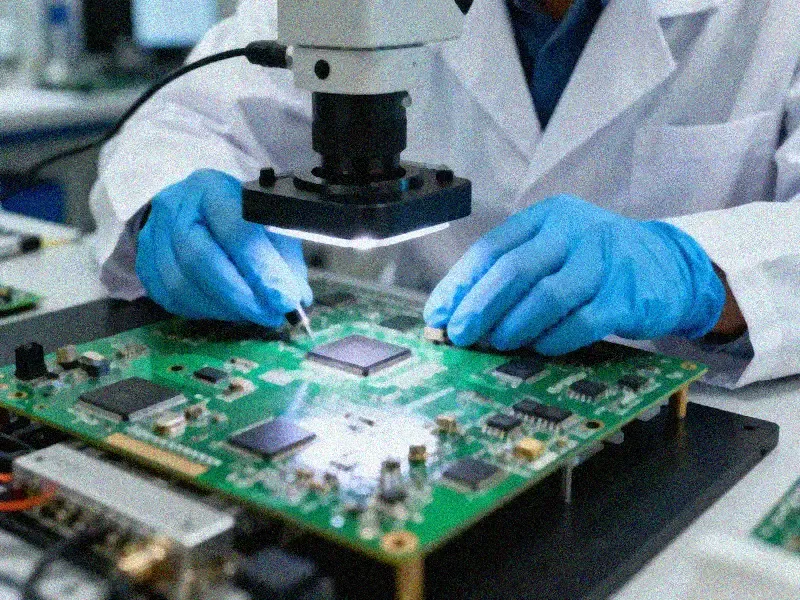
- Zero-Defect Manufacturing Control: Implements 100% X-ray non-destructive testing, electrical continuity testing, and pre-production sterilization cycle validation for all medical PCB batches, eliminating hidden manufacturing defects that could lead to device failure after sterilization.
- High-Speed Interface Support: Compatible with gigabit Ethernet, high-frequency signal transmission, and multi-axis motion control circuit designs, maintaining real-time response and data transmission accuracy for surgical robotics and high-resolution medical imaging equipment even after long-term sterilization exposure.
Quality Standards
- Regulatory Alignment: All design and manufacturing processes adhere to IPC-A-610 Class 3 medical electronics standards, ISO 13485 quality management requirements, and FDA 21 CFR Part 820 regulations for medical device components, supporting smooth regulatory submission for end products.
- Sterilization Cycle Validation: Each custom PCB design undergoes pre-production sterilization stress testing matching the device’s specified sterilization protocol, with performance testing conducted before and after every 10-cycle interval to verify long-term stability.
- Biocompatibility Testing: All coated and patient-contact PCBs pass ISO 10993-5 cytotoxicity, ISO 10993-10 skin irritation, and ISO 10993-11 systemic toxicity testing, ensuring no adverse biological reaction for implantable or skin-contact medical devices.
- Full Traceability Management: End-to-end traceability is maintained for all raw materials, manufacturing processes, and testing records for every PCB batch, supporting medical device audit requirements and post-market surveillance obligations.
Applications
Medical PCB sterilization solutions are widely applicable across all medical device categories requiring regular or one-time sterilization:
- Implantable Medical Devices: Suitable for pacemakers, neurostimulators, implantable glucose monitors, and cochlear implants, supporting pre-implant sterilization and long-term biocompatibility for in-body use.
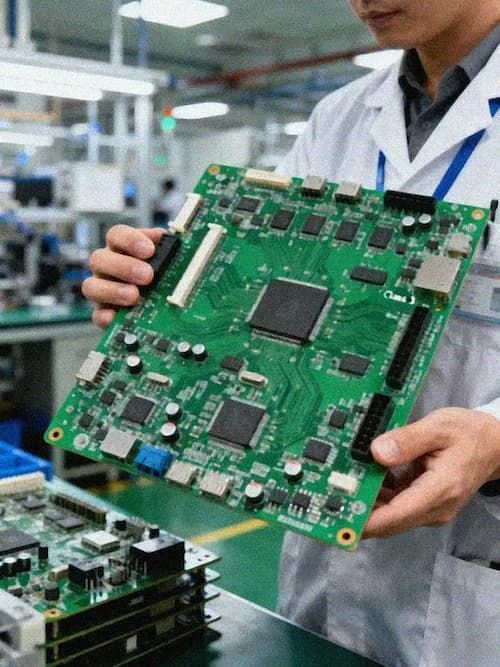
- Surgical and Robotic Systems: Optimized for surgical robot main control boards, endoscope camera PCBs, vascular robot drive boards, and surgical instrument control modules, withstanding hundreds of pre-operative sterilization cycles while maintaining real-time motion control response and data transmission accuracy.
- In-Vitro Diagnostic Equipment: Designed for gene sequencer mainboards, immunoassay analyzer PCBs, blood detection control boards, and PCR instrument circuits, resistant to daily surface sterilization and chemical decontamination in clinical laboratory environments.
- Patient Monitoring and Wearable Medical Devices: Fits vital signs monitors, HRV analyzers, smart medical wearables, and pulse oximeters, supporting regular surface disinfection and low-temperature sterilization protocols for repeated patient use in clinical and home care settings.
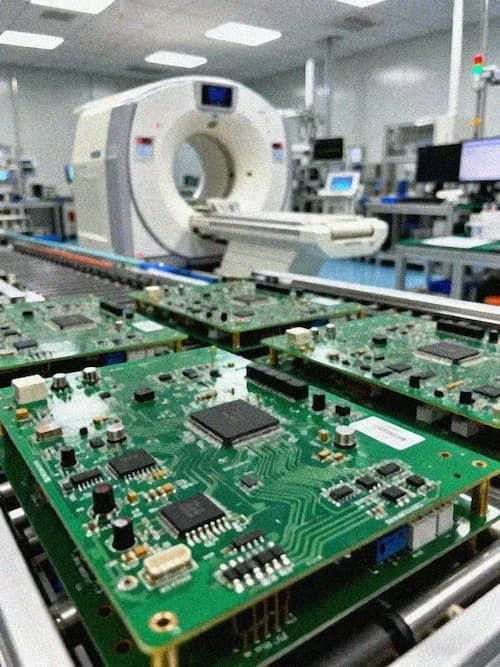
- Medical Imaging Equipment: Adapted for MRI, CT, and ultrasound system PCBs, with integrated shielded layer designs that maintain anti-electromagnetic interference performance even after repeated equipment surface sterilization.
Key Advantages
- **Customized Solution Matching: Solutions are tailored to specific device sterilization protocols, operating environments, and performance requirements, avoiding unnecessary over-engineering while ensuring all reliability and compliance needs are fully met.
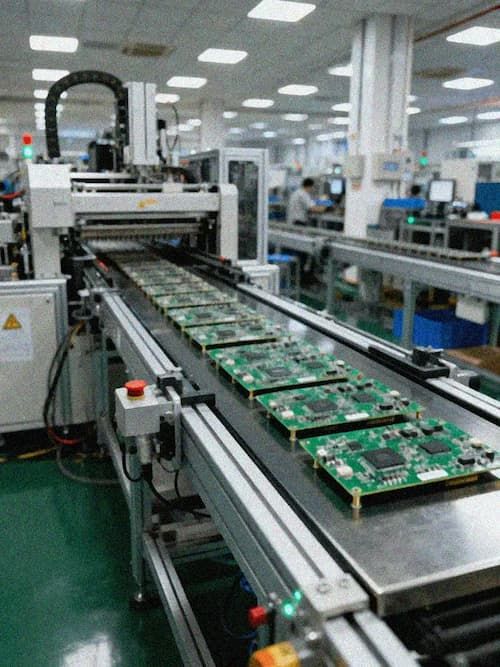
- Full Lifecycle Support: Covers design optimization, rapid prototyping, small-batch functional validation, and high-volume mass production stages, adapting to medical device development timelines from early R&D to full commercial launch.
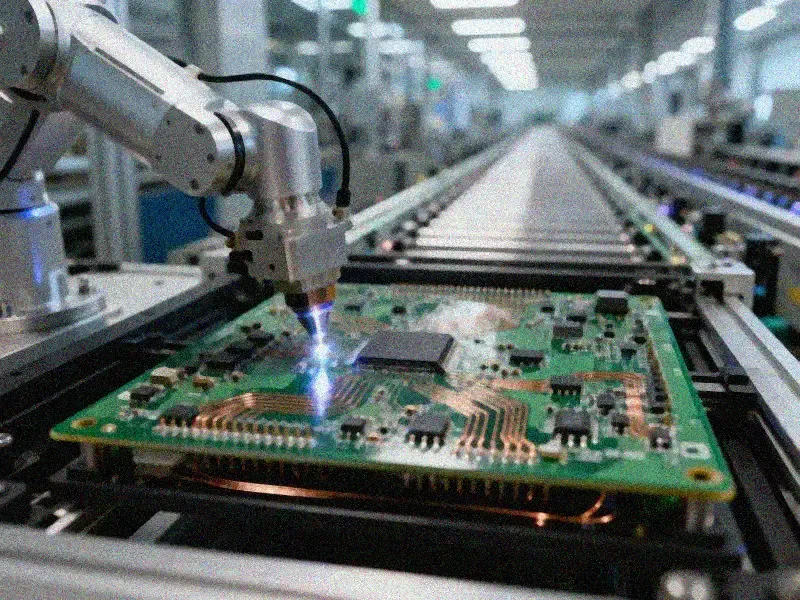
- High Yield Reliability: Advanced manufacturing processes including laser drilling, LDI direct imaging, and non-destructive testing ensure a 99.8%+ mass production yield for sterilization-grade medical PCBs, reducing development costs and shortening time-to-market for end devices.
- Cross-Technical Integration Support: Supports integration of ARM, FPGA, and high-speed communication modules on sterilization-grade PCBs, meeting the functional requirements of next-generation intelligent medical devices with low power consumption, high computing performance, and real-time data transmission needs.
Contact Information
If you have customized demands for medical PCB sterilization solutions, including design validation, material selection consultation, or production requirements for specific medical device applications, please contact our technical team. We provide free technical evaluation and targeted solution design services to meet your medical device performance and regulatory compliance needs.