Overview
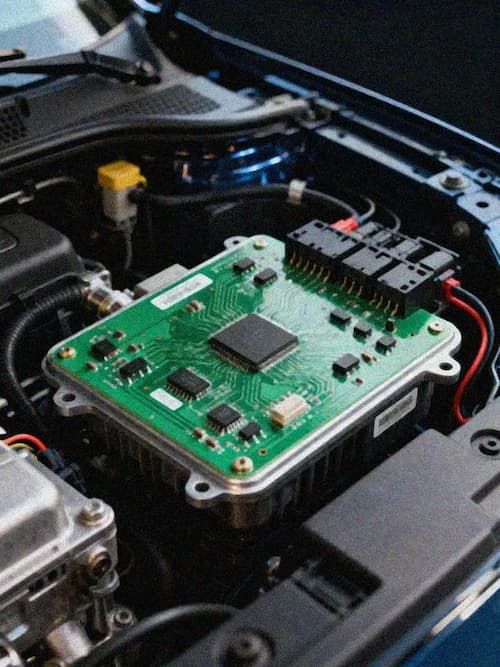
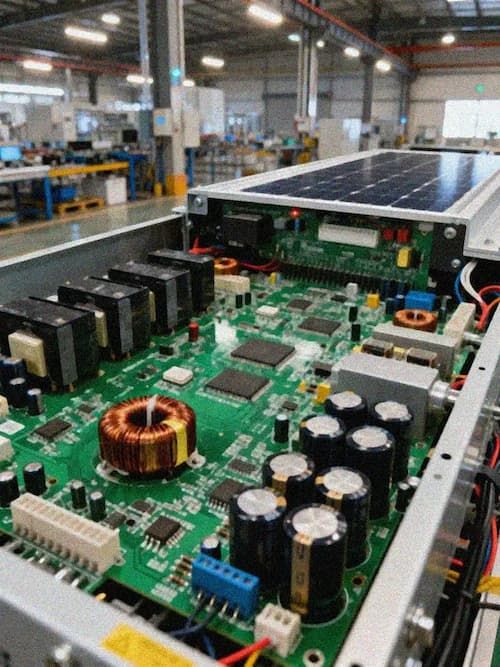
Machine learning (ML) hardware, from low-power edge inference devices to high-performance cloud training accelerators, relies on robust, high-precision PCBs to support dense computing chips, high-bandwidth memory interfaces, and ultra-fast I/O transmission. Common pain points in ML hardware design include signal attenuation, crosstalk between high-speed links, thermal management for high-power computing units, and high-density component placement constraints, all of which can directly reduce ML computing efficiency, data transmission accuracy, and hardware lifespan. Machine learning PCB solutions provide end-to-end design, manufacturing, assembly, and testing services tailored to the unique demands of ML workloads, ensuring stable, high-performance operation of ML hardware across diverse deployment scenarios. These solutions support custom configurations for different ML use cases, from compact edge devices to large-scale server accelerator boards, addressing core industry challenges and reducing R&D and production risks for ML hardware teams.
Technical Capabilities
Machine learning PCB solutions cover a full range of manufacturing and design capabilities to support diverse ML hardware requirements, including:
- Diverse Board Type Support: Compatible with a wide portfolio of PCB configurations to match varied ML use cases, including single-sided, double-sided, and multilayer boards, HDI boards, rigid-flex boards, heavy copper boards, high-frequency hybrid boards, high-speed backboards, high-speed optical boards, mechanical blind buried boards, metal core/metal substrate boards, ceramic PCBs, buried copper block boards, buried ceramic PCBs, high-resistance carbon oil boards, semi-flexible boards, IC substrate boards, and mini-LED backlight boards.
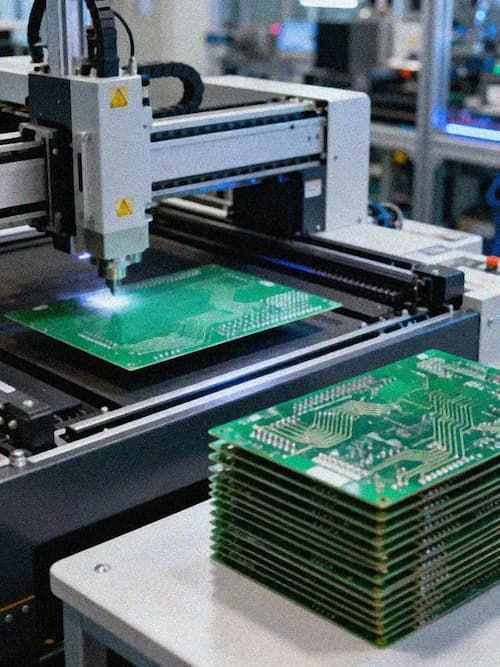
- High-Precision Manufacturing Specifications: Supports trace width/spacing as low as 2.0/2.0 mil for standard PCBs, and 25/25 um for IC substrates, to accommodate high-density routing requirements of advanced ML SoCs and high-bandwidth memory modules. Mechanical drilling diameter can reach as small as 0.10mm, with maximum copper thickness up to 18 OZ to support high-power ML hardware with high heat dissipation demands, and maximum board thickness up to 12mm for complex stack-up designs with multiple signal and ground planes.
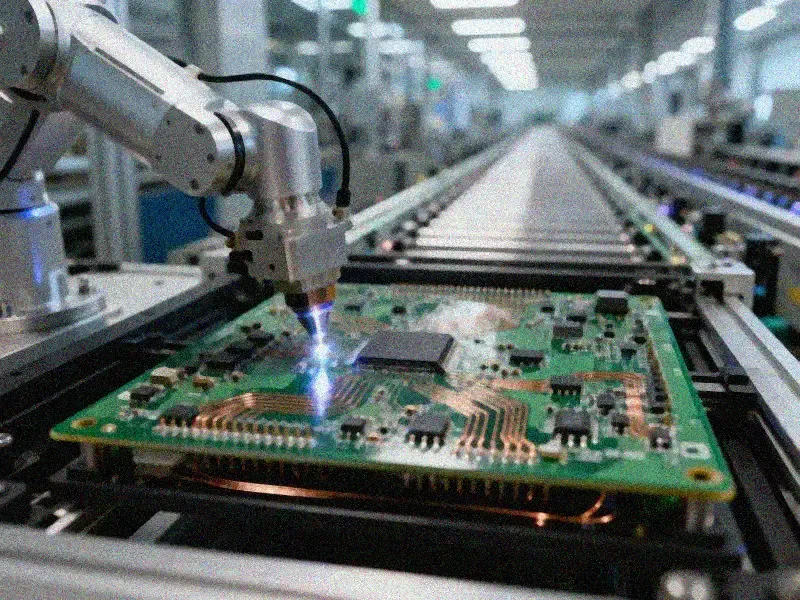
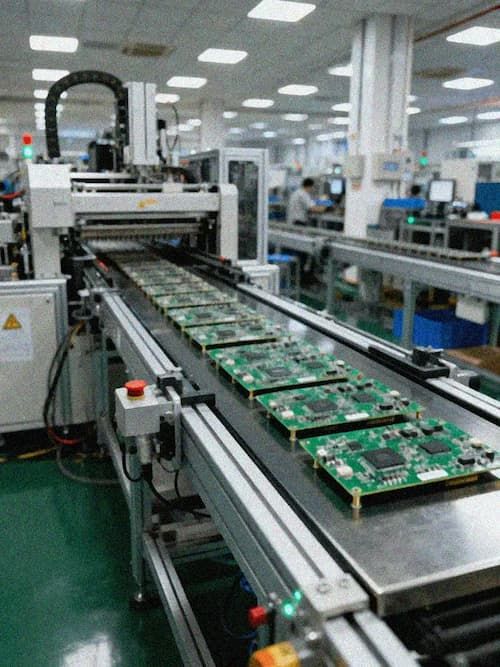
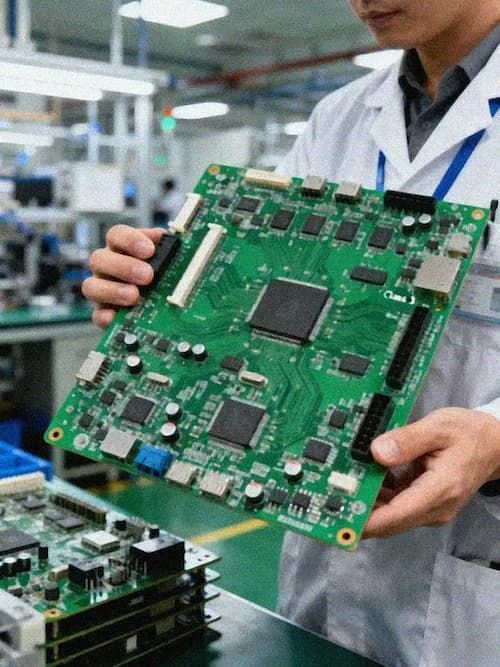
- Advanced Assembly Capabilities: Supports component placement with minimum pitch accuracy of 0.5mm, compatible with ultra-small component packages including 0201 (0.6mm0.3mm) and 01005 (0.3mm0.2mm) to enable compact ML edge device design. Double-sided assembly supports device heights up to 25mm, with maximum SMD component size up to 200mm125mm, and supports unconventional PCB sizes up to 600mm450mm to meet the needs of large-scale ML accelerator boards with multiple computing chips.
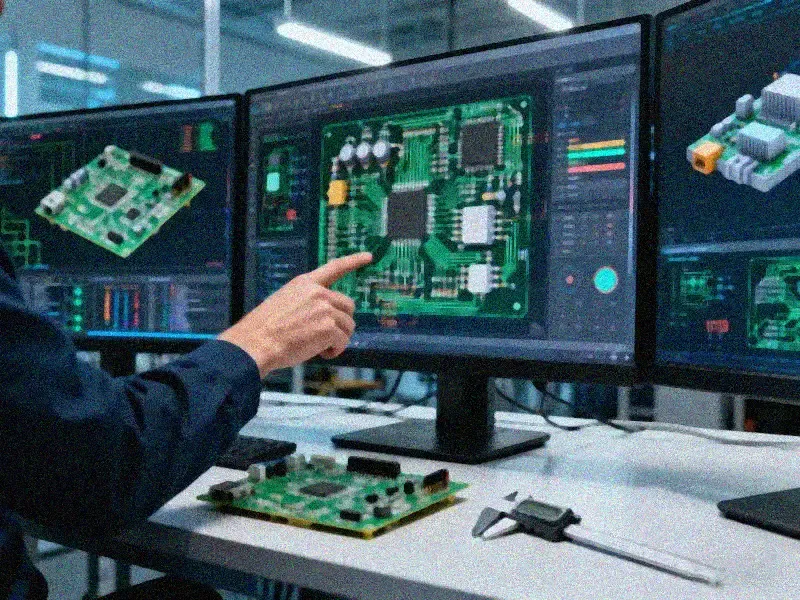
- End-to-End Solution Support: Provides custom design solutions, BOM procurement, PCBA production testing, and complete machine production assembly services for ML hardware. Also supports BSP development for mainstream operating systems including Android, Linux, Wince, Ubuntu, and Debian, enabling seamless integration of ML firmware and hardware, and reducing post-production debugging workload.
Quality Standards
All machine learning PCB solutions adhere to strict quality control protocols throughout the production lifecycle to ensure reliable performance in demanding ML deployment environments:
- Signal Integrity Control: Implements precise impedance control for high-speed differential signals, PCIe, MIPI, and high-bandwidth memory interfaces, minimizing signal reflection, attenuation, and crosstalk to ensure low-latency, high-fidelity data transmission between ML computing units and peripherals.
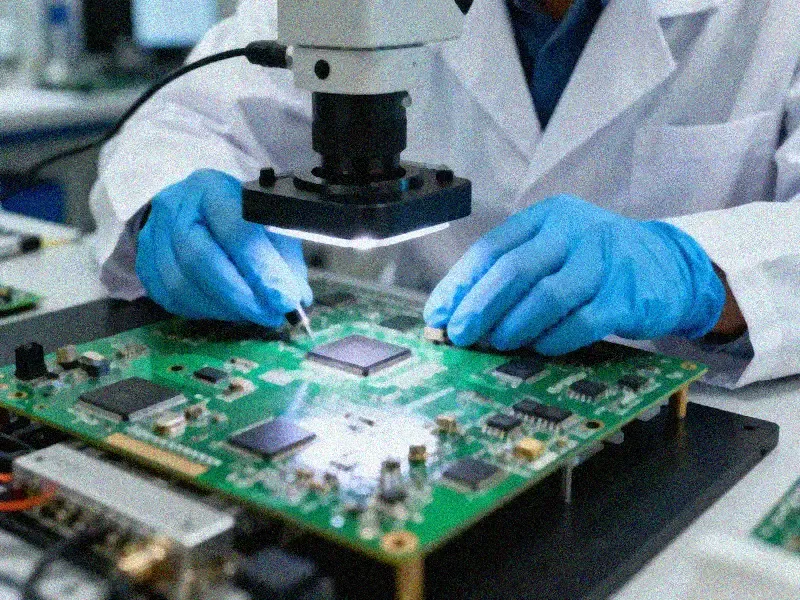
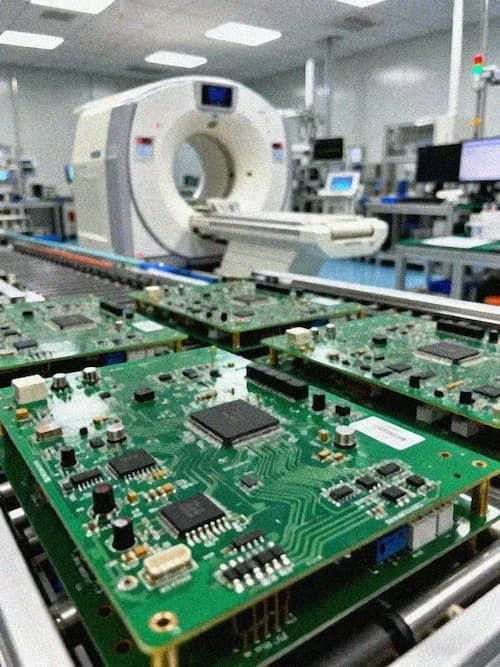
- Reliability Testing: All finished PCBs and PCBA assemblies undergo a series of performance verifications, including signal integrity testing, EMC testing, thermal cycling testing, vibration testing, and high/low temperature reliability testing, to ensure stable operation across wide environmental ranges, from industrial facilities to outdoor edge deployments.
- Yield Management: Implements strict in-line quality inspection at every production stage, from raw material incoming inspection to final functional testing, to reduce defect rates and ensure consistent quality for both prototype and mass production runs. All manufacturing processes comply with global electronics industry standards for high-performance hardware.
Applications
Machine learning PCB solutions are suitable for a wide range of ML-powered hardware scenarios across industries, including:
- Cloud ML training accelerator boards and server inference cards for data center deployments
- Edge ML computing nodes for smart city, industrial, and retail edge deployments
- Computer vision processing units for industrial inspection, security monitoring, and autonomous vehicle perception systems
- Natural language processing hardware for smart voice assistants and conversational AI enterprise devices
- Medical ML diagnostic equipment for medical imaging analysis and real-time patient monitoring
- Automotive ML domain controllers for advanced driver assistance systems and fully autonomous driving platforms
- Industrial ML predictive maintenance devices for manufacturing equipment and infrastructure monitoring
- Consumer AI smart devices including smart cameras, voice assistants, and domestic edge robotics
Key Advantages
Choosing professional machine learning PCB solutions delivers multiple value benefits for ML hardware development and mass production:
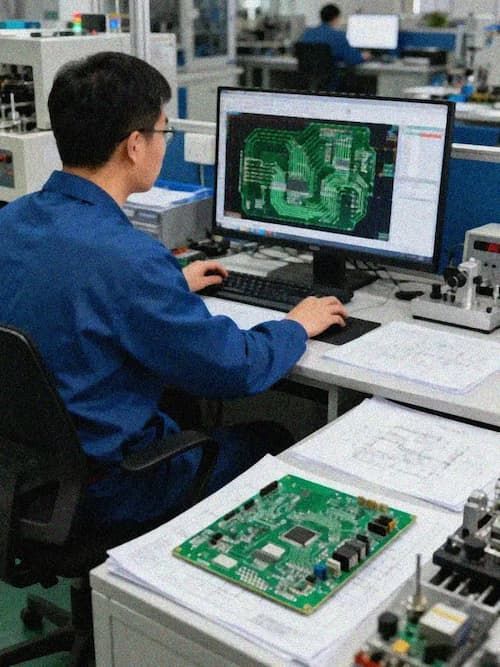
- Full-Lifecycle Support: Covers the entire process from schematic design, stack-up planning, routing optimization, fabrication, assembly, to testing and verification, eliminating cross-vendor communication gaps and shortening product time-to-market for ML hardware teams.
- High Performance Matching: Supports high-speed signal transmission requirements for advanced ML chips with peak computing power up to hundreds of TOPS, with heavy copper and high thermal conductivity material options to address thermal management challenges of high-power ML hardware running continuous workloads.
- Customized Configuration Flexibility: Offers tailored material, stack-up, and manufacturing process adjustments to match specific ML workload requirements, whether for low-power battery-operated edge devices, high-performance cloud accelerators, or rugged industrial ML hardware operating in harsh environments.
- Scalable Production Support: Adapts to all production volume demands, from small-batch prototype verification for ML hardware R&D, to medium-volume trial production for field testing, and large-scale mass production for commercial deployment, ensuring consistent quality across all production runs.
- Cost Optimization: Leverages mature manufacturing processes and design for manufacturing (DFM) guidance in the early design stage to reduce unnecessary design iterations, improve production yield, and lower overall ML hardware development and production costs without compromising performance.
Contact Information
If you have customized requirements for machine learning PCB solutions, including design consultation, prototype fabrication, mass production, or full PCBA assembly services, please contact our technical team. We will provide you with targeted solution recommendations and free pre-project technical evaluation support to help you bring high-performance ML hardware to market efficiently.