Overview
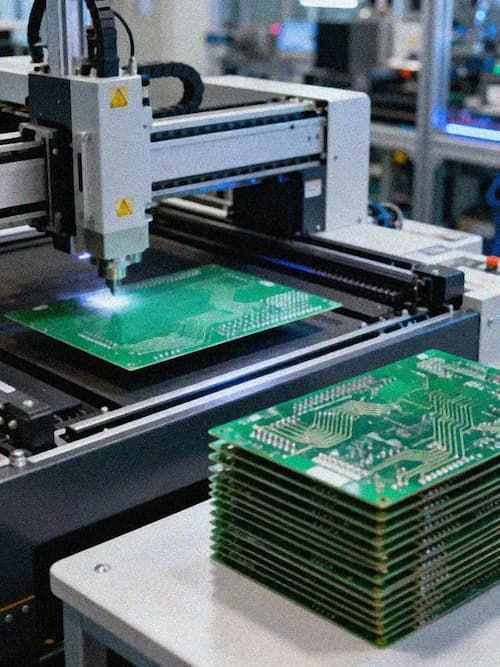
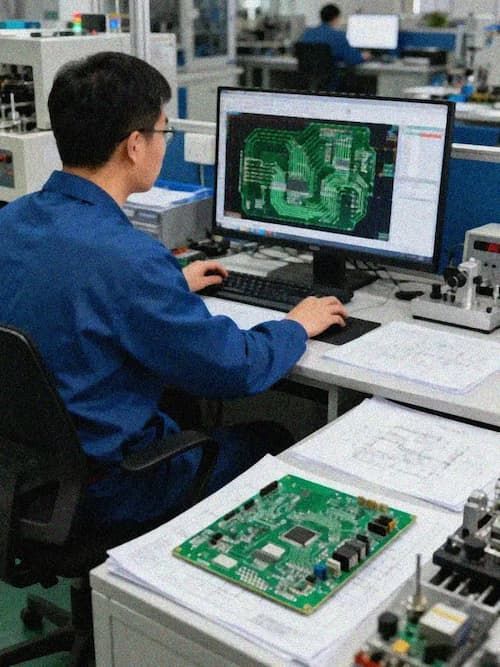
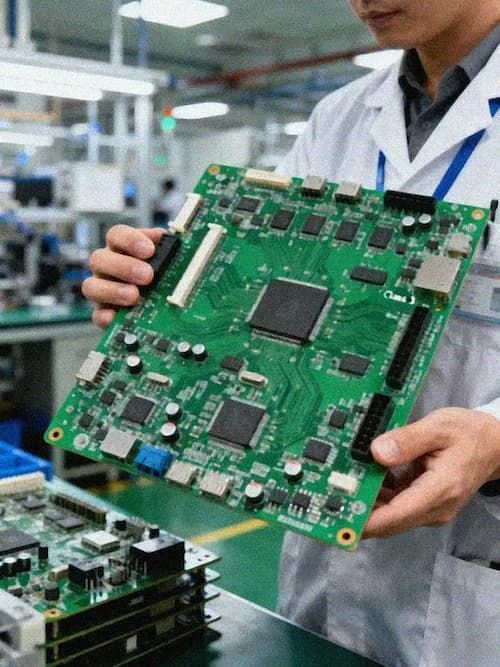
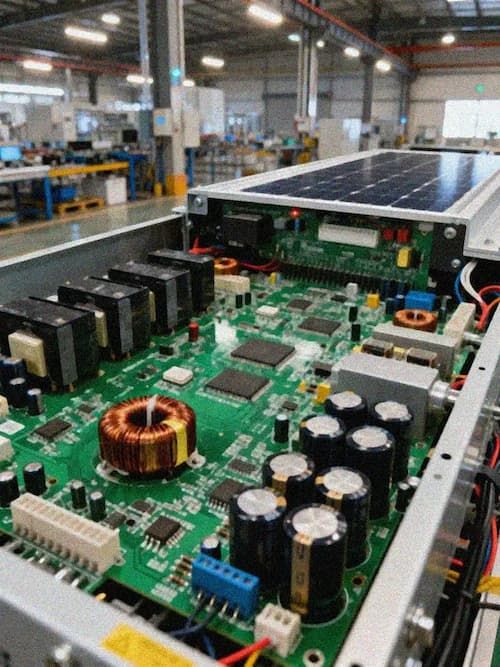
Lead free PCB assembly is a core electronic manufacturing process that eliminates lead-containing solder materials to comply with global RoHS, REACH and other environmental regulatory requirements. Unlike traditional leaded assembly, lead free processes use tin-silver-copper (SAC) and other lead free solder alloys, requiring higher soldering temperatures, stricter process control, and enhanced thermal compatibility management for components and substrates. This assembly service covers the full workflow from component sourcing verification, solder paste printing, component mounting, reflow/wave soldering, to testing and inspection, adapting to the assembly needs of various electronic products across consumer, industrial, automotive, medical and other sectors, ensuring environmental compliance, product reliability and long-term operational stability.
Technical Capabilities
Lead free PCB assembly processes support a wide range of PCB types, component sizes and design specifications, with the following core technical capabilities:
- Broad PCB Substrate Compatibility: Supports assembly for all common and specialized PCB categories, including single/double sided boards, multilayer boards, HDI boards, rigid-flex boards, heavy copper boards, high-frequency hybrid boards, high-speed backboards, metal core boards, ceramic PCBs, IC substrates, mini LED backlight boards, and semi-flexible boards, adapting to diverse application performance requirements.
- High-Precision SMT Assembly Capabilities: Supports minimum component packages as small as 01005 (0.3mm0.2mm) and standard 0201 packages, with a minimum pitch accuracy of 0.3mm for QFP, SOP, SOJ and other multi-pin components, and minimum ball pitch of 0.35mm for BGA and CSP components. It accommodates SMD components up to 200mm125mm in size, with component thickness ranging from 0.5mm to 3mm for standard processes, and custom process support for components thinner than 0.5mm or thicker than 3mm. The maximum height of components for double-sided assembly is up to 25mm, meeting the needs of high-density, multi-functional PCB design.
- Flexible PCB Size Support: For SMT processes, supports maximum PCB sizes up to 600mm450mm, with standard semi-automatic printing processes compatible with PCB sizes up to 450mm400mm. For DIP wave soldering processes, it supports minimum PCB sizes of 50mm50mm and maximum sizes of 500mm400mm, with custom process support for PCBs smaller than 50mm*50mm, provided that the height of bottom surface components is less than 5mm and the spacing between plug-in component pins and SMT parts on the bottom surface is greater than the SMT part thickness plus 2.0mm.
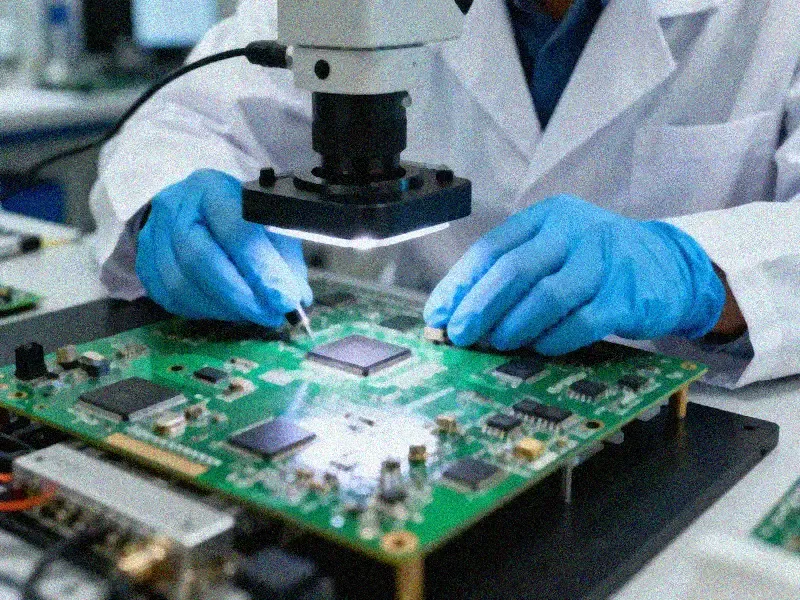
- Full Process Inspection Support: Equipped with AOI (Automatic Optical Inspection), X-Ray non-destructive testing, ICT (In-Circuit Testing) and functional testing capabilities, verifying soldering quality, electrical connectivity and performance of assembled boards, effectively identifying defects such as cold solder joints, solder bridges, component offset, and BGA voids, ensuring assembly yield.
Quality Standards
Lead free PCB assembly follows strict international industry standards and regulatory requirements to ensure product quality and compliance:
- Full compliance with RoHS 2.0, REACH and other global environmental regulatory requirements, with all solder materials, fluxes and auxiliary materials verified to be lead free and free of other restricted hazardous substances.
- Complies with IPC-A-610 Class 2 and Class 3 assembly standards, with soldering quality meeting the requirements of different application scenarios from consumer electronics to high-reliability industrial and aerospace products.
- Strict process control for lead free soldering temperature profiles, optimized based on PCB substrate material, component type and design requirements, minimizing thermal stress on components and substrates, avoiding issues such as PCB warpage and component thermal damage.
- Full batch traceability management, with records of all incoming materials, process parameters and testing results retained for each assembly batch, supporting full lifecycle quality tracking and problem tracing.
- Reliability testing support, including temperature cycling testing, vibration testing, humidity testing and salt spray testing, verifying the long-term operational stability of assembled boards in harsh application environments.
Applications
Lead free PCB assembly services are widely applicable to various electronic product sectors, including but not limited to:
- Consumer electronics: Smartphones, wearables, home appliances, gaming devices, audio-visual equipment
- Industrial electronics: Factory automation controllers, power supply equipment, industrial sensors, test and measurement instruments
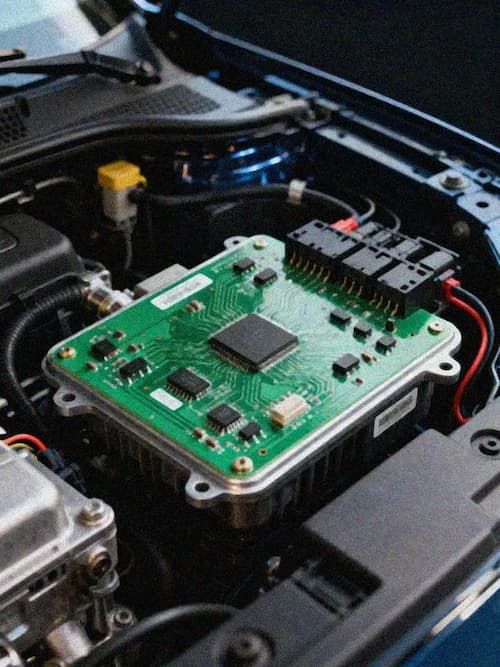
- Automotive electronics: ADAS systems, smart cockpit control units, on-board chargers, vehicle monitoring systems
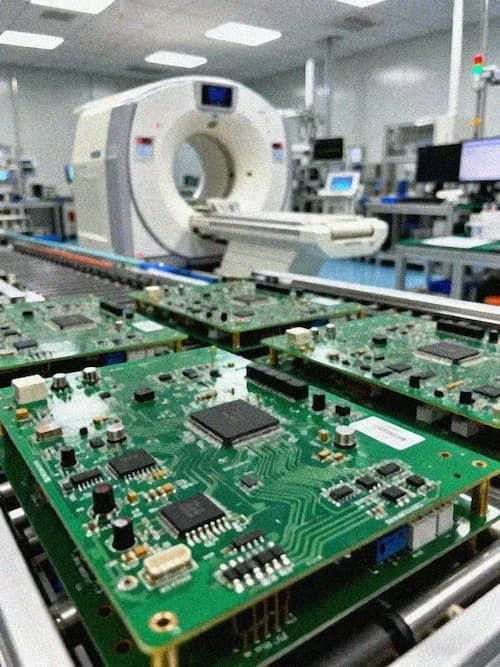
- Medical electronics: Patient monitoring devices, diagnostic equipment, portable medical instruments, medical imaging systems
- Telecommunications: 5G base station equipment, high-speed routers, optical modules, communication gateways
- Aerospace and defense: Avionics systems, satellite communication components, ground control equipment
- LED applications: Mini LED backlight boards, high-power LED lighting systems, LED display modules
- IoT devices: Smart meters, edge computing nodes, smart home sensors, industrial IoT terminals
Key Advantages
- Wide Design Adaptability: Supports assembly for almost all PCB types and component specifications, adapting to diverse design requirements from low-density simple boards to high-density complex high-speed boards, eliminating the need for multiple assembly suppliers for different project types.
- High Assembly Yield: Strict process parameter control and multi-stage inspection mechanisms effectively reduce assembly defect rates, especially for high-density boards with fine-pitch components, ensuring stable yield for both prototype and mass production stages.
- Regulatory Compliance Guarantee: All processes and materials meet global environmental regulatory requirements, avoiding market access risks for products sold in regions with strict RoHS and REACH enforcement.
- Flexible Production Scale Support: Adaptable to production needs ranging from 1-piece prototype assembly, small batch trial production to large-scale mass production, with fast turnaround times for prototype orders to shorten product R&D cycles.
- Cost Optimization: Mature lead free process management reduces material waste and repair rates, helping to control overall manufacturing costs without compromising product quality and reliability.
Contact Information
If you have lead free PCB assembly requirements for any project stage, from R&D prototype verification to mass production, you can contact the technical team for support. We provide free process feasibility evaluation, customized assembly solution development and quotation services to meet your specific project needs.