Overview
IoT sensors serve as the core perception layer of all connected smart ecosystems, responsible for collecting, converting, and transmitting physical environment data to upper-layer edge computing and cloud platforms for analysis and decision-making. As global IoT deployment scales accelerate across industrial, commercial, and consumer scenarios, requirements for IoT sensor performance continue to rise, including ultra-low power consumption for long-term battery operation, high data acquisition accuracy, stable operation across wide temperature and humidity ranges, compact form factors for space-constrained deployments, and compatibility with diverse wireless communication protocols. Professional IoT sensors manufacturers provide end-to-end solutions covering hardware design, PCB fabrication, component assembly, and reliability testing to address these complex demands, supporting fully customized development to match specific use case requirements and accelerate product launch cycles for downstream customers.
Technical Capabilities
Professional IoT sensors manufacturers are equipped with full-stack technical capabilities covering the entire product development and manufacturing lifecycle, with core competencies including:
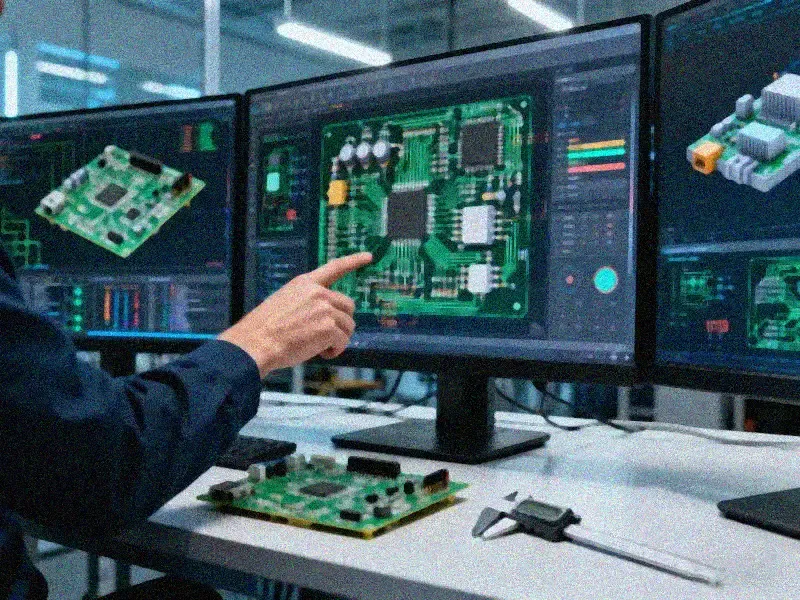
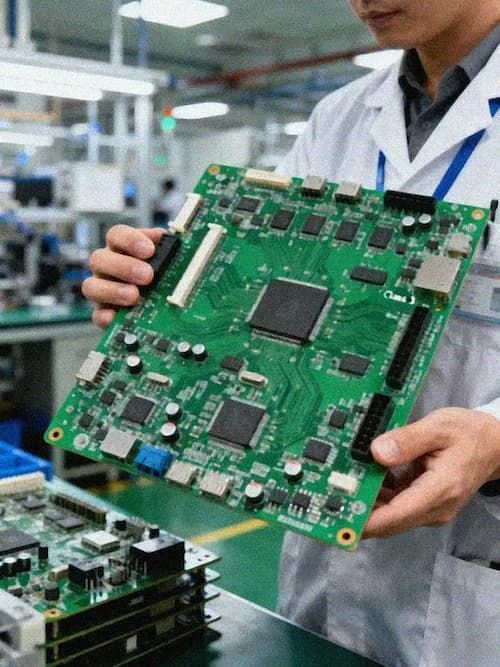
- Multi-Platform IDH Design Support: Covers all mainstream embedded processor platforms to match varied computing power and power consumption requirements for IoT sensor products, including ARM series (TI AM3358/AM4376/AM5728, NXP i.MX6/i.MX8/LS1043, Rockchip RK3288/RK3399/RK3566/RK3568/RK3588, Allwinner T3/T5/A20, Hisilicon Hi3519/Hi3559), high-performance GPU platforms, XILINX ZYNQ7020 FPGAs, and TI TMS320C6678/TMS320C665x DSPs. Design teams can select and optimize the most suitable platform based on sensor function requirements, from low-power passive sensing devices to high-performance edge intelligent sensors with on-site data analysis capabilities. They also support flexible storage configuration options, including DDR2/DDR3/LPDDR3/DDR4/LPDDR4 SDRAM, eMMC, NAND FLASH, SPI/QSPI FLASH, EEPROM and SRAM, adapting to different data caching, local storage, and offline operation needs for IoT sensors.
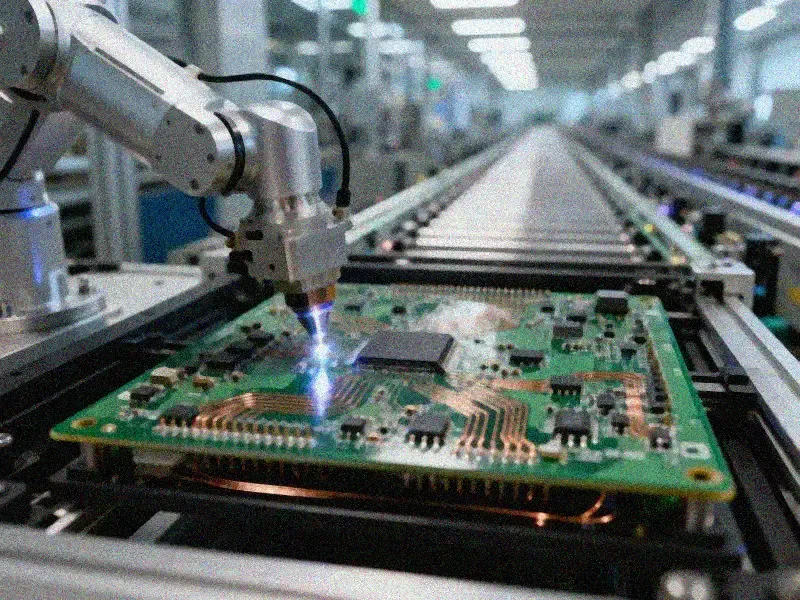
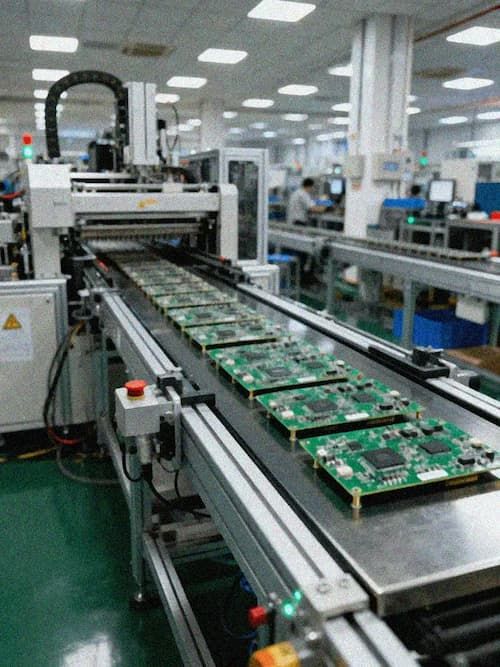
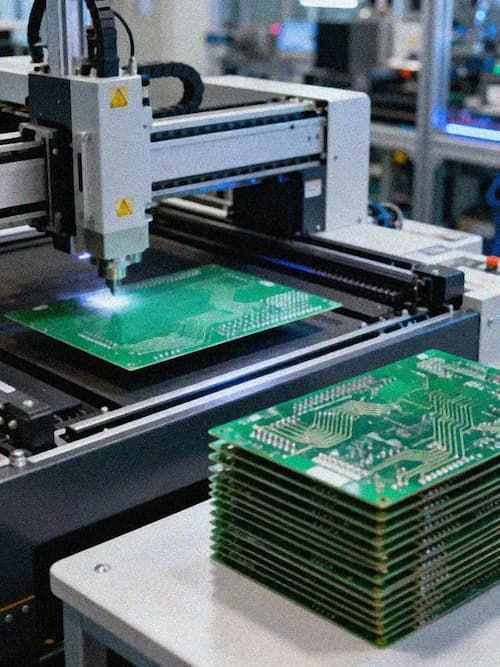
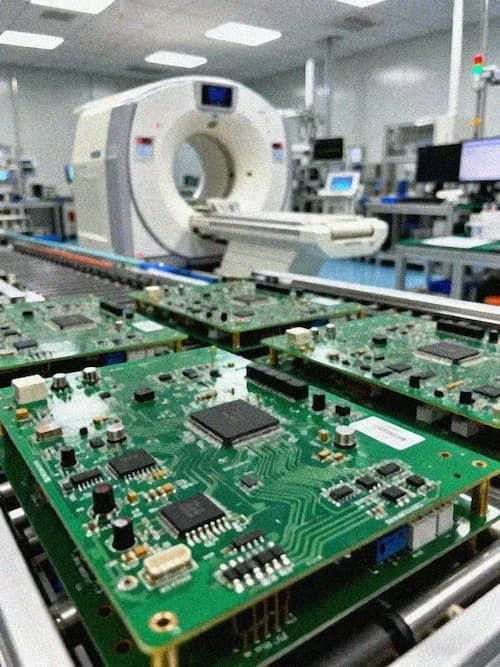
- High-Density PCBA Assembly Capabilities: Supports assembly of ultra-fine pitch and specialized component packages including 01005 micro surface mount packages, BGA, FCAA, and POP stacked structures, meeting the extreme miniaturization design requirements of compact IoT sensor devices for wearable, embedded, and hidden deployment scenarios. Full-process assembly services covering SMT, DIP, and finished product integration are provided, with full compatibility for 2G/3G/4G LTE and other wireless communication module integration, supporting direct connection of sensor products to public or private IoT networks without secondary modification.
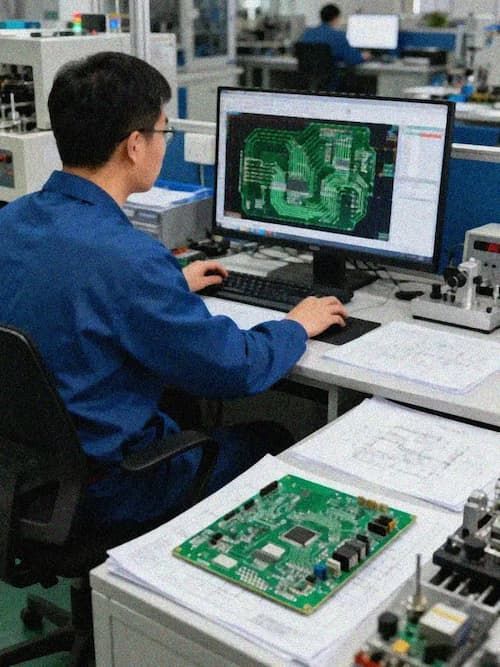
- Whole-Process Technical Support: Covers every stage of product development from demand evaluation, component selection, schematic design, PCB layout, firmware burning, to function debugging and optimization, reducing repeated verification work and cross-vendor communication costs for customers, and effectively shortening the product development cycle from demand confirmation to prototype launch.
Quality Standards
IoT sensors are often deployed in unattended, harsh field environments, requiring extremely high long-term operation stability. Professional IoT sensors manufacturers implement strict multi-stage quality control systems to ensure product reliability:
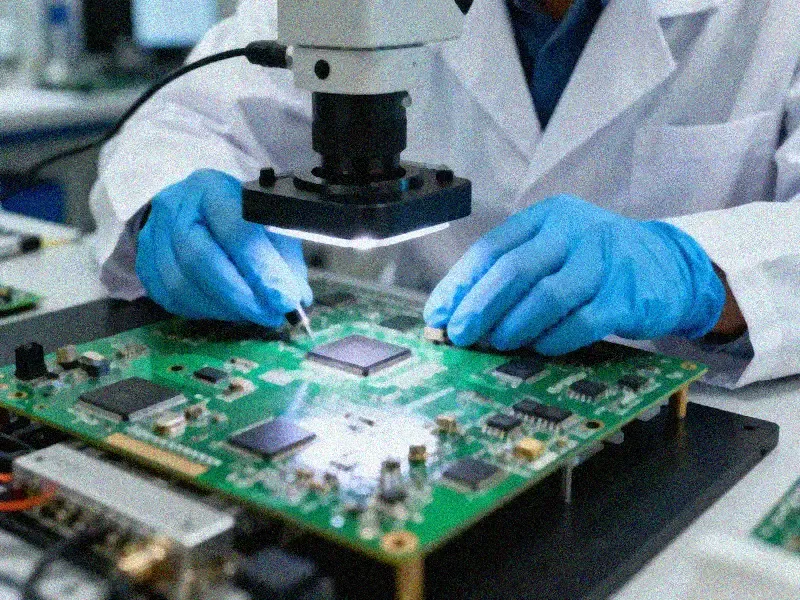
- Full-Coverage In-Process Testing: Implements layered testing throughout the assembly process, including online SPI solder paste inspection, 3D-AOI optical inspection after soldering, first article inspection (FAI) for each production batch, and final functional testing (FCT) for all finished products, eliminating soldering defects, component offset, missing parts, and functional abnormalities during production, ensuring 100% outgoing product function qualification and high batch consistency.
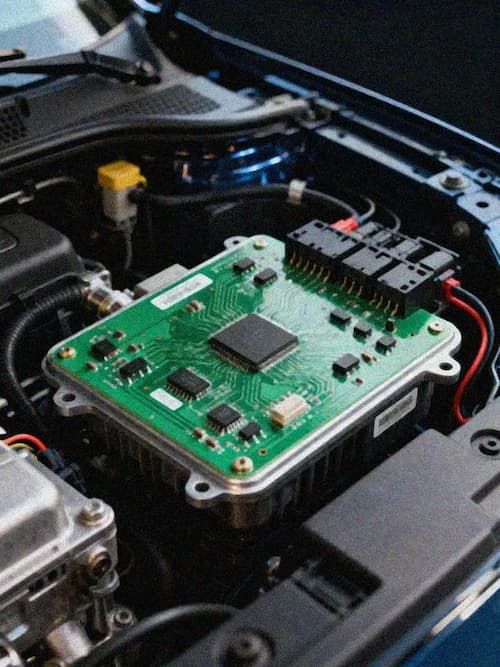
- Comprehensive Reliability Verification: Operates a professional testing system covering component reliability testing and finished product reliability testing, including high and low temperature cycle testing, vibration and shock testing, waterproof and dustproof grade verification, EMC anti-interference testing, and long-term continuous operation aging testing, ensuring sensor products can operate stably for extended periods in complex environments such as high temperature, high humidity, corrosive, and strong electromagnetic interference scenarios.
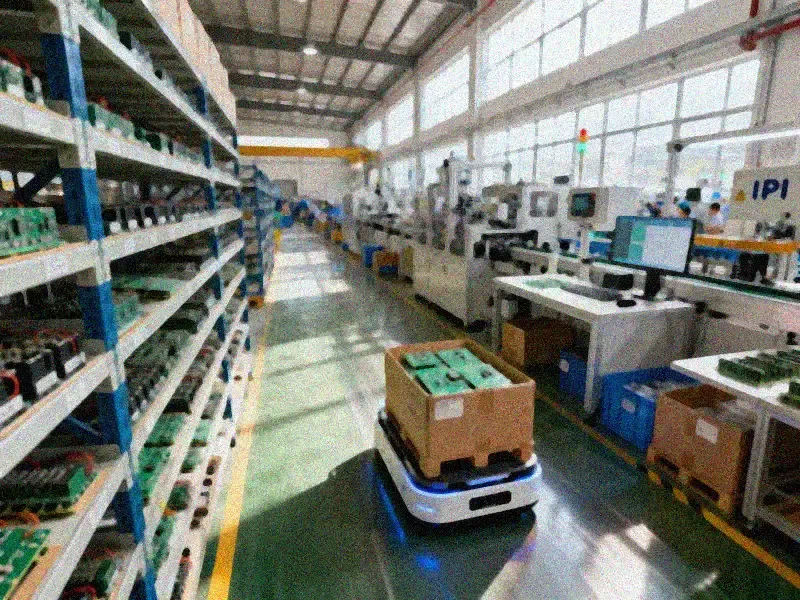
- Standardized Supply Chain and Material Management: Provides BOM warehousing services supporting both customer-supplied and self-purchased materials, with strict incoming material inspection mechanisms to filter out counterfeit, defective, and non-compliant components, and full material traceability systems to ensure material consistency across small-batch trial production and large-scale mass production batches, avoiding performance deviations caused by material changes.
Applications
Custom IoT sensor solutions from professional manufacturers are widely applicable across diverse smart deployment scenarios, including but not limited to:
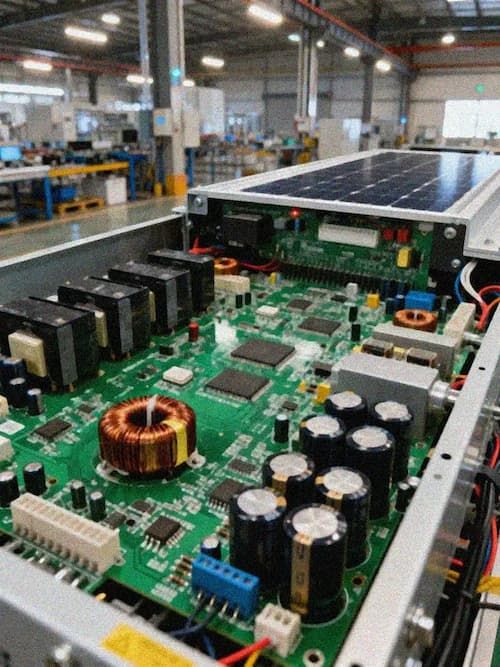
- Industrial IoT: Production line equipment vibration monitoring sensors, power consumption monitoring sensors, workshop environmental parameter (temperature, humidity, dust, toxic gas) monitoring sensors, and equipment predictive maintenance perception sensors, supporting digital and intelligent transformation of manufacturing facilities.
- Smart City: Public space air quality monitoring sensors, intelligent parking space detection sensors, smart street light control sensors, municipal pipe network leakage monitoring sensors, and security monitoring peripheral auxiliary perception sensors, supporting efficient operation and management of urban public facilities.
- Smart Agriculture: Soil moisture and nutrient monitoring sensors, farmland air temperature and humidity sensors, light intensity monitoring sensors, pest and disease monitoring sensors, and livestock and poultry breeding environmental monitoring sensors, helping improve agricultural production efficiency and reduce resource consumption.
- Smart Home: Human presence detection sensors, indoor PM2.5 and formaldehyde monitoring sensors, smart appliance linkage control sensors, home security door and window alarm sensors, and elderly care fall detection sensors, improving home life convenience and safety.
- Wearable Consumer Electronics: Vital sign (heart rate, blood oxygen, blood pressure) monitoring sensors, motion tracking and posture recognition sensors, and environmental ultraviolet and radiation monitoring sensors for smart watches, wristbands and other wearable devices.
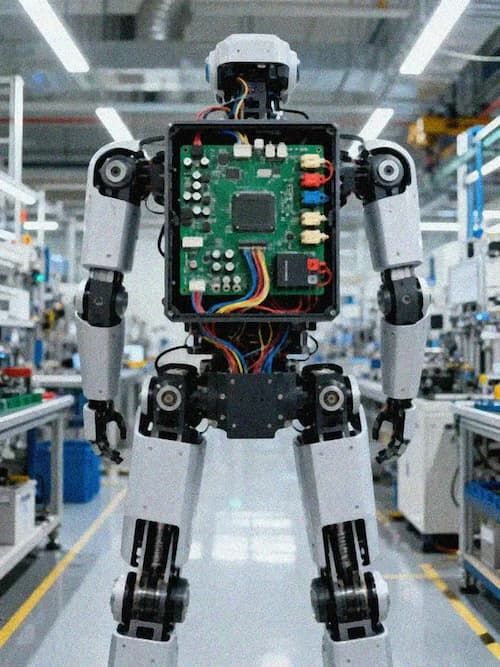
- Intelligent Robot and Edge Computing Devices: Perception sensors for humanoid robots, industrial inspection robots, logistics autonomous transport AGVs, and commercial service robots, supporting real-time collection of surrounding environment data for intelligent decision-making.
Key Advantages
Cooperating with professional IoT sensors manufacturers brings multiple core benefits for downstream customers:
- High Customization Flexibility: Supports fully tailored design for different power consumption, computing power, communication protocol, protection grade, and form factor requirements, adapting to niche and specialized IoT sensor deployment needs that cannot be met by off-the-shelf standard products.
- Efficient Product Launch Cycles: Integrated design and manufacturing service models eliminate cross-vendor communication gaps and compatibility risks between different links, enabling rapid prototyping, small-batch trial production, and fast scaling to large-scale mass production, effectively shortening the time-to-market for new sensor products by 30% to 50% compared with decentralized multi-vendor cooperation models.
- Controllable Total Cost of Ownership: Mature pre-verified design templates and standardized production processes reduce repeated design verification costs, while bulk material procurement channels and high production yield help lower overall product manufacturing costs without compromising product quality and reliability.
- Full Compliance Support: All design and manufacturing processes comply with international industry quality standards, and products can meet the certification requirements for industrial, medical, automotive, and consumer electronics sectors, reducing compliance risks and certification costs for downstream customers when launching products in different regional markets.
Contact Information
If you have custom development, prototype verification, or mass production needs for IoT sensors, please contact our professional technical team. We will provide you with free pre-sales technical evaluation, customized solution design, and transparent quotation services, and provide full-process technical support throughout the project implementation cycle to support the smooth implementation of your IoT deployment projects.