Overview
Industrial PCB production efficiency is a core competitive factor for industrial electronic supply chains, directly impacting project delivery timelines, product manufacturing costs, and end-device reliability. As industrial sectors including smart manufacturing, new energy, and medical electronics accelerate product iteration and scale up deployment, traditional semi-automated PCB production workflows face growing bottlenecks: high labor error rates, long processing cycles, low mass production yields, and frequent design-related reworks that extend lead times by 30% or more. Optimized industrial PCB production efficiency frameworks address these pain points by integrating design alignment, automated manufacturing, in-line testing, and standardized quality control across the entire production lifecycle, balancing speed, yield, and reliability to meet the diverse needs of industrial clients for prototyping, small-batch trial production, and large-scale mass production.
Technical Capabilities
High-efficiency industrial PCB production relies on advanced equipment and process capabilities to eliminate redundant steps and reduce unplanned downtime, with core technical capabilities including:
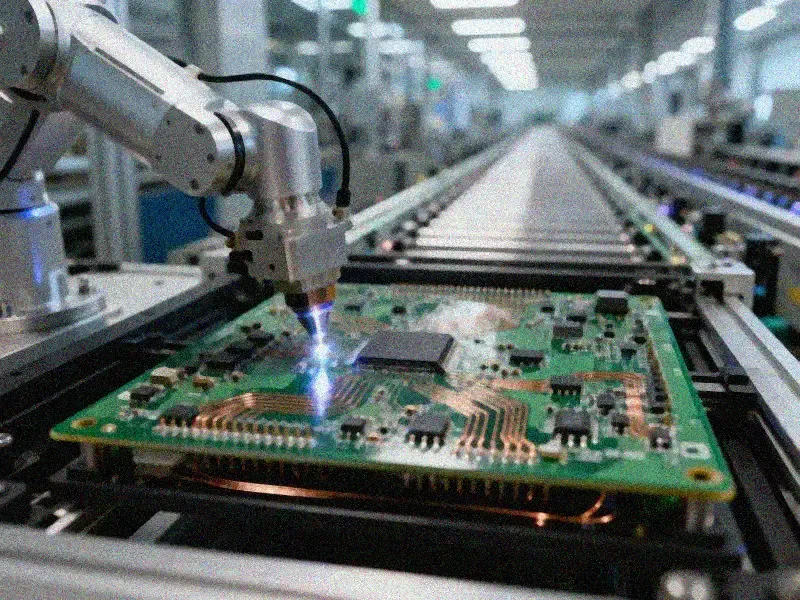
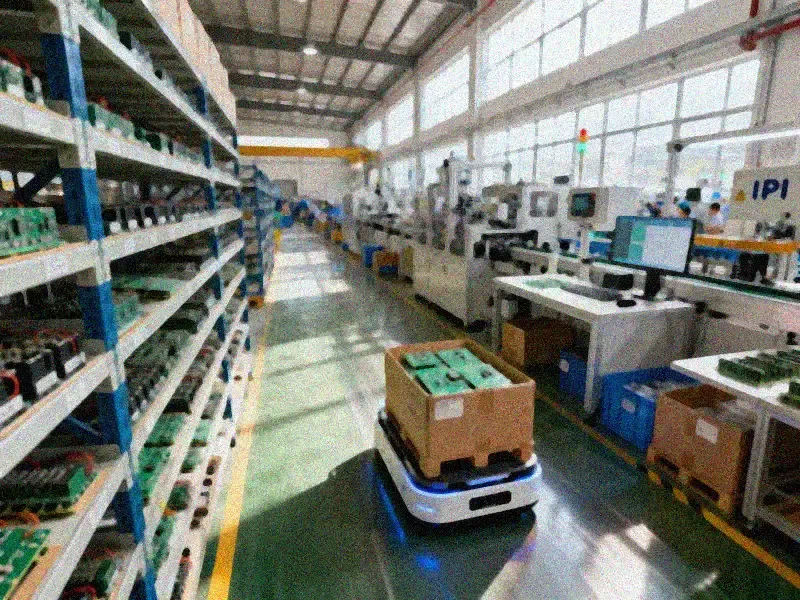
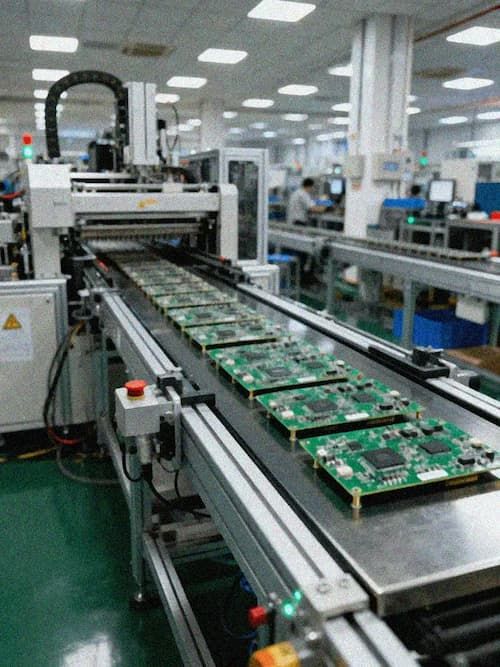
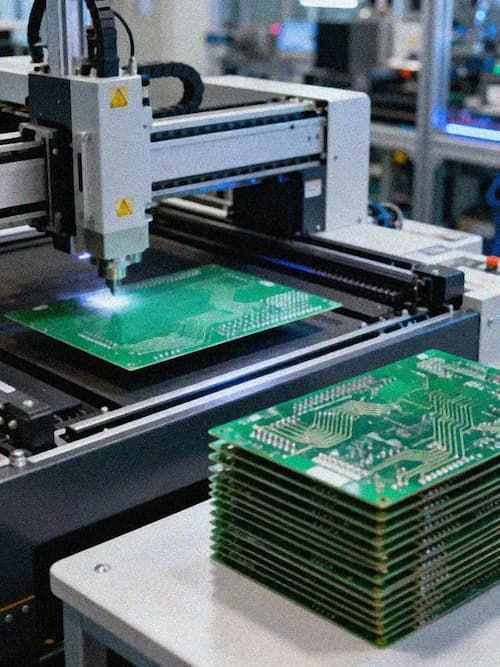
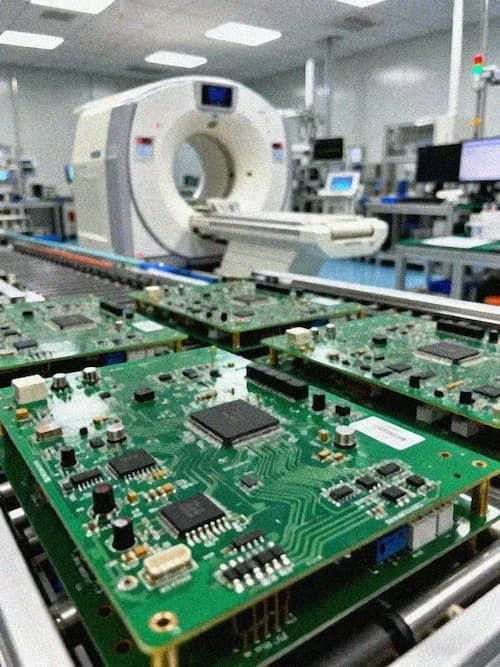
- 24/7 Automated Production Line Operation: Fully automated production lines support uninterrupted operation around the clock, eliminating manual process bottlenecks and reducing human error rates by more than 80% compared to semi-automated setups. Core production equipment includes high-precision laser drilling machines, automatic pressing systems, laser direct imaging (LDI) equipment, inkjet printers, CNC drilling systems, and automatic plating lines, cutting per-board processing time by 35% on average while ensuring consistent processing quality across mass production batches.
- High-Precision Multi-Specification Processing Adaptability: Support for a wide range of industrial PCB design specifications to avoid design-related reworks that drag down production efficiency, including minimum component package sizes down to 01005 (0.3mm0.2mm), minimum processing accuracy of 0.5 pitch, maximum board dimensions of 600mm450mm, and component thickness ranges from 0.5mm to 3mm with support for custom thickness requirements. Double-sided process device heights of up to 25mm are supported, adapting to diverse industrial PCB design needs for high-density, special-form-factor products.
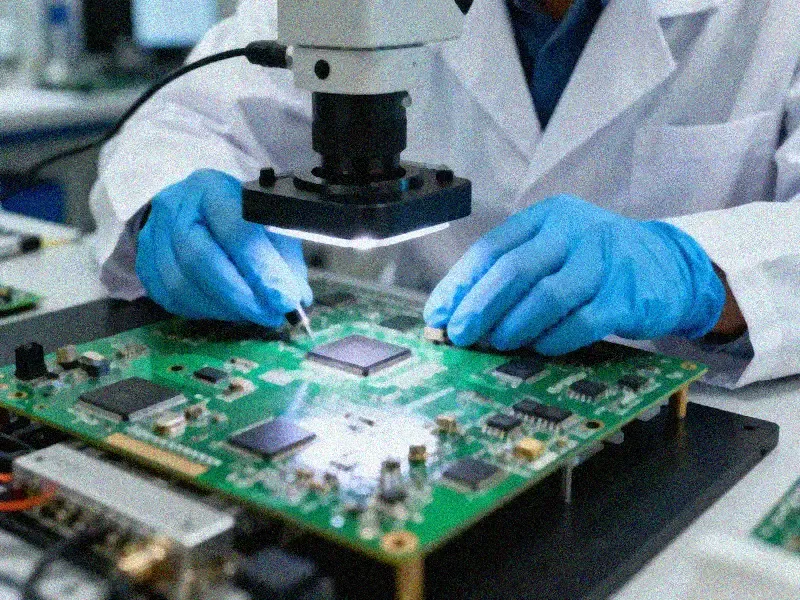
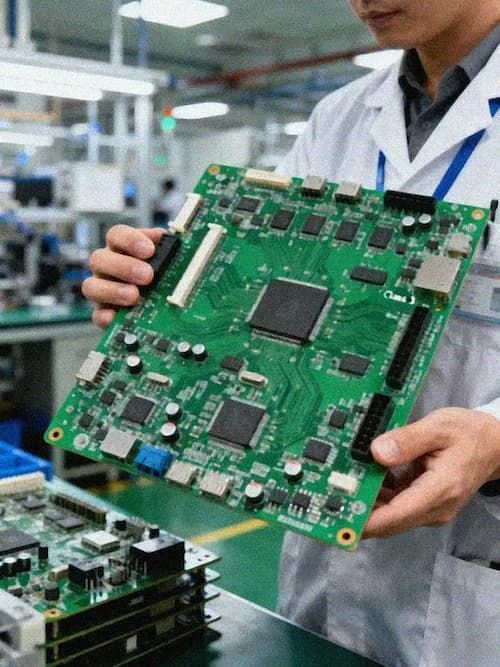
- In-Line Real-Time Testing & Yield Optimization: Integrated testing systems deployed at every production stage, including 3D solder paste inspection, on-line AOI inspection, X-ray non-destructive testing, and energy dispersive X analysis, enable real-time detection of defects including misalignment, insufficient solder, and via voids, reducing post-production rework rates by up to 40%. ISO/IEC 17025 accredited testing centers provide authorized compliance testing services, ensuring finished products meet industrial reliability standards and reducing post-delivery rejection rates that require re-production.
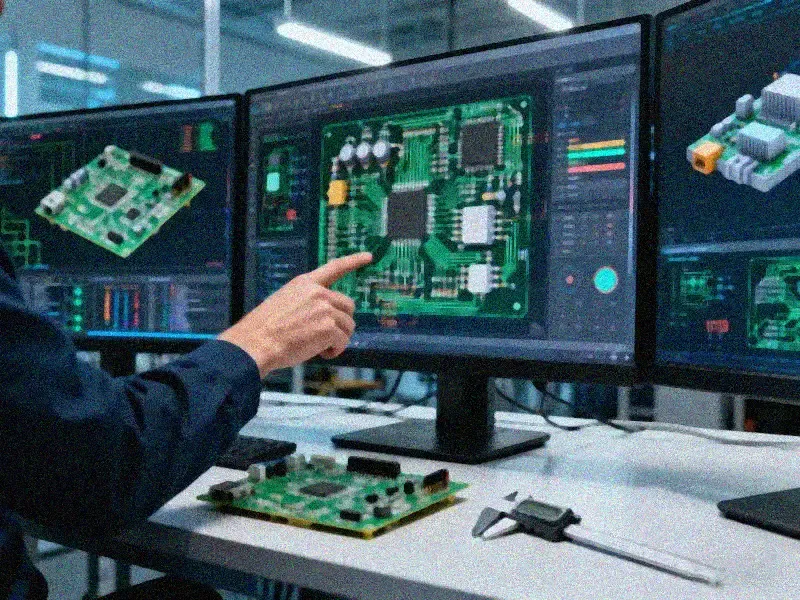
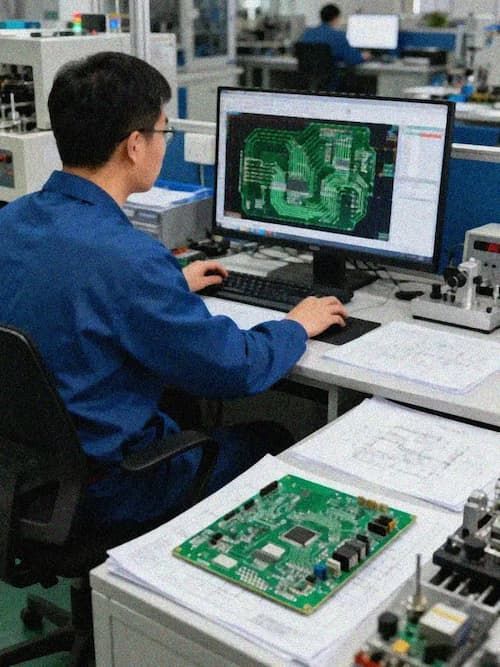
- Design-for-Manufacturing (DFM) Pre-Alignment: DFM consultation services integrated into the pre-production phase identify potential manufacturing bottlenecks during the design stage, including stack-up optimization, routing adjustment, and component placement modification, to adapt designs to existing production workflows, cutting lead times for prototyping and mass production by 25% on average and eliminating design-related production delays.
Quality Standards
Industrial PCB production efficiency improvements do not come at the cost of product quality, with all production processes aligned to globally recognized management standards to ensure stable, consistent output:
- Quality Management Compliance: Production processes follow ISO9001 quality management system and IATF16949 automotive industry quality management system requirements, with strict process parameter control and traceable production records for every batch of PCBs, eliminating unplanned downtime caused by quality deviations. ISO13485 medical device quality management system compliance is also available for medical electronic PCB orders, meeting strict regulatory requirements for medical product manufacturing.
- Operational Compliance: Adherence to ISO14001 environmental management system and ISO45001 occupational health and safety system standards ensures production lines operate stably without disruptions from regulatory non-compliance, while ISO50001 energy management system alignment optimizes resource utilization, reduces production waste, and lowers overall production costs for clients.
- Testing Standard Compliance: All testing processes follow ISO/IEC 17025 laboratory accreditation requirements, with test results recognized globally, eliminating the need for third-party re-testing by clients and shortening product launch cycles.
Applications
High-efficiency industrial PCB production solutions adapt to the needs of diverse industrial sectors, with common application areas including:
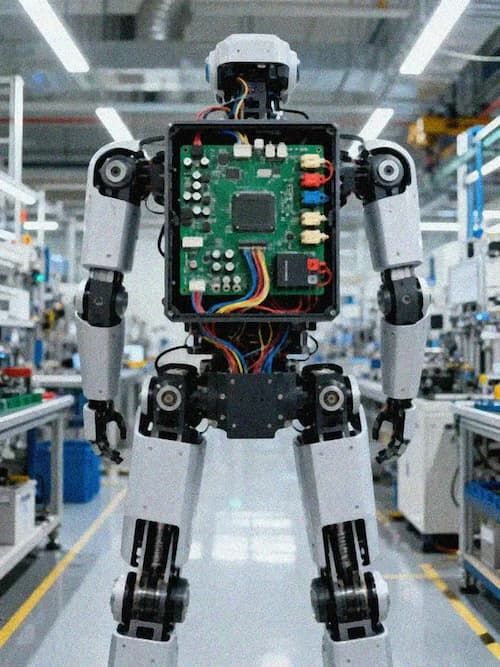
- Industrial automation equipment, including PLCs, industrial robots, servo drive controllers, and factory sensor systems that require high-volume, high-reliability PCB supply to support large-scale smart factory deployment
- Medical electronic devices, including patient monitoring systems, diagnostic imaging equipment, and portable medical devices that have strict quality requirements and tight production lead times to meet healthcare industry demand
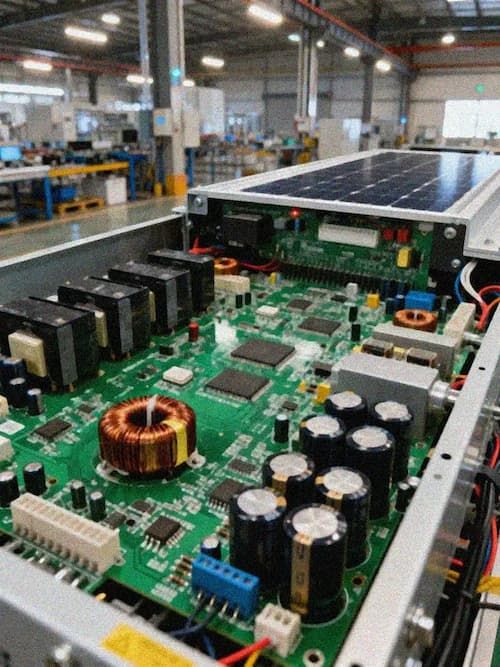
- New energy industrial systems, including energy storage converters, photovoltaic inverters, and wind power control units that require large-batch PCB production with consistent performance to support the rapid expansion of the new energy sector
- Industrial communication infrastructure, including 5G industrial gateways, edge computing nodes, and industrial Ethernet switches that require high-density PCB manufacturing with fast turnarounds to support industrial digital transformation
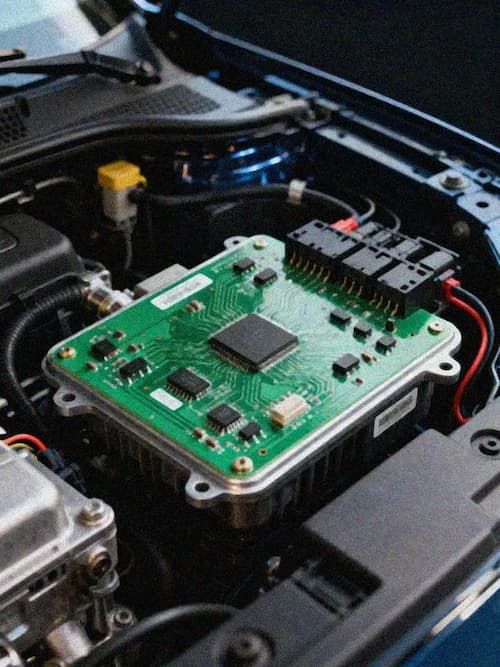
- Smart transportation systems, including vehicle monitoring terminals, traffic signal control units, and intelligent logistics sorting equipment that require balanced production efficiency and reliability to support large-scale smart city deployment projects
Key Advantages
Optimized industrial PCB production efficiency frameworks deliver measurable benefits for industrial clients, including:
- Flexible Delivery Adaptability: 24/7 continuous production capacity supports both urgent quick-turn prototyping orders and large-scale mass production runs, with lead times for 2-8 layer PCBs reduced to 48 hours for prototyping and 7-10 days for mass production, meeting tight project delivery schedules for industrial clients.
- High Yield Rate Guarantee: Automated production processes and in-line real-time testing reduce overall defect rates, with mass production yields maintained at over 98% for standard industrial PCBs and over 97% for high-density complex PCBs, minimizing material waste and rework time, and lowering overall production costs for clients by 15-20% on average.
- Customization Support: Adaptable production lines support unconventional PCB dimensions, special component requirements, and custom performance specifications, eliminating the need for clients to adjust their designs to fit rigid manufacturing capabilities, reducing pre-production adjustment time by 30%.
- End-to-End Process Optimization: Integrated workflows covering DFM consultation, manufacturing, testing, and delivery reduce cross-process communication delays, eliminate redundant process steps, and provide clients with a single point of contact for all production-related queries, reducing problem resolution time by 60% compared to multi-vendor production setups.
Contact Information
If you have requirements for high-efficiency industrial PCB production, including prototyping, small-batch trial production, or large-scale mass production, please contact our technical support team. We will provide you with customized production solutions, free DFM evaluation, and detailed quotation services tailored to your specific project needs.