Overview
Industrial equipment operates in often harsh, unregulated environments, with exposure to extreme temperature fluctuations, heavy mechanical vibration, high humidity, dust, and corrosive substances, all of which place far more stringent requirements on PCB performance than consumer electronics. Inconsistent PCB quality can lead to unplanned equipment downtime, production line halts, and significant economic losses for industrial operators. Industrial equipment PCB suppliers specialize in developing and manufacturing high-durability, high-performance PCB solutions tailored to these demanding use cases, covering the entire product lifecycle from initial R&D prototyping to full-scale mass production, and addressing core industry challenges such as high current carrying capacity, thermal dissipation, signal integrity in high-speed transmission, and long-term operational reliability. No minimum order quantity (MOQ) policies also support flexible order volumes to match R&D, trial production and mass production needs for industrial clients of all sizes.
Technical Capabilities
- Diverse Product Portfolio Support: Cover a full range of PCB types to meet varied industrial application needs, including single and double-sided boards, 2-32 layer multilayer boards, high-density interconnect (HDI) boards, rigid-flex boards, heavy copper (thick copper) boards, high-frequency and high-frequency hybrid boards, metal core and metal substrate boards, embedded capacitor, embedded resistor and embedded copper boards, buried copper block boards, ceramic PCBs, high-resistance carbon oil boards, semi-flexible boards, IC substrate boards, high-speed backplanes, and high-speed optical boards. All product types are supported for both low-volume prototyping and high-volume mass production runs, eliminating the need to switch suppliers as products move from R&D to commercialization.
- No Minimum Order Quantity Flexibility: Support order volumes ranging from 1-unit prototyping to 100,000+ unit mass production runs with no MOQ restrictions, fully adaptable to early-stage R&D verification, small-batch functional trial production, and large-scale commercial manufacturing needs. This flexibility eliminates unnecessary inventory costs for small-batch orders and reduces upfront investment risks for new product development.
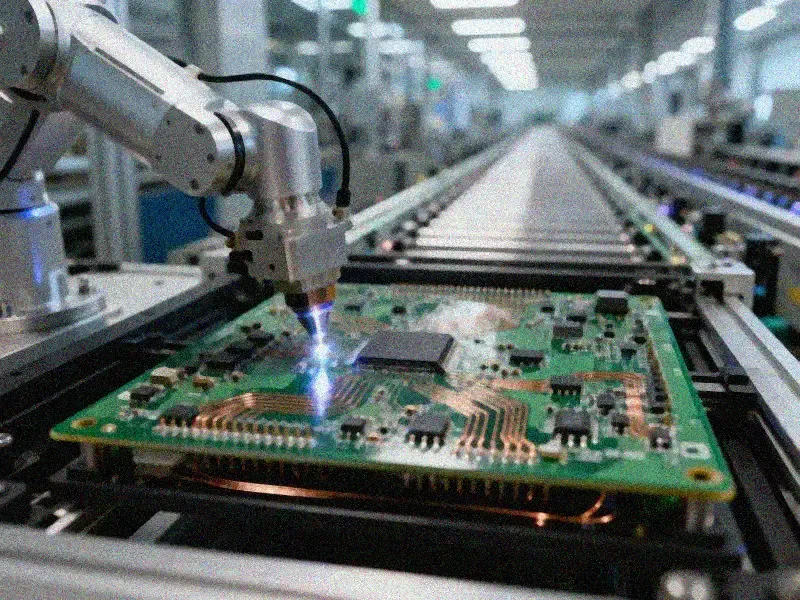
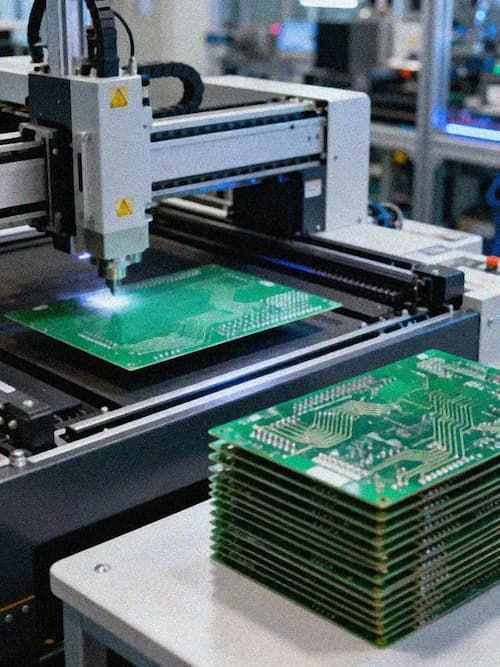
- High-Precision Manufacturing Process: Support micro-vias as small as 0.06mm and line width/spacing down to 2.0/2.0mil, enabling high-density component integration for compact industrial device designs. High-precision impedance control with tight error margins for 100Ω/90Ω and other custom impedance requirements ensures signal integrity for high-speed industrial transmission scenarios, reducing signal loss, crosstalk, and data transmission errors.
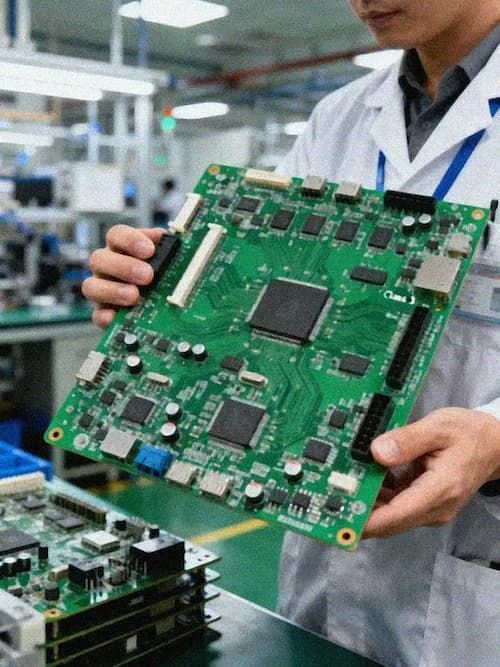
- Embedded Component Integration Capability: Support integrated manufacturing of embedded capacitors, resistors, copper blocks and other specialized components directly into the PCB stack-up, reducing overall board footprint, improving component density, and enhancing mechanical stability by minimizing the number of surface-mounted components. This capability is ideal for compact industrial control devices and equipment deployed in high-vibration environments.
- Thermal Management Optimized Solutions: Thick copper boards, metal core boards, and buried copper block boards support high current carrying capacity and efficient heat dissipation, adapting to high-power industrial equipment operating conditions and preventing thermal degradation of components caused by long-term operation under high load. Custom thermal design support is also available for high-heat industrial use cases.
Quality Standards
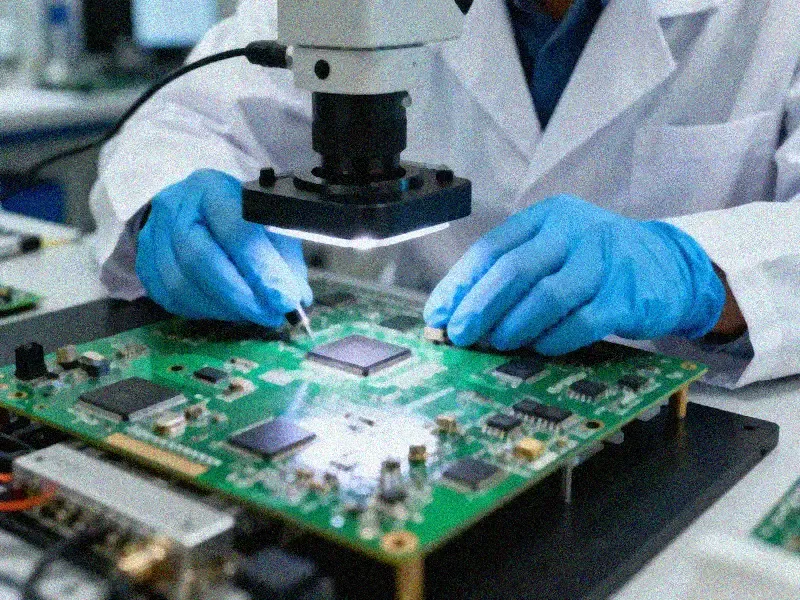
All manufacturing processes adhere to global industrial quality management system requirements, with strict incoming raw material inspection, in-process quality control at every production stage, and 100% finished product testing before shipment. Products comply with relevant industry standards including ISO 9001, and meet specialized certification requirements for vertical industrial segments as needed. Comprehensive testing services are provided to validate product reliability, including:
- Signal integrity testing to verify high-speed data transmission performance
- EMC/EMI testing to ensure compliance with industrial electromagnetic compatibility standards
- High and low temperature cycle testing to validate performance across -40℃ to +85℃ industrial temperature ranges
- Vibration and shock testing to confirm resistance to mechanical stress common in industrial sites
- Humidity and salt spray testing to ensure corrosion resistance for outdoor or harsh environment deployment
- Thermal cycling testing to evaluate long-term durability under repeated temperature changes All industrial PCBs are designed to deliver a service lifespan of 10+ years, matching the long operational life requirements of industrial equipment.
Applications
Industrial equipment PCB solutions can be widely applied across the following industrial scenarios:
- Industrial control systems: Including programmable logic controllers (PLCs), industrial automation controllers, servo drive systems, and human-machine interface (HMI) devices, requiring high mechanical stability and long-term reliability for continuous 24/7 operation.
- Industrial communication equipment: Including industrial Ethernet switches, 5G industrial gateways, edge computing nodes, and industrial wireless access points, requiring high-speed signal transmission performance and low signal loss.
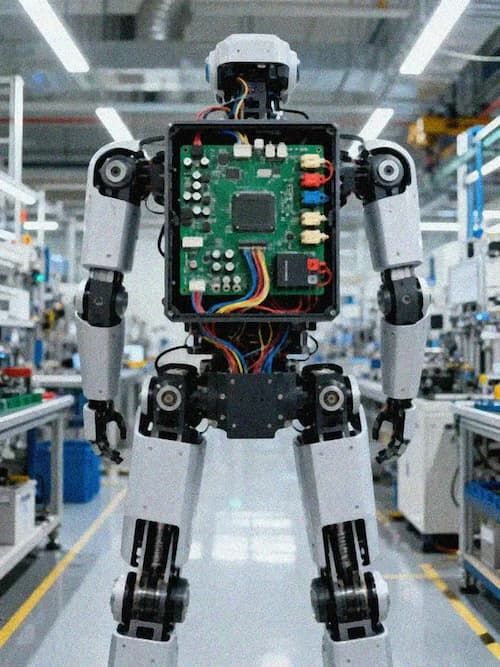
- Industrial AI and automation devices: Including machine vision inspection systems, autonomous inspection robots, automated guided vehicle (AGV) and autonomous mobile robot (AMR) control units, requiring high-density component integration and optimized thermal management.
- Power and energy industrial equipment: Including frequency inverters, power distribution control units, renewable energy generation control boards, and energy storage management systems, requiring high current carrying capacity and excellent thermal dissipation performance.
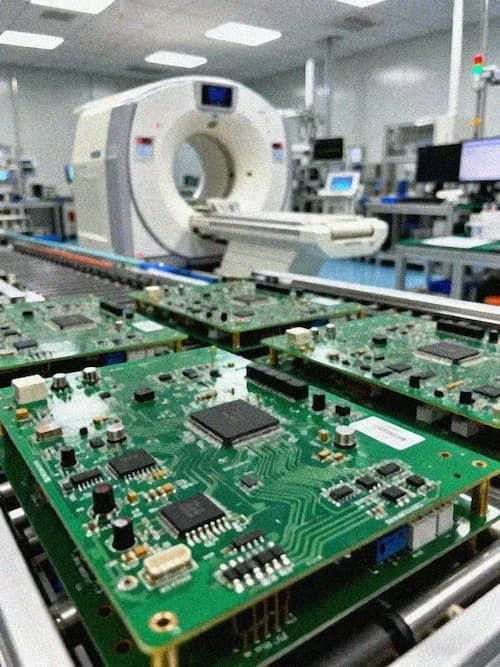
- Medical industrial equipment: Including in-vitro diagnostic device control boards, medical automation systems, and medical imaging equipment components, complying with strict medical industry quality and safety standards.
- Heavy industrial and construction equipment: Including construction machinery electronic control units, mining equipment control boards, and port automation system components, requiring high resistance to vibration, shock, and corrosive substances.
- Industrial IoT and smart factory devices: Including sensor network hubs, industrial IoT terminal devices, and smart factory monitoring systems, supporting compact form factors and low-power operation requirements.
Key Advantages
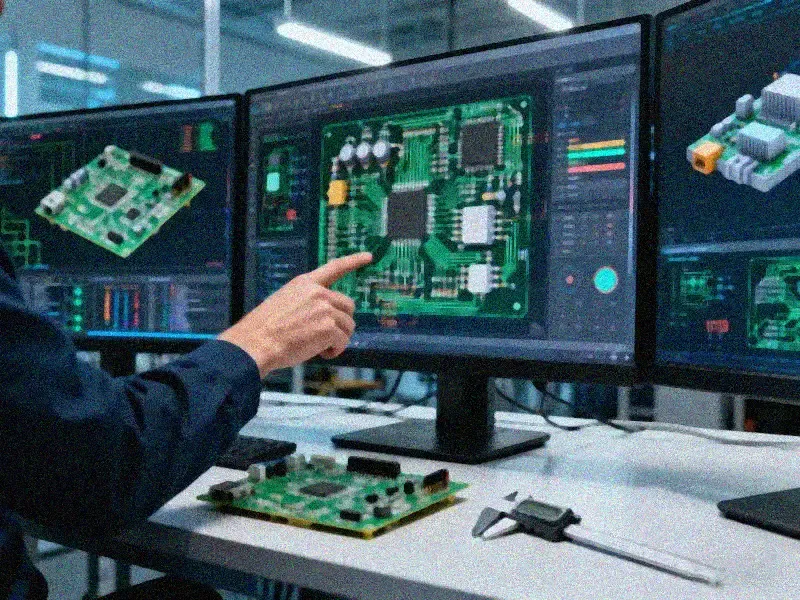
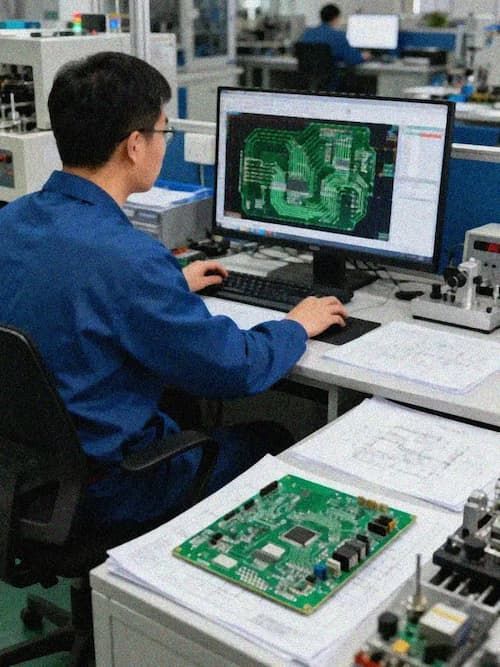
- Full Lifecycle Service Coverage: Provide end-to-end support spanning schematic design review, stack-up architecture planning, manufacturing optimization, functional and reliability testing, and after-sales technical consultation, covering all stages of product development from initial R&D prototyping to full-scale mass production. This integrated service model eliminates communication friction between multiple suppliers, reduces development cycles, and ensures design feasibility for mass manufacturing.
- Highly Customizable Solutions: Support fully tailored specifications to address unique industrial use case requirements, including custom high-frequency material matching, targeted impedance adjustment, thick copper thickness configuration from 2oz to 20oz, custom rigid-flex layer ratio and bending area design, and embedded component integration support for specialized performance needs. This flexibility allows for the development of PCBs that perfectly match the unique performance, form factor, and cost requirements of each industrial application.
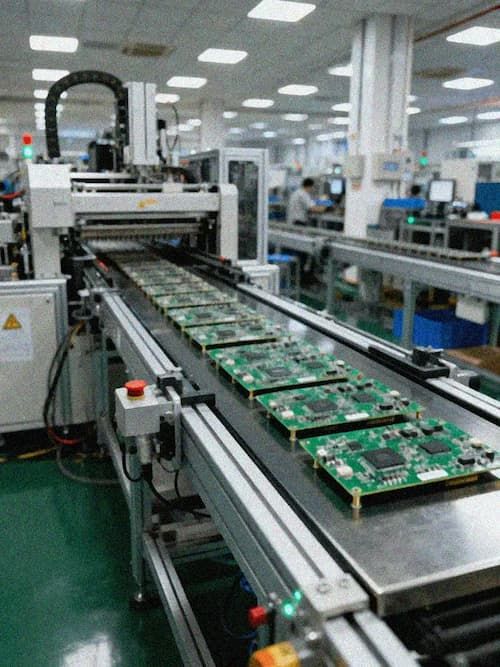
- Stable and On-Time Delivery: Establish long-term stable cooperative relationships with leading global raw material suppliers, with a safety stock of common industrial PCB materials to avoid supply chain disruptions. An optimized production scheduling system supports fast turnarounds for prototyping orders (2-7 day lead times) and on-time delivery for mass production orders, ensuring continuous supply for industrial equipment mass production lines and avoiding costly production downtime caused by PCB supply delays.
- Cost-Optimized Manufacturing: Optimized production processes reduce manufacturing waste and improve production yield, while the no minimum order quantity policy eliminates unnecessary inventory costs for small-batch R&D and trial production orders. Solutions are designed to balance performance, durability, and manufacturing cost across all order volumes, helping clients reduce overall product development and production costs without compromising on quality.
Contact Information
If you have any industrial equipment PCB manufacturing requirements, whether for 1-unit R&D prototyping, small-batch trial production, or large-scale annual mass production, you can reach out to the professional technical support team for support. The team will provide you with fully customized PCB solutions, free technical feasibility evaluation, and transparent quotation services based on your specific application scenarios, performance parameters, and delivery requirements. All inquiries will be responded to within 24 working hours, with targeted technical suggestions provided to help you address your PCB design and manufacturing challenges.