Overview
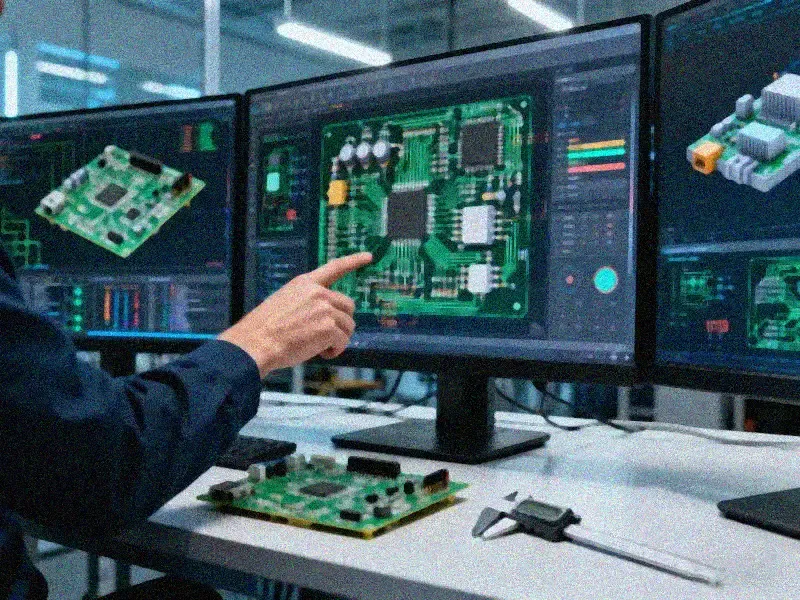
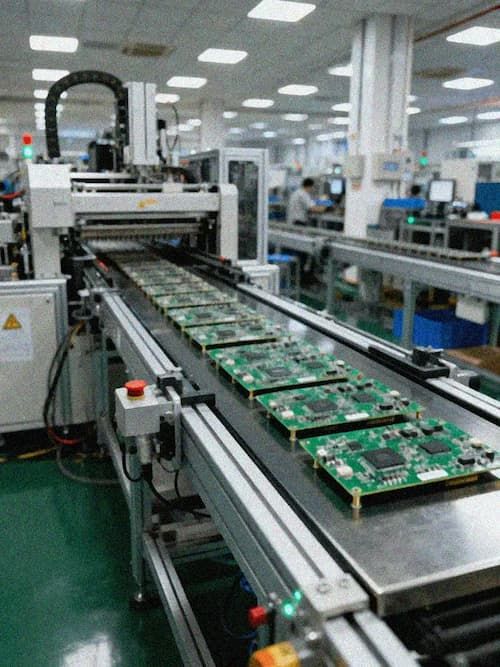
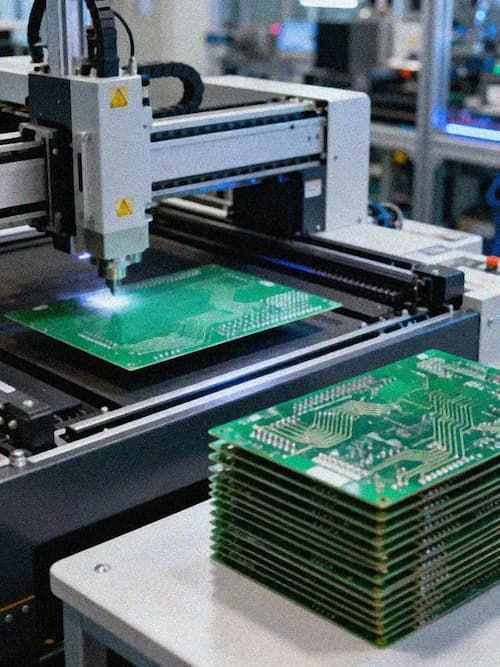
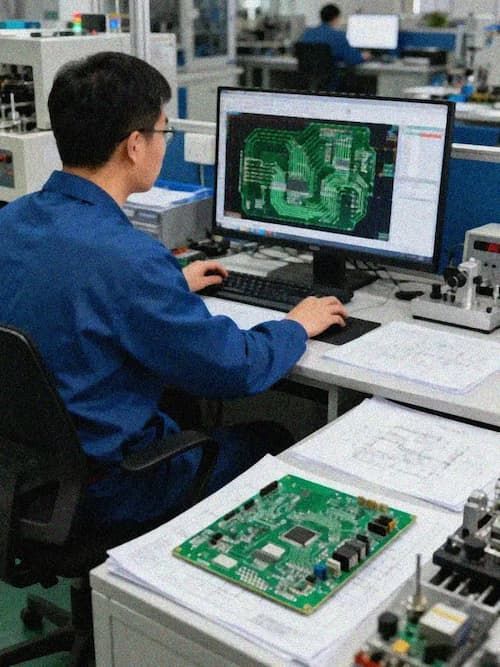
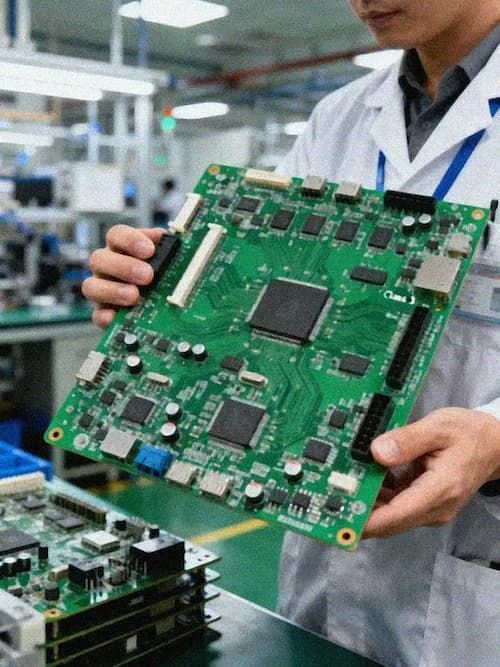
Industrial automation systems operate in harsh, complex on-site environments characterized by wide temperature fluctuations, strong electromagnetic interference, continuous vibration, dust, and humidity, placing extremely stringent requirements on the reliability, power delivery stability, and signal transmission accuracy of printed circuit boards. Poorly designed industrial automation PCBs can lead to frequent equipment downtime, data transmission errors, and shortened service life, directly affecting production efficiency and operational safety. Industrial automation PCB design is a specialized design service tailored to the unique demands of industrial scenarios, covering the full process from schematic design, stack-up planning, component placement and routing optimization, to pre-production verification, fully meeting the performance and durability needs of various industrial automation hardware.
Technical Capabilities
- Specialized Board Material Support: Supports a wide range of industrial-grade substrate options including heavy copper boards, rigid-flex boards, semi-flexible boards, metal core/substrate boards, high-frequency hybrid boards, high-speed backboards, buried resistance/capacitance boards, buried copper block boards, and ceramic PCBs, adapting to different load, heat dissipation, flexibility, and anti-corrosion requirements of automation equipment.
- High-Density Routing Compatibility: Achieves minimum trace width/space of 2.0/2.0 mil for standard PCBs and 25/25 um for IC substrates, with minimum mechanical hole diameter as low as 0.10mm, supporting high-density component layout for compact industrial automation controllers, edge computing nodes, and miniaturized sensor modules.
- High-Load Power Design Optimization: Supports up to 18 OZ maximum copper thickness, compatible with both AC and DC power supply architectures, optimized for high-power industrial drive systems, frequency converters, and motor control units to ensure stable power delivery even under continuous high-load operation. It also integrates overcurrent, overvoltage, and surge protection design to reduce the risk of hardware damage caused by grid fluctuations.
- Signal Integrity Optimization: Supports common industrial communication protocols including I2C, TDM, and PCM, with precise impedance control to reduce crosstalk, signal attenuation, and reflection, ensuring reliable data transmission between sensors, controllers, and actuators in complex electromagnetic environments. High-speed backboard design capabilities also meet the low-latency transmission needs of large-scale industrial control systems.
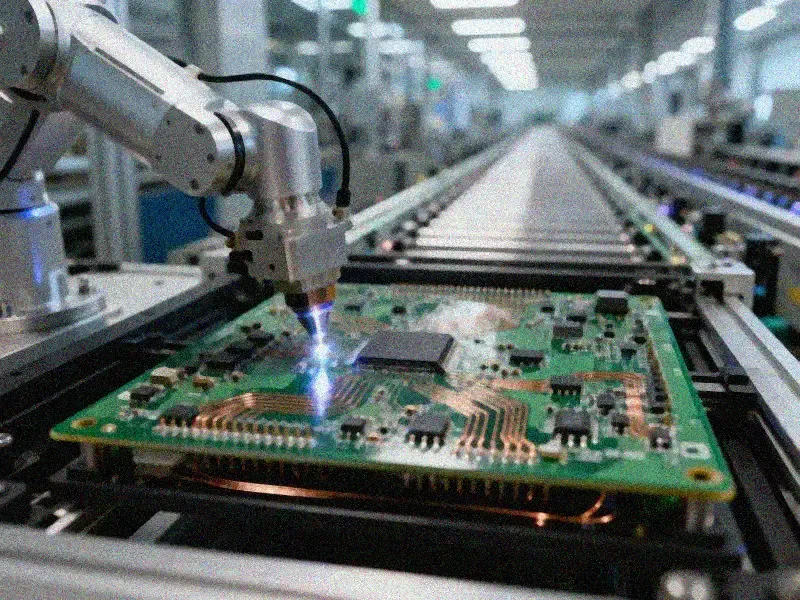
- Electromechanical Integration Support: Covers appearance ID design, structural design (including material selection, process optimization, reinforcement, and protective design), and cross-domain electromechanical coordination, ensuring the PCB fits perfectly with the equipment shell, heat dissipation structure, and wiring layout, reducing iterative costs between design and manufacturing stages. It also provides BOM optimization and production compatibility verification to ensure design solutions can be smoothly transferred to mass production.
Quality Standards
Industrial automation PCB design strictly follows global industrial-grade specifications and quality control requirements, ensuring products meet the operating demands of harsh industrial scenarios:
- Complies with IPC-A-610 Class 2 and Class 3 electronic assembly standards, supporting long-term stable operation in an industrial-grade temperature range of -40℃ to +85℃
- Meets EMC/EMI standards for industrial environments, with anti-static, anti-surge, and anti-electromagnetic interference design to avoid signal distortion caused by on-site electrical equipment interference
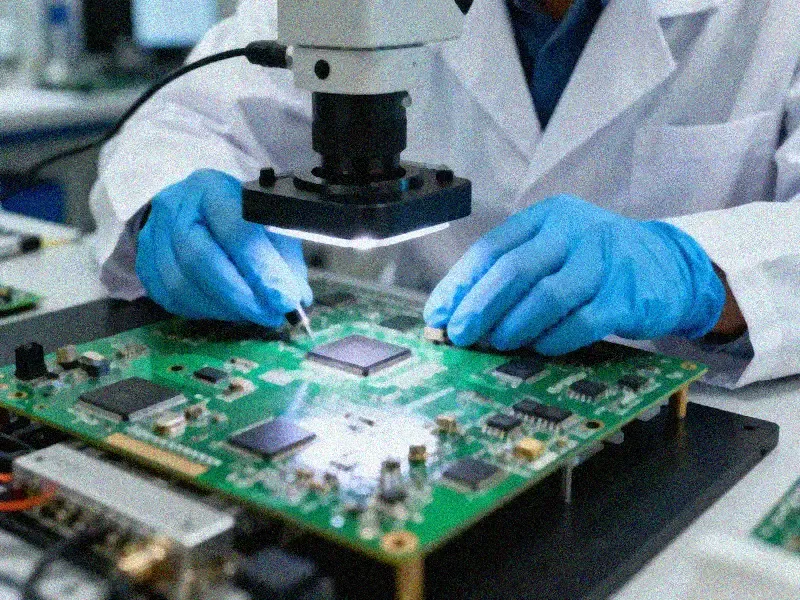
- Passes reliability verification including thermal cycling testing, humidity and heat resistance testing, vibration and shock testing, and salt spray testing, adapting to dusty, high-humidity, and corrosive production environments
- Adheres to RoHS, REACH, and other environmental protection standards, meeting the green production requirements of industrial facilities
Applications
Industrial automation PCB design solutions can be widely applied to various automated production and operation scenarios, including but not limited to:
- PLC (Programmable Logic Controller) core control boards for production lines
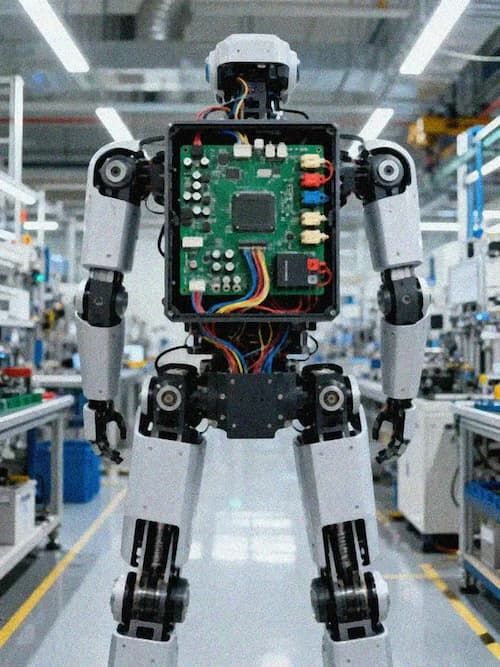
- Industrial robot joint control and drive circuit boards
- Sensor and actuator control modules for automated production lines
- Industrial edge computing gateways and data acquisition terminals
- CNC machine tool motion control and servo drive systems
- Core control boards for industrial vision inspection equipment
- Control and power boards for intelligent logistics AGV/AMR vehicles
- Industrial HMI (Human-Machine Interface) control units
- Power distribution and energy monitoring modules for industrial facilities
- Intelligent warehouse sorting equipment control systems
Key Advantages
- Scenario-Based Customization: Design solutions are tailored to specific industrial operating scenarios, with optional protective structures, heat dissipation optimization, and anti-corrosion material selection to adapt to different on-site environmental conditions, from food processing workshops with high humidity to heavy industry production lines with strong vibration.
- Low Iteration Risk: Pre-production design for manufacturability (DFM) verification ensures compatibility with prototyping and mass production processes, reducing the risk of design rework and shortening the time to market for new industrial automation products by 20% to 30% on average.
- Long Service Life: Design processes integrate redundant routing, fault-tolerant design, and component derating design, extending the service life of PCBAs by more than 50% compared to consumer-grade PCB designs, reducing equipment maintenance costs for industrial users.
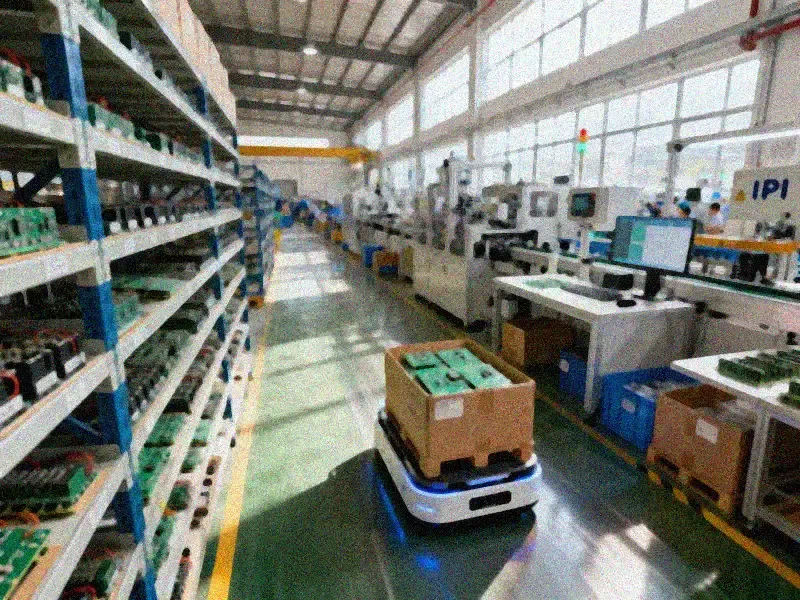
- Full Production Cycle Adaptability: Supports both small-batch prototype verification for R&D testing and large-scale mass production for formal equipment launch, with consistent design performance across different production volumes to ensure product consistency across batches.
Contact Information
If you have industrial automation PCB design requirements, whether for small-batch prototype verification or large-scale mass production design, you can contact our technical team at any time. We will provide you with customized design solutions, free pre-project technical evaluation, and professional consulting support to fully meet your project performance, cost, and delivery timeline needs.