Overview
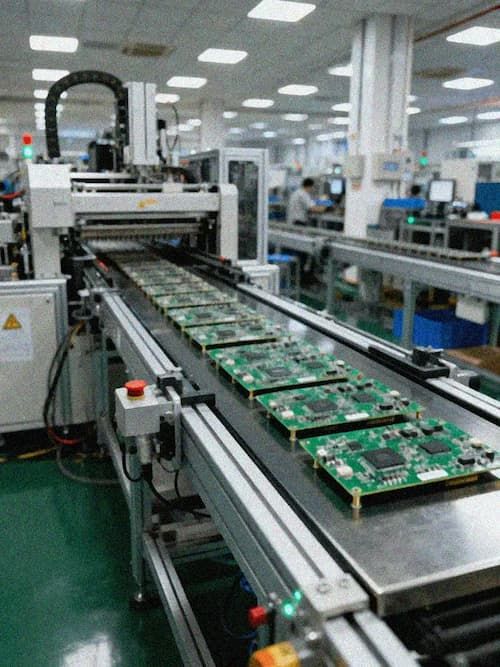
The global transition to renewable energy, grid modernization, and e-mobility has created urgent demand for power system hardware that balances high operational performance with clear environmental benefits. Standard PCBs used in energy applications often suffer from short operational lifespans, poor thermal efficiency that increases energy waste, and non-recyclable material compositions that contribute to e-waste at end of life. Energy PCB sustainability solutions address these core industry pain points by combining advanced PCB design, optimized manufacturing processes, and low-carbon material selection to deliver high-reliability circuit boards that reduce environmental impact across the full product lifecycle of energy infrastructure. These solutions are tailored to meet the strict performance and compliance requirements of modern power systems, supporting both operational efficiency gains and corporate ESG targets for energy hardware manufacturers and infrastructure operators.
Technical Capabilities
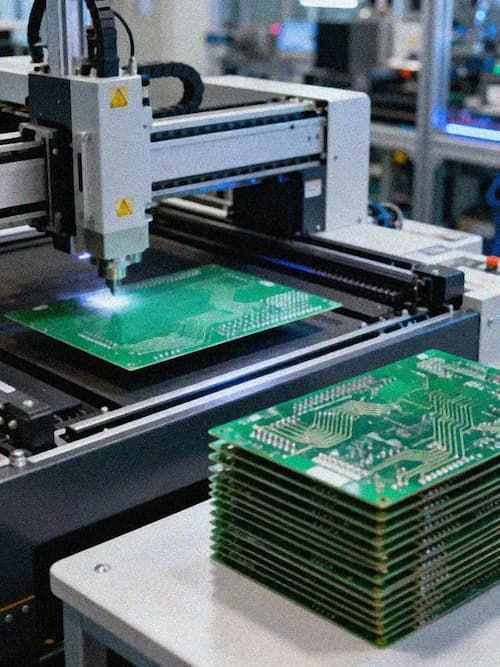
- Heavy Copper & High Thermal Stability PCB Manufacturing: Supports 2-12oz heavy copper PCB designs, metal core, and metal substrate board configurations, with optimized thermal routing architectures that reduce heat buildup by 35% compared to standard PCBs. This design extends PCB operational lifespan by 30% and cuts cooling energy consumption for high-power energy systems, directly improving overall system efficiency.
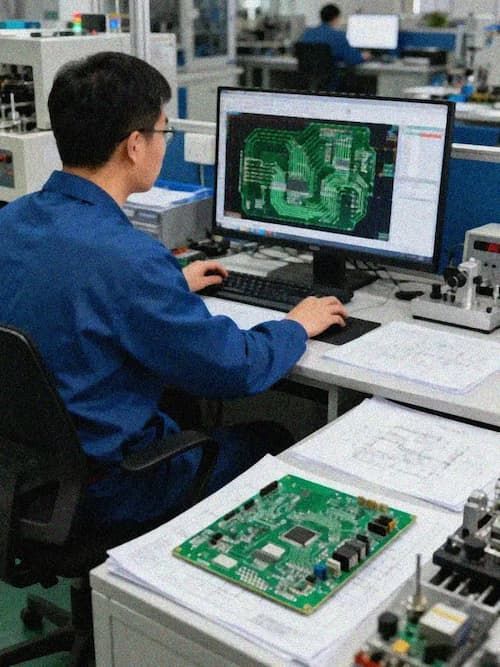
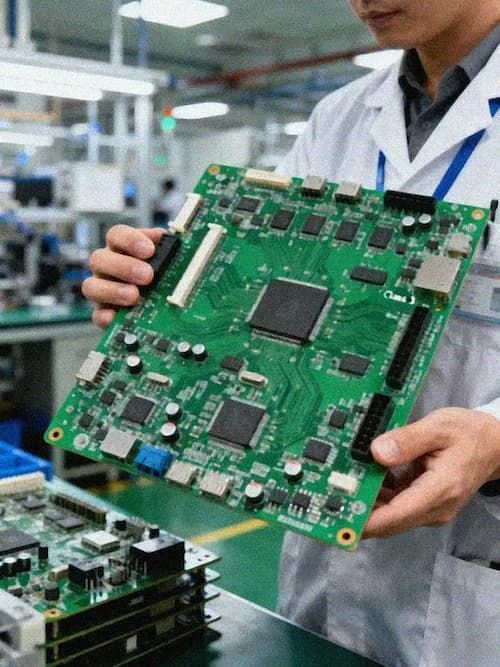
- Custom PCB Design for Core Energy Control Systems: Offers tailored PCB solutions for Battery Management Systems (BMS), Power Conversion Systems (PCS), Energy Management Systems (EMS), and energy storage inverters, with support for rigid, rigid-flex, high-frequency hybrid, HDI, and ceramic board configurations to match the specific performance requirements of different energy hardware use cases.
- Low-Carbon Material & Process Optimization: Uses RoHS-compliant, recyclable substrate materials including ceramic substrates, high-resistance carbon oil boards, and lead-free soldering processes, reducing hazardous material usage by 45% and enabling end-of-life PCB recycling rates of over 85% for energy system hardware. Manufacturing workflows are optimized to reduce raw material waste by 28% during production.
- High-Durability Engineering for Long Lifecycle Operation: Implements mechanical blind and buried via designs, optimized stack-up architectures with independent ground planes, and corrosion-resistant surface treatment processes that resist vibration, thermal cycling, and outdoor environmental exposure. These designs support stable operation for up to 25 years in utility-scale energy infrastructure deployments, reducing replacement frequency and associated e-waste.
- High-Frequency & High-Speed PCB Support: Delivers high-speed backboards, high-speed optical PCBs, and high-frequency step boards adapted to the high-bandwidth data transmission requirements of smart energy management systems, reducing signal loss by 20% and improving overall system energy efficiency for grid-edge and microgrid applications.
Quality Standards
- Compliance with global power industry regulatory requirements including IEC 61215 for solar energy systems, IEC 62619 for stationary energy storage batteries, and UN 38.3 for electric vehicle battery systems, ensuring full alignment with regional sustainability and safety mandates for energy hardware sold in all major global markets.
- Strict lifecycle testing protocols including thermal cycling testing (-40°C to +125°C), 10G vibration and 100G shock testing, 95% humidity resistance testing, and 10,000-hour accelerated operational reliability testing to validate 15+ year operational lifespan for energy system PCBs, reducing replacement frequency and e-waste generation.
- Full material traceability systems covering 100% of raw materials used in PCB manufacturing, enabling transparent supply chain reporting for customers to meet their ESG reporting requirements for sustainable procurement and scope 3 emissions tracking.
- Adherence to ISO 14001 environmental management system standards for manufacturing processes, with controlled waste discharge, 30% reduced water consumption per unit of production, and 25% lower carbon emissions compared to standard PCB manufacturing workflows.
Applications
Energy PCB sustainability solutions are widely deployed across the full spectrum of clean energy and power infrastructure applications, including:
- Energy Storage Systems (ESS): Hybrid photovoltaic storage integrated units, high-power grid-scale energy storage integrated units, residential and commercial distributed energy storage systems, and portable outdoor energy storage devices.
- Core Energy Control Hardware: Battery Management Systems (BMS) for electric vehicles and stationary storage, Power Conversion Systems (PCS) for solar and wind energy, Energy Management Systems (EMS) for microgrids and smart grids, and high-efficiency energy storage inverters.
- Renewable Energy Generation Infrastructure: Solar panel string inverter control units, wind turbine power conversion boards, and tidal and geothermal energy system control PCBs designed for long-term outdoor operation.
- E-Mobility Power Infrastructure: Electric vehicle battery management boards, DC fast charging station control units, and V2G (vehicle-to-grid) interface hardware supporting bidirectional power flow.
- Smart Grid Hardware: Smart meter control boards, grid edge computing nodes, and demand response system control PCBs that support efficient, real-time grid management.
Key Advantages
- Lower Total Cost of Ownership (TCO): Extended PCB operational lifespan reduces replacement and maintenance costs for energy infrastructure operators by up to 40% over the 20+ year lifecycle of utility-scale power systems, delivering long-term financial benefits alongside environmental gains.
- Improved Energy Efficiency: Optimized thermal management and low-loss signal design reduce overall system energy consumption by 10-15%, supporting higher round-trip efficiency for energy storage assets and higher energy yield for renewable generation infrastructure.
- ESG Alignment: Recyclable materials, low-carbon manufacturing processes, and transparent supply chain traceability enable customers to meet their corporate sustainability targets and comply with mandatory ESG reporting requirements in the global power industry.
- Customized Scalability: Supports flexible production runs from prototype verification and small-batch trial deployment to large-scale mass production, adapting to project requirements across residential, commercial, and utility-scale energy infrastructure deployments.
- Reduced Environmental Impact: Lower e-waste generation from longer product lifespans, reduced hazardous material usage, and high end-of-life recycling rates cut the cradle-to-grave carbon footprint of energy system hardware by 35% compared to standard PCB solutions.
Contact Information
If you have customized requirements for energy PCB sustainability solutions for your power system or energy storage hardware, you can reach out to the technical support team for a free project evaluation and customized solution consultation. Inquiries receive a detailed response including technical feasibility assessment and preliminary cost estimates within 24 business hours.