Overview
Energy industry electronics including solar inverters, battery management systems, EV charging infrastructure, and wind turbine control units operate in extreme, high-stress environments, with exposure to wide temperature fluctuations, high humidity, salt spray corrosion, long-term vibration, and continuous high-voltage loads. Poor PCB reliability in these applications can lead to unplanned downtime, safety hazards, costly on-site maintenance, and even systemic power supply failures. Energy PCB reliability engineering is a systematic, data-driven framework covering design optimization, manufacturing process control, performance testing, and post-failure root cause analysis, designed to eliminate potential reliability risks across the entire product lifecycle. This framework applies to all energy sector PCB variants, including heavy copper PCBs, metal core PCBs, high-frequency hybrid PCBs, high-speed backplanes, and multilayer PCBs, to meet the stringent performance and durability requirements of energy applications.
Technical Capabilities
Our energy PCB reliability engineering capabilities cover all core links of reliability control, with standardized, traceable processes for every service module:
- Full-Spectrum Reliability Testing Services: We provide three categories of reliability testing aligned with energy industry operating scenarios, supported by a full set of professional testing equipment. Environmental testing uses aging rooms, constant temperature and humidity chambers, thermal shock chambers, rapid temperature change chambers, and salt spray test chambers to simulate long-term exposure to extreme temperatures, humidity, and corrosive environments, validating product resistance to environmental stress. Mechanical testing uses vibration test systems and drop test rigs to evaluate product performance under transportation shock, on-site vibration, and accidental drop conditions. Electrical testing uses CAF testers, insulation resistance testers, and withstand voltage testers to verify insulation performance, high-voltage tolerance, and resistance to conductive anodic filament growth, preventing electrical breakdown and short circuit failures.
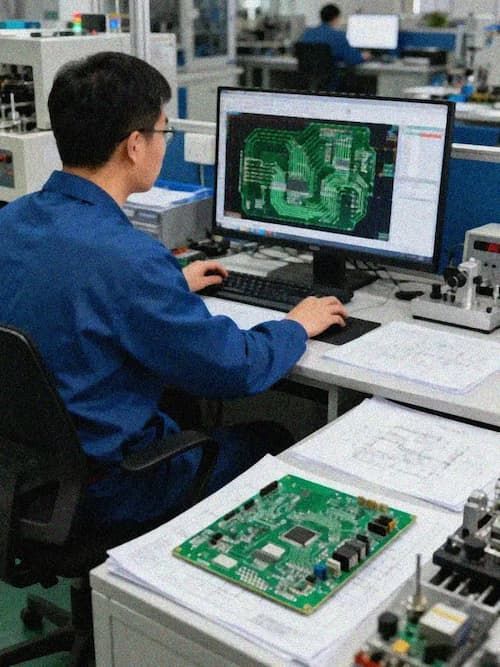
- Root Cause Failure Analysis (RCA) Services: We adopt a three-step analysis process including failure mechanism identification, performance testing, and mechanism verification to pinpoint the root causes of common PCB failures such as substrate delamination, conductor fracture, solder joint fatigue, and insulation breakdown. Based on analysis results, we provide targeted rectification recommendations for material selection, stackup design, and manufacturing process adjustment, alongside preventive control measures to avoid repeated failures in mass production.
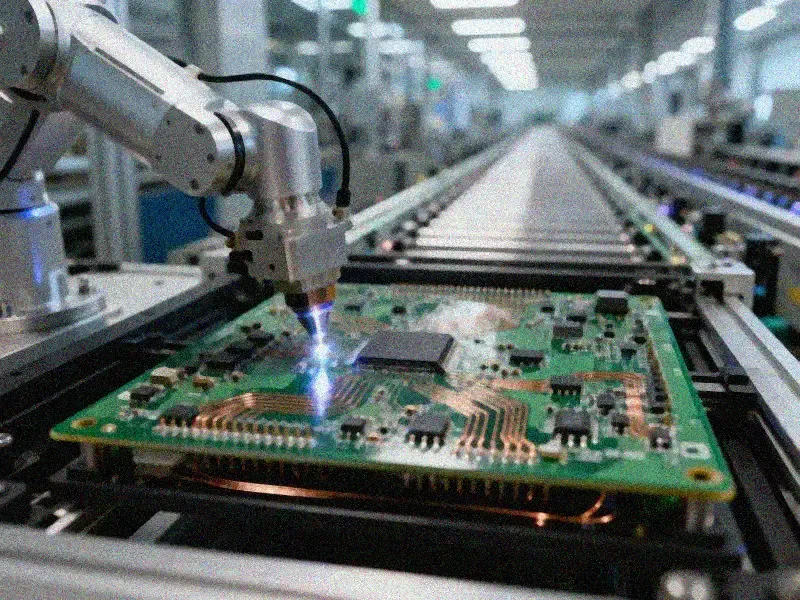
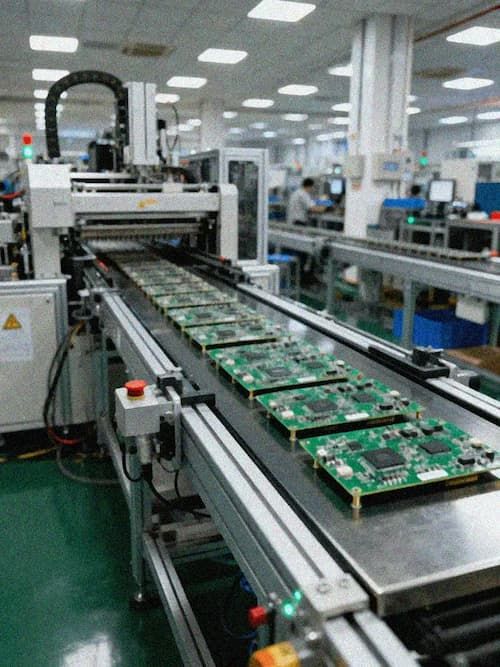
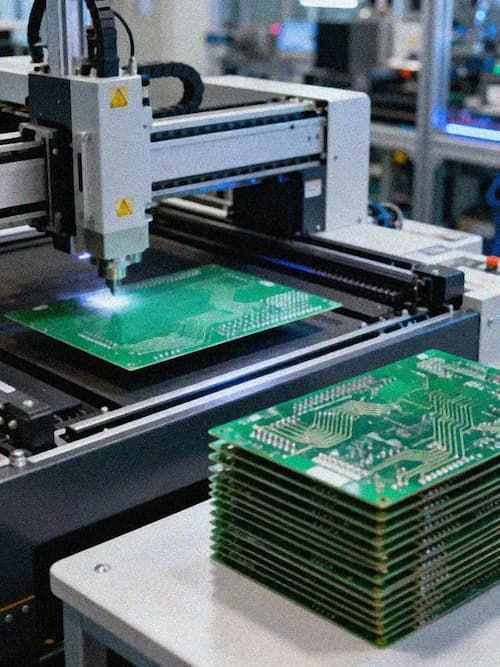
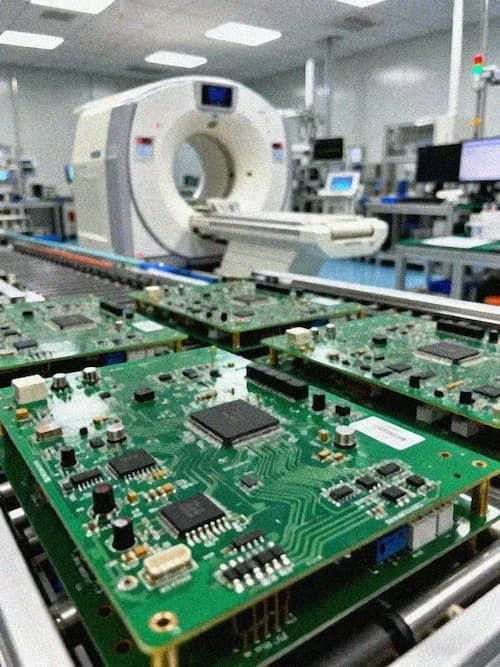
- Manufacturing Process Reliability Control: We optimize full-process manufacturing links for energy PCBs, covering printing, component forming, reflow soldering, board separation, and functional testing, to reduce process-induced defects and improve batch consistency. Our process control system identifies and eliminates high-risk process nodes that may lead to long-term reliability degradation, ensuring every batch of PCBs meets uniform reliability thresholds.
- Customized Reliability Solution Development: We tailor testing parameters, evaluation indicators, and optimization schemes based on specific application scenarios, operating environment requirements, and performance thresholds of each customer, ensuring the solution fully aligns with actual product use cases rather than adopting one-size-fits-all standard protocols.
Quality Standards
All energy PCB reliability engineering processes follow internationally recognized quality management and testing standards to ensure authoritative, globally recognized results:
- All service processes comply with ISO 9001 quality management system requirements, with full traceability of testing data, analysis reports, and optimization records to meet customer audit needs.
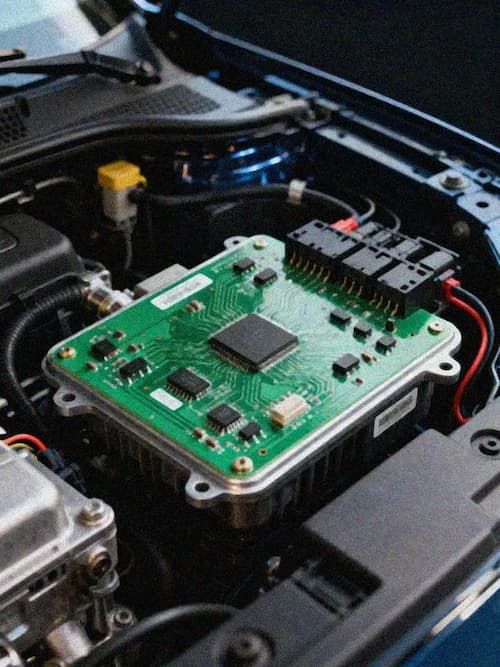
- For automotive-related energy products such as on-board energy storage systems and EV charging modules, processes align with IATF 16949 automotive industry quality management standards, meeting the extra-strict reliability requirements of automotive-grade electronics.
- Testing procedures follow IPC, UL, and regional industry standards for energy electronics across North America, Europe, APAC, and other global markets, supporting customers to quickly pass product certification and enter target markets.
- We also follow ISO 14001 environmental management, ISO 45001 occupational health and safety, and ISO 50001 energy management standards in all service links, ensuring compliance with global sustainable operation requirements.
Applications
Energy PCB reliability engineering solutions are widely applicable to all core segments of the energy industry:
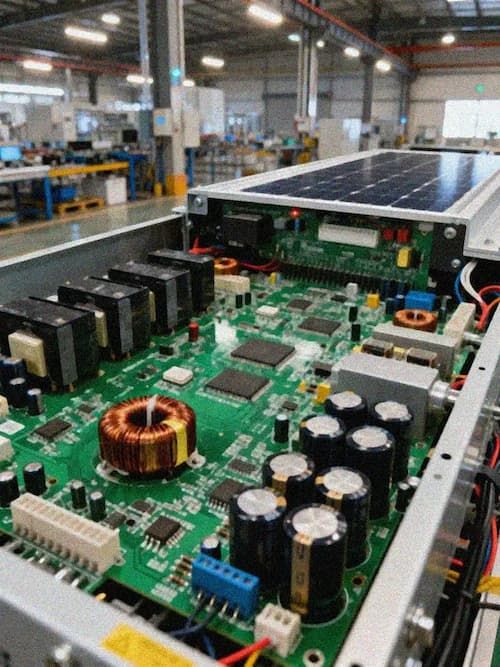
- Solar Photovoltaic (PV) Systems: Reliability control for PCBs used in string inverters, central inverters, power optimizers, combiner boxes, and PV monitoring systems, ensuring stable operation for 25+ years in outdoor high-temperature, high-humidity, and UV-exposed environments.
- Energy Storage Systems (ESS): Reliability verification and optimization for PCBs used in battery management systems (BMS), power conversion systems (PCS), and energy storage control units, improving resistance to thermal fatigue and CAF growth under frequent charge-discharge cycles.
- **EV Charging Infrastructure: Reliability testing for PCBs used in AC/DC charging piles, charging control modules, and power conversion modules, ensuring resistance to outdoor corrosion, load impact, and wide temperature range operation from -40°C to +85°C.
- Industrial Power Distribution Equipment: Reliability control for PCBs used in switchgear, power monitors, and uninterruptible power supply (UPS) systems, ensuring long-term stable operation under continuous high-load conditions.
- Wind Power Generation Systems: Reliability verification for PCBs used in turbine control units, pitch control systems, and power converters, adapting to high-altitude low-pressure, extreme temperature fluctuation, and long-term vibration operating conditions.
Key Advantages
- Full-Cycle Systematic Coverage: Our energy PCB reliability engineering framework covers all stages from pre-production design optimization, manufacturing process control, post-production reliability testing, to post-failure root cause analysis, eliminating reliability risks at every link of the product lifecycle.
- High-Precision Customizable Testing: Our full set of professional testing equipment supports custom parameter adjustment to simulate even the most extreme operating conditions in the energy sector, with test data accuracy reaching 99.5% or higher, ensuring objective and reliable evaluation results.
- Measurable Performance Improvement: All failure analysis and process optimization recommendations are based on objective test data and proven failure mechanism models, which can reduce product failure rates by 30% to 50% for most energy PCB applications, and extend product service life by more than 20%.
- Scalable Support for All Batches: Our services are adaptable to reliability requirements for prototype verification, small-batch trial production, and large-scale mass production, providing consistent quality control support across all product development stages, with no minimum order limit for testing and analysis services.
Contact Information
If you have any demands related to energy PCB reliability engineering, including testing service requirements, failure analysis consultation, or manufacturing process optimization support, please reach out to our professional technical team. We will provide you with customized reliability solutions, free pre-project technical evaluation, and responsive after-sales support to help you build high-reliability energy electronics products that meet global market demands.