Overview
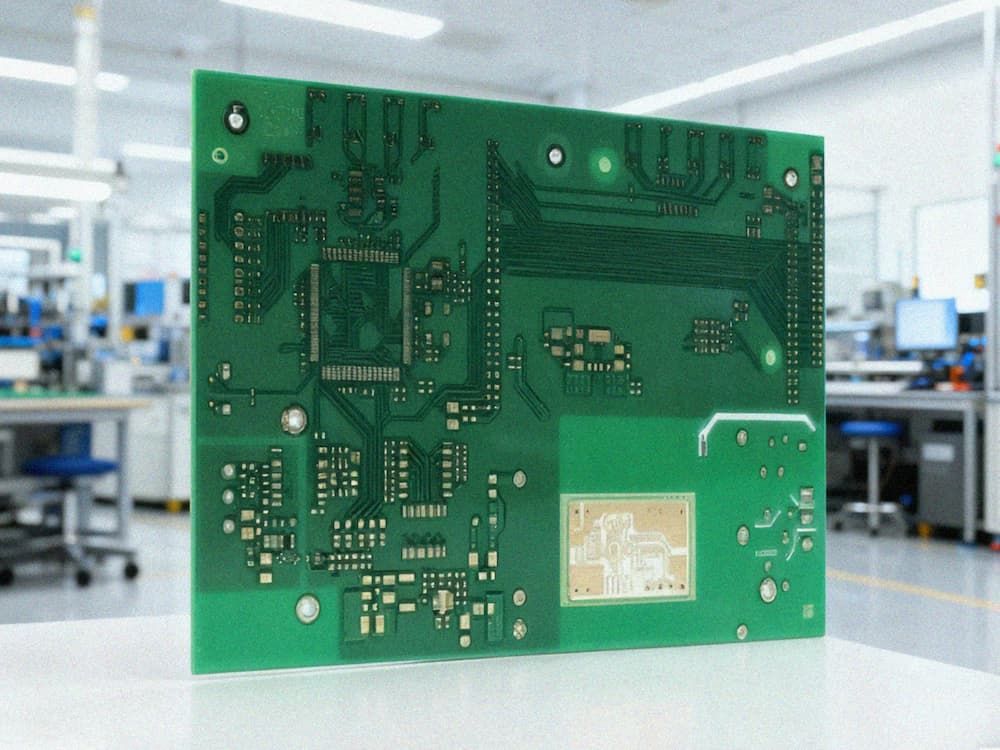
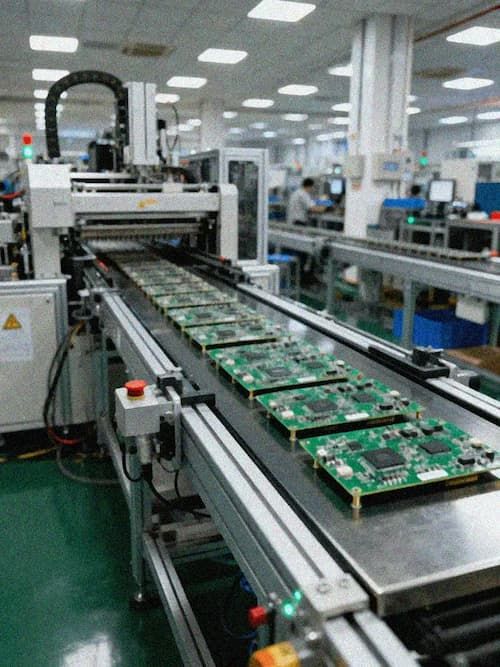
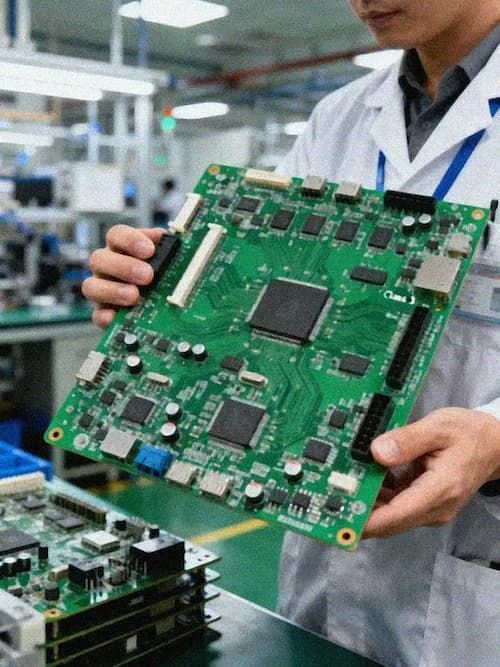
As electronic products continue to trend toward miniaturization, high-speed operation, and high integration, traditional surface-mounted discrete resistors no longer meet the design requirements of cutting-edge applications. The limited board space, parasitic inductance and capacitance generated by surface resistor solder joints, and high assembly failure rates have become key bottlenecks restricting the performance of high-density electronic systems. Embedded resistor PCB solves these pain points by integrating thin-film or thick-film resistive materials directly into the internal layers of the circuit board during the manufacturing process, eliminating the need for discrete surface-mounted resistors. This technology enables higher routing density, better signal transmission performance, and higher product reliability, making it a core circuit board solution for high-speed communication, automotive electronics, advanced packaging, and other high-end application scenarios. The embedded resistor PCB manufacturing solution covers the entire process from stack-up design, material matching, precision processing, to performance testing, addressing core industry challenges such as resistance value consistency, thermal stability, and high-speed signal adaptation.
Technical Capabilities
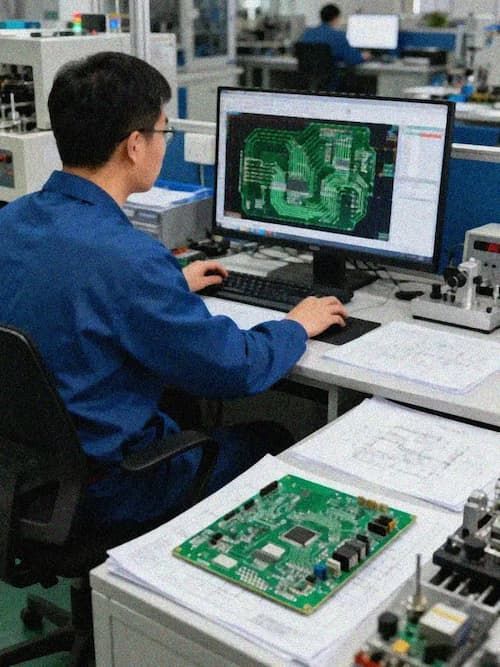
- Wide Range of Embedded Resistor Integration Support: Supports resistance values ranging from 10Ω to 1MΩ, with resistance tolerance control as low as ±5%, compatible with both thin-film and thick-film resistor materials to adapt to different performance and cost requirements. It supports integration in single-layer, double-layer, and multi-layer PCB stack-ups up to 32 layers, and supports co-integration with embedded copper, embedded ceramic, embedded chips, and other embedded components to realize fully integrated embedded component circuit designs.
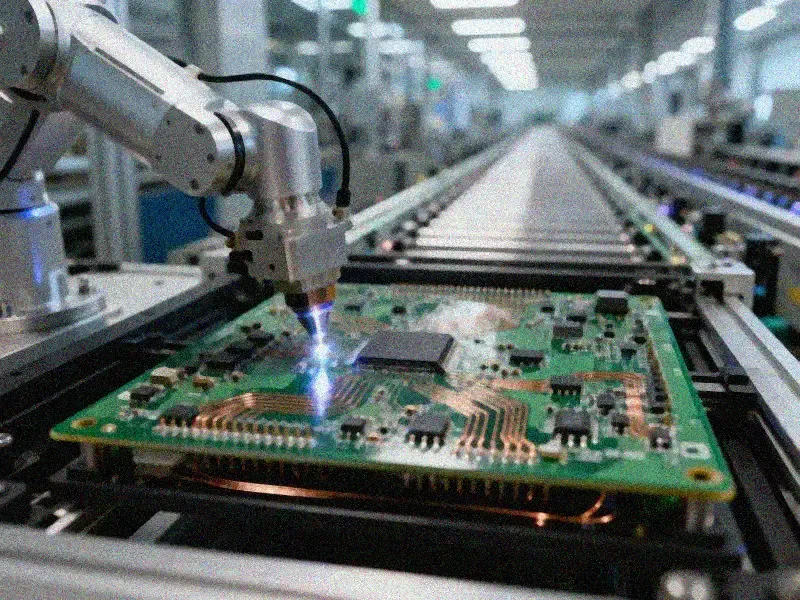
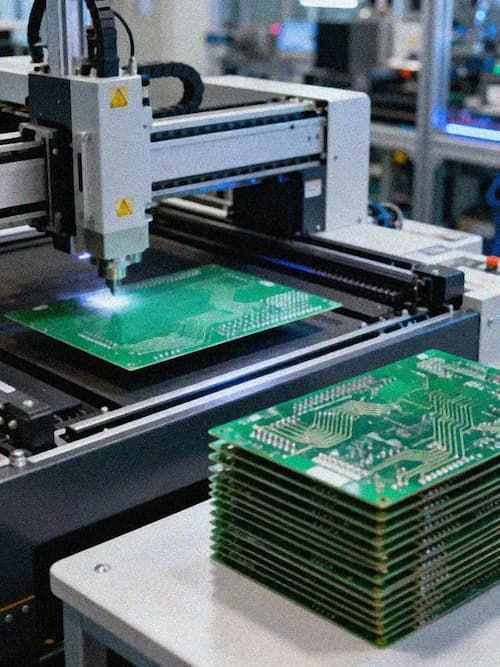
- High-Precision Manufacturing Process Support: Equipped with advanced laser drilling systems that support micro-vias as small as 0.06mm, supporting copper paste-filled vias, epoxy plug vias, and HDI stack via processes. High-precision laser direct imaging equipment is used for patterning of embedded resistor layers, ensuring consistent resistance values across the entire board and large production batches. It also supports heavy copper blind & buried via designs, bump-plated copper structures, and thermoelectric separation architectures to meet the needs of high-power application scenarios.
- High-Speed and High-Frequency Performance Optimization: Supports high-frequency hybrid stack-up designs, optimized for the signal transmission requirements of 800G high-speed optical modules and 6G antenna products. Controlled depth back drilling technology is used to reduce stub interference, achieving impedance control accuracy as high as ±5%, effectively reducing signal reflection, crosstalk, and insertion loss, and supporting high-speed differential signal transmission up to 112Gbps per channel.
- Diversified Post-Processing and Surface Treatment Options: Provides a full range of combined surface treatment options including ENIG, immersion silver, immersion tin, and hard gold plating, supporting additional processing such as peelable mask, laser cutting, steel sheet, ceramic, and alloy stiffener integration, stepped gold finger processing, and long and short gold finger fabrication to meet the diverse needs of different application scenarios.
Quality Standards
All embedded resistor PCB products are manufactured and tested in strict accordance with international industry standards, including IPC-A-600 acceptability standards for printed circuit boards, IPC-6012 performance specifications for rigid printed boards, and IPC-4101 specification sheets for base materials for printed boards. The production process strictly follows RoHS and REACH compliance requirements to meet global market access standards. In terms of performance testing, all products undergo 100% resistance value verification at room temperature and spot check testing across a wide temperature range of -40°C to +125°C to ensure the thermal stability of embedded resistors. Additional reliability tests include thermal cycling testing, humidity and heat resistance testing, vibration and shock testing, TDR impedance verification, X-ray non-destructive testing of internal layer defects, electrical continuity testing, and insulation resistance testing, to ensure that products can operate stably in harsh application environments.
Applications
Embedded resistor PCB solutions are widely used in high-end electronic scenarios with high requirements for board size, signal performance, and reliability, including:
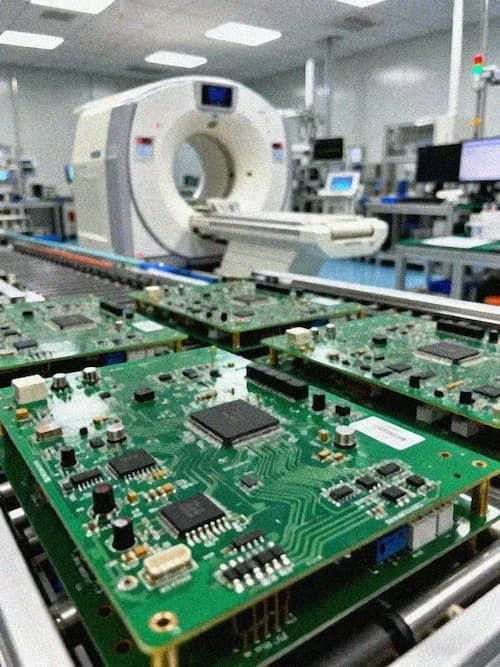
- High-Speed Communication Equipment: 800G/1.6T high-speed optical module circuit boards, 6G antenna RF boards, 5G baseband processing units, and RF front-end modules, where embedded resistors reduce parasitic interference, improve high-frequency signal transmission accuracy, and reduce the footprint of compact communication packaging structures.
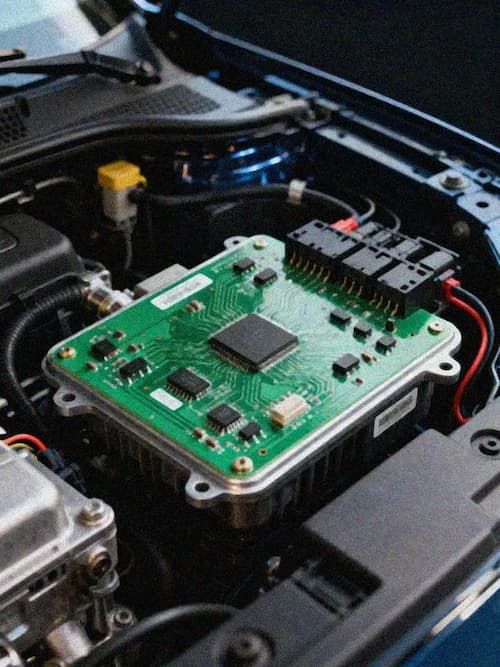
- Automotive Electronics: ADAS autonomous driving domain controllers, in-vehicle high-speed communication modules, power management units, and smart cockpit core control units, where embedded resistors reduce solder joint failure points, improve resistance to vibration and temperature fluctuations, and meet the long-term reliability requirements of automotive-grade applications.
- Consumer Electronics: Mini-LED display driver boards, high-performance computing terminals, and wearable smart devices, where embedded resistors enable ultra-slim product form factors and higher component density to meet the design needs of compact consumer electronic products.
- Advanced Packaging: Substrate-like PCBs (SLP), packaging substrates, and high-density interconnection packaging structures, where embedded resistors support heterogeneous integration of chips and passive components, meeting the needs of advanced system-in-package (SiP) designs.
- Industrial and Medical Electronics: Industrial control units, high-precision sensing equipment, and medical diagnostic devices, where embedded resistors provide stable performance across wide temperature ranges, reduce product failure rates, and meet the high-reliability requirements of industrial and medical applications.
Key Advantages
- Significantly Reduced Board Footprint: Eliminates up to 70% of surface-mounted resistor components, freeing up 30% to 40% of the board surface area, which can be used for higher routing density or to reduce the overall size of the product, making it ideal for compact high-density electronic designs.
- Improved High-Speed Signal Integrity: Eliminates the parasitic inductance and capacitance generated by surface-mounted resistors and their solder joints, reducing signal reflection, crosstalk, and insertion loss, significantly improving the transmission quality of high-speed and high-frequency signals, and reducing the risk of signal error in high-speed systems.
- Enhanced Product Reliability: Reduces the number of solder joints on the board surface, eliminating common failure points such as solder joint cracking, cold solder, and component displacement, improving the product's resistance to vibration, shock, and temperature cycling, and extending the average service life by more than 25% compared to traditional surface mount designs.
- Reduced Overall Production Cost: Reduces the number of discrete resistor components required in the BOM list, simplifies the SMT assembly process, reduces the assembly defect rate, and effectively lowers the overall material and assembly costs for mass production runs.
- Superior Thermal Dissipation Performance: Embedded resistors are integrated into the internal layers of the circuit board, enabling more efficient heat dissipation through the board stack-up, reducing surface hotspots compared to surface-mounted resistors, making it more suitable for high-power and high-temperature operating environments.
Contact Information
If you have custom embedded resistor PCB design or manufacturing requirements, including prototype development, small-batch trial production, or large-scale mass production, please contact our technical support team. We provide free pre-sales technical consultation, product feasibility evaluation, and customized solution design services to fully meet your specific application performance and cost requirements.