Overview
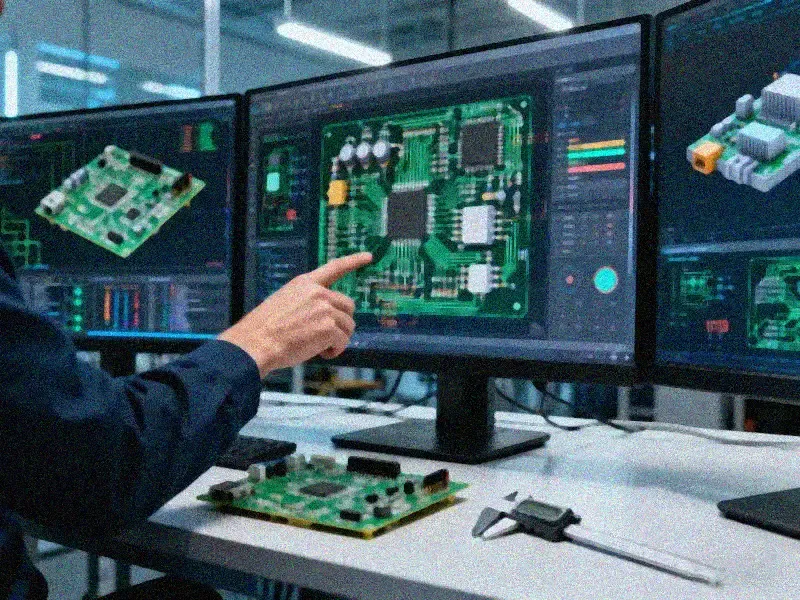
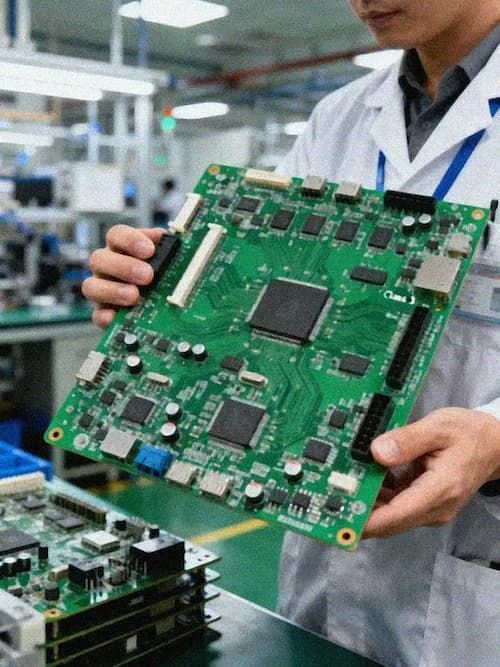
Edge devices operate at the frontline of data collection and processing, requiring compact form factors, low power consumption, low-latency data transmission, and high reliability to adapt to diverse deployment environments ranging from industrial workshops to outdoor smart city infrastructure. Core challenges for edge device PCB design include balancing high-performance computing requirements with heat dissipation constraints, integrating multiple sensor and communication interfaces without signal interference, and ensuring stable operation in harsh temperature, humidity, and vibration conditions. Our edge device PCB design services cover the full product development lifecycle from requirement analysis, schematic design, layout optimization, prototype verification to mass production guidance, addressing common industry pain points and supporting the launch of high-performance, production-ready edge hardware.
Technical Capabilities
Our edge device PCB design services cover a wide range of technical scenarios, with capabilities aligned to the latest edge computing hardware development requirements:
- Multi-Processing Platform Compatibility: Supports PCB design for ARM, DSP, FPGA, and GPU core hardware platforms, adapting to edge workloads ranging from low-power sensor data aggregation to high-throughput edge AI inference. We optimize power distribution networks (PDN) for multi-core processing units to ensure stable power supply under variable load conditions, reducing power consumption by up to 25% for battery-powered edge devices.
- Specialized Embedded Component Design: Supports design for buried resistance, buried capacitance, buried magnet, buried component, buried copper block, and buried ceramic PCBs, reducing overall board footprint by up to 30% compared to traditional surface mount designs. This capability is ideal for compact edge device form factors, while also improving signal stability and heat conduction efficiency for high-power processing units.
- Full Interface and Structural Design Support: Covers end-to-end design support including ID design (appearance style, material selection, color matching, electromechanical coordination), structural design (material optimization, process planning, mold opening optimization, reinforcement and protective design), and interface adaptation for voice (I2C, TDM, PCM) and power (DC, AC) interfaces, ensuring seamless integration of the PCB with device enclosures and peripheral hardware.
- High-Speed Signal and Impedance Control: Delivers precise impedance control of 50Ω, 90Ω, and 100Ω with ±5% tolerance, supporting high-speed data transmission for MIPI, Gigabit Ethernet, PCIe, and USB interfaces common in edge devices. We implement targeted routing optimization, stack planning, and interference shielding measures to reduce signal reflection, crosstalk, and attenuation, ensuring low-latency, error-free data transmission between processing units, sensors, and network modules.
- Full-Process Technical Support: Covers the entire design lifecycle including development environment setup, component selection, hardware scheme design, firmware burning, prototype verification, and volume production guidance, reducing cross-team communication costs and ensuring design solutions are fully compatible with mass manufacturing processes to avoid costly rework at later production stages.
Quality Standards
All edge device PCB design outputs follow strict international industry standards to ensure reliability, manufacturability, and compliance:
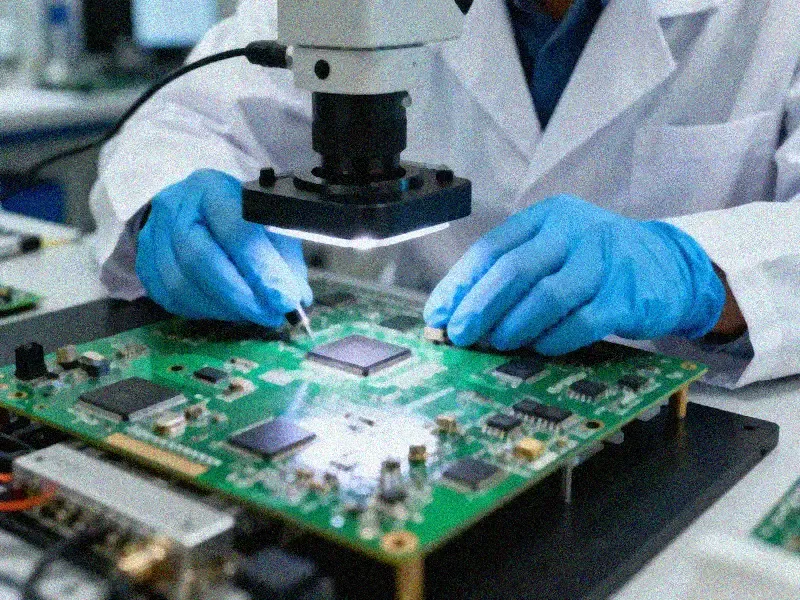
- Rigorous Verification Testing: All design schemes undergo mandatory signal integrity simulation, power integrity testing, EMC/EMI pre-testing, and thermal simulation before prototyping. We validate stable operation across wide temperature ranges from -40℃ to +85°C, adapting to harsh outdoor, industrial, and vehicle operating environments, with optional IP-rated protective design support for dust and water resistance requirements.
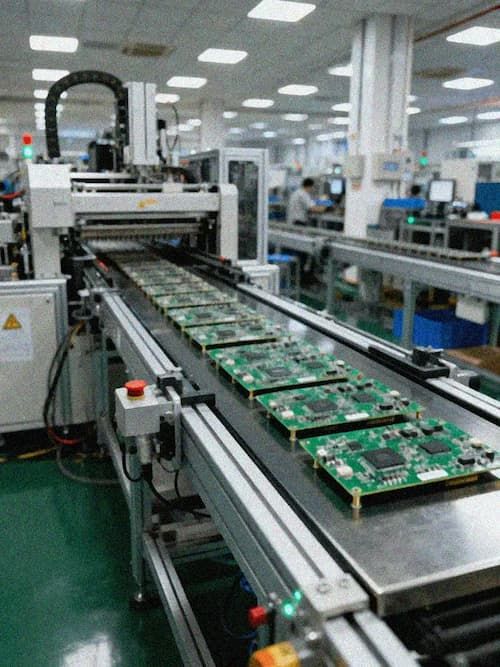
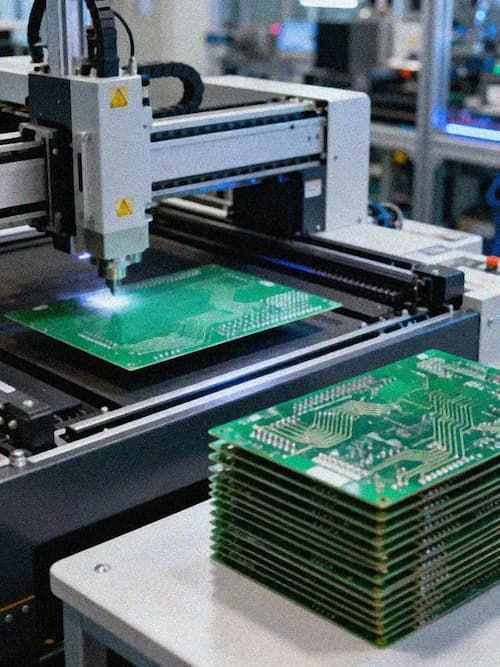
- Manufacturability Optimization: All designs are validated for DFM (design for manufacturing), DFA (design for assembly), and DFT (design for testing) before handoff to production, minimizing production defects, improving assembly yield by up to 15%, and reducing mass production costs for both small-batch trial runs and large-scale volume production.
- Compliance Alignment: Design processes adhere to relevant global industry compliance requirements including RoHS, REACH, CE, and FCC, adapting to market access requirements for edge devices across different regions and application sectors, with optional alignment to automotive IATF 16949 and medical ISO 13485 design standards for specialized use cases.
Applications
Our edge device PCB design services are applicable to a wide range of edge hardware scenarios, including:
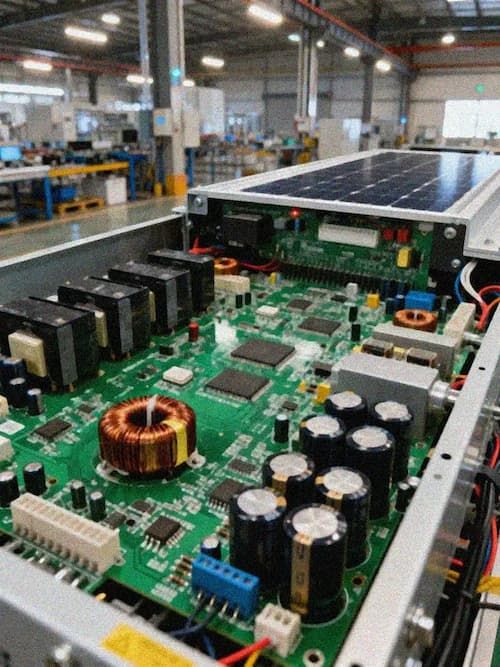
- Industrial Edge Devices: Including industrial sensor nodes, PLC control units, edge inspection cameras, autonomous mobile robot (AMR) control boards, and factory edge computing gateways, with support for industrial-grade shock resistance, wide temperature operation, and long-term stable operation in high-dust, high-vibration environments.
- Smart City Edge Terminals: Including traffic monitoring cameras, smart street light control units, environmental monitoring sensors, community access control systems, and edge computing nodes for 5G small cells, with optimized low-power design and outdoor weather resistance support.
- Consumer Edge Electronics: Including smart home control hubs, wearable edge AI devices, AR/VR peripheral control boards, and smart speaker core boards, with compact form factor design, low power consumption, and high signal stability for consumer-grade use cases.
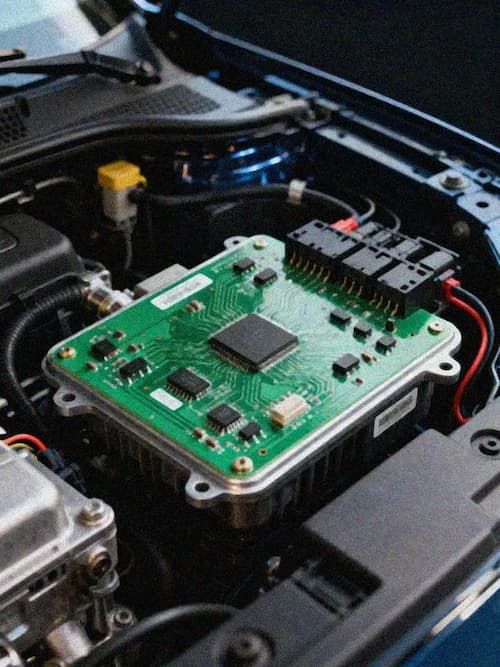
- Automotive Edge Hardware: Including in-vehicle infotainment control units, advanced driver assistance system (ADAS) perception boards, vehicle edge computing gateways, and telematics control units (TCUs), with compliance with automotive electronic reliability standards and wide temperature operation support.
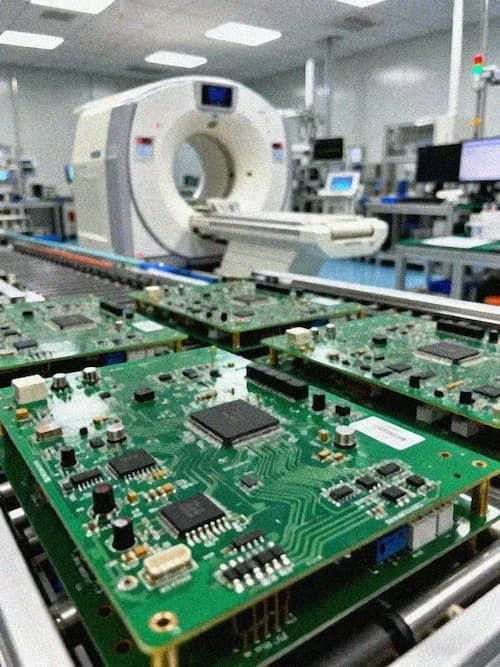
- Medical Edge Devices: Including portable diagnostic equipment, wearable health monitoring sensors, and point-of-care testing (POCT) device control boards, with design alignment to medical device safety and reliability requirements.
Key Advantages
Our edge device PCB design services deliver unique value for hardware development teams:
- Customized Design Solutions: All design schemes are tailored to specific product requirements, adapting to different performance, power consumption, form factor, and cost targets, avoiding one-size-fits-all design schemes that lead to unnecessary cost overhead or performance shortfalls.
- End-to-End Service Coverage: Integrates design, prototyping, manufacturing, assembly, and testing support, eliminating the need for customers to coordinate with multiple suppliers across different stages of the product development lifecycle, reducing project lead times by up to 40% compared to split-service models.
- Proven Design Expertise: Extensive experience delivering design solutions for edge devices across industrial, consumer, automotive, and medical sectors, with a track record of resolving common edge device design challenges including heat dissipation in compact form factors, low-power operation for battery-powered devices, and signal integrity for high-speed edge AI interfaces.
- Flexible Volume Support: Adapts to all project scales from 1-unit prototype design for R&D verification to 100k+ unit volume production design optimization, supporting seamless transition from product development to mass market launch.
Contact Information
If you have edge device PCB design requirements, please reach out to our technical team for a free pre-project evaluation and customized design proposal. We provide 24/7 technical consulting support to help you address all edge hardware design challenges and bring your product to market efficiently.