Overview
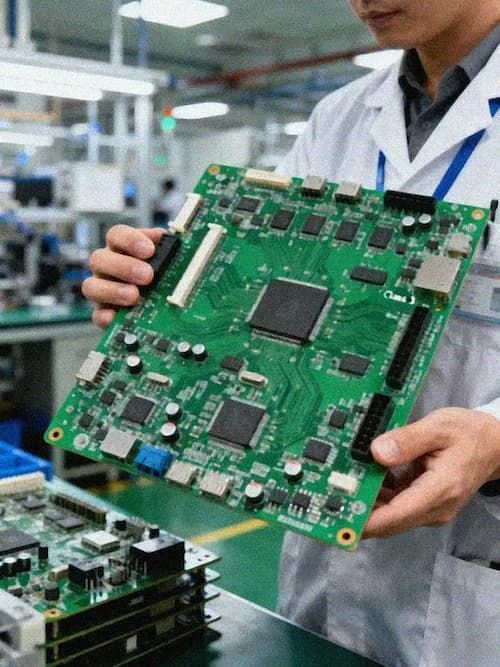
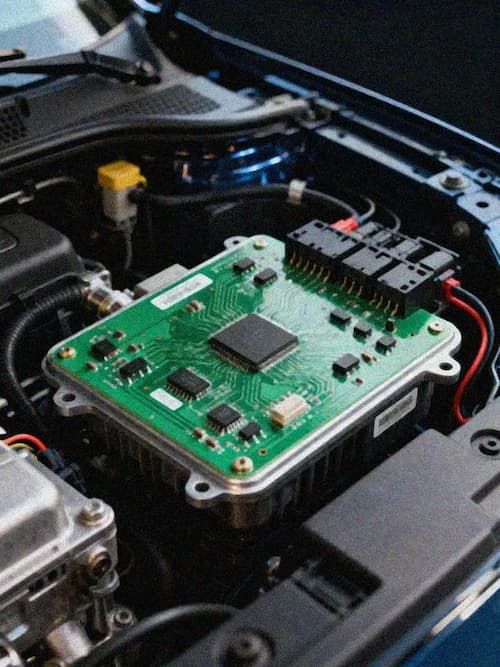
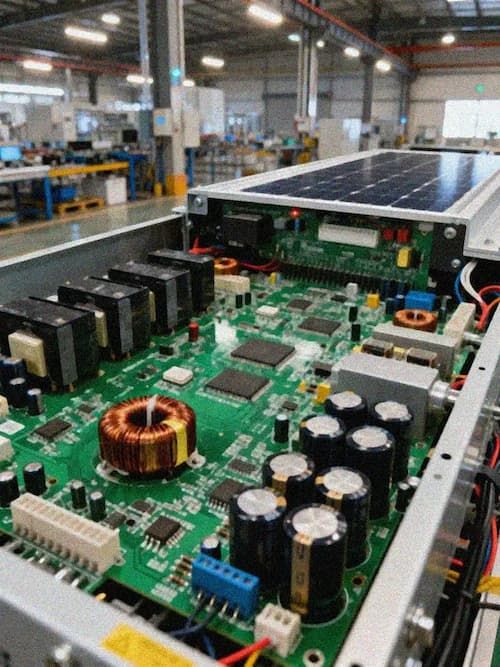
Edge computing nodes are typically deployed in unconditioned or semi-conditioned environments close to end data sources, with high integration of computing, storage, and communication modules on a single board, leading to concentrated heat generation from high-power controllers and processing chips. Unmanaged heat buildup can cause computing performance throttling, signal transmission distortion, accelerated component aging, and even permanent hardware failure, posing significant risks to the continuous operation of edge services. Edge computing thermal PCB design is a specialized design solution targeted at these pain points, integrating thermal management, signal integrity optimization, and manufacturability design throughout the entire product development cycle. It supports edge hardware with power ranges of 10W, 15W, and 30W, ensuring stable operation across a wide operating temperature range of -25°C to 80°C, and effectively addressing the core challenges of heat dissipation and reliability for edge computing hardware.
Technical Capabilities
- Specialized Thermal Structure Integration: Supports the integration of thermal transfer plates (TTP), thermoelectrically separate copper-based boards, embedded copper blocks, and embedded ceramic substrates into PCB designs, creating targeted, low-resistance heat conduction paths from high-heat-generating chips to external cooling components. This design reduces overall board thermal resistance by up to 30% compared to standard FR4 PCB designs, efficiently dissipating concentrated heat from high-power computing chips, power modules, and controllers, and avoiding local hotspot formation.
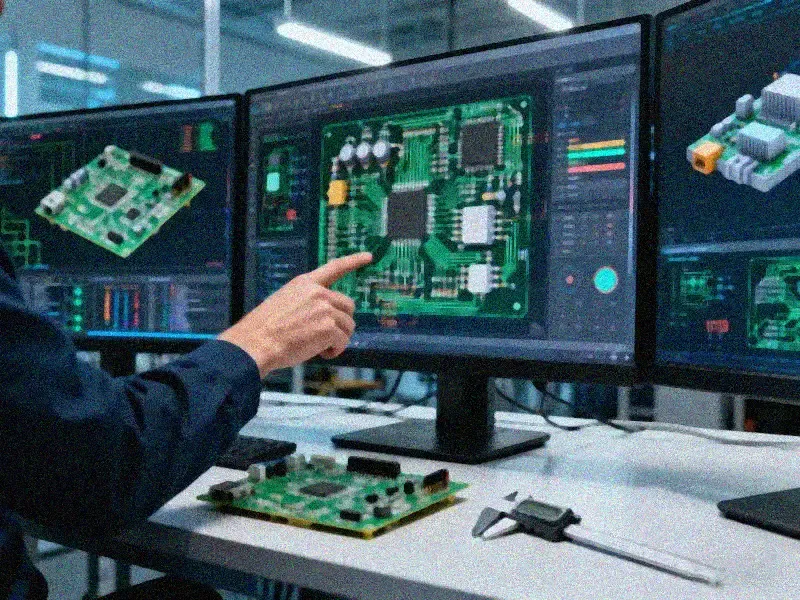
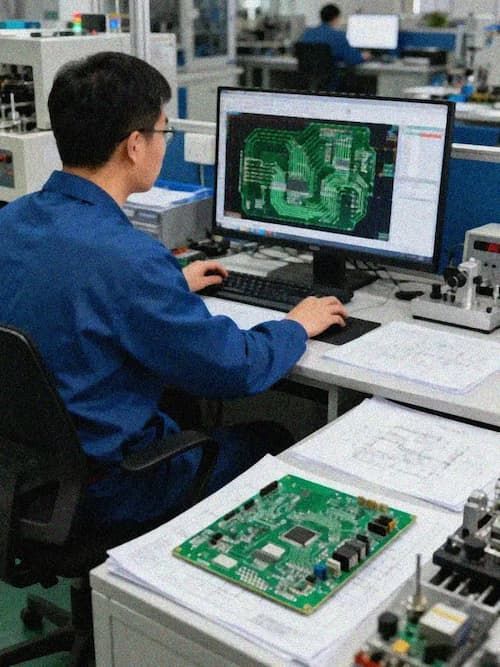
- Signal Integrity Pre-Simulation: Prior to formal production, all designs undergo comprehensive signal integrity analysis and simulation verification, including impedance matching verification, crosstalk risk assessment, high-speed signal transmission loss simulation, and thermal stress distribution simulation. This pre-production validation process ensures full DFM (Design for Manufacturing) compliance, eliminates potential design flaws at the early stage, reduces post-production rework rates, and shortens the overall product launch cycle.
- Diverse Board Type Support: Covers a full range of PCB categories suitable for edge thermal management scenarios, including heavy copper boards, high-frequency hybrid boards, metal core boards, rigid-flex boards, HDI boards, DBC ceramic boards, high-speed backboards, and semi-flexible boards. This broad material and structural support enables adaptation to different power levels, environmental conditions, and form factor requirements of various edge computing hardware, from compact edge gateways to rack-mounted edge servers.
- Wide Power & Temperature Adaptation: Optimized for common edge computing node power ranges of 10W, 15W, and 30W, with thermal design adjusted based on actual power consumption and heat generation of the hardware, ensuring stable operation across an extended operating temperature range of -25°C to 80°C. This meets the industrial-grade reliability requirements for outdoor, factory floor, and other unconditioned edge deployment scenarios, reducing maintenance costs for edge hardware deployed in remote locations.
Quality Standards
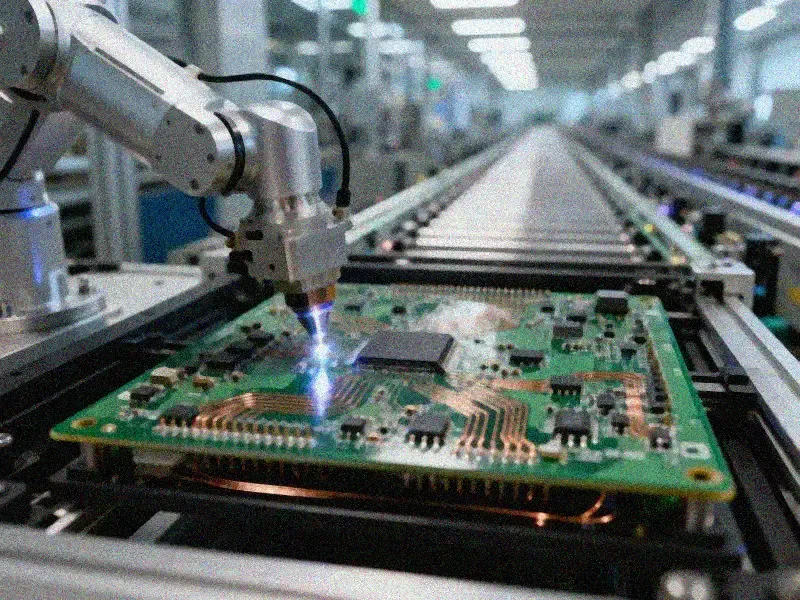
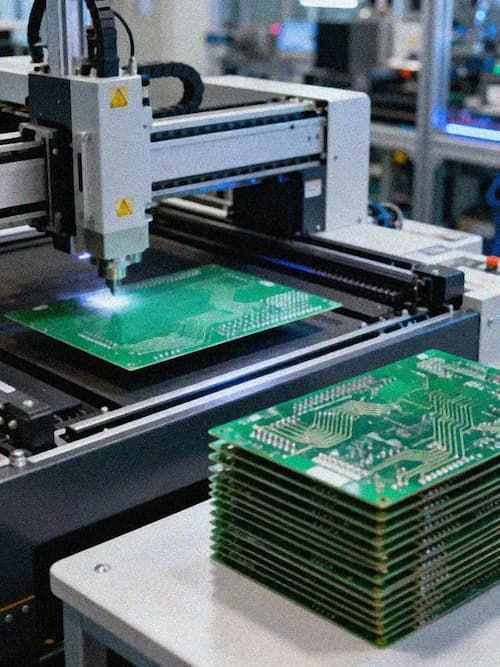
- DFM Compliance Verification: All edge computing thermal PCB designs follow strict DFM specifications, with multiple rounds of manufacturability verification conducted before production. The design supports minimum line width/line spacing of 2.0/2.0mil and micro-vias as small as 0.06mm, adapting to high-density routing requirements of compact edge hardware, while ensuring that thermal structures such as embedded copper blocks and thermal transfer plates are compatible with mass production processes, avoiding unnecessary process cost increases.
- Pre-Production Simulation Validation: 100% of designs undergo multi-dimensional simulation verification before entering the production stage, including thermal field distribution simulation, thermal cycling stress simulation, and high-speed signal integrity simulation under high-temperature operating conditions. This eliminates potential risks such as thermal hotspot concentration, board thermal deformation, and signal attenuation under high temperature, ensuring that the design meets all performance indicators before manufacturing.
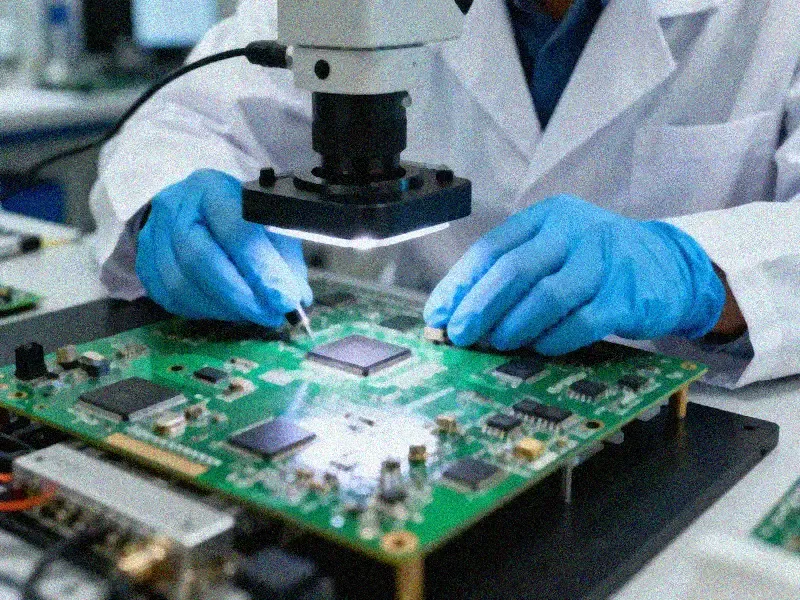
- Reliability Testing Compliance: All finished PCBs undergo a full set of reliability testing before delivery, including high and low temperature cycle testing, thermal shock testing, insulation resistance testing, thermal resistance testing, and vibration testing. All products meet industrial-grade reliability standards, ensuring long-term stable operation in harsh edge deployment environments with large temperature fluctuations, dust, and vibration.
- High-Precision Impedance Control: Achieve ±5% impedance control accuracy for high-speed signal layers, maintaining consistent impedance performance even under long-term high-temperature operating conditions, avoiding signal reflection, crosstalk, and data transmission errors, and ensuring the reliability of high-speed data transmission between edge computing modules.
Applications
Edge computing thermal PCB design solutions are applicable to a wide range of edge computing hardware scenarios across multiple industries, including:
- Edge AI computing nodes for smart city video analysis and IoT data processing
- Industrial edge controllers for manufacturing automation, production line monitoring, and predictive maintenance
- Outdoor 5G/6G edge base station processing units and edge gateway equipment
- Edge perception gateways for smart agriculture, used for environmental monitoring and agricultural equipment control
- On-board control units for autonomous mobile robots (AMR) and automated guided vehicles (AGV) in logistics and manufacturing
- Edge video analysis servers for public security and commercial property security monitoring
- Traffic edge computing units for intelligent transportation systems, used for traffic flow monitoring and signal control
- Edge intelligent interactive terminal control boards for retail, catering, and public service scenarios
Key Advantages
- Targeted Thermal Optimization: Unlike generic PCB designs, edge computing thermal PCB design adopts customized thermal management strategies based on the specific power level, chip layout, and deployment environment of the edge hardware. It avoids one-size-fits-all design solutions, accurately addressing local hotspot issues that can lead to computing performance throttling, component damage, or service interruption, maximizing the operating efficiency and service life of edge hardware.
- End-to-End Design for Reliability: The design process covers the entire product lifecycle from stack architecture design, component placement optimization, routing planning, pre-production simulation verification, to finished product reliability testing. Thermal management and signal integrity requirements are integrated from the initial design stage, avoiding costly post-design adjustments and repeated prototyping, reducing overall development costs and shortening time to market.
- Broad Scenario Adaptability: Supports a full range of PCB substrate options, structural designs, and process solutions, adapting to low-power edge sensor gateways, medium-power edge AI boxes, and high-power edge computing servers. Whether for compact, space-constrained wearable edge devices or large-scale, high-power edge data center nodes, the design can be flexibly adjusted to meet specific performance and form factor requirements.
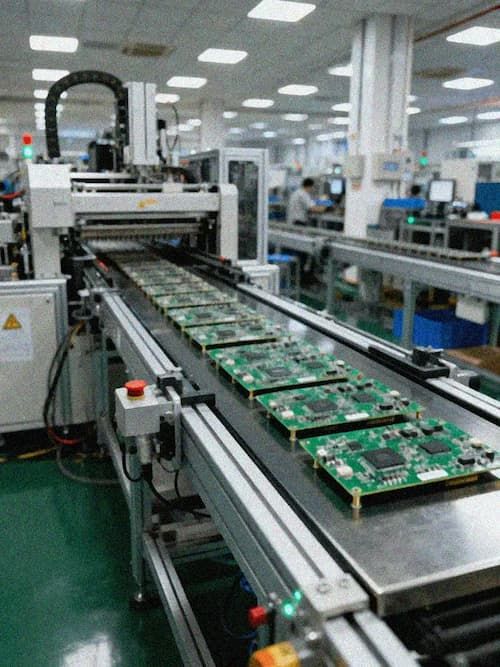
- Cost-Effective Mass Production Compatibility: All designs strictly follow DFM specifications, ensuring that specialized thermal structures such as embedded copper blocks, thermal transfer plates, and thermoelectrically separate copper substrates can be mass-produced without significant increases in manufacturing cost. This balances high thermal performance and production cost, making the solution suitable for large-scale edge hardware deployment projects with strict cost control requirements.
Contact Information
If you have any demands for edge computing thermal PCB design, including custom thermal structure design, pre-production simulation verification, prototype manufacturing, or large-scale mass production support, please reach out to our professional technical team. We will provide you with free design feasibility evaluation, targeted technical consultation, and customized solutions tailored to your specific edge hardware requirements, helping you improve the thermal performance and reliability of your edge computing products.