Overview
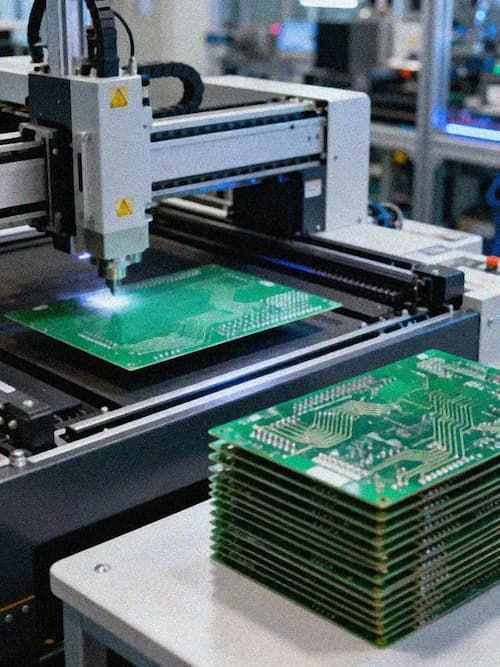
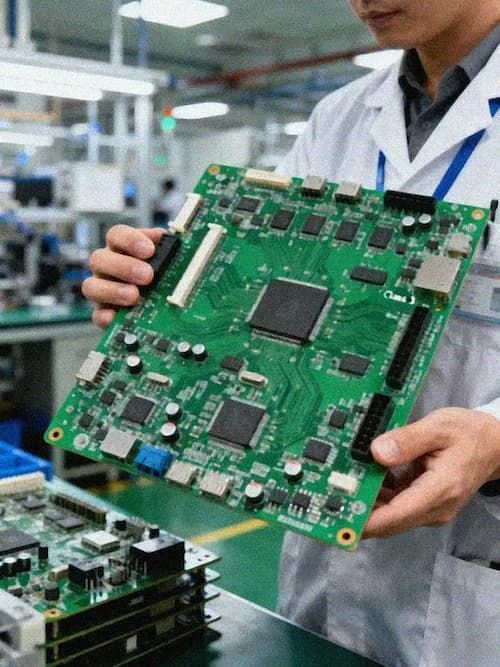
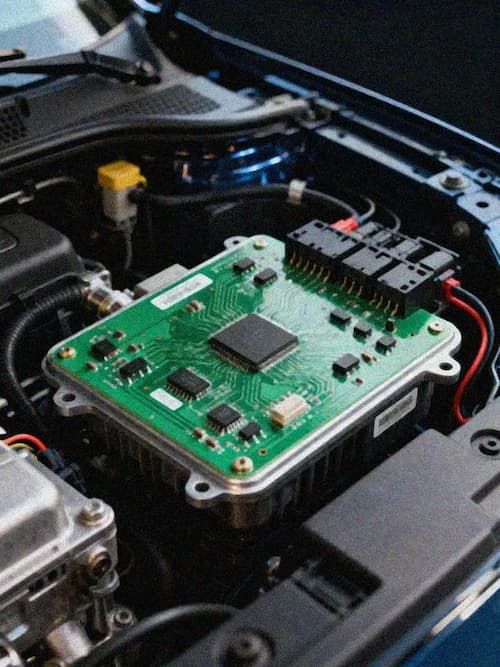
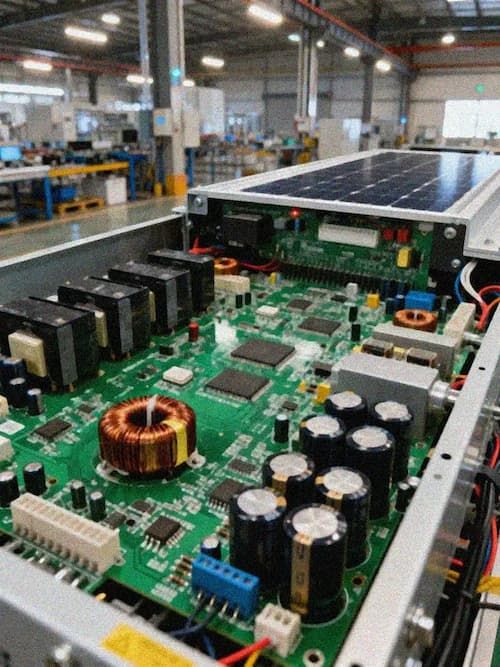
Edge computing hardware processes high volumes of data locally to reduce latency, lower cloud bandwidth dependency, and support real-time decision-making for distributed IoT, AI, and industrial systems. The unique performance requirements of edge devices—including compact form factors, high-speed I/O interfaces, rugged environmental adaptability, and high thermal dissipation capacity—place stringent demands on PCB design and fabrication. Edge computing PCB prototyping services cover the entire workflow from design optimization, quick-turn fabrication, to functional verification, enabling hardware development teams to validate design performance, identify manufacturing risks, and reduce time-to-market for new edge products. These services are tailored to address core edge hardware challenges including high-bandwidth signal integrity, power efficiency optimization, and compatibility with harsh outdoor or industrial deployment environments.
Technical Capabilities
- Multi-Board Type Compatibility: Supports prototyping for all common edge computing PCB categories, including single/double-sided boards, 2-32 layer multilayer boards, HDI boards, rigid-flex boards, heavy copper boards, high-frequency hybrid boards, metal core boards, buried resistance/capacitance boards, and ceramic substrates, adapting to diverse edge hardware form factor and performance requirements.
- High-Speed Signal Optimization: Built for edge computing hardware with concentrated high-speed I/O interfaces, supporting signal integrity optimization for up to 750Gbps transmission rates, with precision impedance control for 90Ω/100Ω differential signals, minimizing crosstalk, attenuation, and reflection loss for low-latency data processing. The service also supports design adaptation for common edge interfaces including I2C, TDM, PCM, DC power, and AC power inputs.
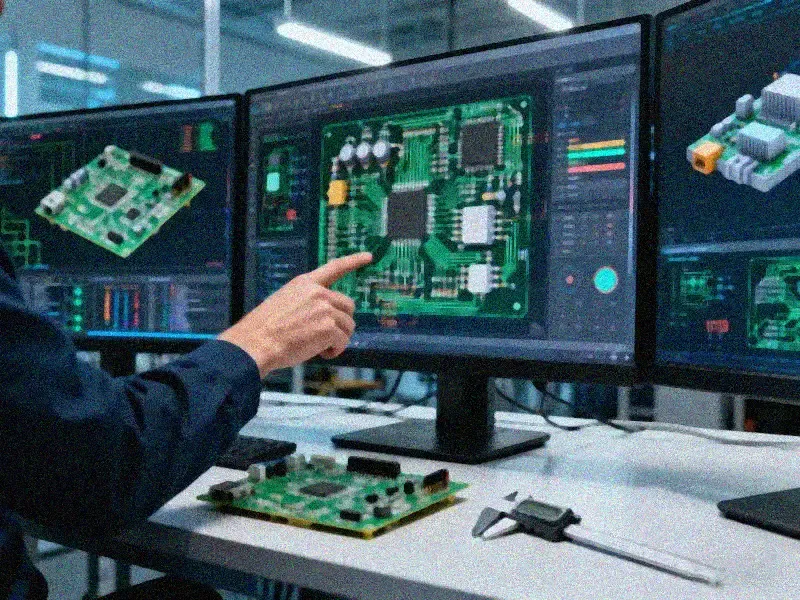
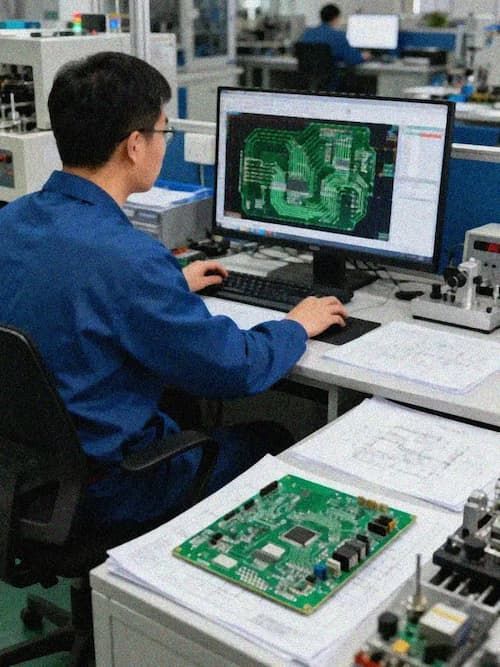
- Design-Oriented Prototyping Support: Provides systematic design optimization services including stack planning, placement and routing adjustment, material selection, and electromechanical coordination, balancing product performance, energy efficiency, manufacturing cost, and lead time to ensure prototyped boards are fully compatible with mass production processes. Appearance, structural, and protective design optimization is also available for rugged edge deployment scenarios.
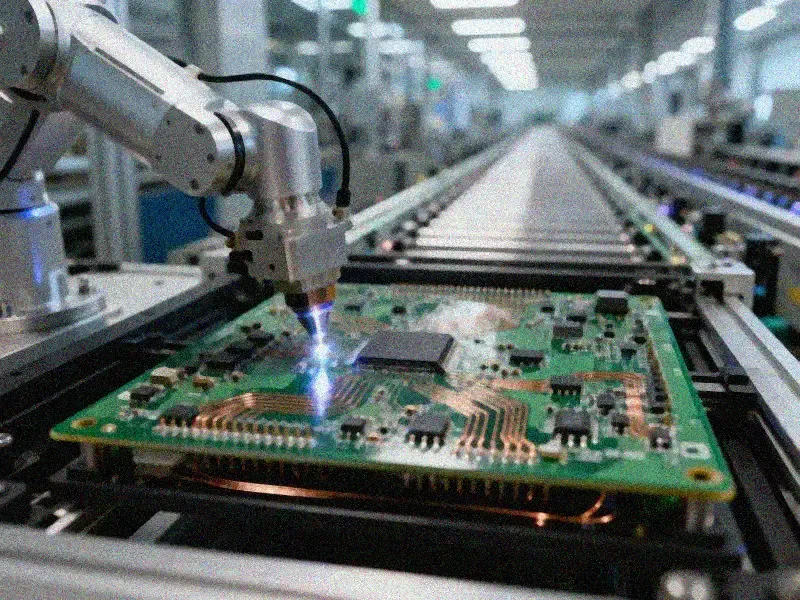
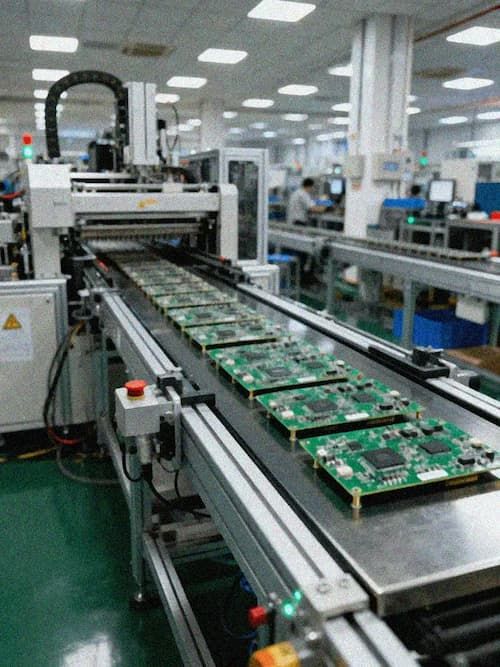
- Quick-Turn Production Capacity: Supports both small-batch prototype runs (1-50 units) and medium-volume pre-production verification (50-500 units), with lead times as short as 48 hours for standard 2-8 layer boards, enabling fast iteration of edge hardware designs and reducing overall development cycles by up to 40% compared to traditional prototyping workflows.
- Special Process Support: Covers specialized edge PCB requirements including buried component embedding, buried copper block thermal management, high-resistance carbon oil fabrication, semi-flexible board processing, and mini-LED backlight board fabrication, adapting to high-power, compact, and user-facing edge deployment scenarios.
Quality Standards
- Material Compliance: All raw materials used for prototyping comply with RoHS, REACH, and IPC international standards, with optional high-temperature resistant, flame-retardant, low-dielectric constant, and vibration-resistant materials available for industrial, automotive, and outdoor edge deployment scenarios. Material traceability is maintained for all prototype runs to support subsequent compliance certification for end products.
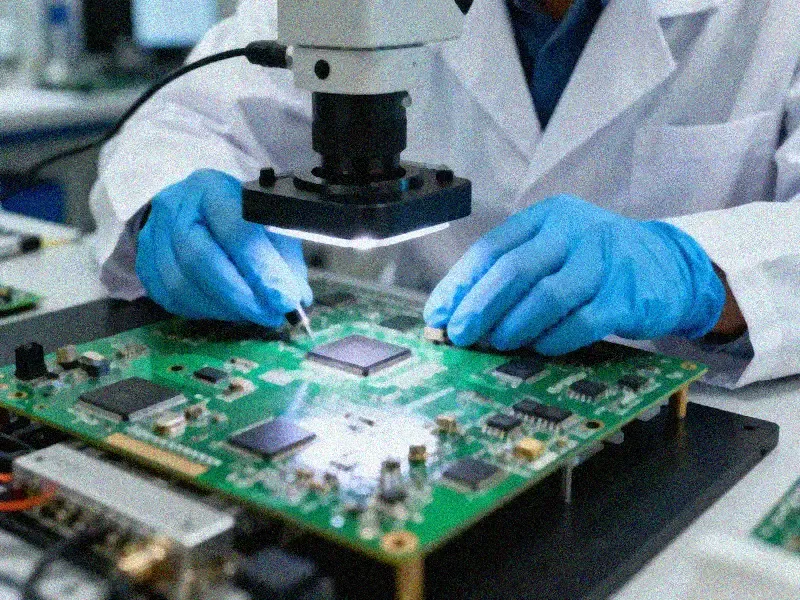
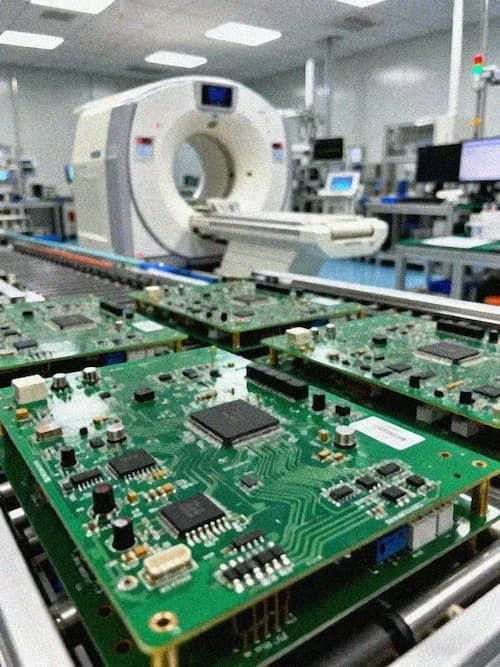
- Full-Process Testing Verification: Mandatory testing for all prototyped boards includes flying probe testing, impedance measurement, X-ray inspection for blind/buried via integrity, and solderability testing, with optional signal integrity testing, EMC testing, high/low temperature reliability testing, and vibration testing available per project requirements. All test results are provided with the prototype delivery for design validation reference.
- Process Quality Control: Adheres to IPC-A-600 and IPC-6012 manufacturing standards, with line width/line spacing accuracy up to 2.0/2.0mil, micro-via diameter as small as 0.06mm, and via plating thickness uniformity controlled within ±5µm to ensure consistent performance across all prototype units. Process deviation rates are kept below 0.2% for standard edge PCB prototyping projects.
Applications
Edge computing PCB prototyping services are applicable to a wide range of edge hardware development projects across industries, including:
- Edge AI computing nodes for smart city monitoring and management systems
- Industrial edge gateways and programmable logic controllers for manufacturing automation
- Core control boards for autonomous mobile robots (AMR) and automated guided vehicles (AGV)
- Smart retail interactive edge terminals and self-service checkout systems
- Agricultural IoT edge monitoring devices for soil, climate, and crop health tracking
- 5G small cell base station PCBs for telecommunication edge network deployment
- Portable medical edge diagnostic device main boards for point-of-care testing
- Automotive edge domain controllers for advanced driver assistance systems (ADAS) and autonomous driving
- Low-power edge sensors for smart building energy management systems
- Edge accelerator boards for on-site video analytics and facial recognition systems
Key Advantages
- End-to-End Service Coverage: Covers the entire prototyping workflow from schematic review, stack design, board fabrication, to functional testing, eliminating cross-vendor communication gaps and ensuring design intent is fully implemented in the final prototype. This integrated approach reduces the risk of design rework caused by manufacturing process mismatches by up to 60%.
- Cost-Optimized Prototyping: Provides flexible material and process selection recommendations based on project performance requirements and budget constraints, avoiding over-engineering while ensuring prototype performance matches final mass production specifications. Discounted pricing is available for repeated prototype iterations for long-term development projects.
- Scalable Production Support: All prototyping processes are fully aligned with mass production requirements, allowing seamless transition from prototype verification to small-batch trial production and large-scale manufacturing without additional design rework. This reduces the time to move from successful prototype to commercial launch by an average of 3 months.
- Customized Technical Support: Offers dedicated technical consultation for edge-specific challenges including thermal management optimization for high-power edge accelerators, vibration resistance design for industrial deployment, and low-power routing optimization for battery-operated edge devices. Technical teams can also provide design for manufacturing (DFM) recommendations to reduce long-term production costs.
Contact Information
If you have edge computing PCB prototyping requirements for your hardware development project, please reach out to our technical team to request a free design feasibility evaluation and customized quotation. We will respond to your inquiry within 24 working hours and provide targeted technical support aligned with your project specifications, performance requirements, and timeline constraints.