Overview
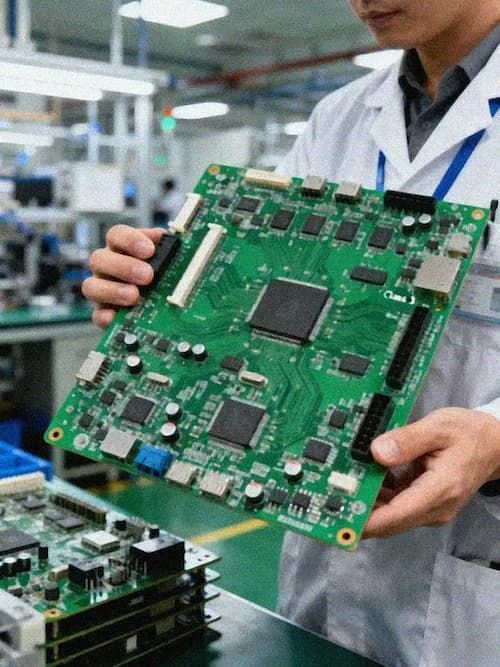
Edge computing hardware is deployed close to end data sources, requiring extremely low latency, high bandwidth, and stable operation in harsh non-controlled environments to support real-time data processing for IoT, AI inference, and industrial control scenarios. Core pain points for edge computing PCB design include high-speed signal attenuation, heat dissipation from dense computing chips, impedance misalignment, and adaptability to wide temperature, high vibration, and high humidity deployment sites. Professional edge computing PCB customization covers end-to-end processes from schematic design, stack-up planning, manufacturing, assembly, to performance verification, adapting to diverse form factors, performance indicators, and deployment scenarios of edge computing hardware, and ensuring long-term stable operation of equipment under high load conditions.
Technical Capabilities
- Diverse Board Type Support: Covers single-sided, double-sided, multilayer, HDI, rigid-flex, semi-flex, high-frequency hybrid, high-speed backplane, heavy copper, metal core, metal substrate, buried copper block, buried ceramic, ceramic PCB, high-resistance carbon oil, and mini LED backlight board configurations, adapting to varied edge computing hardware form factor and performance needs from low-power sensor terminals to high-computing-power edge servers.
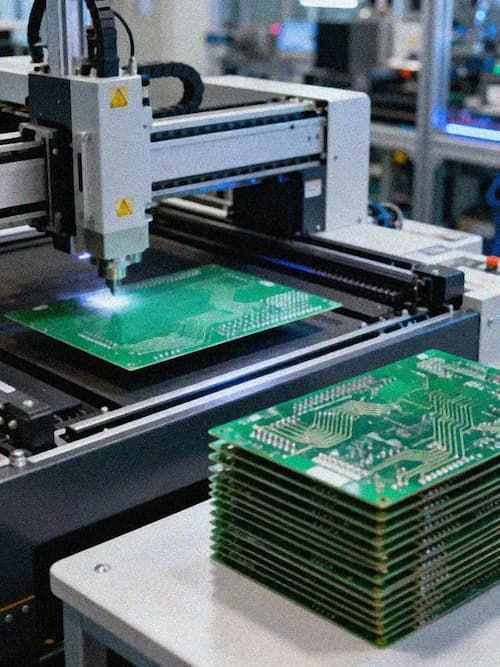
- High-Precision Manufacturing Tolerances: Achieves minimum trace width/space of 2.0/2.0mil for standard PCBs and 25/25um for IC substrates, minimum mechanical hole diameter of 0.10mm, maximum copper thickness up to 18OZ, and maximum board thickness of 12mm, supporting high-density routing for multi-chip integration and high-power load requirements for industrial edge control equipment.
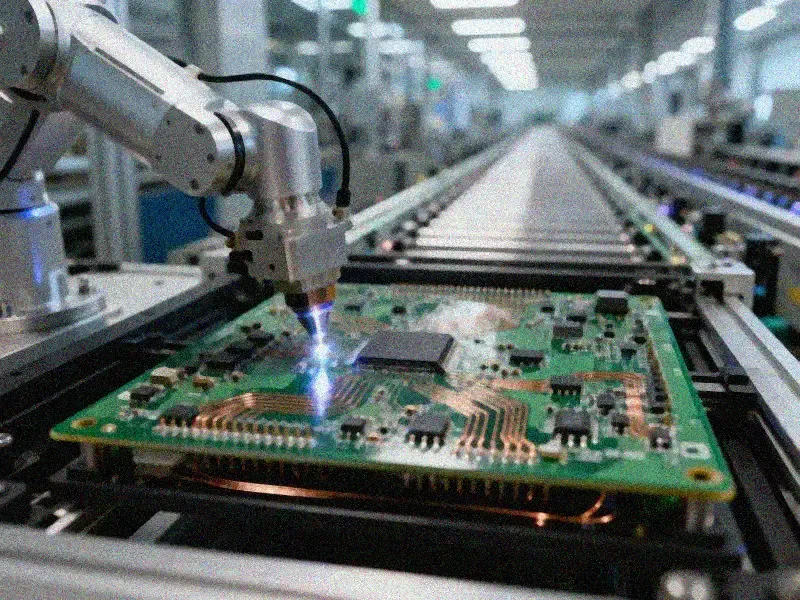
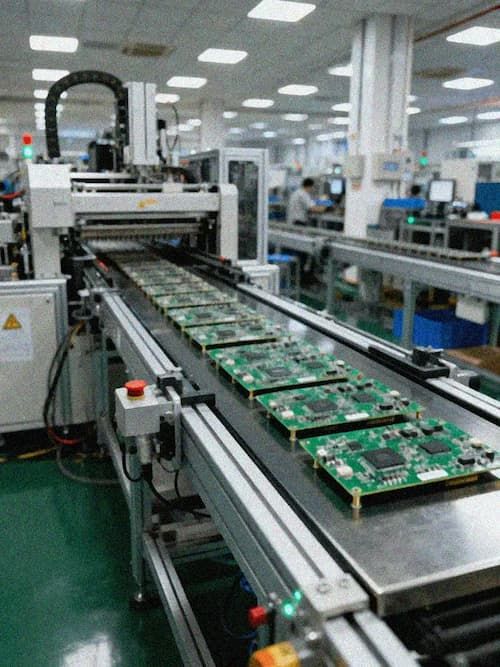
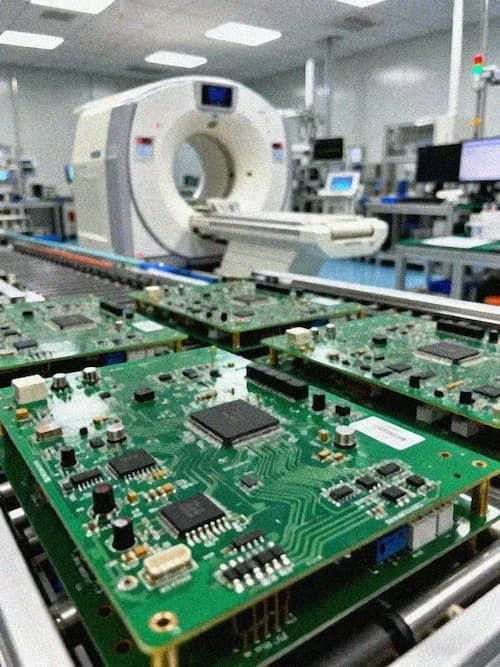
- High-Density Assembly Capabilities: Supports component packages as small as 01005 (0.3mm0.2mm), minimum pitch accuracy of 0.5, double-sided component height up to 25mm, and maximum board size of 600mm450mm, adapting to dense deployment of computing chips, high-bandwidth memory modules, and multi-channel I/O interfaces on edge computing boards.
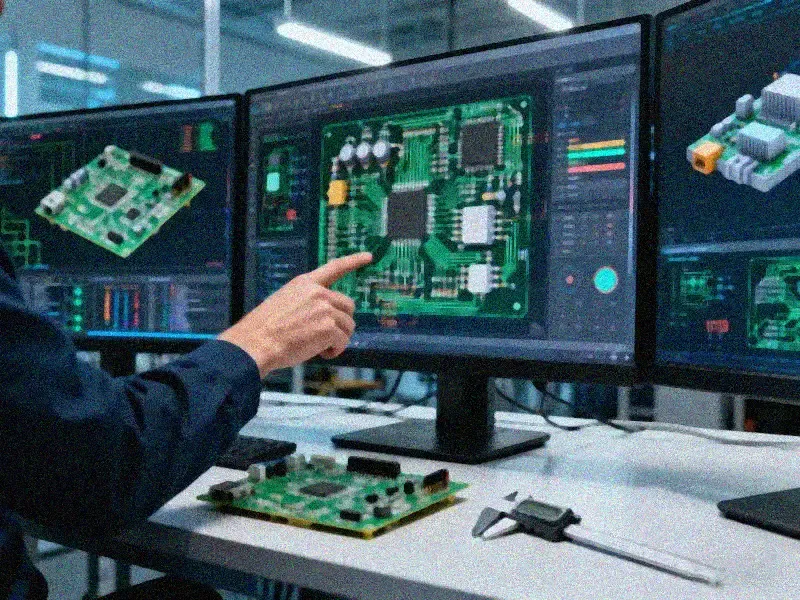
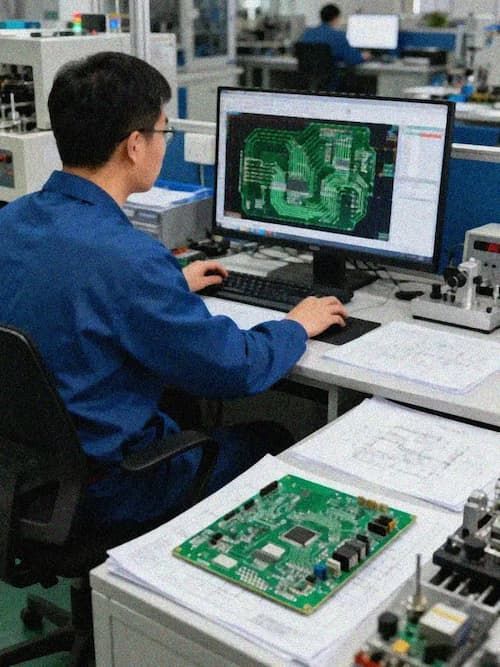
- End-to-End Customization Support: Provides full-chain services covering schematic design, stack-up optimization, BOM procurement, PCBA production and functional testing, complete machine assembly and reliability verification, and BSP development for mainstream operating systems including Android, Linux, Ubuntu, and Debian, meeting end-to-end customization needs from prototype verification to large-scale mass production.
Quality Standards
- High-Precision Impedance Control: Delivers ±5% impedance control tolerance for 90Ω/100Ω differential signal lines, minimizing signal reflection, crosstalk, and attenuation for high-speed transmission interfaces up to 100Gbps, ensuring stable data transmission between edge computing units, peripheral sensors, and cloud servers.
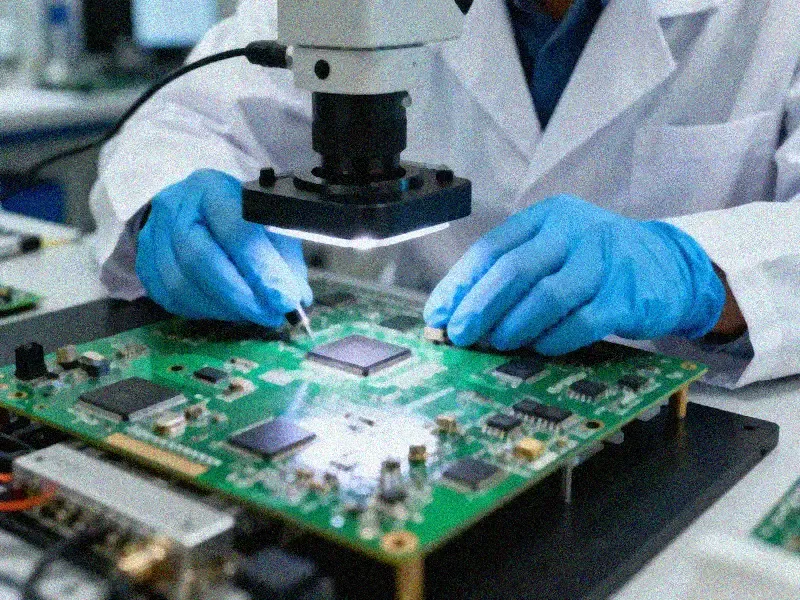
- Full-Process Reliability Verification: All custom edge computing PCBs undergo strict performance verification including signal integrity testing, EMC/EMI testing, thermal cycling testing, vibration and shock testing, and salt spray testing, ensuring stable operation in harsh deployment environments with temperature ranges from -40℃ to +85℃, high humidity, and high dust exposure.
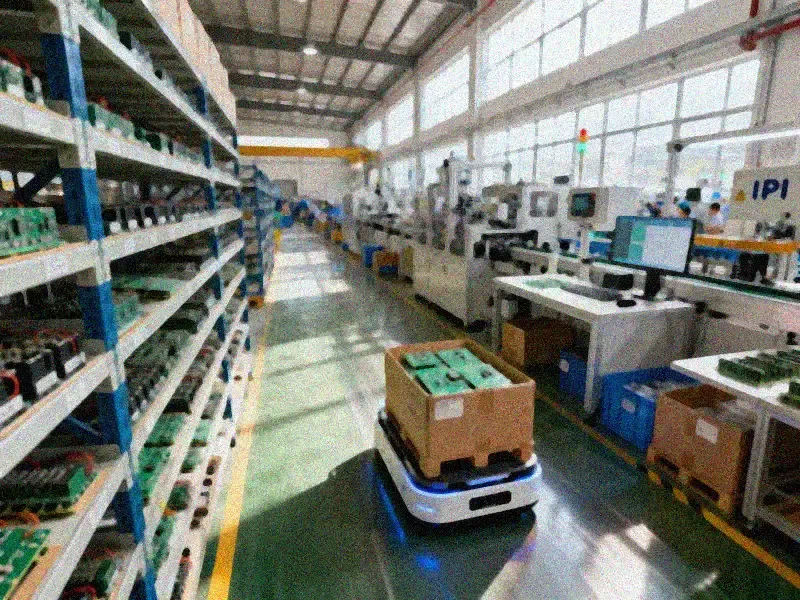
- Standardized Production Compliance: Manufacturing and assembly processes fully comply with IPC-A-600, IPC-6012, RoHS, and REACH international industry standards, with full traceability for all raw materials and production processes, supporting consistent quality control for small-batch prototyping, mid-volume trial production, and 10k+ piece large-scale mass production.
- Thermal Performance Optimization Validation: For high-computing-power edge hardware, customized thermal simulation testing is provided to verify the heat dissipation effect of heavy copper, metal core, or buried copper block board designs, ensuring no thermal throttling or component failure during long-term high-load operation.
Applications
Edge computing PCB customization solutions can be widely applied to diverse edge computing scenarios across industries:
- Industrial edge computing gateways and PLC controllers for smart manufacturing sites
- Edge AI nodes for smart city video surveillance, traffic management, and environmental monitoring
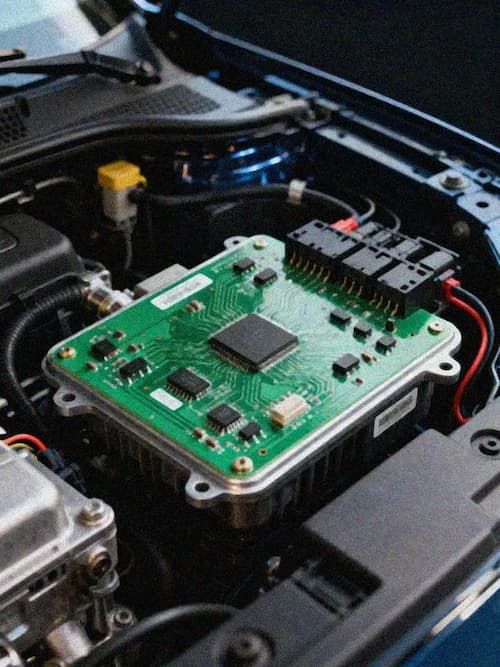
- In-vehicle edge computing platforms for autonomous driving perception systems and smart cockpit core control units
- Edge computing terminals for agricultural IoT, forest monitoring, and water conservancy sensor networks
- Smart interactive terminals for retail scenarios and core control boards for logistics autonomous transport vehicles
- Telecom edge computing base station units and 5G small cell core circuit boards
- Portable medical edge diagnostic equipment and home health monitoring terminal boards
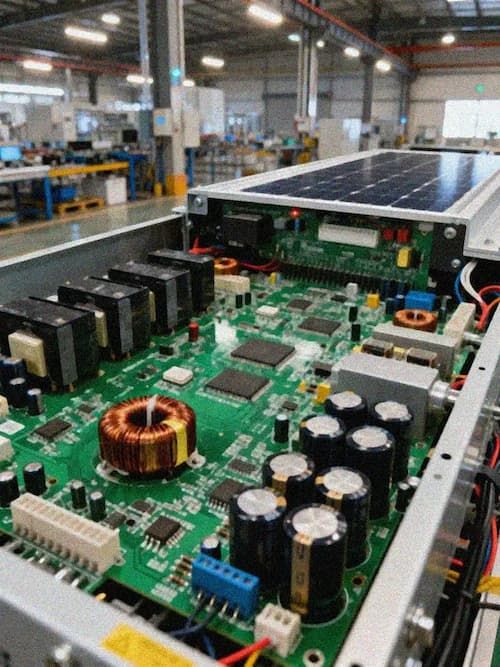
- Edge computing control units for new energy distributed power stations and energy storage systems
Key Advantages
- Scenario-Tailored Performance Optimization: Custom stack-up design, material selection, and routing planning are carried out based on specific edge hardware computing power, interface type, and deployment environment requirements, effectively balancing transmission performance, heat dissipation capacity, and production cost to avoid over-design or insufficient performance.
- Flexible Production Scale Adaptation: Supports fast turn-around prototyping for 1-10 piece small-batch functional verification, 100-1000 piece mid-volume trial production, and 10k+ piece large-scale mass production, with consistent quality control systems across all production scales to meet the iteration and launch needs of edge hardware products at different stages.
- Low-Latency Transmission Adaptation: Optimized design for high-speed I/O interfaces and high-bandwidth memory connection paths, meeting the low-latency data processing requirements of edge computing hardware with peak computing power up to 64TOPS, and supporting real-time inference and response for AIoT scenarios.
- Cost-Effective Customization Support: Mature process systems support the selection of cost-optimized materials and manufacturing processes without compromising performance, reducing the overall R&D and production cost of edge computing hardware, especially for mid-volume and mass production scenarios.
Contact Information
If you have edge computing PCB customization needs for any industry scenario, please contact our technical team to share your project specifications, performance indicators, and production scale requirements. We provide free technical feasibility evaluations, detailed cost estimates, and professional one-on-one technical consulting services to help you launch high-reliability, cost-effective edge computing hardware products efficiently.