Overview
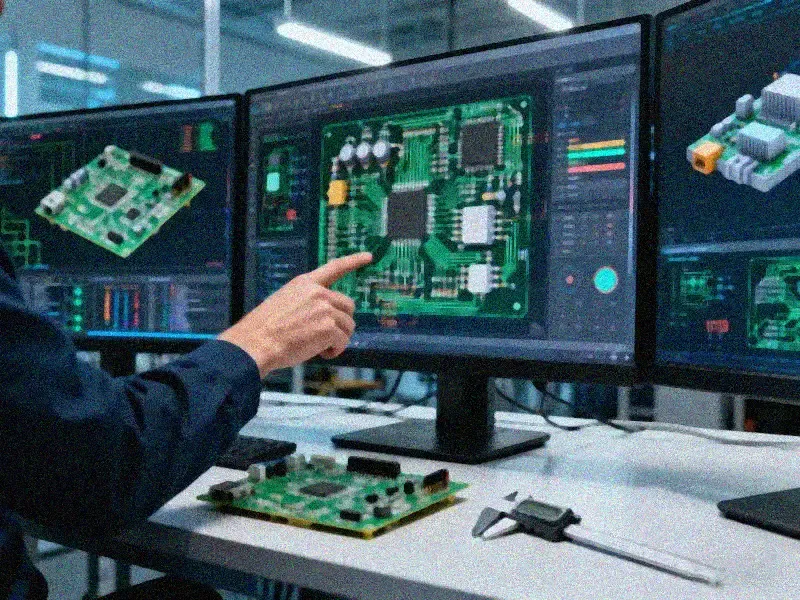
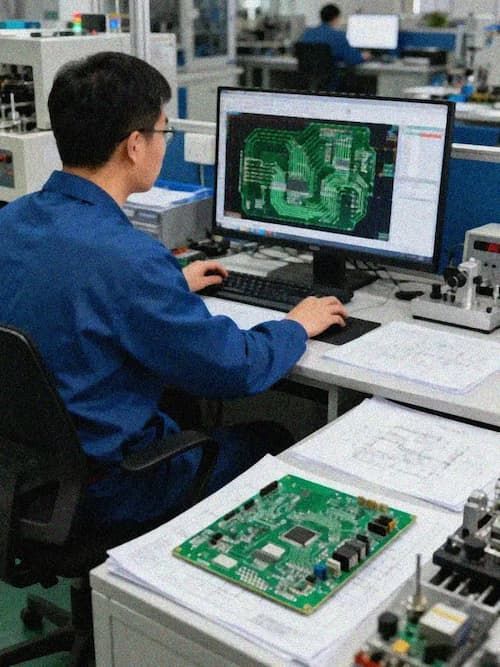
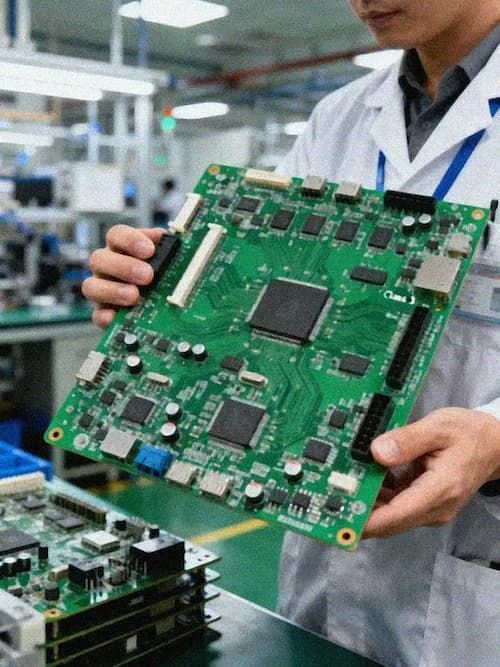
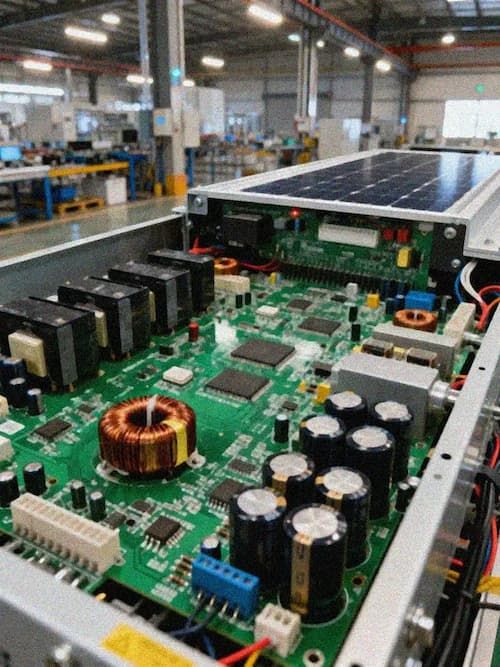
Edge computing devices are typically deployed in remote, power-constrained scenarios including off-grid industrial sites, outdoor smart city nodes, and battery-powered portable IoT terminals, making low power design a core requirement to extend equipment service life and reduce operational costs. Common industry pain points include excessive standby energy consumption caused by unoptimized power distribution networks, thermal runaway triggered by high power transmission loss, signal interference between power lines and high-speed data interfaces, and unstable operation in extreme temperature and humidity environments. Our edge computing low power PCB design solutions address these core challenges through targeted, scenario-specific optimization, covering the full process from schematic design, stack planning, component placement and routing, to full performance testing and verification. We balance high-performance edge computing demands with low energy consumption requirements, delivering reliable PCB design schemes suitable for both R&D prototype verification and large-scale mass production.
Technical Capabilities
- Low-Power Optimized Stack Architecture: Support 4 to 12 layer stack designs with dedicated independent power planes and signal isolation layers, reducing leakage current by up to 35% compared to standard stack designs, fully adapting to battery-powered, solar-powered, and energy-harvesting edge hardware requirements.
- Precision Power Distribution Network (PDN) Design: Optimized routing for DC and AC power circuits, with built-in support for power regulation of I2C, TDM, and PCM communication interfaces, minimizing power loss during transmission, and ensuring stable power supply for core computing units even under peak load conditions.
- High-Density Embedded Component Integration: Compatible with buried resistance, buried capacitance, buried copper block, and embedded component board designs, reducing overall board size by up to 40% and cutting parasitic power loss from discrete external components, further lowering overall equipment energy consumption.
- High-Speed Signal Low-Loss Adaptation: Support design and manufacturing of high-frequency hybrid boards, HDI boards, rigid-flex boards, and ceramic substrate boards, meeting low-latency data transmission requirements for edge AI computing modules. We achieve ±5% impedance control accuracy for 90Ω/100Ω differential signals, reducing signal reflection loss and avoiding unnecessary power waste caused by retransmission.
- Targeted Low-Power Validation Testing: Provide full-cycle power consumption testing covering idle power, peak power, and dynamic power adjustment scenarios, verifying power efficiency across the -40℃ to +85℃ industrial temperature range, ensuring stable low-power operation in harsh edge deployment environments.
Quality Standards
- Material Compliance Requirements: We select low-loss, high-stability substrate materials including ceramic substrates, high-resistance carbon oil boards, semi-flexible substrates, and metal core substrates based on scenario requirements, all complying with RoHS, REACH, and other international environmental and material performance standards.
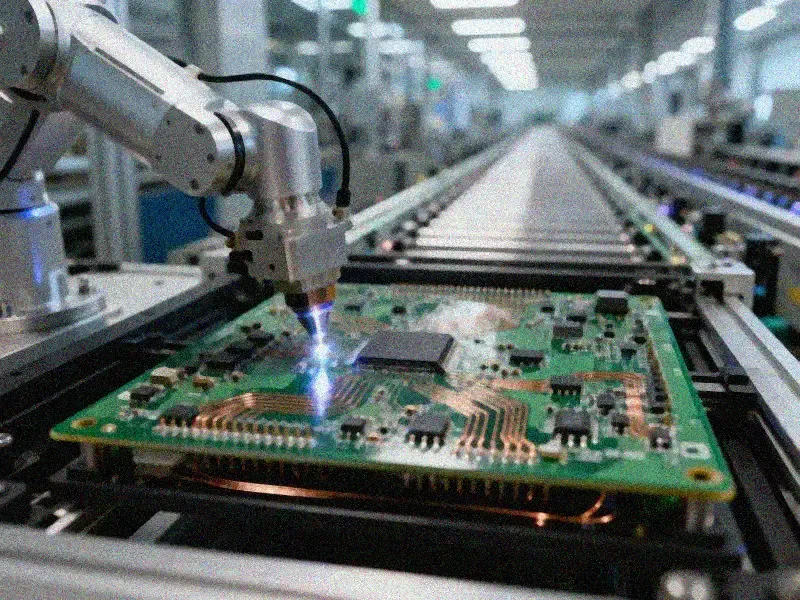
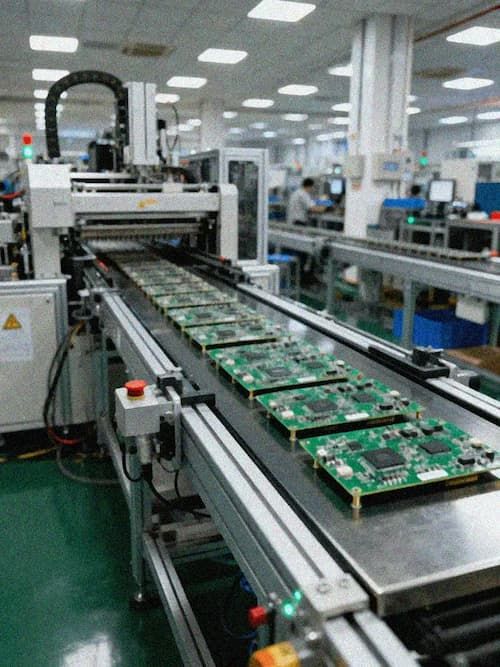
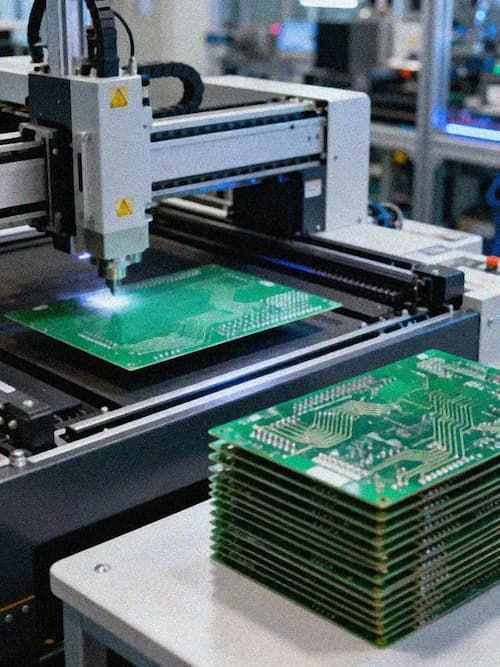
- Manufacturing Precision Control: Support production with line width/space as low as 2.0/2.0mil and micro-vias down to 0.06mm, ensuring consistent manufacturing accuracy for high-density low-power PCB designs, with mass production yield rates above 98% to avoid unnecessary cost loss caused by design defects.
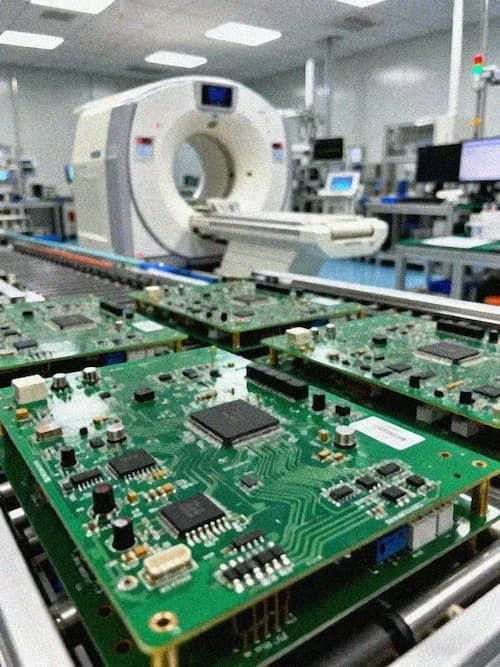
- Full-Process Verification Mechanism: All designs undergo mandatory signal integrity testing, EMC testing, thermal cycling testing, and power cycle testing before entering mass production, eliminating potential design risks, and ensuring product service life of up to 10 years under normal edge deployment conditions.
Applications
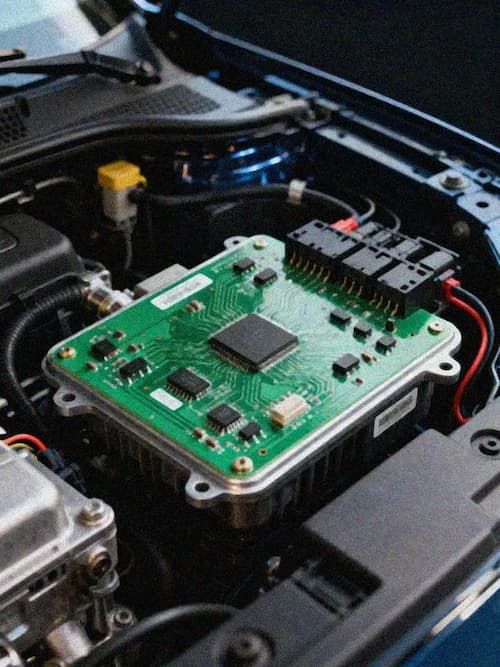
Edge computing low power PCB design solutions are applicable to a wide range of edge hardware scenarios, including but not limited to:
- Remote industrial edge monitoring and control nodes
- Battery-powered smart city edge computing terminals
- IoT edge sensor aggregation gateways
- Portable AI edge diagnostic devices for industrial and medical use
- Outdoor solar-powered edge communication base stations
- Low-power edge AI evaluation boards for autonomous device development
- Off-grid agricultural edge monitoring and regulation equipment
- Wearable edge computing terminals for industrial operation management
Key Advantages
- Scenario-Specific Customization: We adjust stack architecture, PDN layout, and component selection based on specific power supply conditions (battery, solar, energy harvesting) and performance demands of each project, achieving the optimal balance between edge computing performance and power consumption, reducing overall operating energy costs for edge deployments by up to 40%.
- Full Lifecycle Service Support: Our services cover the entire product lifecycle from schematic design, stack planning, layout routing, prototype production, to mass manufacturing guidance, adapting to different project stages from small-batch R&D verification to large-scale commercial deployment.
- Cost Optimization Capability: We optimize design schemes to avoid unnecessary high-cost material and process requirements without compromising low-power performance and reliability, making our solutions suitable for both cost-sensitive small-batch prototype projects and high-volume mass production demands.
- Cross-Environment Adaptability: We support rigid, flexible, rigid-flex, metal substrate, and ceramic substrate board designs to meet the special environmental requirements of different edge deployment scenarios, including vibration resistance, moisture resistance, corrosion resistance, and wide temperature operation demands.
Contact Information
If you have any edge computing low power PCB design requirements, whether for early-stage prototype development or large-scale mass production, you can contact our technical team at any time. We will provide you with customized design solutions, free pre-project technical evaluation, and full-process professional consulting support to help you launch high-performance, low-energy edge hardware products efficiently.