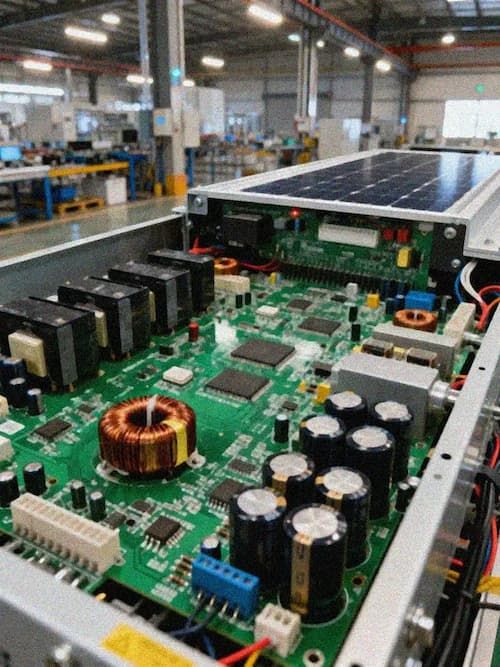
Overview
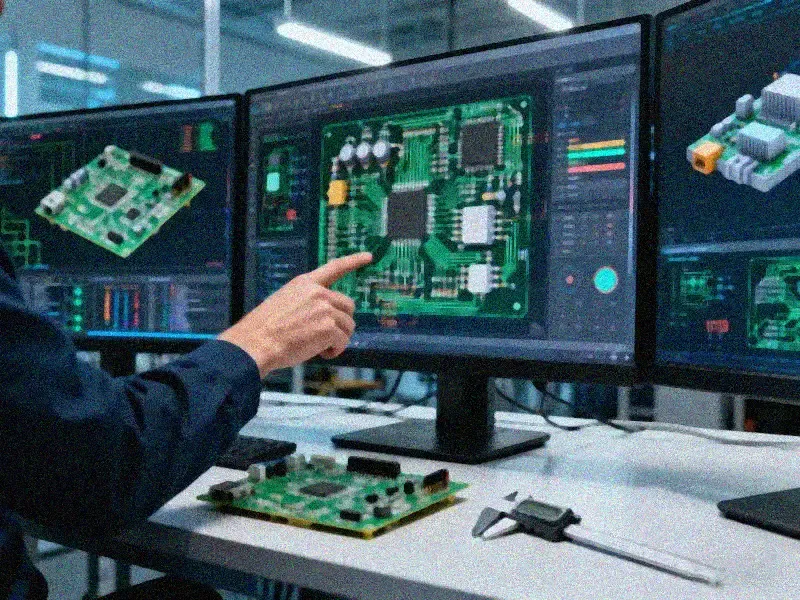
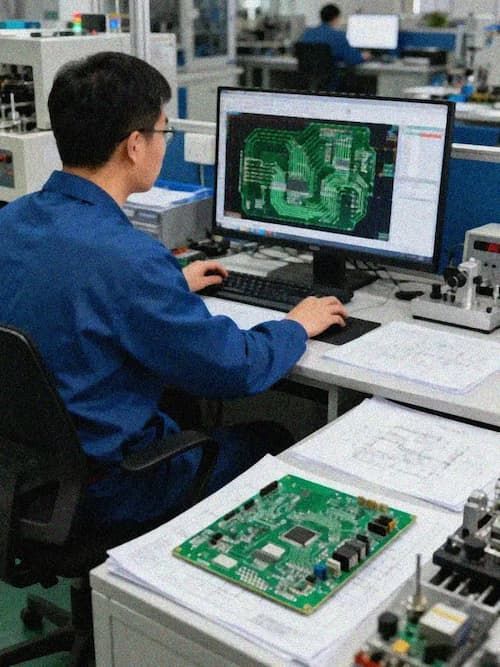
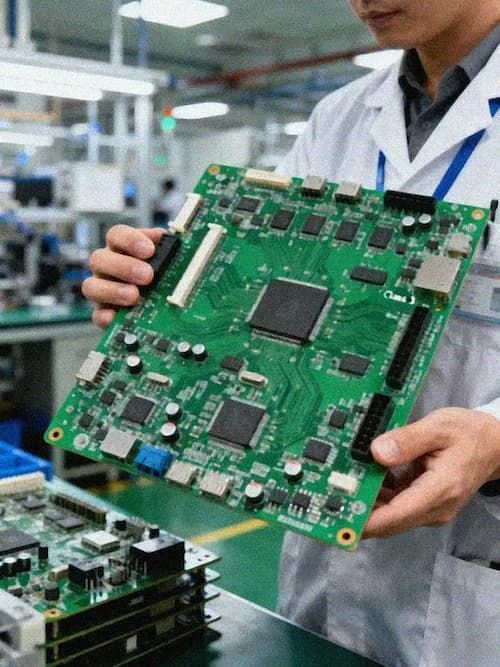
The rapid expansion of edge computing scenarios places extremely high requirements on the signal transmission performance, reliability, and form factor of hardware core boards. Edge nodes need to process large volumes of concurrent data locally to achieve millisecond-level response latency, while also adapting to harsh deployment environments such as wide temperature ranges, high humidity, and vibration. Edge computing high speed PCB design is developed to address these industry pain points, covering the full process from schematic design, stack planning, placement and routing optimization, to testing and verification. It effectively solves common problems such as high-speed signal attenuation, crosstalk, impedance misalignment, and thermal accumulation, providing stable hardware support for continuous and efficient operation of edge computing systems.
Technical Capabilities
Edge computing high speed PCB design is oriented to diversified performance and scenario requirements, with full coverage of high-speed transmission, multi-board type adaptation, and high-density design capabilities:
- High-Speed Signal Transmission Support: Supports maximum transmission speeds of up to 112Gbps, and is compatible with 25Gbps, 56Gbps and other mainstream high-speed interface protocols, meeting low-latency data transmission requirements for edge computing nodes with high concurrent data processing loads, and ensuring data transmission fidelity between computing chips, memory modules, and wireless communication interfaces.
- Multi-Type Board Design Compatibility: Covers design for rigid boards, rigid-flex boards, high-frequency hybrid boards, HDI boards, high-speed backboards, high-speed optical module PCBs, and millimeter-wave radar PCBs, adapting to diverse edge hardware form factor and performance requirements. Supports rigid board sizes up to 550mm1000mm, and flexible board sizes up to 2000mm200mm for specialized edge deployment scenarios.
- Precision Stack and Impedance Control: Supports up to 68-layer FR4 stack design, 28-layer high-frequency mixed pressure stack, 30-layer rigid-flex stack, and 28-layer HDI stack configurations, with customizable independent ground plane planning to shield inter-layer signal interference. Achieves high-precision impedance control with industry-leading error margins, reducing signal reflection and attenuation for high-speed differential signals, high-bandwidth memory interfaces, and high-speed I/O ports.
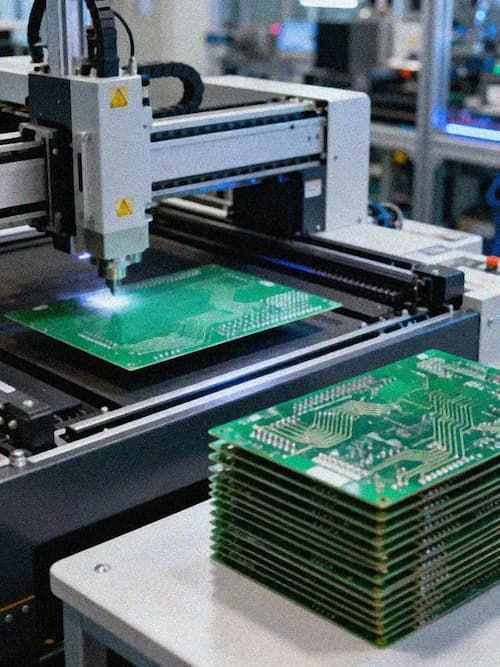
- High-Density Routing Support: Compatible with micro-via, mechanical blind and buried via design requirements, supports ultra-fine trace width/space specifications to accommodate high-density component placement for edge computing chips, memory modules, and 5G communication modules, reducing overall PCB form factor by more than 30% while maintaining complete signal integrity.
- Thermal Optimization Design: Integrates thermal simulation analysis in the design stage, and supports design matching for heavy copper boards, buried copper block boards and other high thermal conductivity boards, effectively dissipating heat generated by high-power edge computing chips, and avoiding performance degradation caused by excessive operating temperature of hardware.
Quality Standards
Edge computing high speed PCB design follows strict international industry standards and multi-stage verification mechanisms to ensure long-term stable operation of products in complex edge deployment environments:
- Design Compliance Standards: All design processes strictly comply with IPC-2221, IPC-2223, IPC-6012 and other international PCB design and manufacturing standards, with mandatory pre-design DFM (Design for Manufacturing) and DFT (Design for Testing) checks to eliminate potential manufacturing defects, improve production yield, and reduce project iteration cycles by more than 20%.
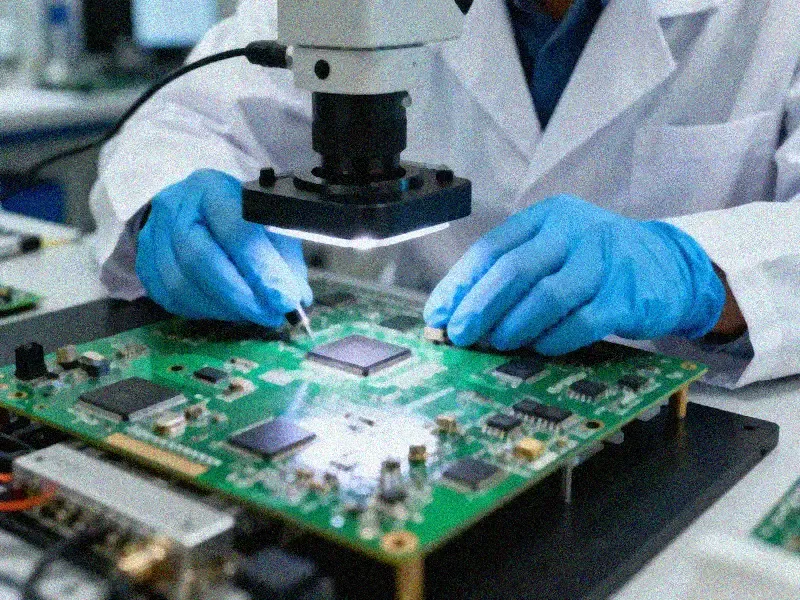
- Reliability Verification Requirements: Mandatory signal integrity testing, impedance consistency testing, EMC testing, high and low temperature cycling testing, vibration testing, and humidity resistance testing are included in the design verification process, ensuring products can operate stably in industrial-grade temperature ranges, vibration-prone, and high-humidity edge deployment scenarios.
- Material Selection Specifications: Supports selection of high-Tg FR4, PTFE high-frequency substrates, ceramic substrates and other specialized materials based on project performance requirements, matching signal transmission performance and thermal management needs of high-power edge computing hardware, and extending the service life of products by more than 5 years.
Applications
Edge computing high speed PCB design solutions can be widely adapted to various edge computing hardware scenarios across industries:
- 5G Edge Infrastructure: For 5G base station edge computing units, small cell core boards, 5G coupler PCBs, and edge gateway devices, supporting high-speed data forwarding and low-latency service processing for 5G network edge nodes.
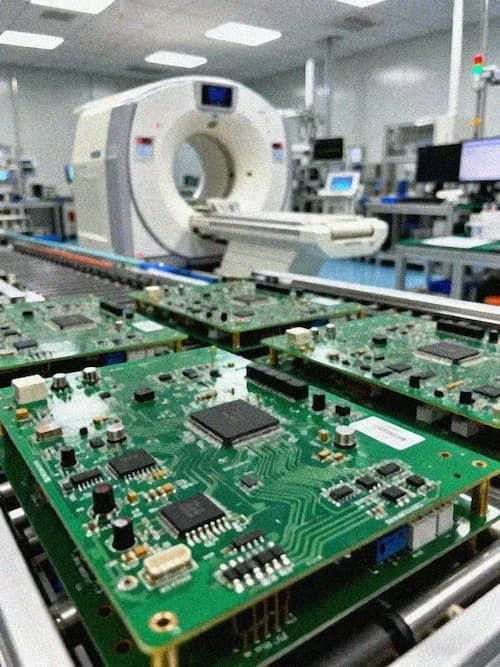
- Industrial Internet Edge Devices: For industrial edge controllers, predictive maintenance edge terminals, automated production line control units, and industrial visual inspection edge analysis boards, adapting to harsh industrial operating environments with high dust, high vibration, and wide temperature ranges.
- Smart City Edge Perception Terminals: For traffic monitoring edge nodes, public safety intelligent analysis terminals, smart community edge servers, and environmental monitoring edge collection devices, meeting high concurrent video and sensor data transmission and processing requirements.
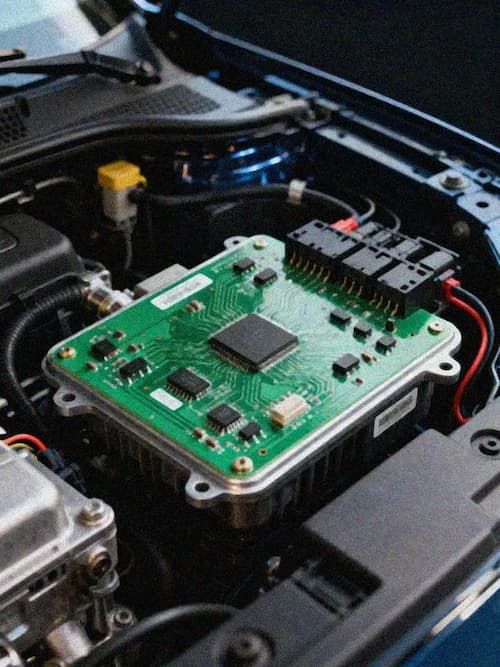
- Automotive Edge Computing Hardware: For autonomous driving domain controllers, in-vehicle edge AI platforms, millimeter-wave radar PCBs, and smart cockpit core control units, supporting real-time processing of multi-sensor perception data for intelligent connected vehicles.
- Commercial Edge Terminals: For smart shelf edge analysis terminals, logistics sorting edge control units, unmanned delivery vehicle core control boards, and new retail self-service terminal main boards, ensuring stable operation in variable commercial operation scenarios.
Key Advantages
- Systematic Design Orientation: Adopts a systematic design-oriented approach, balancing signal performance, energy efficiency, manufacturing cost, and production cycle in the design stage, providing optimal solutions tailored to different edge computing project scale and performance requirements.
- Full-Process Service Coverage: Covers the entire value chain from schematic design, stack planning, placement and routing optimization, prototype fabrication, to testing and verification, reducing cross-stage communication costs, and ensuring design solutions meet mass production requirements.
- Mature High-Speed Design Experience: Has accumulated rich implementation experience in high-speed backboards, high-speed optical module PCBs, millimeter-wave radar PCBs and other high-speed PCB categories, effectively solving common pain points such as signal crosstalk, impedance mismatch, and thermal accumulation in edge computing high speed PCB design.
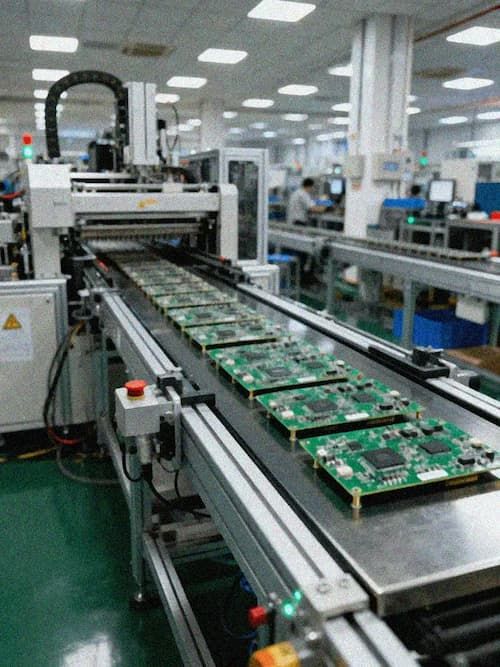
- Flexible Order Adaptation: Supports rapid prototype production (7-15 day lead time), small-batch trial production, and large-scale mass production requirements, adapting to the full lifecycle needs of edge computing hardware from R&D verification to commercial deployment.
Contact Information
If you have edge computing high speed PCB design requirements, you can contact our technical team for consultation. We will provide customized design solutions, free pre-project technical evaluation, and professional after-sales support to help your edge computing hardware project land efficiently.