Overview
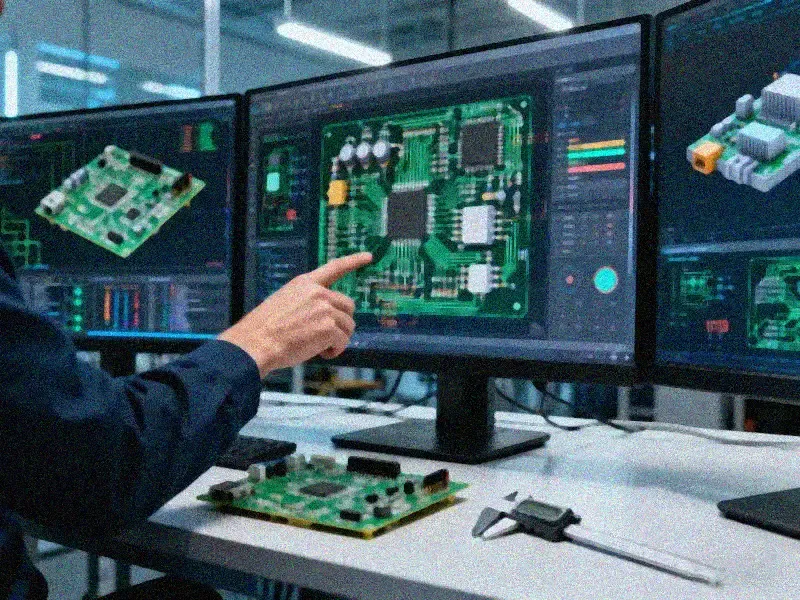
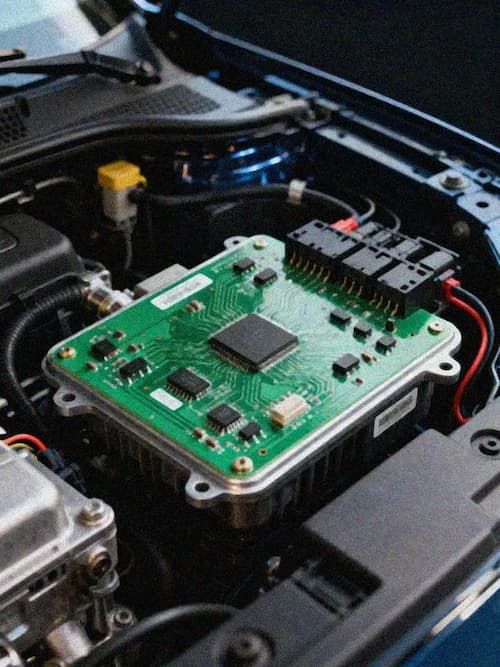
The rapid popularization of L2-L4 autonomous driving, smart cockpits, and new energy vehicle systems has driven explosive growth of on-board data volume, putting forward extremely high requirements for low-latency computing, high-reliability signal transmission, and extreme environment adaptability of automotive electronics. Edge computing automotive PCB design is tailored to the performance demands of vehicle-side edge computing nodes, covering the full process from schematic design, stackup planning, placement and routing optimization, to testing and verification. It solves core industry pain points including high-speed signal crosstalk, thermal runaway of high-power components, connection failure under long-term vibration, and unstable operation in wide temperature ranges, supporting stable operation of various high-performance automotive edge hardware.
Technical Capabilities
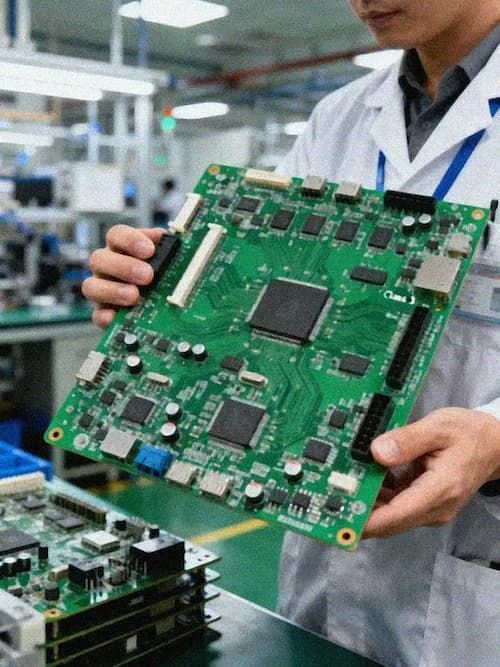
- High-Density Stackup Design Support: Supports up to 20+ layer high-speed multi-layer PCB stackup design, with configurable 3-6 independent ground planes to effectively shield interference between high-speed signal layers, adapting to 32TOPS+ peak computing power requirements of automotive edge computing chips. It also supports HDI, blind/buried via, and micro-via (minimum 0.06mm) design schemes, meeting the high component density layout requirements of FPGA and ARM-based automotive control units, with line width/line spacing as low as 2.0/2.0mil.
- Precise Impedance & Signal Integrity Optimization: Achieves ±5% high-precision impedance control for 90Ω, 100Ω, 120Ω differential and single-ended signals, perfectly adapting to 750Gbps high-speed I/O, MIPI CSI, automotive Ethernet, and LVDS transmission requirements. It reduces signal reflection, attenuation, and delay, ensuring low-latency, error-free data transmission between on-board sensors, radar, domain controllers, and high-bandwidth memory units.
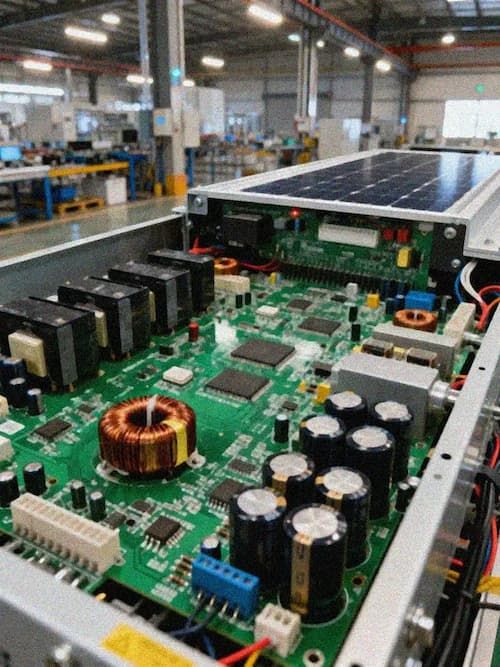
- High-Power Scenario Thermal Management Design: Supports heavy copper (up to 10oz) PCB, buried copper block, buried ceramic, and metal core substrate design solutions, targeting the heat dissipation demands of high-power DC/DC modules, motor drive units, and edge computing processors. Compared with standard PCB designs, it can reduce the operating temperature of high-heat components by 15-25%, effectively avoiding thermal throttling or component failure under long-term high-load operation.
- Special Structure Rigid-Flex Design Capabilities: Provides three types of rigid-flex PCB design solutions: conventional rigid-flex boards, rigid-flex boards with gold finger reinforcement, and rigid-flex boards with flexible layer buried vias. They adapt to complex installation spaces in smart cockpits, radar modules, and foldable display units, with vibration resistance and bending resistance 3 times higher than standard rigid PCBs, reducing connection failure risks caused by long-term vehicle driving vibration.
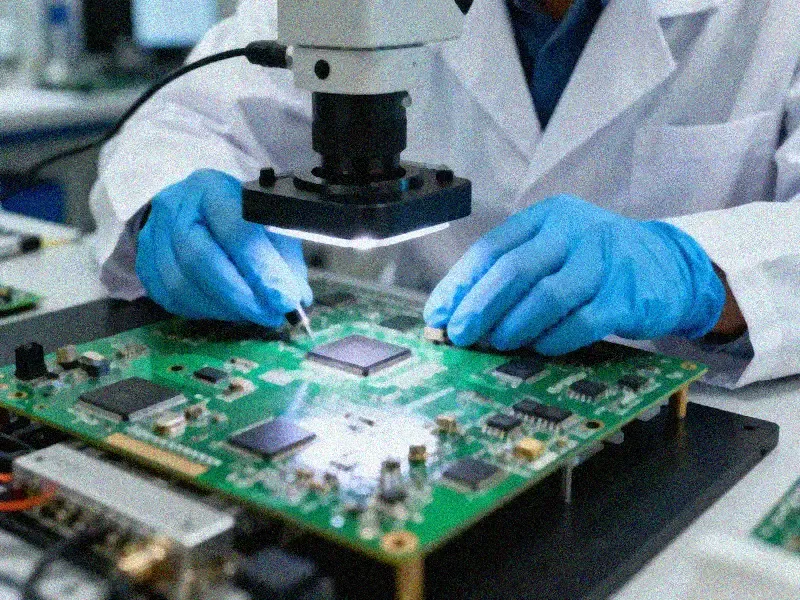
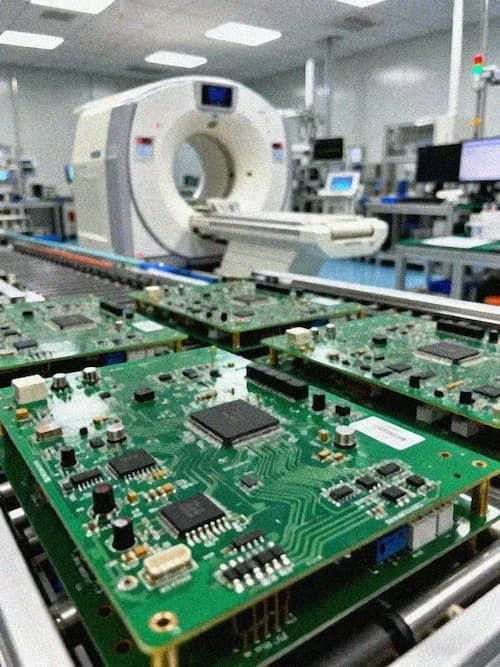
- Full-Process Design Verification Support: Equipped with professional testing systems, it provides end-to-end verification services including signal integrity (SI) testing, power integrity (PI) testing, EMC/EMI testing, thermal cycling testing, and vibration & shock testing. It fully validates product performance under -40℃ to +85℃ wide temperature range, high humidity, and high vibration automotive operating environments, ensuring compliance with automotive grade reliability requirements.
Quality Standards
- All design and manufacturing processes comply with IATF 16949 automotive quality management system requirements, and strictly follow IPC-A-600, IPC-2221 and other international PCB industry design specifications, meeting the access standards of the global automotive electronics supply chain.
- Material selection strictly follows automotive grade requirements, prioritizing high-Tg, low-DK, low-loss substrates suitable for high-speed signal transmission and extreme temperature environments, with full RoHS and REACH compliance for hazardous substance control.
- Each design iteration undergoes 3+ rounds of DFM (design for manufacturing) checks to eliminate potential production defects in advance, ensuring a 99%+ prototype success rate and consistent performance across mass production batches, with zero batch quality risks.
Applications
Edge computing automotive PCB design solutions are applicable to a wide range of automotive electronics scenarios, including:
- Autonomous driving domain controllers and edge AI computing platforms for L2-L4 autonomous driving systems
- 77G millimeter wave radar, LiDAR, and ADAS multi-sensor data acquisition and processing units
- Smart cockpit core control boards, intelligent central control displays, intelligent navigation, and smart rearview mirror systems
- High-power motor drive modules, DC/DC power modules, and charging inverter integrated units for new energy vehicles
- Automotive core boards based on mainstream chip platforms including NXP i.MX6, i.MX8, Renesas TW, and Xilinx Zynq series
- Vehicle-to-everything (V2X) communication modules and in-vehicle high-speed data transmission high-layer backplanes
- Filtering boards, signal acquisition boards, and functional modules for on-board power and signal systems
Key Advantages
- Scenario-Based Customized Design: Provides targeted design optimization for different automotive application scenarios, adjusting stackup structure, material selection, thermal management scheme, and structural design according to actual use requirements, balancing product performance, manufacturing cost, and production feasibility to the maximum extent.
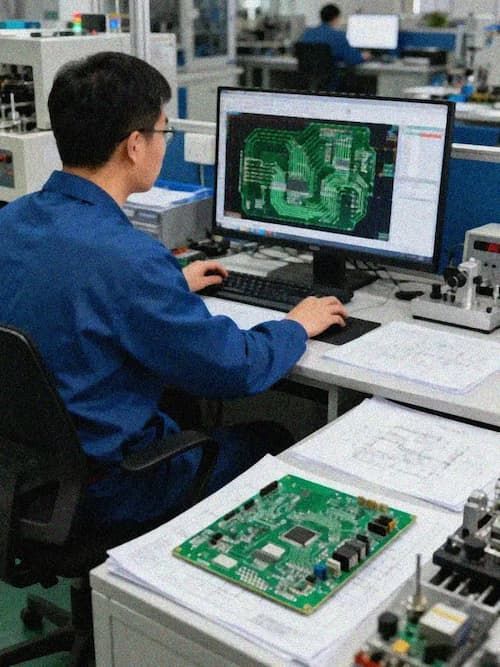
- Full-Lifecycle Service Support: Covers end-to-end services from schematic design, PCB layout, prototype fabrication, small-batch trial production to mass manufacturing design guidance, adapting to the full R&D and production cycle of automotive electronics products, reducing cross-stage communication costs by more than 30% and shortening product time to market.
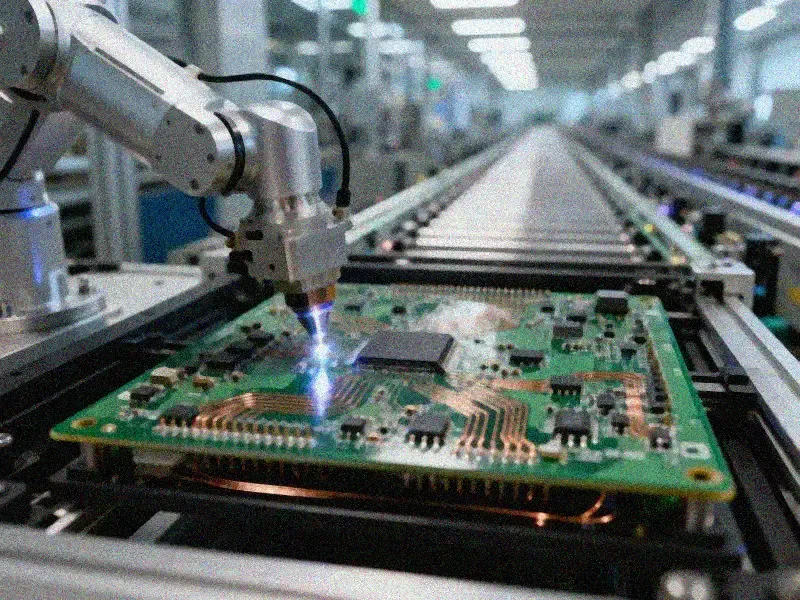
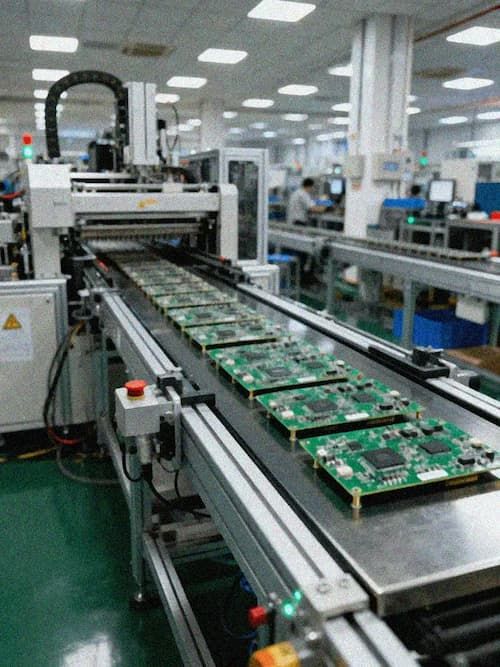
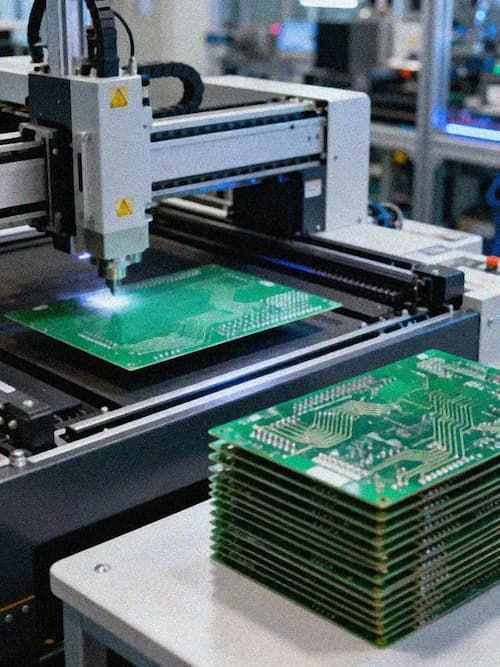
- High Manufacturing Yield Assurance: Compatible with advanced manufacturing processes including laser drilling, LDI laser direct imaging, and X-ray non-destructive testing, ensuring a 98%+ manufacturing yield of high-density, high-speed, special structure automotive PCBs, reducing overall production costs for customers.
- Long-Term Reliability Guarantee: All designs focus on the harsh operating conditions of automotive scenarios, with optimized anti-vibration, anti-EMI, wide temperature adaptability, and moisture resistance, ensuring a 10+ year service life of PCBs for mass-produced automotive products, reducing after-sales maintenance costs.
Contact Information
If you have edge computing automotive PCB design requirements, including prototype development, small-batch trial production, or mass production design optimization, please get in touch with our technical team. We will provide you with free design feasibility evaluation, customized solution planning, and professional technical consulting services to support the stable implementation of your automotive electronics projects.