Overview
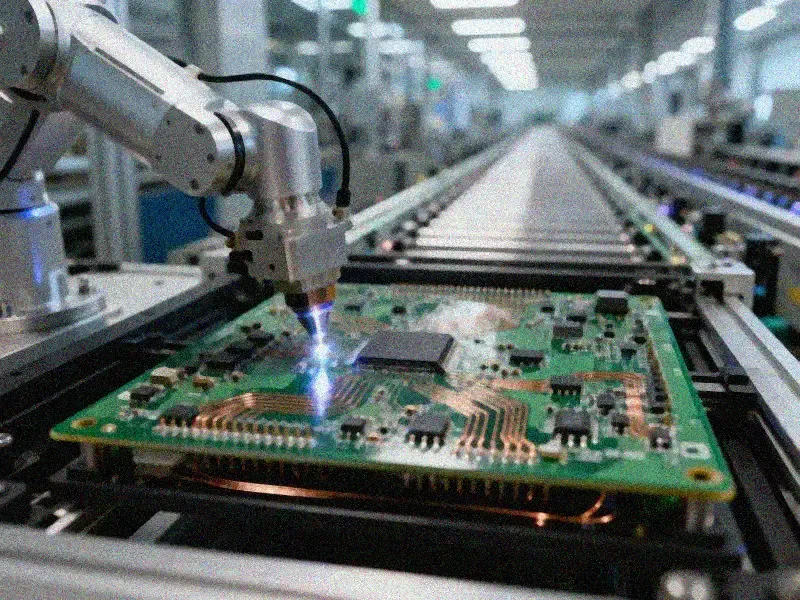
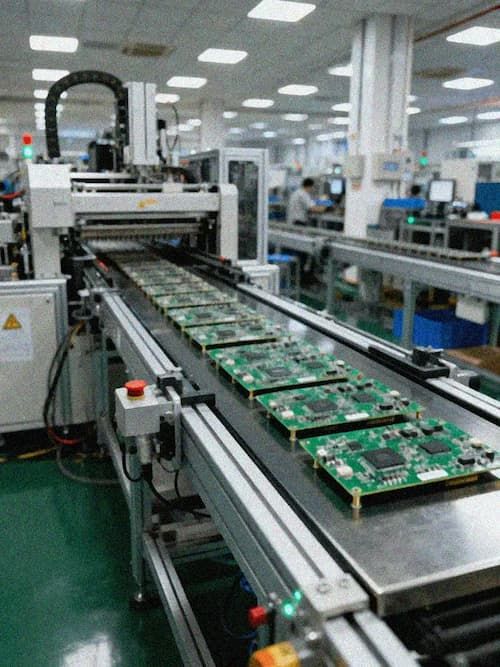
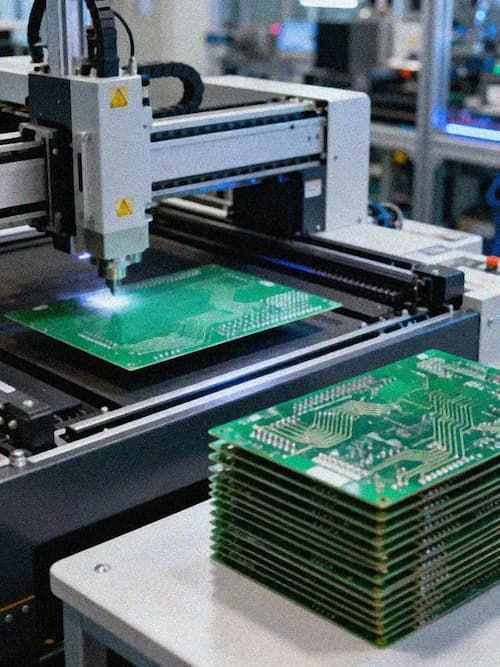
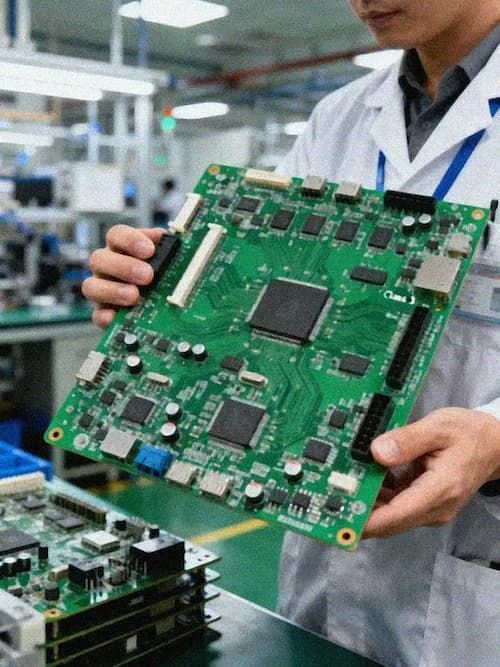
With the continuous improvement of data transmission rates in modern electronic systems, signal integrity has become a core constraint for product performance in high-frequency, high-bandwidth application scenarios. Standard plated through vias leave redundant copper stubs in unused via sections, which cause significant signal reflection, insertion loss, and crosstalk at transmission rates of 25Gbps and above, directly leading to increased bit error rates and unstable system operation. Backdrilling PCB technology addresses this pain point by performing secondary controlled-depth drilling on through vias after plating, removing the excess copper plating that does not connect any circuit layers, eliminating stub-related signal interference without damaging the internal conductive path. This process has become a standard requirement for high-layer count, high-speed circuit board production, supporting reliable data transmission for next-generation electronic products.
Technical Capabilities
- Precision Depth Control Drilling: Achieves drilling depth tolerance as low as ±0.05mm, accurately removes redundant via stubs without damaging internal circuit layers, compatible with 2 to 26 layer rigid, rigid-flex, and high-frequency PCB structures, supporting residual stub length control below 0.1mm for high-speed transmission requirements.
- High-Density Manufacturing Support: Supports minimum line width/line spacing of 2.0mil/2.0mil, compatible with advanced processes including blind & buried vias, via in pad, half holes, step slots, epoxy fill, and stack vias, adapting to high-density routing requirements of high-end electronic products with limited board space.
- Wide Material Compatibility: Works with a full range of high-performance substrate materials including high-speed FR4 (TU872SLK, TU933+), high-frequency laminates, metal cores, and ceramic substrates, meeting application requirements for different temperature resistance, dielectric constant, and signal loss specifications.
- Custom Process Adaptation: Supports matching secondary processes including local stiffeners (PI, FR4, steel, alloy), high-resistance carbon ink, mixed surface finishes, and embedded components, covering special process demands for different industry scenarios.
Quality Standards
Backdrilling PCB production follows strict multi-stage quality control protocols to ensure process consistency and long-term product reliability, aligned with global industry acceptance specifications:
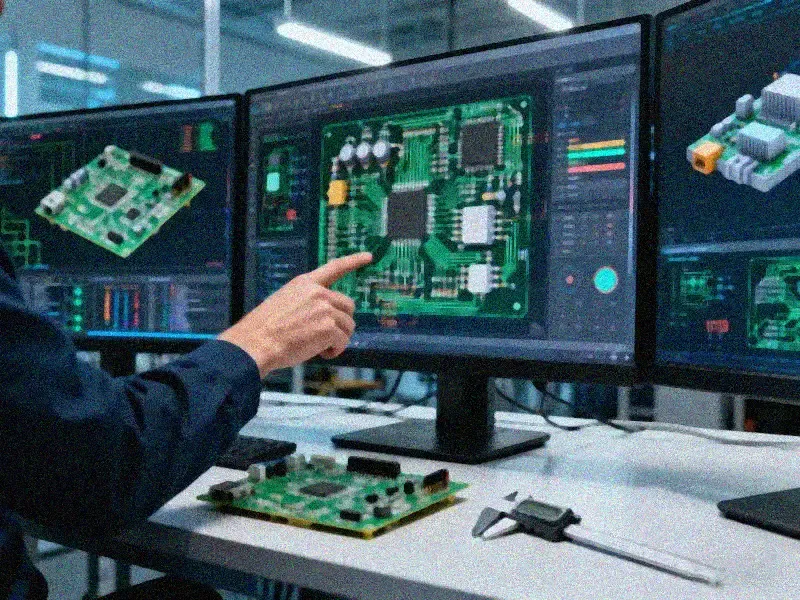
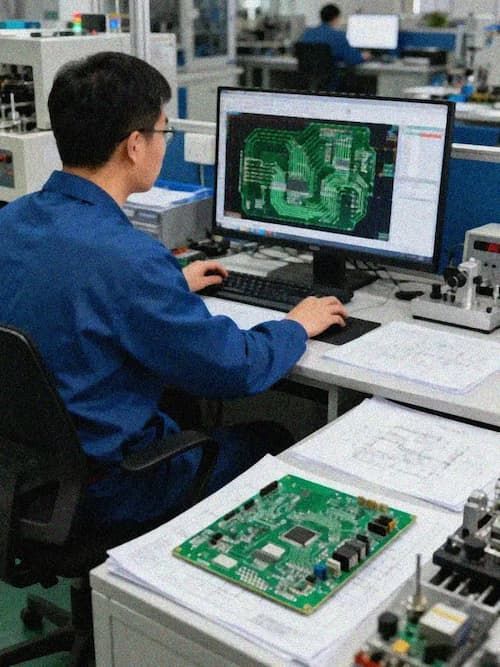
- Pre-Production Stack Verification: 3D stack modeling is performed before production to confirm via length, stub removal depth, and interlayer spacing, avoiding design mismatches that lead to insufficient or over-drilling defects.
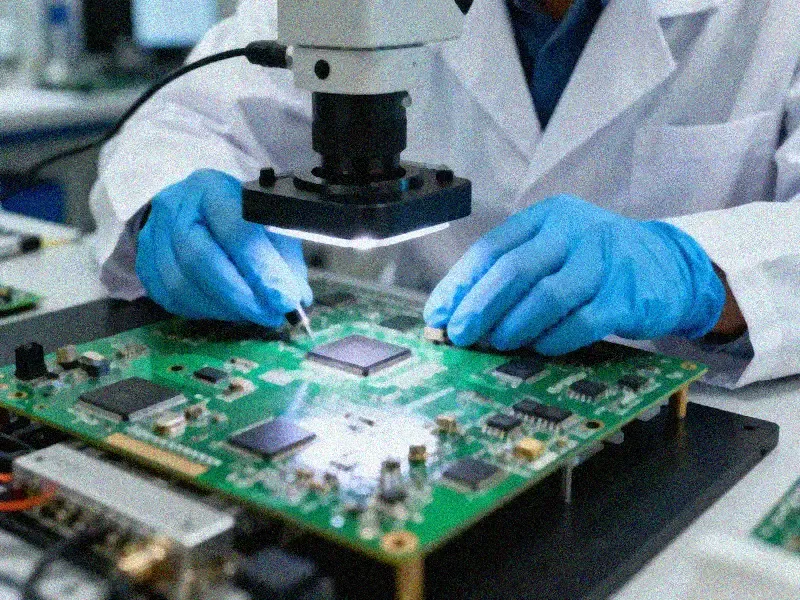
- In-Line Process Inspection: X-ray non-destructive testing is implemented for each backdrilled lot to verify drilling depth and residual stub length, with 100% electrical connectivity testing to ensure no open or short circuit issues caused by backdrilling operations.
- Reliability Performance Validation: Products pass a full set of reliability tests including thermal shock, humidity resistance, impedance continuity testing, and signal integrity analysis, ensuring stable operation in harsh industrial operating environments ranging from -40°C to +85°C.
- Compliance Alignment: All production processes comply with IPC-A-600, IPC-6012, and other international circuit board acceptance standards, meeting the access requirements of high-end regulated industries.
Applications
Backdrilling PCB solutions are widely used in scenarios with strict high-speed signal transmission requirements, including:
- Communication Infrastructure: 5G/6G base station backplanes, core router line cards, optical module carrier boards, and high-speed signal switching boards, supporting transmission rates up to 112Gbps per channel and higher.
- Data Center Equipment: Server motherboards, high-speed storage interface boards, GPU accelerator cards, and network switch backplanes, eliminating stub interference to reduce data transmission latency and error rates.
- High-Performance Computing (HPC): AI computing cluster backplanes, supercomputer circuit boards, and edge computing node carriers, meeting the high-bandwidth, low-loss signal transmission requirements of high-density computing units.
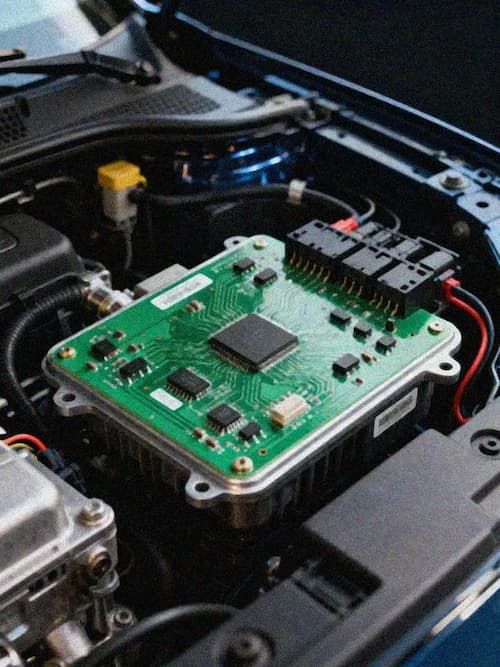
- Automotive Electronics: Autonomous driving domain controllers, in-vehicle high-speed communication backplanes, and smart cockpit core boards, adapting to the stringent reliability and signal stability requirements of automotive operating scenarios.
- Aerospace and Defense: Radar signal processing boards, satellite communication modules, and airborne electronic equipment, providing high environmental adaptability and stable transmission performance for long-term operation in extreme conditions.
Key Advantages
- Superior Signal Integrity Performance: Effectively reduces signal reflection, insertion loss, and crosstalk caused by via stubs, improving signal eye height and reducing bit error rate by more than 90% compared to standard non-backdrilled PCBs for 56Gbps and higher transmission rates.
- High Production Yield: Mature process control and in-line inspection mechanisms ensure production yield of over 95% for complex high-layer count backdrilling PCBs, reducing prototyping and mass production costs for customers.
- Flexible Order Adaptability: Supports small-batch prototyping (minimum 5 units) and large-scale mass production (up to 100,000 units per month), with lead times ranging from 3 days for quick-turn prototypes to 15 days for mass production orders, adapting to different project cycle requirements.
- Customized Technical Support: Professional engineering teams provide pre-production design for manufacturability (DFM) reviews, offering optimization suggestions for backdrilling position, depth, and stack design to avoid unnecessary design defects and reduce project iteration cycles.
Contact Information
If you have backdrilling PCB design, prototyping, or mass production requirements, please reach out to our technical support team. We will provide you with free DFM evaluation, customized process solutions, and quotation services based on your specific project parameters, helping you achieve stable, high-performance signal transmission for your electronic products.