Overview
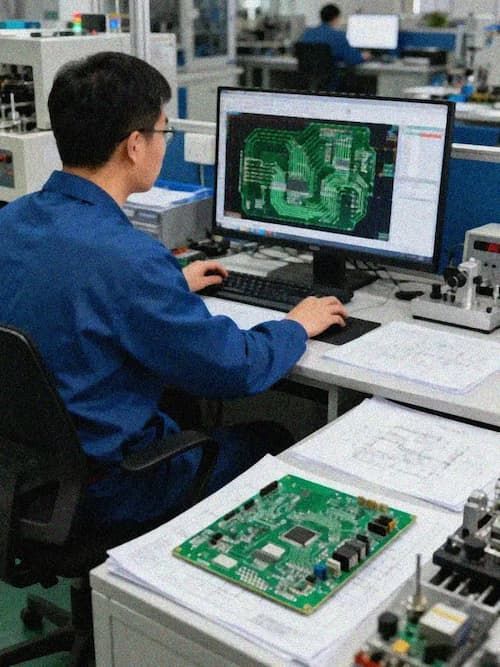
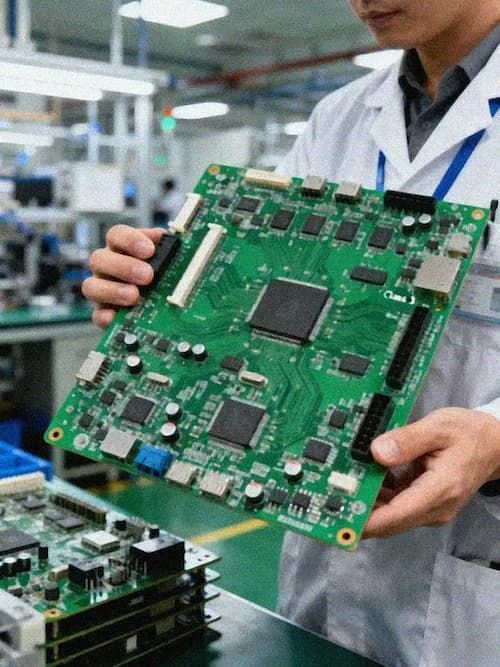
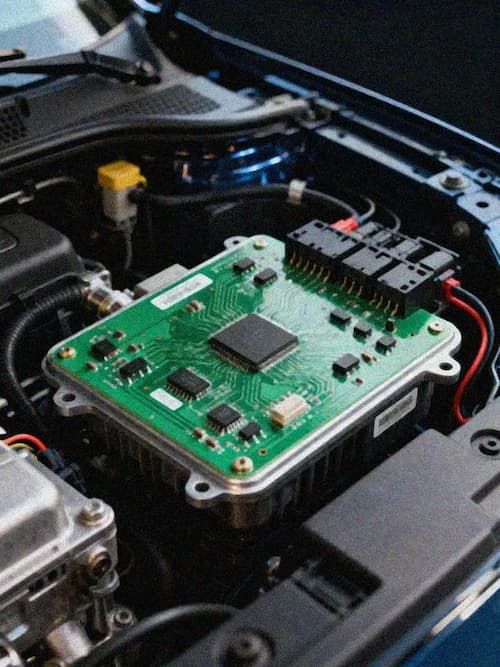
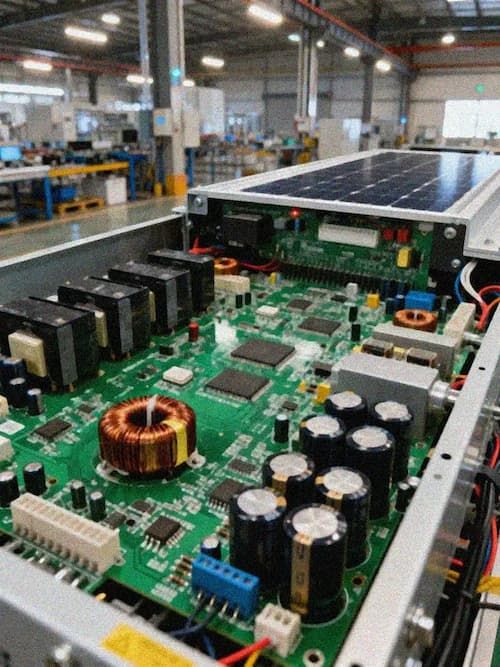
Automotive sensors are the core perception components of advanced driver assistance systems (ADAS), autonomous driving, smart cockpits and new energy vehicle powertrain systems, whose operational stability directly affects driving safety and user experience. Unlike consumer electronics PCBs, automotive sensor PCBs face strict requirements for vibration resistance, temperature fluctuation tolerance, electromagnetic compatibility, high-speed signal transmission and long-term durability under complex road conditions. Automotive sensor PCB solutions cover the full process from design optimization, prototyping, small-batch trial production to large-scale mass production, addressing core industry pain points such as signal attenuation, heat accumulation, and environmental adaptability, to support stable operation of various automotive sensor modules across the full vehicle lifecycle.
Technical Capabilities
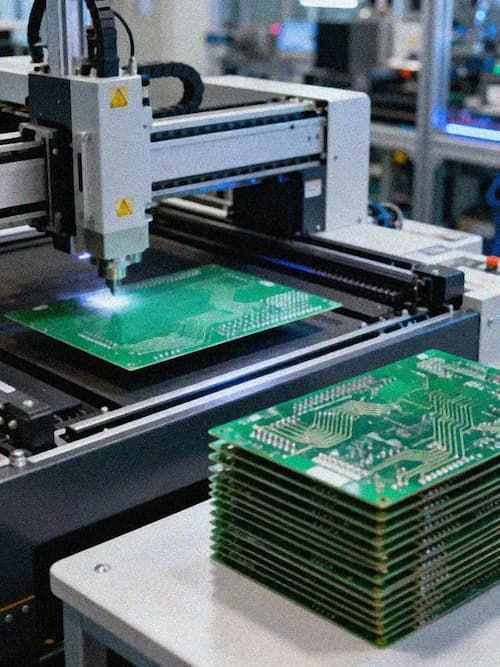
- Multi-board Type Process Compatibility: Support manufacturing of single/double-sided boards, multilayer boards, high-frequency hybrid boards, HDI boards, rigid-flex boards, thick copper heat dissipation boards, ceramic substrates, semi-flexible boards and embedded component boards, adapting to different installation spaces and performance requirements of various sensor types. No minimum order quantity limit is set for all product types, meeting both R&D trial production and large-scale commercial deployment demands.
- High-precision Signal Integrity Control: Achieve ±5% impedance control accuracy for 90Ω/100Ω differential signal lines, support up to 750Gbps high-speed I/O transmission, with optimized stack design configurable with up to 4 independent ground planes to effectively reduce inter-layer signal crosstalk, attenuation and reflection, ensuring real-time, error-free transmission of sensor acquisition data to domain controllers and on-board computing units.
- High Heat Dissipation Design Support: Offer buried copper block, high-thickness copper (up to 12oz) and buried ceramic PCB manufacturing capabilities, with thermal conductivity up to 15W/m·K, effectively dissipating heat generated by high-power sensor components such as millimeter-wave radar and motor drive sensors, ensuring stable operation under long-term high-load working conditions.
- High-density Miniaturization Process: Support micro-vias as small as 0.06mm, line width/line spacing down to 2.0/2.0mil, mechanical blind and buried via design, and embedded capacitor/resistor integration, reducing overall board size by up to 30% while maintaining full performance, adapting to the miniaturization and lightweight trend of automotive sensor modules.
- Special Process Customization: Provide gold finger reinforcement for rigid-flex boards, buried via design for rigid-flex integration, high-resistance carbon oil processing, and 1000+ bending cycle resistant semi-flexible board design, meeting special installation and use requirements of sensors installed in narrow positions such as door panels, chassis and rearview mirrors.
Quality Standards
- All manufacturing processes fully comply with IATF 16949 automotive industry quality management system requirements, with full traceability records for raw material incoming inspection, production process parameters, and finished product testing, meeting the strict traceability requirements of automotive supply chains.
- Products pass rigorous environmental adaptability verification, including 1000+ hours of high and low temperature cycle testing (-40℃ to +125℃, 10℃/min temperature change rate), 20G vibration testing (10-2000Hz frequency range), 48+ hours of neutral salt spray testing, and IP67 grade waterproof and dustproof matching verification, adapting to complex road conditions and extreme climate environments.
- EMC design and testing comply with CISPR 25 automotive electromagnetic compatibility standards, with targeted shielding layer design and grounding optimization to ensure sensors do not interfere with each other or other on-board electronic systems during operation, avoiding false alarms or functional failure.
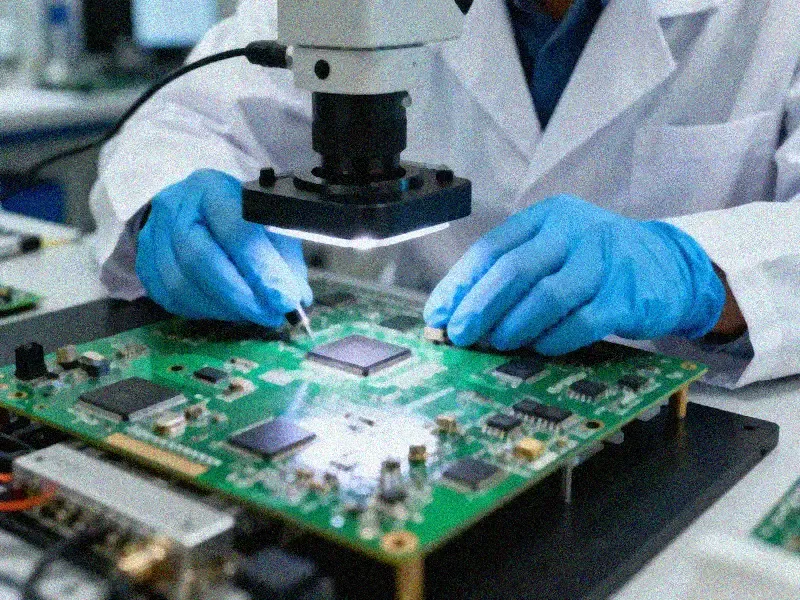
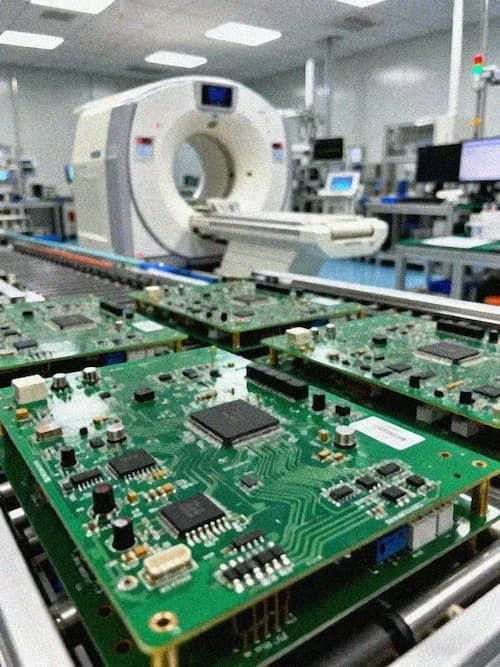
- 100% finished product testing is implemented before delivery, including electrical performance testing, X-ray non-destructive testing for internal via quality, impedance consistency testing, and signal integrity verification, ensuring mass production yield reaches over 99.5%, reducing after-sales failure risks.
Applications
- Millimeter-wave Radar Sensors: Suitable for 24G, 77G and 79G vehicle-mounted millimeter-wave radar PCBs for adaptive cruise control, automatic emergency braking, blind spot detection and automatic parking functions, supporting high-frequency signal transmission and long-term stable operation in open road environments.
- Cockpit Perception Sensors: Applied to smart rearview mirror sensors, in-cabin driver monitoring sensors, gesture recognition sensors and smart central control touch sensors, supporting rigid-flex and HDI process requirements for compact installation spaces in the cockpit.
- Powertrain Sensors: Used for motor drive sensors, battery management system (BMS) acquisition sensors, DC/DC power module sensors and charging system sensors, with thick copper heat dissipation and 1000V high voltage resistance design to meet high-power application requirements of new energy vehicles.
- Autonomous Driving Perception Sensors: Adapt to LiDAR, high-definition camera and ultrasonic sensor PCB requirements, supporting low-latency high-speed data transmission between sensors and autonomous driving domain controllers, ensuring high accuracy of perception data for L2+ to L4 autonomous driving systems.
- Body Control Sensors: Applied to door control sensors, lighting sensors, temperature sensors and parking assist sensors, with vibration and corrosion resistance design to adapt to long-term outdoor use environments of the vehicle body.
Key Advantages
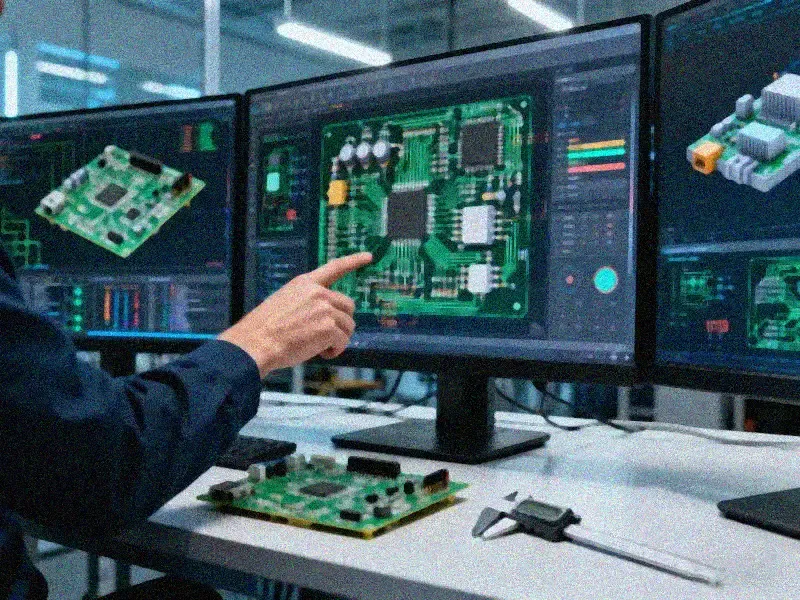
- Full Lifecycle Service Coverage: Provide one-stop services from schematic design optimization, stack planning, PCB prototyping, small-batch trial production, mass manufacturing to PCBA assembly, adapting to all stages of automotive sensor product development and commercial deployment, reducing cross-stage communication costs and shortening R&D cycles by 20% on average.
- Customized Solution Matching: Adjust material selection, process design and testing standards according to the specific application scenarios and performance indicators of sensors, balancing performance and manufacturing cost to meet the differentiated needs of different vehicle models and grade positioning.
- Mature Industry Verification: Solutions have passed long-term stable operation verification in mass-produced passenger cars, commercial vehicles and new energy vehicles, effectively avoiding common industry failure risks such as solder joint falling off under vibration, signal distortion under high temperature, and corrosion in humid environments.
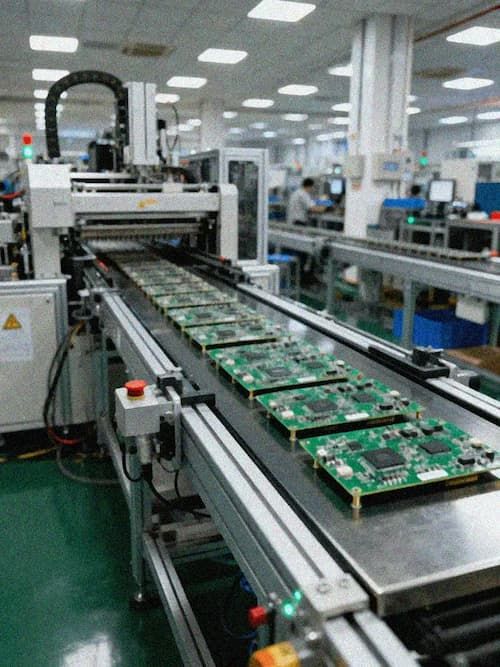
- Flexible Production Capacity Configuration: Support order sizes from 1 piece of prototype to 100,000+ pieces of mass production, with fast delivery cycles: 2-5 days for prototyping, 7-15 days for small-batch production, and 15-25 days for mass production, meeting the tight R&D and launch schedule requirements of automotive products.
Contact Information
If you have customized demands for automotive sensor PCB solutions, including performance parameter adjustment, special process requirements, or cost optimization needs, you can contact our technical team at any time. We will provide you with free technical evaluation, targeted solution design, and formal quotation services within 24 working hours.