Overview
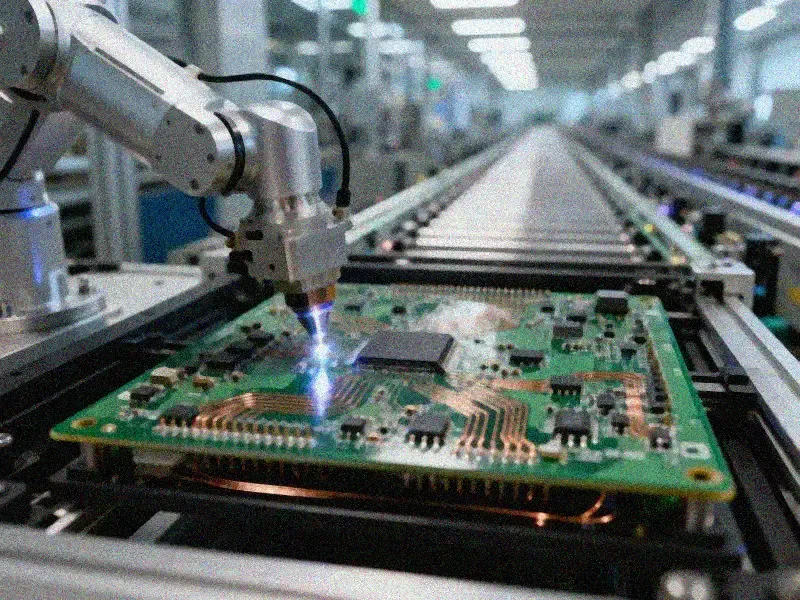
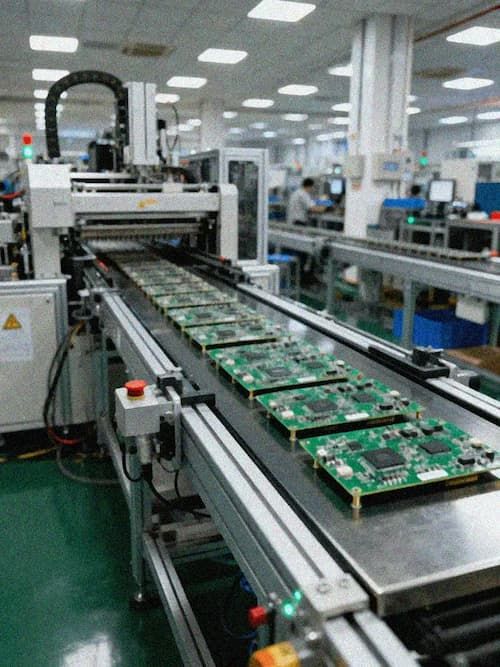
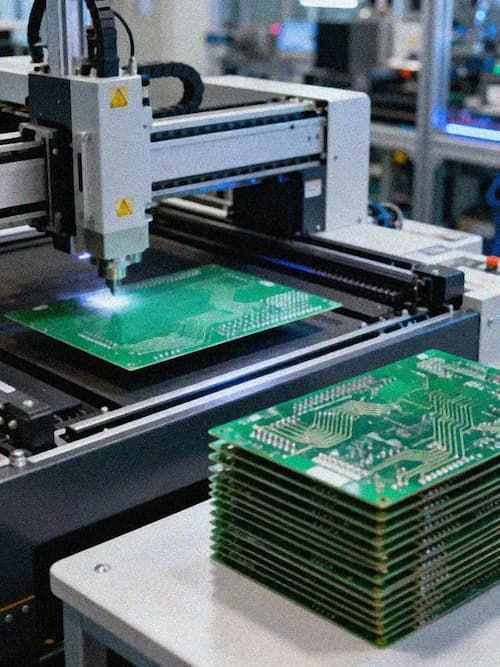
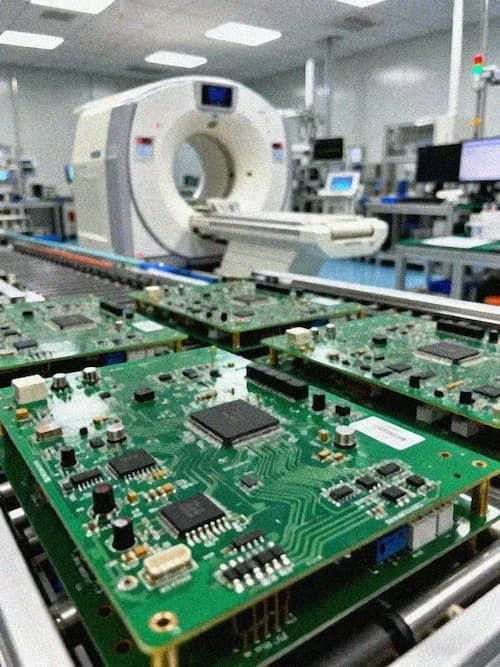
Automated PCB assembly refers to the fully automated process of mounting electronic components onto bare printed circuit boards using specialized production equipment, replacing manual placement and soldering operations to achieve higher accuracy, consistency, and production efficiency. With the ongoing miniaturization and high-density integration of modern electronic products, automated assembly has become the industry standard for PCBA production, addressing core pain points of manual assembly such as high defect rates, low yield, and long production cycles. This assembly process covers the full workflow from solder paste printing, component placement, reflow soldering, through-hole wave soldering, to final inspection and testing, adapting to all production scales from small-batch prototype verification to large-scale mass manufacturing. It meets the strict assembly requirements of high-performance, high-reliability electronic products across multiple industries.
Technical Capabilities
Our automated PCB assembly capabilities cover a wide range of PCB and component specifications, adapting to diverse custom design requirements:
- Ultra-Fine Component Placement Capability: Supports minimum 01005 (0.3mm*0.2mm) SMD packages, minimum 0.3mm pin pitch for QFP, SOP, SOJ, CSP and BGA components, with placement accuracy as low as 0.5 pitch for conventional designs, compatible with ultra-high density PCB designs for miniaturized electronic products.
- Wide PCB Size Compatibility: Accommodates both conventional and unconventional PCB sizes, with maximum SMT processing size up to 600mm450mm, semi-automatic printing processing for PCBs up to 450mm400mm, and wave soldering (DIP process) maximum size up to 500mm*400mm, adapting to both small form factor and large-format PCB assembly demands.
- Flexible Component Parameter Support: Handles component thickness from 0.5mm to 15mm, double-sided process component height up to 25mm, and oversized SMD components up to 200mm*125mm, meeting custom assembly requirements for special-shaped, high-power and special-function devices.
- Mixed Technology Assembly Support: Provides full SMT, through-hole DIP (wave soldering), and mixed SMT+DIP assembly services, with strict clearance control: a minimum 3mm clearance between top surface components, mark points and board edge is enforced, and plug-in component pins maintain a clearance of at least SMT part thickness + 2.0mm from bottom surface SMT parts to avoid soldering defects.
Quality Standards
Automated PCB assembly processes follow strict international quality control standards to ensure zero-defect output across all production batches:
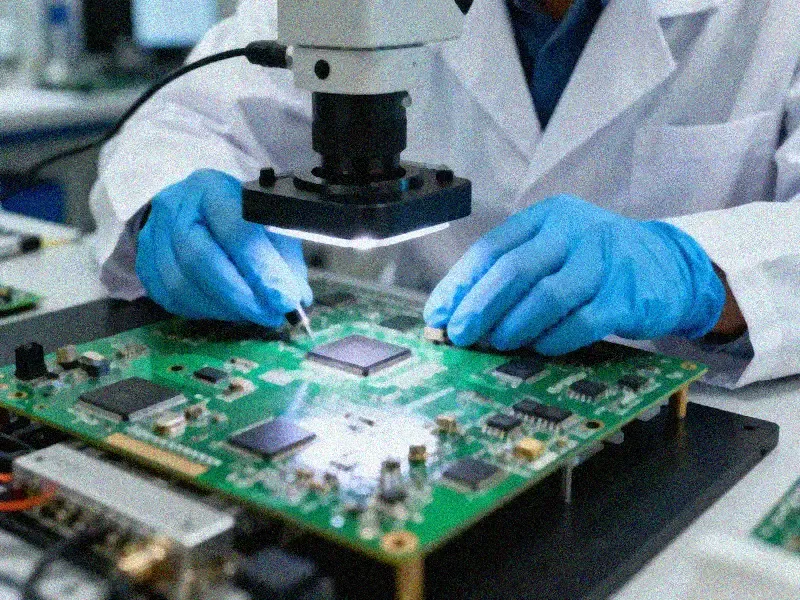
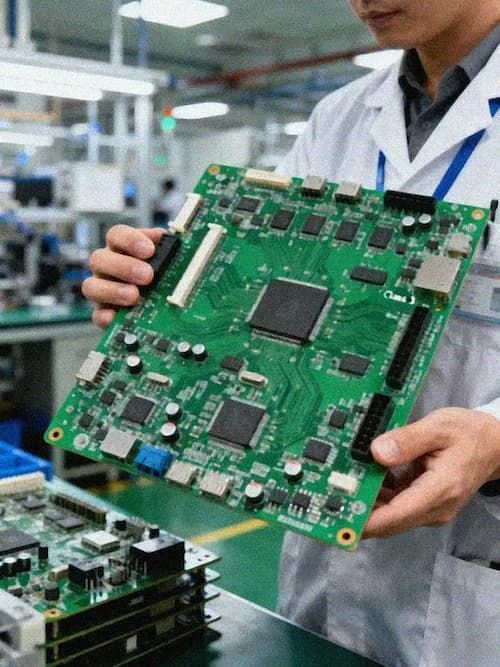
- In-Line Process Inspection: Deploy 3D solder paste inspection, automatic optical inspection (AOI), and X-ray non-destructive testing at key production nodes to identify soldering defects, component offset, and BGA ball joint faults in real time, reducing post-production rework rates and improving first pass yield.
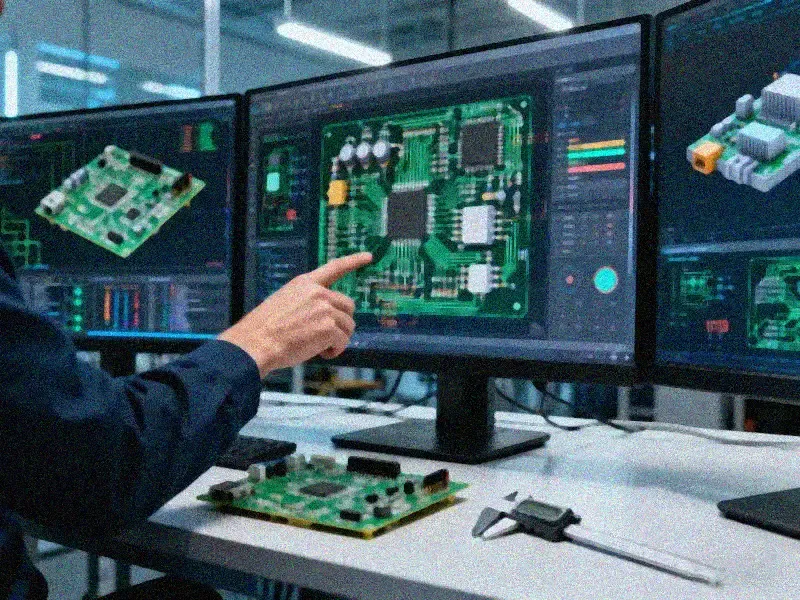
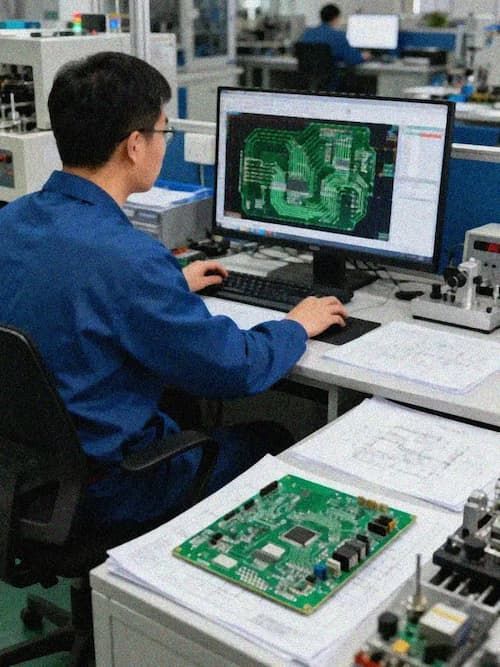
- Standardized Process Control: Enforce strict design for assembly (DFA) rule checks prior to production, to verify compliance with clearance, component size, and PCB thickness requirements, avoiding process deviations and ensuring consistent assembly accuracy across all batches.
- Independent Testing Verification: All finished assemblies undergo functional testing, reliability testing, and compliance verification through an ISO/IEC17025 accredited testing center, ensuring products meet industry-specific performance, durability, and regulatory requirements.
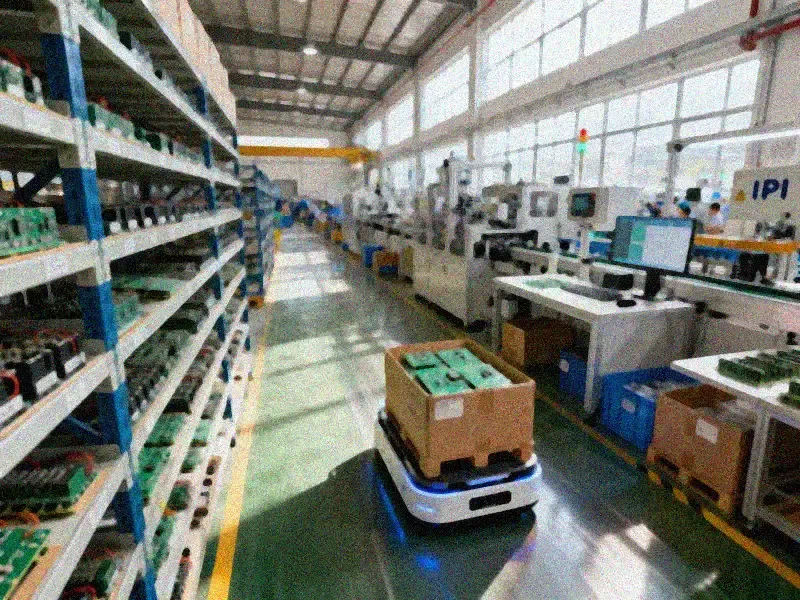
- Automated Production Line Management: Fully automated production lines eliminate manual operation errors, with real-time production data monitoring to track process parameters, ensuring consistent quality across low-volume prototyping and high-volume mass production runs.
Applications
Automated PCB assembly solutions are suitable for a wide range of electronic product scenarios, including but not limited to:
- Consumer electronics: Smartphones, wearable devices, smart home appliances, gaming peripherals, and portable audio-visual equipment
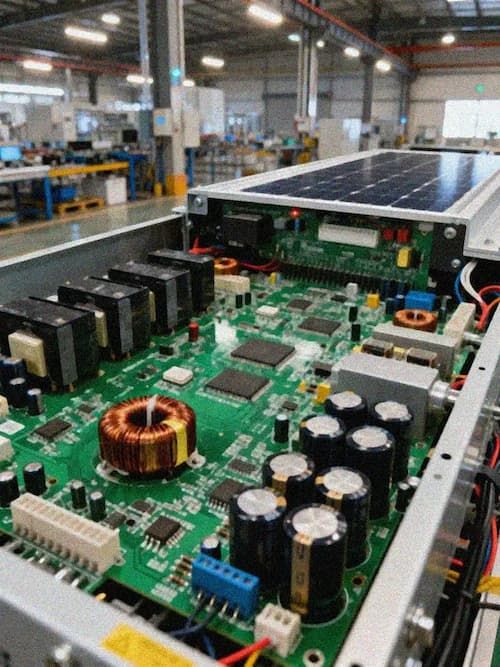
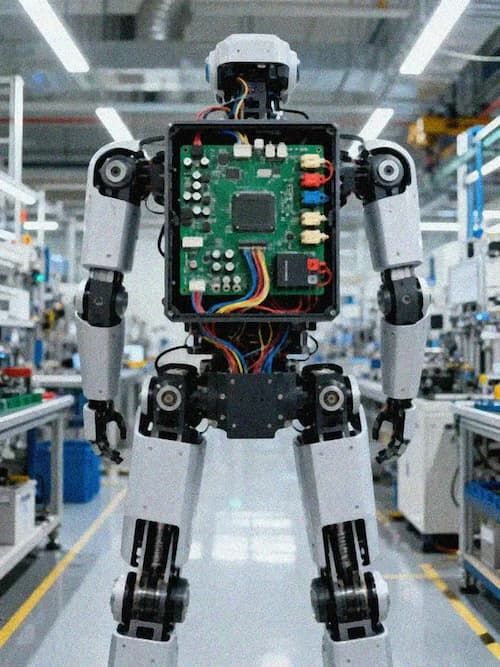
- Industrial control: PLC modules, industrial sensor terminals, robot control boards, power monitoring devices, and factory automation control systems
- Communication infrastructure: 5G base station boards, optical module PCBs, network switch motherboards, satellite communication terminals, and data center server boards
- Medical devices: Portable diagnostic equipment, patient monitoring systems, medical imaging control boards, and in vitro diagnostic device core boards
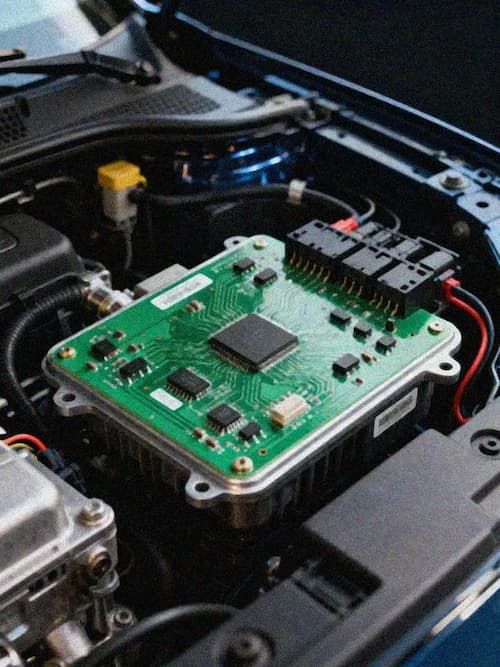
- Automotive electronics: ADAS perception boards, smart cockpit control units, BMS systems for new energy vehicles, and vehicle-mounted communication modules
- IoT and edge computing: Edge gateway devices, smart city monitoring terminals, agricultural IoT sensor nodes, and industrial edge computing units
- Aerospace and defense: On-board control systems, satellite communication modules, and portable defense electronic equipment
Key Advantages
Adopting automated PCB assembly for your PCBA projects delivers multiple core benefits:
- High Consistency and Yield Rate: Automated placement and soldering processes eliminate human error factors, achieving up to 99.9% assembly accuracy and over 99.5% first pass yield (FPY), reducing production waste and overall costs for high-volume orders.
- Fast Turnaround Time: Fully automated production lines support 24/7 continuous operation, cutting assembly cycle time by 60% compared to semi-automated or manual processes, meeting tight delivery requirements for prototyping, time-to-market sensitive products, and urgent mass production orders.
- Cost Efficiency for All Production Volumes: Scalable production lines adapt to low-volume prototyping (1-100 units), medium-batch trial production (100-10,000 units), and large-scale mass production (10,000+ units), offering optimized cost structures for different order sizes without compromising quality.
- Compatibility with Advanced Designs: Supports high-density, miniaturized, and special-shaped PCB designs that cannot be processed manually, enabling the implementation of cutting-edge electronic product designs with strict size, weight, and performance requirements.
- Traceable Production Records: All production processes and testing data are digitally recorded, providing full traceability for every batch of products, making it easy to verify compliance with industry regulatory requirements and support after-sales quality management.
Contact Information
If you have any customized automated PCB assembly requirements, whether for small-batch prototyping, medium-scale trial production, or large-scale mass manufacturing, you can reach out to our technical support team for assistance. We provide free DFA feasibility evaluation, quotation consultation, and professional technical guidance services to help you achieve optimal assembly quality, production efficiency, and cost efficiency for your PCBA projects. Our team will respond to your inquiry within 24 working hours, and provide targeted solutions tailored to your specific design and production needs.