Overview
High-performance AI hardware equipped with high-density computing chips, high-bandwidth memory modules, and high-speed I/O interfaces typically has power densities ranging from 300W to 1500W per unit area, generating extreme continuous heat output during operation. Unresolved heat accumulation will lead to frequent thermal throttling of AI computing units, reducing computing performance by 30% to 50%, shortening hardware service life, and even causing permanent failure of core components in severe cases. AI thermal management PCB solutions integrate optimized material selection, structural design, and manufacturing process upgrades to build efficient heat conduction paths from chip contact surfaces to the external environment, effectively reducing operating temperatures of AI systems, ensuring stable performance of computing units, and meeting high reliability requirements of long-term operation across different deployment scenarios.
Technical Capabilities
- High Thermal Conductivity Material Integration: Support multiple high heat dissipation substrate options including aluminum base, copper base, DBC ceramic, and buried ceramic layers, with thermal conductivity ranging from 2W/m·K to 200W/m·K, matching different heat load requirements of low-power edge AI devices to high-power data center AI computing clusters.
- Embedded Heat Dissipation Structure Design: Offer customized buried copper block, copper core sandwich, and embedded heat sink PCB designs, directly transferring heat from high-power AI chips to the bottom of the board through low thermal resistance conduction paths, reducing overall system thermal resistance by up to 60% compared to standard FR4 PCBs.
- Heavy Copper Manufacturing Process: Support ultra-thick copper PCB production with copper thickness up to ≥10OZ, enabling higher current carrying capacity and more efficient uniform heat diffusion across the board surface, adapted to high power density AI accelerator cards and server motherboards.
- Multi-Process Compatibility: Compatible with HDI, rigid-flex, high-speed multi-layer, and mechanical blind and buried via processes, combining thermal management optimization with high-density interconnection and high-speed signal transmission requirements for integrated AI system designs, avoiding conflicts between heat dissipation performance and electrical performance.
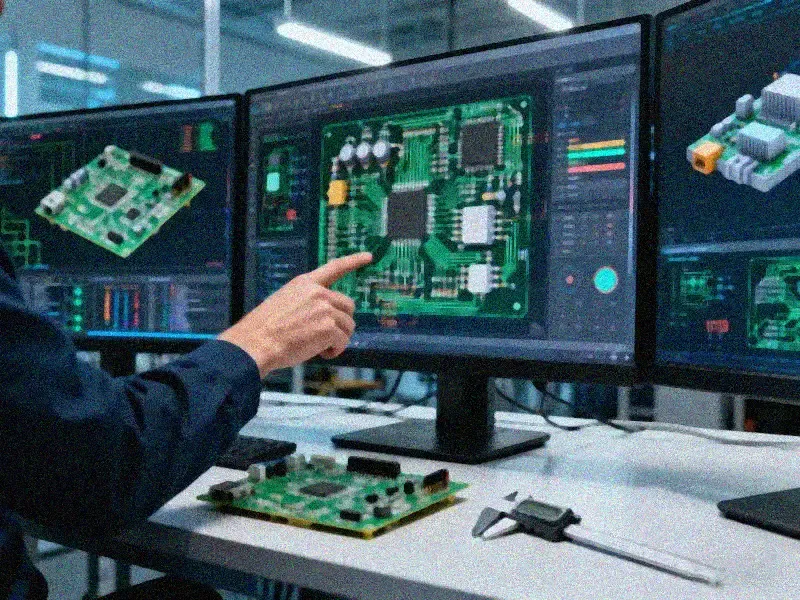
- Custom Stack-Up Optimization: Provide tailored stack-up design services, configuring independent thermal conduction layers, thermal via arrays, and heat spreader mounting positions based on chip layout and heat distribution simulation results, maximizing heat dissipation efficiency without affecting signal integrity of high-speed transmission links.
Quality Standards
- Wide Temperature Range Adaptability: All thermal management PCBs pass reliability testing for stable operation across -40℃ to +125℃ industrial temperature ranges, adapting to harsh deployment environments of edge AI, outdoor AI monitoring, and vehicle-mounted AI hardware.
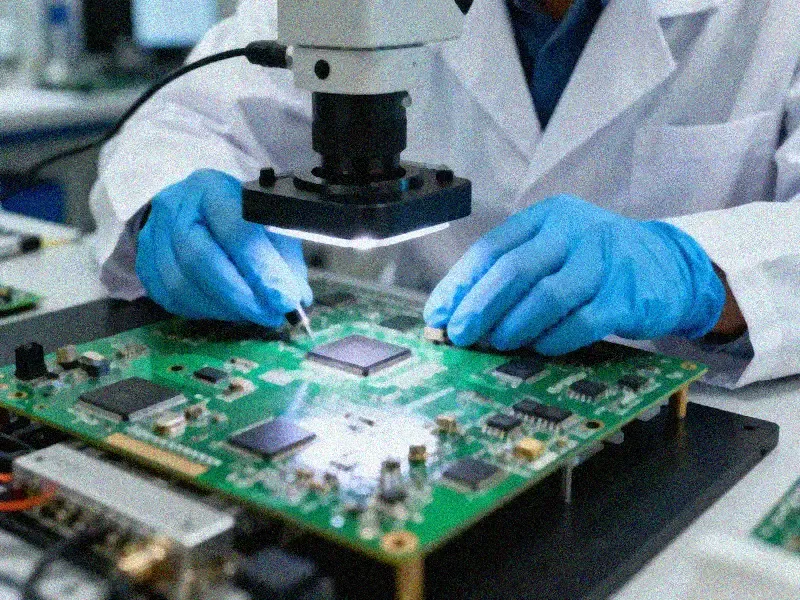
- Thermal Performance Verification: Equipped with professional thermal testing facilities, providing thermal resistance testing, thermal cycling testing (≥1000 cycles), and continuous high temperature aging testing (≥1000 hours) to ensure long-term stable thermal conductivity performance of finished boards under high temperature operating conditions.
- High Reliability Process Control: Strict process control for lamination, metallization, and surface treatment processes, avoiding delamination, thermal resistance increase, and conductor oxidation failures caused by long-term high temperature operation, meeting 10+ year service life requirements for industrial AI equipment.
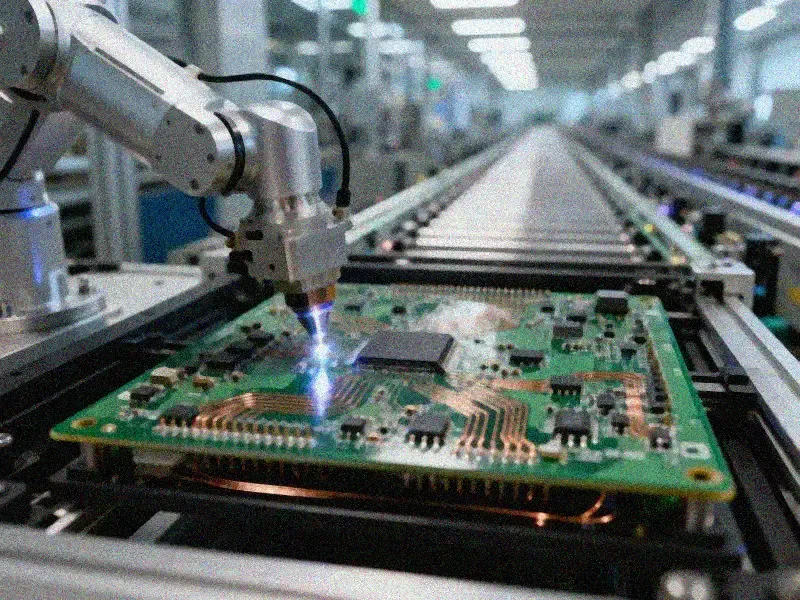
- Industry Standard Compliance: All products comply with IPC-A-600, IPC-6012, and sector-specific performance standards for industrial, medical, automotive, and communication applications, adapting to strict quality control requirements of different AI application sectors.
Applications
AI thermal management PCB solutions are applicable to a wide range of high-performance AI hardware scenarios, including:
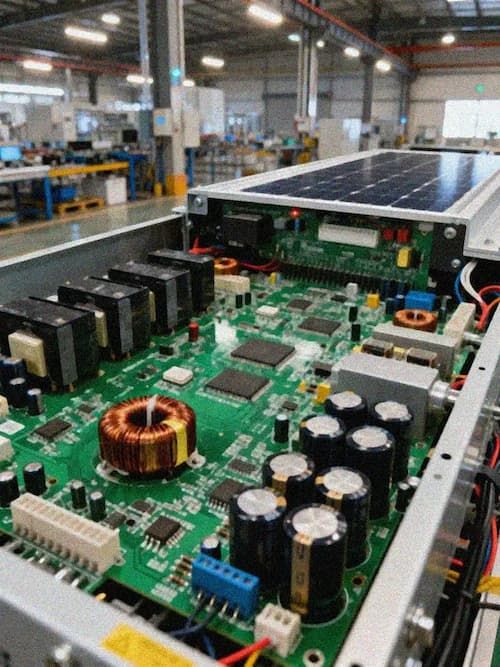
- Data Center AI Accelerator Cards and Server Motherboards: Address extreme heat output from high-power GPUs, TPUs and AI computing clusters, reducing thermal throttling frequency and improving overall computing cluster operating efficiency by more than 25%.
- Edge AI Computing Nodes: Adapt to uncooled or semi-cooled deployment environments of edge computing facilities, ensuring stable operation of edge AI inference devices in high temperature outdoor or industrial sites without additional active cooling equipment.
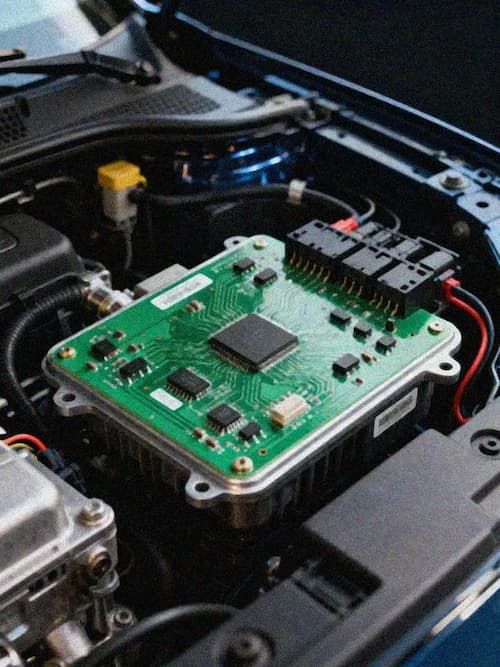
- Autonomous Driving AI Domain Controllers: Meet the high heat dissipation and vibration resistance requirements of vehicle-mounted AI computing units, adapting to wide temperature fluctuations and harsh operating environments of automotive applications.
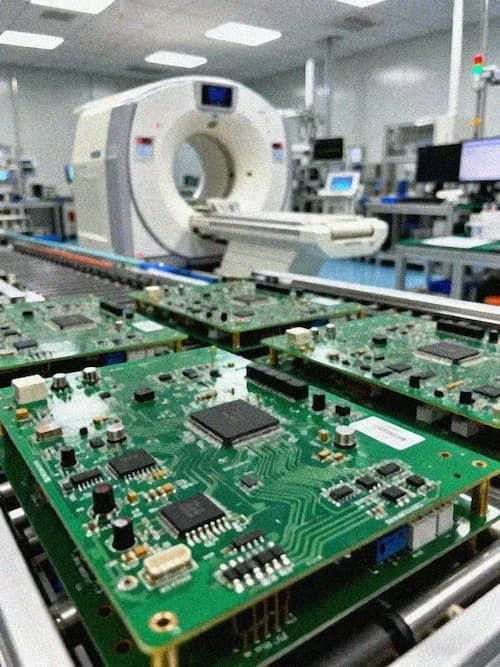
- Medical AI Diagnostic Equipment: Support high stability thermal management for high-precision medical AI imaging and diagnostic systems, avoiding measurement and diagnostic deviations caused by temperature fluctuations of core components.
- Industrial AI Inspection and Control Systems: Adapt to harsh industrial production environments with high temperature, dust and vibration, ensuring long-term stable operation of AI-powered industrial control, quality inspection and predictive maintenance devices.
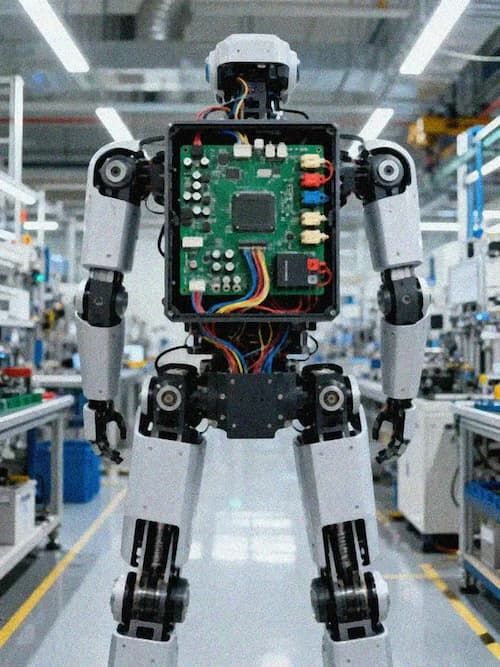
- Humanoid Robot Core Control Units: Meet the high heat dissipation and miniaturization requirements of on-board AI computing units for humanoid robots, balancing heat dissipation performance and lightweight, compact design demands.
Key Advantages
- Integrated Thermal and Electrical Performance Optimization: Balance thermal management requirements with high-speed signal integrity and high-density interconnection demands, eliminating the need for separate bulky heat dissipation designs that increase product volume and overall system cost.
- Full Process Coverage: Support production of 2-layer to 40-layer thermal management PCBs, covering all process types from low-cost aluminum base boards to high-end embedded ceramic and DBC ceramic PCBs, adapting to different budget and performance requirements of AI projects.
- Full Lifecycle Technical Support: Provide technical support from initial thermal simulation, stack-up design, prototype verification to mass production, helping customers reduce R&D cycles by 30% and avoid potential design risks in early stages.
- Customized Solution Configuration: Adjust material selection, structural design and process parameters according to specific heat load, application environment and product size requirements, providing targeted thermal management solutions for each AI hardware project, achieving optimal balance of performance and cost.
Contact Information
If you have custom requirements for AI thermal management PCB solutions, please contact our technical support team. We provide free thermal simulation evaluation, customized design consulting and quotation services to help you build high-reliability, high-performance AI hardware systems adapted to your specific application scenarios.