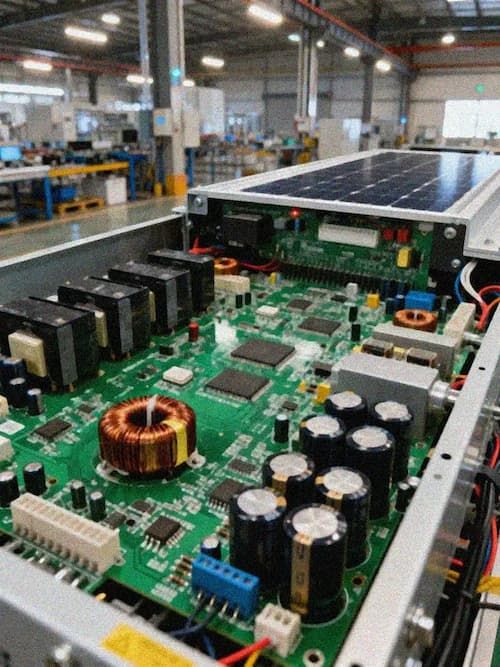
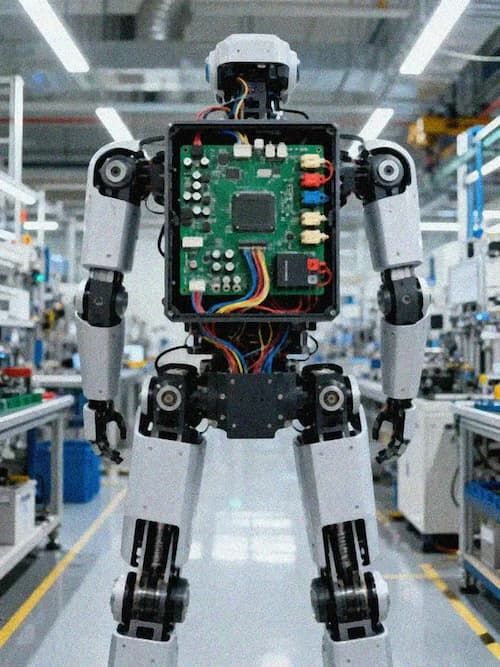
The Consumer Electronics Show 2026 (CES 2026) concluded in Las Vegas, USA. This global technology extravaganza delivered a clear industry signal: the AI hardware field has completely moved beyond the "concept hype" stage and entered a new era of practical application after "de-conceptualization." Physical AI and VLA (Vision-Language-Motion) models were frequently featured, emphasizing scenario adaptability. The focus of global competition has shifted from simply comparing technical parameters to a comprehensive contest of mass production capabilities. For global AI hardware customers and purchasers, how to cross the "valley of death" from laboratory prototypes to commercial mass production, and achieve efficient transformation and stable delivery of technological achievements, has become a core pain point that urgently needs to be addressed. The "manufacturing + service + platform" model, with IPDM (Integrated Product Design and Manufacturing) system as its core support, is becoming a key path to solving this problem.
At CES 2026, the trend of "de-conceptualization" in AI hardware became increasingly evident. From robots and edge intelligent devices to autonomous driving, a profound shift was evident, moving from demonstration prototypes to mass production and from functional demonstrations to widespread application scenarios. This further highlights the importance of mass production capabilities for companies seeking to break through.

Key AI Hardware Segments at CES 2026: De-Conceptualization and Mass Production Focus
Humanoid Robots and Industrial Robots: Focus on Commercial Adaptability and Mass Production Plans
Humanoid robots and industrial robots were the focus of the exhibition. Exhibits were no longer limited to simple action demonstrations but possessed clear commercial adaptability and mass production plans. International manufacturers showcased humanoid robots capable of performing complex scenario-based tasks, demonstrating mature practical capabilities in industrial scenarios. Domestic companies also showcased robot products with fully independent deployment capabilities, some explicitly proposing mass production targets of thousands of units and targeting five core global markets, including North America, the Middle East, and Europe. They plan to create replicable benchmark cases through local deployment adapted to specific scenarios. Behind this series of performances is the urgent global market demand for robot mass production capabilities. However, key mass production issues such as stable supply of core components and adaptability to complex environments have become the core bottlenecks restricting the industry's development.
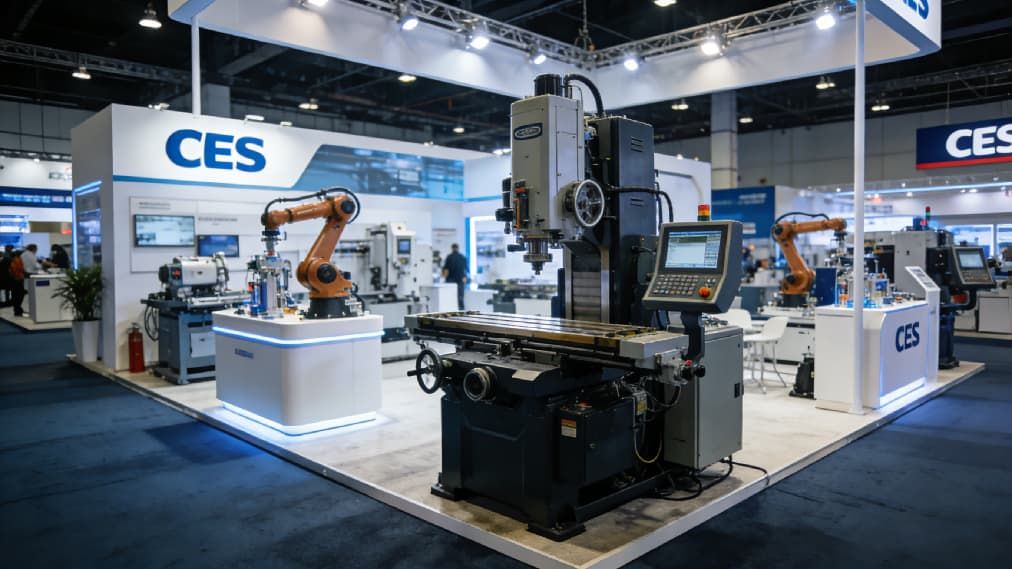
Edge-Side AI Hardware: Accelerating Consumer Market Adoption
The "de-conceptualization" process in the edge-side AI hardware field is also significant. Exhibits, represented by AI wearable devices and smart home products, are accelerating their adoption in the consumer market thanks to their mature mass-production designs and high cost-effectiveness. Ultra-lightweight, screenless AI glasses, compatible with multiple platforms and featuring a large model, attracted considerable attention with their lightweight design and practical functions. The whole-house smart ecosystem exhibits cover over a hundred products, deeply integrating AI technology into everyday home scenarios, achieving large-scale implementation from single-function demonstrations to full-scenario solutions. For global buyers, the size, power consumption, heat dissipation balance, and mass production stability of these edge-side products are core considerations in their purchasing decisions.
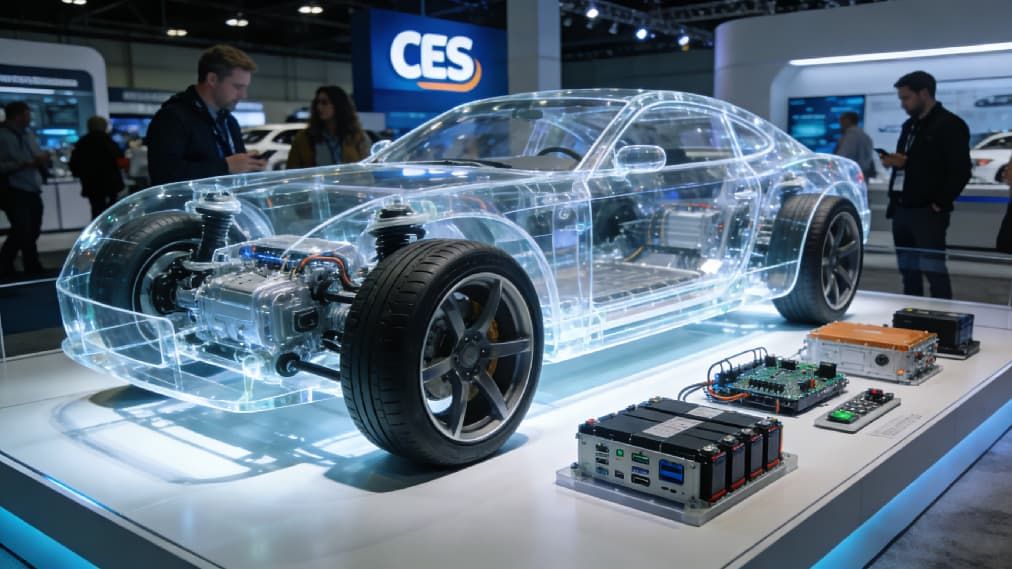
Autonomous Driving: Substantial Breakthroughs and Mass Production Demands
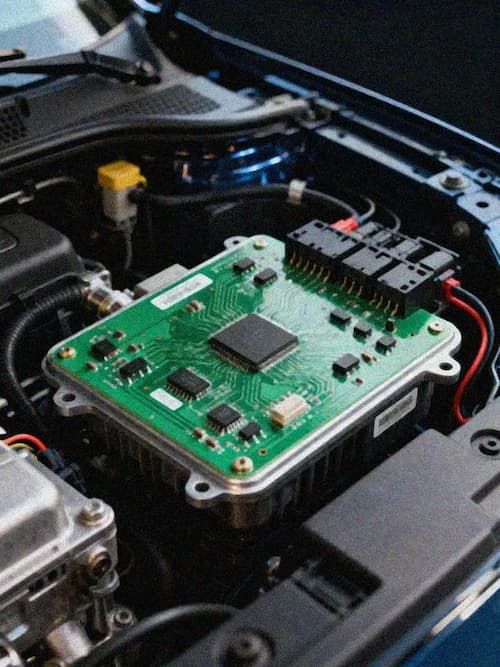
The field of autonomous driving has achieved a substantial breakthrough. Level 4 autonomous vehicles are available for test rides outside the exhibition hall, officially entering people's daily lives. On the technical front, NVIDIA released the Alpamayo R1 open-source VLA inference model, providing core technical support for the mass production and deployment of autonomous driving. As the first large-scale, mainstream physical AI application market, the large-scale deployment of autonomous driving places stringent demands on the high reliability, low latency response, and batch delivery capabilities of hardware. Achieving stable mass production of core hardware and global supply chain collaboration has become a common challenge for the industry.
Key Points in Global AI Hardware Mass Production: The "Valley of Death" from Prototype to Mass Production
Behind the mass production trends showcased at CES 2026 lies the common deployment dilemma faced by the global AI hardware industry. The transformation from laboratory prototypes to mass-produced products faces four core challenges: technology transfer, manufacturing processes, supply chain collaboration, and engineering verification. These challenges constitute a "valley of death" for companies and are the most concerning pain points for global customers and purchasers.
Challenge 1: Technology Transfer Difficulties
Edge AI hardware generally faces triple constraints in terms of size, power consumption, and heat dissipation. For example, robot processors need to achieve high-efficiency computing within limited spaces, which differs significantly from performance testing in laboratory environments. Simultaneously, multi-module compatibility issues are prominent, and the system integration and adaptation of sensors, chips, and algorithms are difficult, especially in emerging fields such as the low-altitude economy, where industry standards are not yet unified, further exacerbating the complexity of technology transfer and making it difficult to stably reproduce excellent performance in laboratory products in mass-produced products.
Challenge 2: Stringent Manufacturing Process Requirements
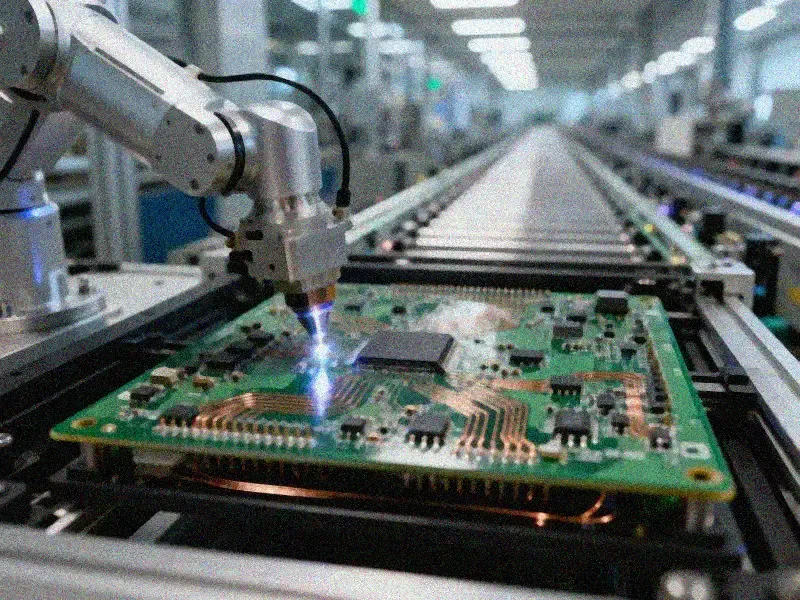
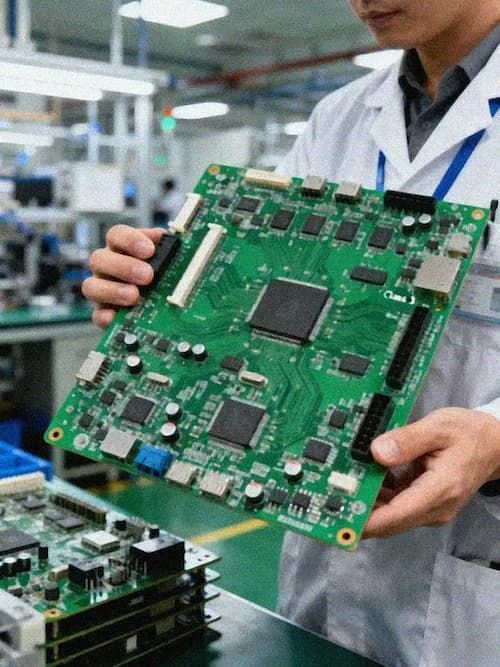
AI hardware packs more components into smaller spaces, and manufacturing struggles to keep up. PCB (Printed Circuit Board) manufacturers now face real problems with high-density interconnection and high-speed communication. Robot control boards, for instance, often suffer from electromagnetic interference that degrades performance. Some AI hardware also operates in harsh conditions — high temperature, high humidity, corrosive environments — like the intelligent equipment used in agriculture and animal husbandry. These conditions test hardware reliability and protection. Balancing precision with volume remains one of the toughest hurdles in manufacturing.
Challenge 3: Global Supply Chain Collaboration Risks
The AI hardware industry depends on a global supply chain. When core components like AI chips run short, mass production stalls. Right now, supply fluctuations and domestic substitution demands create real security risks for global customers. Cross-regional mass production also brings headaches: costs are hard to control, delivery cycles vary, manufacturing standards differ by region, and logistics conditions change from place to place. These factors make global supply chain coordination difficult and limit how fast companies can expand overseas.
Challenge 4: Lack of Comprehensive Engineering Verification Systems
Many companies fail at mass production because they lack a proper engineering verification system from design through production. They cannot simulate manufacturability before production begins, monitor processes during manufacturing, or analyze failures after they occur. Problems pile up, responses come late, product launches slip, and brand reputation suffers. Global buyers need stable quality and full traceability; without end-to-end quality control, they look elsewhere.
IPDM System: Core Support for AI Hardware Mass Production
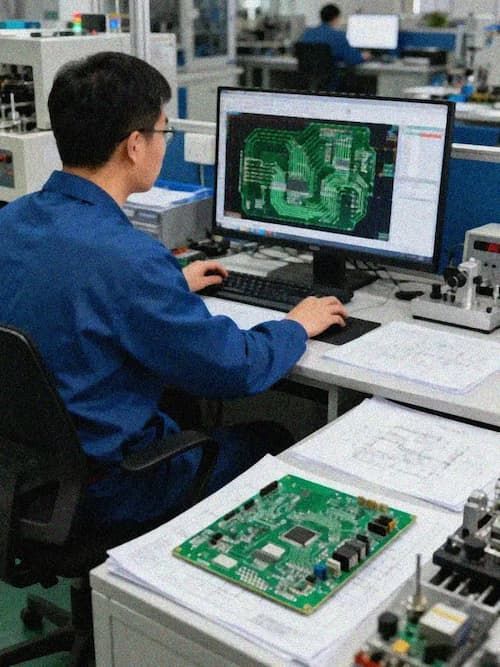
Facing the four core pain points of global AI hardware mass production, simple manufacturing capabilities are no longer sufficient to meet market demands. Based on over 20 years of industry experience, KINGBROTHER has built an IPDM (Integrated Product Design and Manufacturing) system. By connecting the entire chain from "idea-design-engineering-mass production," it forms a closed-loop service with three core modules: Integrated Product Design (IPD), Integrated Product Manufacturing (IPM), and Printed Circuit Board (PCB). This provides global customers with end-to-end solutions from technology R&D to mass delivery, becoming a core support for solving mass production challenges.
Core Logic and Technical Foundation of the IPDM System
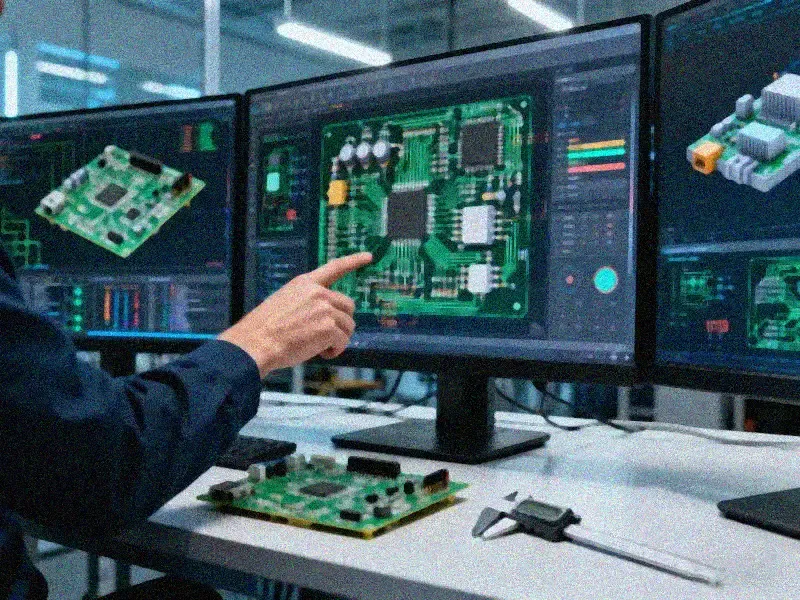
The core value of the IPDM system lies in solving the "last mile" problem from R&D prototypes to mass production. Its core logic is to achieve deep collaboration between design and manufacturing through technology integration and process optimization. The KINGBROTHER IPDM system relies on six major technology platforms (IDH platform, CAD platform, PCBA platform, component platform, EES platform, and PCB platform) to deeply integrate IPD's solution design and hardware development capabilities, IPM's manufacturing processes and quality control capabilities, and PCB's core manufacturing and performance optimization capabilities. This forms a closed-loop service covering the entire process from "architecture design—PCB design—engineering verification—pilot production—small-batch mass production," mitigating risks in technology transfer and manufacturing processes from the outset and ensuring mass production stability.
To support global mass production needs, KINGBROTHER has built a technology foundation centered on industrial software and cloud factories:
- Industrial Software Level: Leveraging digital platforms such as "Yinglong Industrial Software," it provides toolchain optimization services including DFM (Design for Manufacturability) and SI/PI simulation. Through 3.27 million certified materials and a DFM rule base of 2,368 rules, it enables pre-production simulation manufacturing and risk prediction, resolving mass production issues at the design stage.
- Cloud Factory Level: It builds three collaborative capabilities: cloud design, cloud engineering, and cloud factory. This allows global clients to access leading enterprise-level design toolchains, full-process engineering services, and stable supply chains without massive investment, significantly lowering the mass production threshold for innovative enterprises while enabling efficient cross-regional collaborative R&D and manufacturing.
PCB Manufacturing Capabilities (Core to IPDM System)
The high integration requirements of AI hardware place stringent demands on manufacturing processes. PCB (Printed Circuit Board) manufacturers face real problems with high-density interconnection and high-speed communication. Robot control boards, for instance, often suffer from electromagnetic interference that degrades performance. Some AI hardware also operates in harsh conditions — high temperature, high humidity, corrosive environments — like the intelligent equipment used in agriculture and animal husbandry. These conditions test hardware reliability and protection. Balancing precision with volume remains one of the toughest hurdles in manufacturing.
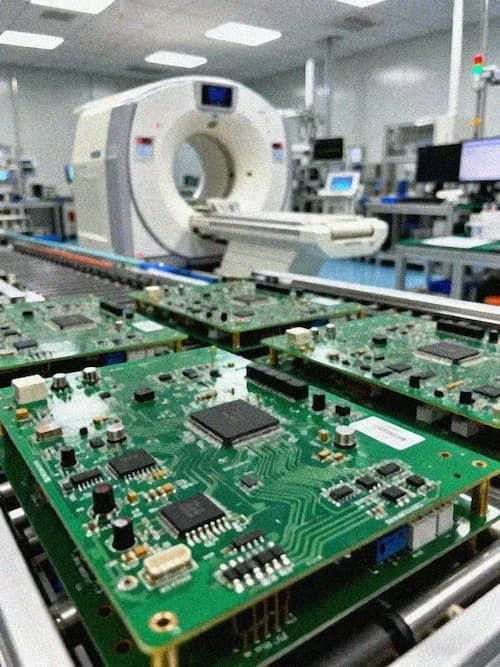
KINGBROTHER has over 29 years of expertise in the PCB industry, with five design centers and four manufacturing bases, providing comprehensive manufacturing capabilities for high-end and complex AI hardware PCBs. Its product range covers high-speed multi-layer boards, metal-based boards, thick copper boards, rigid-flex boards, etc., with no minimum order quantity requirements, and is widely used in AI, communication, automotive and other fields. The specific technical capabilities are as follows:
| Technical Indicator | Prototyping Capability | Mass Production Capability |
|---|
| Product Type | Embedded capacitor/resistor/component/copper/ceramic, Bump-plated copper, Thick GEM board, 800G high-speed optical module, 6G antenna product, Thermoelectrically separate copper-based board, Stepped gold finger PCB, FPC board, DBC ceramic board, High-resistance carbon ink board, Mini-LED board, Semi-flexible board, Substrate Like-PCB, Packaging substrate | Single and double layer, Multi-layer board, High-frequency step board, HDI board, Rigid-flex board, Heavy copper board, High-frequency hybrid board, Mechanical blind and buried via board, Metal-based board, Metal sandwich board, High-speed backplane, 100G/400G high-speed optical module, 24G/77G radar antenna PCB, 5G coupler PCB, AI accelerator board |
| Material Options | - Lead-free/Halogen-free: Shengyi S1000H, S1000-2M, S1150G, S1170G, S1190G; Wazam H150, H1170; ITEQ IT158, IT180A; TUC TU752, TU865
- High-speed: Shengyi S7439, S6B, S6N, S8GN, S9GN; Panasonic M6, M7N, M8N; TUC TU872-SLK, TU863+, TU883, TU933+, TU943N, TU943SR; Wazam HSD7, HSD8; EMC EM526, EM528K, EM892K
- High-frequency: RO3003, RO4000 series; Taconic TLY-5, TLX-8, TSM-DS3; Shengyi SG220/255/300/S7136H/SJ9036/SG7350D/SG7615N/SJ9618/SJ9300/SJ9220/SJ9110L; WL F4BTME/F4BTMS series; FSD220/255/300/615T/1020T; GuoNeng GNH350/GNC3004/GNC3008
- Flex: Thinflex W series, High-speed flex board (LK series); Panasonic R-F775 series; Dupont AG flex; Shengyi SF202 flex series, SB170G half flexible series; Allstar AS2L flex series
- Others: BT material (Shengyi SI10US, Wazam HI10L), Insulation film (Newccess NBF-T23/NBF-04, Wazam CBF), High thermal conductivity material (Shengyi ST115GB), Copper-based, Aluminium base, PI (VT901, EM86HP), Pure ceramic substrate, Embedded magnetic core | Same as prototyping |
| Signal Transmission Rate | Max: 112Gbps | Max: 25Gbps |
| Layer Count | - FR4: 72 layers
- Rigid-flex: Total 32 layers / Flex 30 layers
- High-frequency hybrid: 28 layers
- PTFE: 24 layers
- HDI: 30 layers/Anylayer
- Substrate/SLP: 10 layers | - FR4: 32 layers
- Rigid-flex: Total 20 layers / Flex 12 layers
- High-frequency hybrid: 20 layers
- PTFE: 16 layers
- HDI: 26 layers/4 step
- Substrate/SLP: 6 layers |
| Delivery Board Size | - Rigid board: Max 550mm900mm
- D/S FPC: Max 2450100mm | - Rigid board: Max 550mm620mm
- D/S FPC: Max 1250200mm |
| Max. Board Thickness | 12mm | 6.5mm |
| Line Width/Space | - PCB: Min 2.0/2.0 mil
- Substrate: Min 25/25μm | - PCB: Min 2.5/2.5 mil
- Substrate: Min 30/30μm |
| Max. Copper Thickness | 18 OZ | 6 OZ |
| Min. Drill Hole Diameter | - Mechanical: 0.15mm
- Laser: 0.06mm
- Half hole: 0.30mm | - Mechanical: 0.2mm
- Laser: 0.10mm
- Half hole: 0.40mm |
| Impedance Control Tolerance | ±5% | ±10% |
| Special Processes | Metal core, Embedded copper, Ultra-heavy copper (10-18OZ), Bump-plated copper, Stepped gold finger, Embedded components/ceramic/resistor/chip, Solderable metal plate, High-resistance carbon ink, Laser-drilled through-hole, Copper paste-filled via, Steel/ceramic/alloy stiffener, Thermoelectric separation; HDI stack via, Peelable mask, Laser cut, Epoxy plug, Combination surface treatment, Heavy copper blind & buried via, Rigid flex, High frequency hybrid, Long and short gold fingers, Back drilling, Control depth routing, Via in pad, Half plated hole, Countersink hole, Step slot, Local stiffener (PI, FR4, steel, alloy) | Same as prototyping |
In addition, KINGBROTHER has mature solutions for key challenges in AI hardware PCB manufacturing:
- High-density interconnection & high-speed communication: Adopts high-speed/high-frequency materials (such as TUC TU933+, Panasonic M6) and optimized layout routing, improving signal transmission stability by 35% (verified in robot main control board projects);
- Electromagnetic interference: Utilizes multi-layer shielding design, ground plane optimization and HDI process advantages to reduce interference impact on product performance;
- Harsh environment adaptation: Provides three-proof coating process, strong/weak current isolation design, and selects anti-sulfur resistors, tantalum capacitors and other corrosion-resistant components, matching high-reliability materials (such as high thermal conductivity Shengyi ST115GB) to meet high temperature, high humidity and corrosion resistance requirements of agricultural and animal husbandry intelligent equipment;
- Precision control: Achieves strict control of key indicators such as impedance tolerance (±5% for prototyping, ±10% for mass production) and minimum line width/space (2.0mil for prototyping, 2.5mil for mass production) through advanced manufacturing equipment and full-process quality monitoring, ensuring the consistency and reliability of mass-produced products.

Practical Cases of the IPDM System
The KINGBROTHER IPDM system has been practically validated in multiple global AI hardware projects, solving mass production challenges for clients in various fields and fully demonstrating its universality and reliability.
Case 1: Intelligent Lawnmower Main Control System Mass Production Project
Addressing the customer's demands for high sensor detection accuracy and resolution, as well as the core requirement of accelerating product mass production, KINGBROTHER integrated resources through the IPDM system, selected high-performance processors, optimized sensor interface design and heat dissipation solutions, and equipped them with efficient heat sinks to effectively reduce chip operating temperatures. Simultaneously, full-process engineering verification ensured mass production stability, successfully helping the customer shorten product launch cycles and quickly seize overseas markets.
Case 2: Robot Main Control Board Mass Production Project
Facing the core technical challenges of high-density interconnection and electromagnetic interference, KINGBROTHER leveraged its core PCB technology advantages, selected high-performance substrates, adopted a 6-layer structure design and HDI process, and improved signal transmission stability by 35% through layout and routing optimization. Combined with IPM process optimization capabilities, a balance was achieved between high-precision manufacturing and large-scale mass production, meeting the robotics industry's requirements for high integration and high reliability of core components.
Case 3: Intelligent Environmental Controller Mass Production Project
Addressing the harsh environmental demands of agriculture and animal husbandry, characterized by high temperatures, high humidity, and corrosion, KINGBROTHER optimized its three-proof coating process and strong/weak current isolation design through an IPM solution, and selected components adapted to corrosive environments such as anti-sulfur resistors and tantalum capacitors. Combined with reliability testing services from a CNAS/CMA accredited laboratory, KINGBROTHER achieved a 50% reduction in product failure rate and a 40% decrease in overall maintenance and rework costs, solving the hardware reliability challenges faced by customers in harsh environments.

Industry Trends and Global Layout
CES 2026 clearly showcased the new competitive landscape of the global AI hardware industry, with collaborative win-win partnerships between technology giants and manufacturing service providers becoming the mainstream trend. In this landscape, companies possessing comprehensive capabilities in "manufacturing + service + platform" will become core partners for global customers and purchasers. KINGBROTHER's global footprint and capability building align perfectly with this industry trend.
Global Division of Labor and Collaboration System
Currently, the global AI hardware industry has formed a clear division of labor and collaboration system:
- Technology Side: Giants such as NVIDIA and AMD provide core chips and model support, such as the NVIDIA Cosmos platform and the Alpamayo R1 VLA inference model, providing the foundation for the functional implementation of AI hardware.
- Manufacturing Side: Companies represented by KINGBROTHER provide full-process mass production services through their IPDM system, achieving efficient transformation of technological achievements.
This deep collaboration between technology and manufacturing has become the core driving force for the large-scale deployment of AI hardware, and also provides global customers with an integrated solution of "technology selection + mass production deployment".
Globalization Strategy of Chinese Companies
Chinese companies are continuously improving their competitiveness in the global AI hardware mass production field, forming a unique globalization strategy:
- Product Level: They are entering the global market with high-performance, scenario-based AI hardware products.
- Service Level: They are exporting their capabilities by building a global service network.
KINGBROTHER adopts a model of "domestic Shenzhen headquarters + overseas dual headquarters + cloud factory", exporting China's mature design toolchain and engineering capabilities to the world. Overseas business accounts for nearly 30% of its total business and will become an important growth engine in the future. Meanwhile, leveraging its green manufacturing capabilities and ESG achievements, KINGBROTHER meets the environmental requirements of overseas markets, providing global customers with mass production services that comply with international standards.
Core Characteristics of Successful Companies
In the global competition for AI hardware mass production, successful companies generally possess two core characteristics:
- Proactive Core Technology Reserves: For example, KINGBROTHER's long-term accumulation in core PCB technologies such as high-density interconnects, high-speed communication, and high thermal conductivity, as well as its deep collaboration with core chip manufacturers like NVIDIA, ensures rapid response to the technical needs of different industries.
- Comprehensive Quality Assurance System: KINGBROTHER ensures product reliability from four dimensions—design, materials, processes, and usage—through its TSR (Total Reliability Solution). Combined with the testing capabilities and failure analysis services of its CNAS/CMA accredited laboratories, it provides global customers with full lifecycle quality control, significantly reducing mass production risks.

Conclusion and Future Outlook
CES 2026 marks the official entry of the AI hardware industry into a new era dominated by mass production. Mass production capability has replaced technical parameters as the core competitiveness of enterprises and has become the core standard for global customers and purchasers to select partners. Facing the multiple challenges of transitioning from laboratory prototypes to mass-produced products, the one-stop IPDM system, with its end-to-end collaborative capabilities, has become a key path to solving mass production difficulties.
In the future, the deep integration of physical AI with mass production capabilities will drive the widespread adoption of AI hardware in industries such as manufacturing, consumer electronics, and mobility. Open-source technology, supply chain collaboration, and globalized services will become the mainstream trends in industry development. For global AI hardware customers and purchasers, choosing partners with comprehensive capabilities in "manufacturing + service + platform," a complete quality assurance system, and a global service network is crucial for rapid product deployment and seizing market opportunities. KINGBROTHER will continue to focus on its IPDM system, using a "cloud design + cloud engineering + cloud factory" business model to make hardware innovation simpler and more efficient for global customers, embracing the new era of AI hardware mass production together with global partners.