Overview
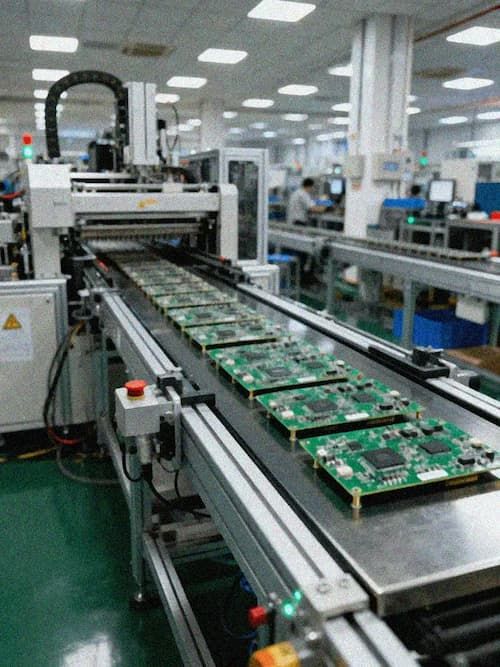
Small-to-medium volume PCB production fills the critical gap between low-quantity rapid prototyping and high-volume mass manufacturing, catering to businesses that require consistent, production-grade circuit boards for pilot validation, niche market launches, low-demand industrial products, and R&D test runs. Unlike one-off prototyping that prioritizes speed over process consistency, or high-volume production that requires large upfront tooling investments, small-to-medium volume production balances lead time, cost efficiency, and quality stability to reduce time-to-market for new products and minimize the risk of design rework after pilot testing. This production model addresses common industry pain points, including yield discrepancies between prototype and production runs, difficulty sourcing specialized components for small batches, and lack of precision assembly support for high-density, high-speed circuit designs, making it an ideal choice for projects requiring 10 to 10,000 units per run.
Technical Capabilities
Professional small-to-medium volume PCB production supports a wide range of design specifications and advanced assembly requirements to adapt to diverse industry use cases:
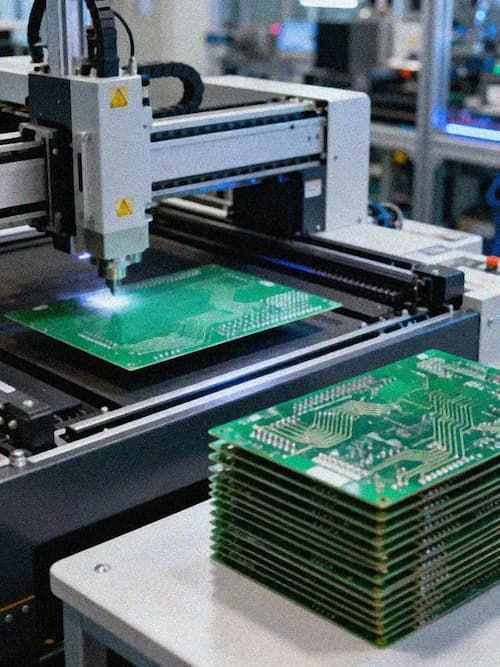
- Flexible PCB Size Compatibility: Accommodates standard PCB dimensions from 50mm x 50mm up to 600mm x 450mm, with semi-automatic printing support for unconventional custom sizes up to 450mm x 400mm, meeting unique form factor requirements for specialized applications.
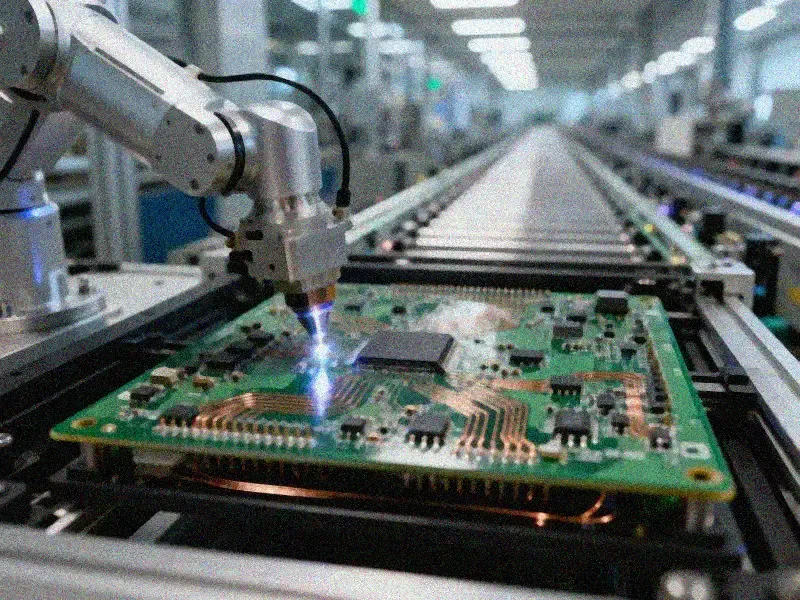
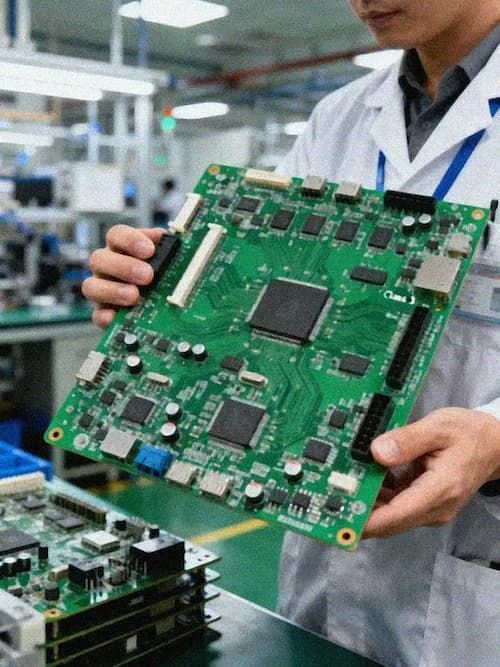
- High-Density SMT Assembly: Supports surface mount components as small as 01005 packages (0.3mm x 0.2mm), with standard high-yield assembly for 0201 packages (0.6mm x 0.3mm). Handles standard SMD components up to 200mm x 125mm, with custom process support available for larger SMD parts.
- Fine-Pitch Component Support: Compatible with QFP, SOP, SOJ and other multi-pin components with minimum pin spacing as low as 0.3mm, and CSP/BGA components with minimum ball spacing down to 0.3mm, catering to high-density high-speed circuit design requirements for modern electronics.
- Diverse Component Dimension Adaptation: Accommodates standard component thickness between 0.5mm and 3mm, with custom process support for components thinner than 0.5mm or thicker than 3mm up to 15mm. Double-sided assembly supports component heights up to 25mm, enabling complex multi-component stacked board designs.
- Reliable DIP Wave Soldering: Through-hole component wave soldering processes support PCBs up to 500mm x 400mm, with custom support available for boards smaller than 50mm x 50mm provided clearances between through-hole pins and SMT components on the bottom side meet minimum spacing requirements (SMT component thickness + 2.0mm).
- High-Speed Signal Design Compatibility: Optimized process controls ensure signal integrity for designs with high-speed I/O interfaces, differential signal routing, and high-bandwidth component integration, supporting the performance requirements of advanced computing and communication circuits.
Quality Standards
Small-to-medium volume PCB production adheres to strict industry-wide quality management frameworks to ensure consistent performance across every unit in the production run, eliminating yield and performance discrepancies between prototype validation and pilot production:
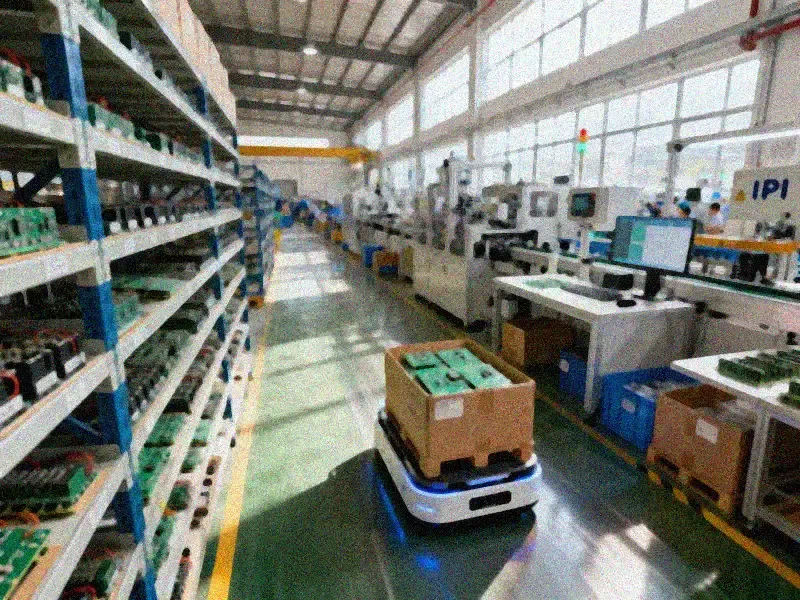
- Incoming Material Inspection: All raw materials, including PCB substrates, electronic components, and soldering materials, undergo full pre-production inspection to verify compliance with design specifications, material grade requirements, and global environmental compliance standards.
- In-Process Quality Control: Each production stage, from solder paste printing, component placement, reflow soldering to wave soldering and post-assembly cleaning, is subject to real-time sampling, with 100% inspection for critical processes including solder paste thickness measurement, component placement accuracy verification, and initial soldering quality checks.
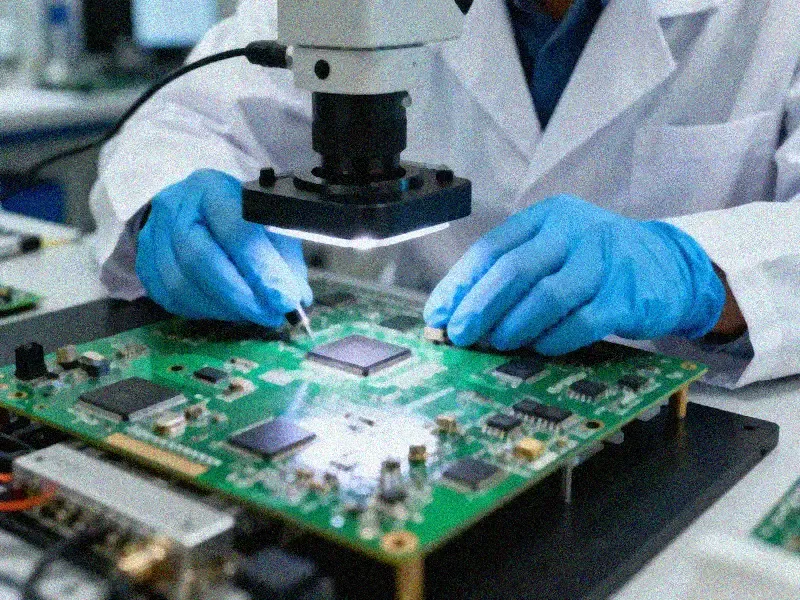
- Post-Production Testing: Finished boards undergo mandatory testing including automated optical inspection (AOI), X-ray inspection for BGA/CSP soldering quality, in-circuit testing (ICT) as required, and functional testing (FCT) per customer specifications, to identify defects such as cold solder joints, solder bridges, missing components, and electrical performance failures.
- Environmental Compliance Alignment: All production processes comply with RoHS, REACH, and other global environmental regulations, with both lead-free and leaded assembly options available to meet regional market and application-specific requirements.
Applications
Small-to-medium volume PCB production services are tailored for a wide range of industry use cases that require consistent production-grade quality without the high upfront costs of mass production tooling, including:
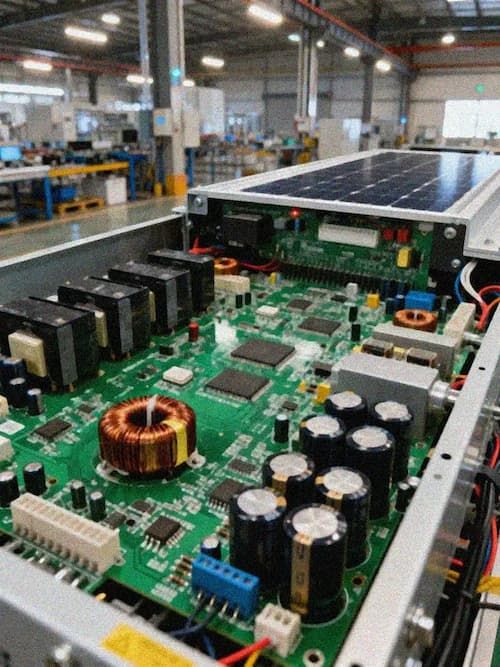
- Industrial control equipment pilot runs, including PLC modules, sensor interface boards, industrial communication gateways, and edge control units for industrial automation systems
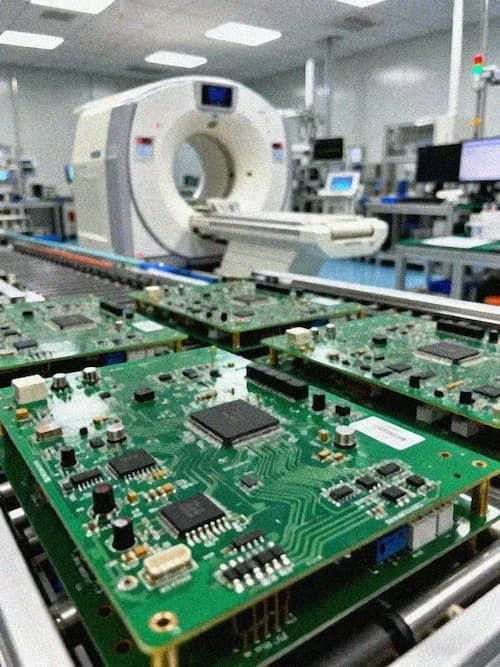
- Medical device prototype and pilot production, including diagnostic equipment motherboards, patient monitoring device boards, and portable medical device circuits that meet strict reliability requirements
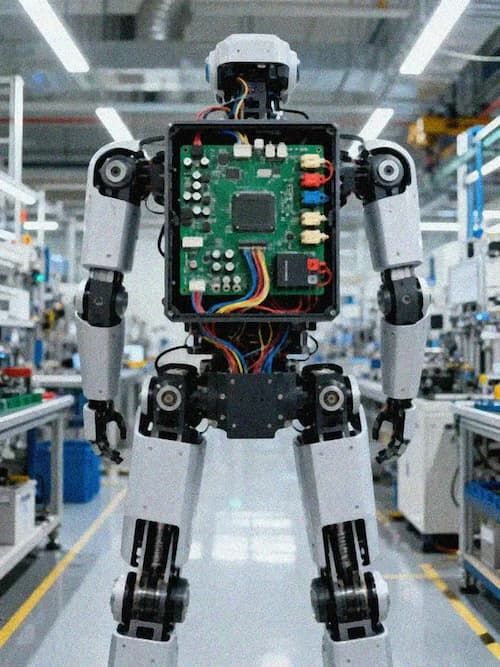
- IoT and smart device pilot launches, including smart home control boards, industrial IoT sensor nodes, smart wearable device circuits, and connected retail terminal PCBs for market testing and initial launch
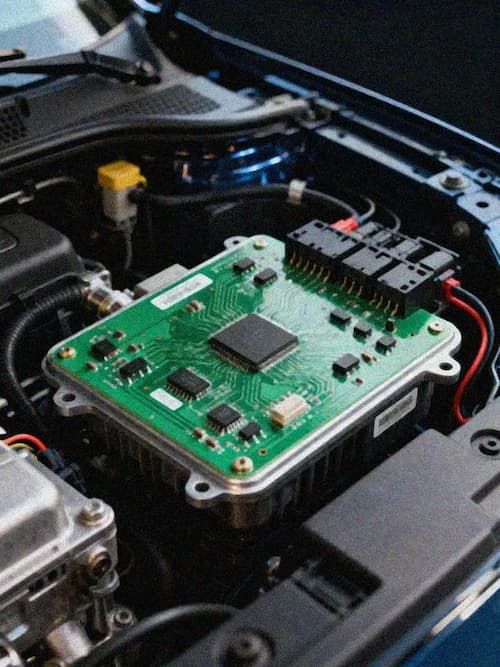
- Automotive electronics validation runs, including advanced driver assistance system (ADAS) sensor boards, smart cockpit control units, and in-vehicle communication modules for on-road testing and pre-launch validation
- Aerospace and defense test equipment production, including test instrument boards, satellite communication sub-system circuits, and defense electronics prototype runs with strict performance and reliability requirements
- R&D and academic project production, including custom small-batch PCB runs for university research projects, enterprise R&D prototype validation, and new technology proof-of-concept testing
Key Advantages
Opting for professional small-to-medium volume PCB production delivers significant benefits for businesses across project stages:
- Balanced Cost and Lead Time: Eliminates the high tooling and setup costs associated with large-scale mass production, while offering significantly faster lead times than traditional mass production lines, enabling faster time-to-market for new products and reduced R&D iteration cycles.
- Consistent Production Quality: Uses standardized production processes and inspection workflows identical to those deployed for high-volume mass production, ensuring that performance and reliability of small-to-medium run units match the specifications of final mass-produced products, reducing the risk of costly design rework after pilot testing.
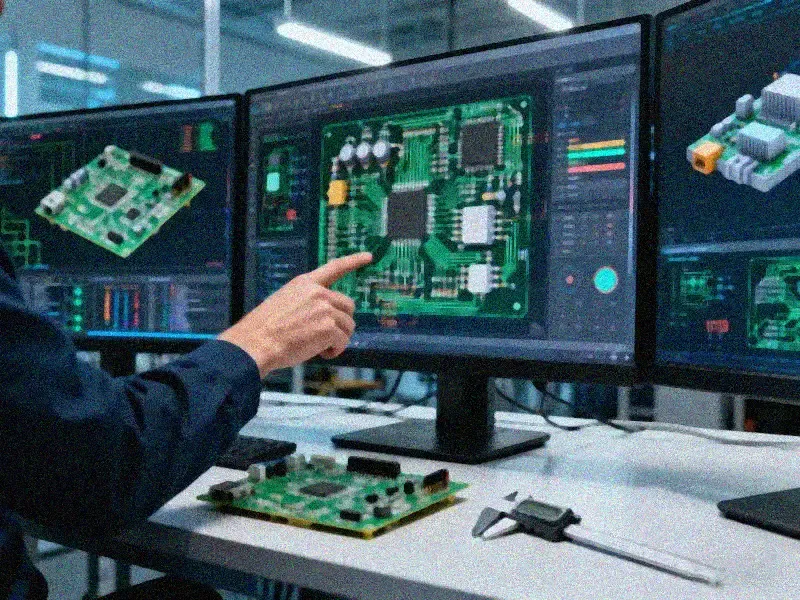
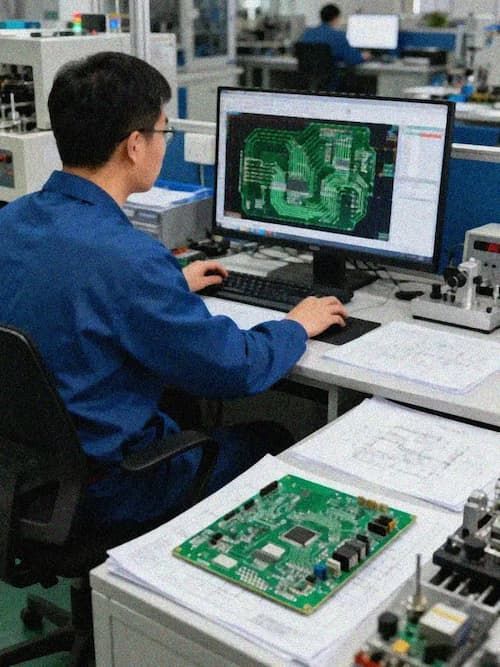
- Design for Manufacturing (DFM) Support: Provides complimentary pre-production DFM analysis to identify potential manufacturing defects, design incompatibilities, and cost optimization opportunities early in the process, reducing production yield loss and unnecessary design adjustments post-production.
- Flexible Order Customization: Supports custom order sizes from 10 units up to 10,000 units, with configurable service options including bare board production only, partial assembly, full turnkey assembly, and integrated testing services, adapting to the specific requirements of different project stages.
- Wide Material and Process Compatibility: Supports a wide range of PCB substrates including FR-4, high-frequency materials, high-Tg materials, and flexible substrates, with support for multi-layer boards up to 30 layers, precision impedance control, blind and buried via designs, and other advanced process requirements.
Contact Information
If you have small-to-medium volume PCB production requirements, including bare board manufacturing, component sourcing, turnkey assembly, and customized testing services, reach out to the technical support team to request a custom quote, free pre-production DFM analysis, and technical consultation tailored to your specific project specifications.