Overview
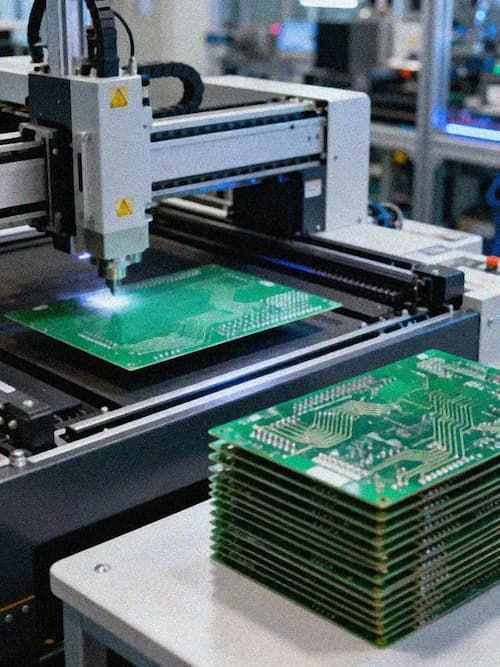
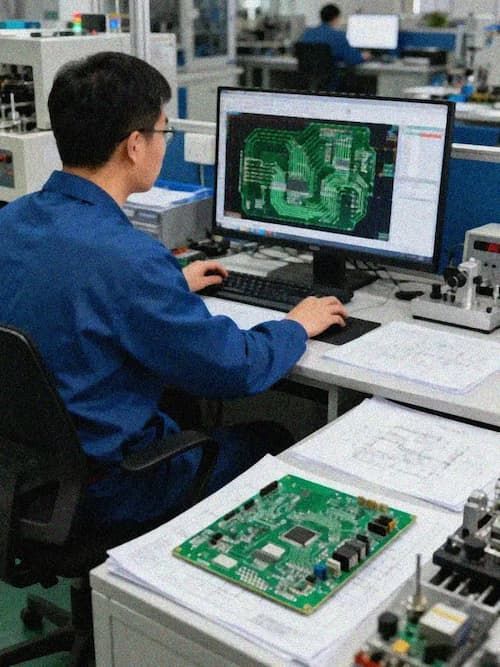
Medical devices have uniquely stringent requirements for electronic assembly reliability, signal accuracy, and environmental adaptability, as performance directly impacts patient safety, diagnostic accuracy, and clinical treatment outcomes. Medical PCB assembly services address core pain points in the medical device manufacturing chain, including strict regulatory compliance demands, miniaturization design requirements for portable and implantable devices, and low-interference signal transmission needs for high-precision diagnostic equipment. These services cover the full product lifecycle from early design verification, prototyping, small-batch trial production to large-scale mass production, adapting to specialized PCB types and process requirements for diverse medical application scenarios, and helping medical device manufacturers shorten development cycles, reduce compliance risks, and ensure stable product performance.
Technical Capabilities
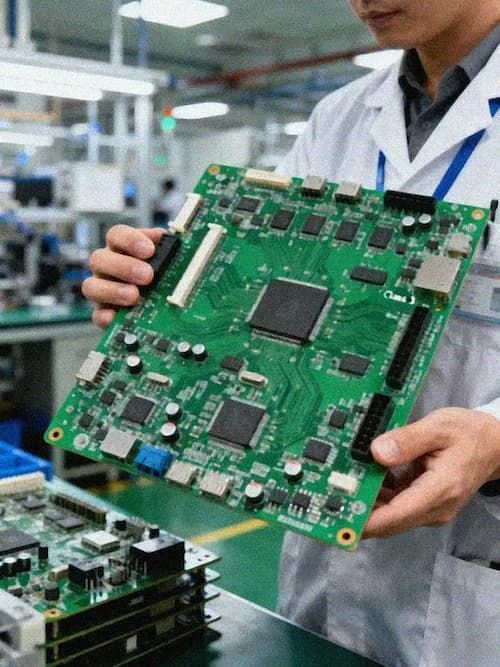
- Specialized PCB Type Support: Covers assembly for single/double-sided boards, multilayer boards up to 30 layers, HDI boards, rigid-flex boards, heavy copper boards, high-frequency hybrid boards, ceramic PCBs, and embedded component (capacitor, resistor, active component) boards, adapting to diverse medical device design requirements from large imaging equipment to miniature implantable sensors.
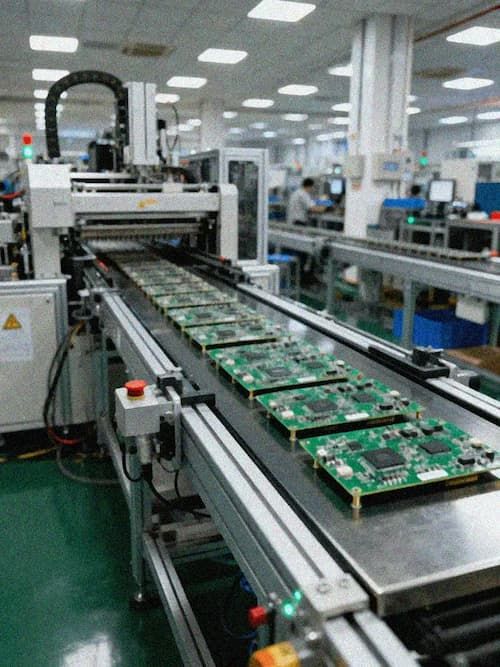
- Flexible Production Scale Adaptation: No minimum order quantity restrictions for prototyping stages, supporting rapid design verification for new medical device R&D projects, while scalable automated production lines can meet annual output demands of up to millions of units for mature commercial medical equipment, adapting to fluctuations in market demand.
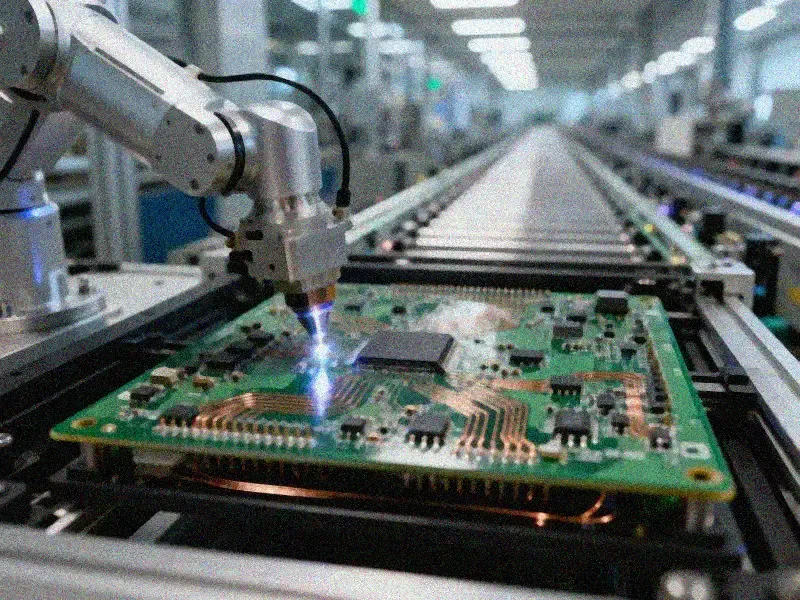
- High-Precision Assembly Process: Supports micro-component assembly with pitch as small as 0.2mm, including 01005 chip components, fine-pitch BGA, QFN, and bare chip bonding, with placement accuracy controlled within ±25μm to suit miniaturized medical device designs such as implantable monitors and wearable diagnostic sensors.
- Precision Impedance Control: Achieves ±5% impedance control accuracy for high-speed signal transmission lines, perfectly adapting to differential signal, high-resolution image transmission, and low-power sensing interface requirements, reducing signal loss and distortion to ensure test result accuracy for high-precision diagnostic equipment.
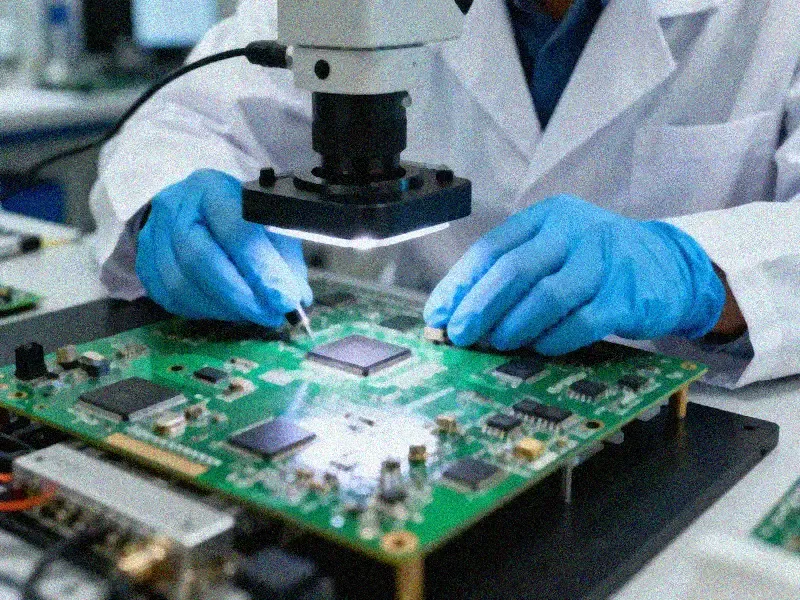
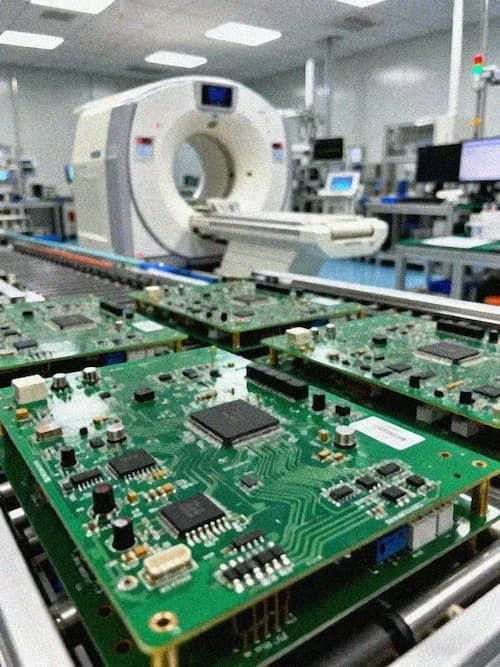
- Full-Process Testing Services: Equipped with professional testing facilities covering X-ray non-destructive testing, automatic optical inspection (AOI), in-circuit testing (ICT), functional testing (FCT), and signal integrity testing, ensuring 0 assembly defects for critical medical device components and eliminating hidden safety risks in clinical use.
Quality Standards
All medical PCB assembly processes follow globally recognized medical industry quality specifications to ensure product reliability and compliance:
- Strict alignment with ISO 13485 medical quality management system requirements and IPC-A-610 Class 3 highest electronic assembly acceptance criteria, meeting regional regulatory requirements including FDA 21 CFR Part 820 and EU MDR for medical device electronic components.
- Class 100,000 cleanroom assembly environments for implantable and in-vitro diagnostic device PCB assembly, preventing dust and particle contamination that could impact product performance.
- Full component traceability management, with detailed records of all electronic component batch numbers, supplier information, production dates, and assembly process parameters, supporting full lifecycle traceability to meet medical device recall management requirements.
- Comprehensive environmental reliability testing, including high/low temperature cycle testing, humidity resistance testing, vibration and shock testing, and sterilization compatibility testing, ensuring products can operate stably in complex scenarios such as operating rooms, home care environments, and long-term implantation in the human body.
- Full-process ESD protection throughout the production, testing, and packaging stages, preventing electrostatic damage to sensitive medical chips and sensors.
Applications
Medical PCB assembly services can be widely applied to various medical device scenarios, including:
- In-Vitro Diagnostic (IVD) Equipment: PCR analyzers, blood glucose monitors, immunoassay analyzers, and gene sequencing devices, with low-noise assembly processes to ensure accurate sample detection and analysis results.
- Medical Imaging Equipment: CT scanners, MRI machines, ultrasound diagnostic devices, and DR systems, supporting high-bandwidth image data transmission and high-voltage circuit stability for clear, real-time imaging output.
- Implantable Medical Devices: Cardiac pacemakers, implantable neurostimulators, and cochlear implants, with ultra-miniature rigid-flex and ceramic PCB assembly using biocompatible materials to ensure long-term safe implantation in the human body.
- Wearable Medical Devices: Remote health monitors, wearable ECG sensors, and continuous glucose monitoring (CGM) systems, with low-power, lightweight PCB assembly to adapt to long-term wear requirements and extend device battery life.
- Life Support Equipment: Ventilators, anesthesia machines, patient monitors, and infusion pumps, with high-reliability assembly processes to ensure zero failure risk during critical clinical use.
- Surgical Equipment: Surgical navigation systems, laparoscopic surgical robots, and electrosurgical units, with high-temperature and sterilization resistant assembly processes to adapt to complex operating room environments and frequent disinfection requirements.
Key Advantages
- Regulatory Compliance Alignment: All assembly processes are designed with medical regulatory requirements in mind, providing complete process documentation and test reports to support medical device manufacturers in product registration and certification, reducing compliance risks and shortening time to market.
- Full-Chain Service Coverage: Integrates BOM component optimization and procurement, PCB manufacturing, component assembly, testing verification, and supply chain management services, eliminating cross-vendor communication costs and shortening product development cycles by 30% on average.
- Customized Process Adaptation: Supports customized assembly process design according to product application scenarios, including conformal coating, waterproof sealing, high-temperature resistant packaging, and anti-static treatment, adapting to special working conditions such as frequent autoclave sterilization, humid hospital environments, and high-voltage operation.
- Cost Optimization Support: Provides professional BOM optimization suggestions during the early design stage, helping customers select medical-grade components that balance performance, cost, and supply stability, reducing overall production costs without compromising product quality.
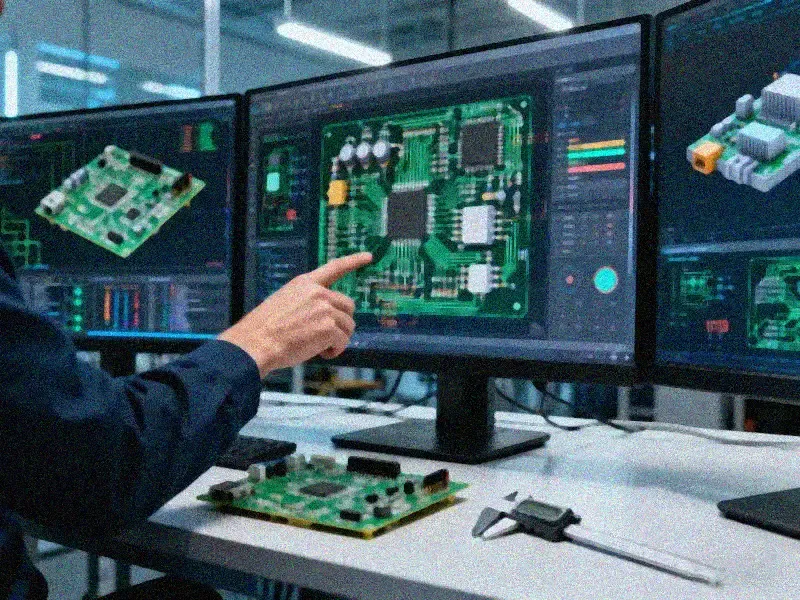
- Technical Consulting Support: Professional technical teams provide process feasibility evaluation and design for manufacturing (DFM) suggestions during the product design stage, identifying potential assembly defects and process risks in advance, improving product yield and reducing R&D waste.
Contact Information
For all medical PCB assembly service inquiries, you can contact our professional technical team via dedicated service hotline, official business email, or online consultation portal. We provide free project feasibility evaluation, customized process plan, and transparent cost quotation tailored to your medical device requirements, supporting you from R&D prototyping to mass production delivery.