Overview
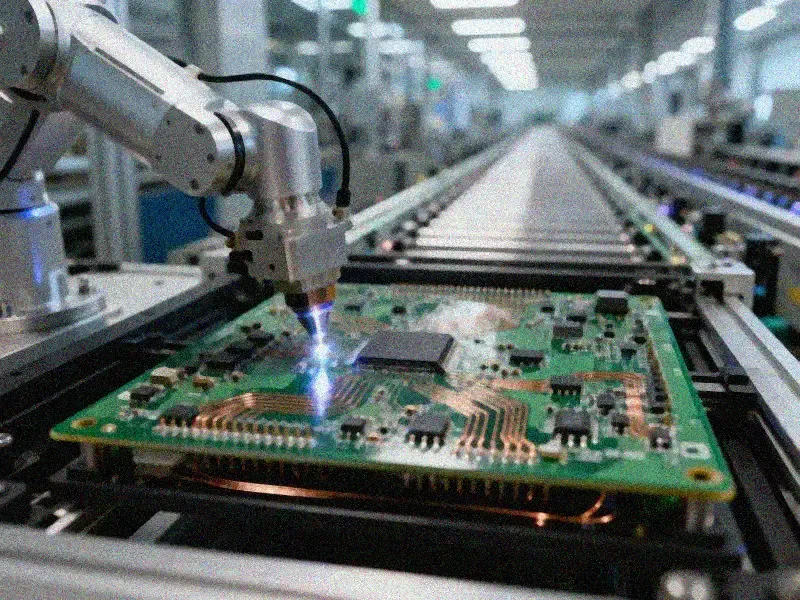
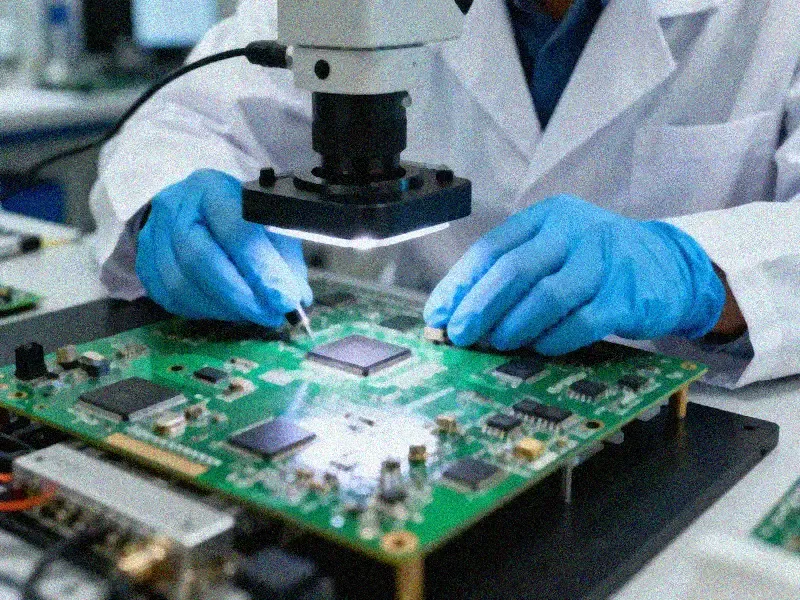
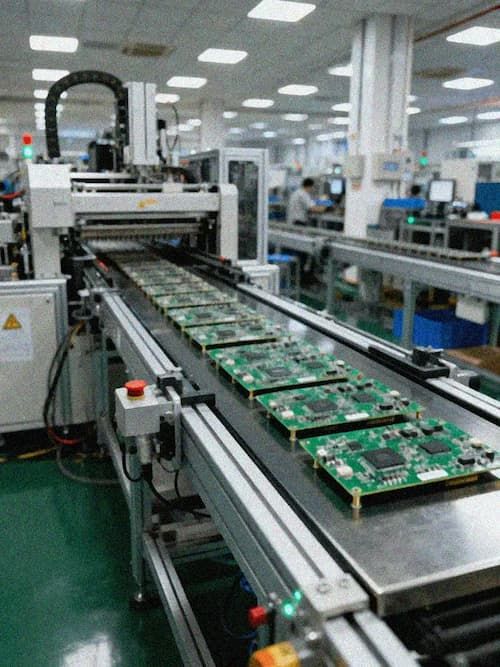
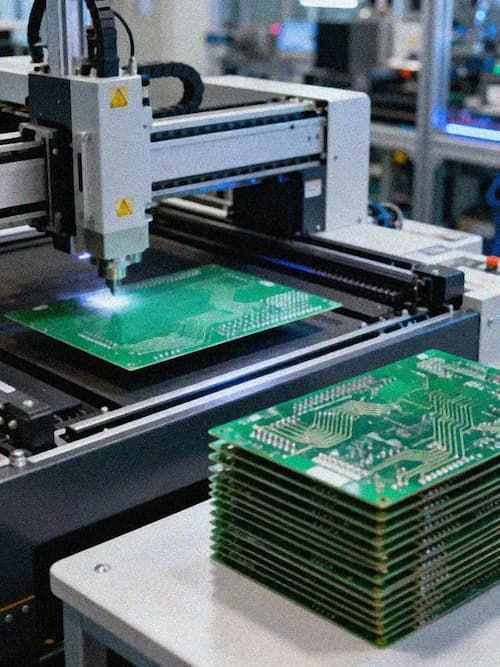
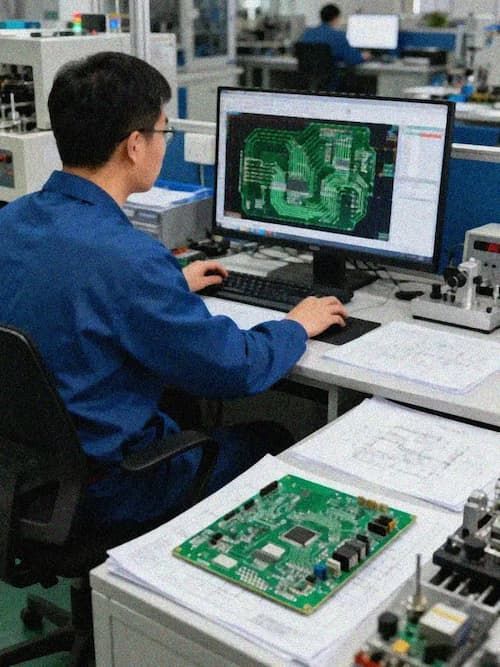
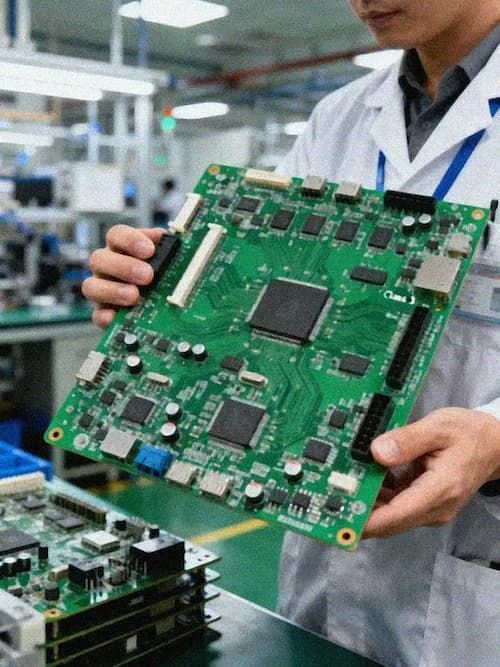
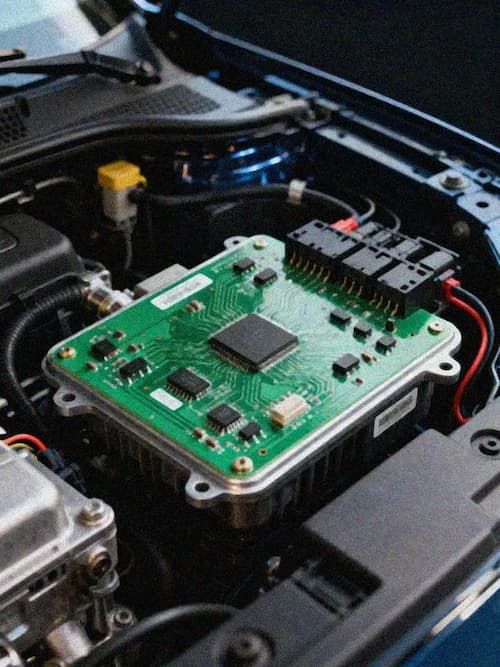
Medical device PCB prototyping is a core stage in the R&D and launch of medical electronic products, directly determining the performance stability, compliance, and mass production feasibility of final devices. Unlike general industrial PCB prototyping, medical PCB prototypes face stricter performance requirements: they need to accurately collect weak biological electrical signals, maintain stable high-speed data transmission, resist complex electromagnetic interference, meet miniaturization requirements for wearable and implantable scenarios, and adapt to long-term reliable operation in special environments such as in-vivo implantation or high-frequency disinfection. Professional medical device PCB prototyping services cover the entire process from design optimization, material selection, manufacturing to performance verification, effectively addressing common pain points in medical product development such as signal distortion, high noise, insufficient biocompatibility, and low prototyping yield, shortening R&D cycles and reducing subsequent mass production risks.
Technical Capabilities
- Full Spectrum PCB Type Support: Covers single-sided, double-sided, high multilayer (up to 24 layers), HDI, rigid-flex, high-frequency hybrid, thick copper, high-speed backplane, and embedded component PCB prototyping, adapting to diverse medical application scenario requirements. No minimum order quantity restrictions, supporting 1-unit prototype orders for early design verification.
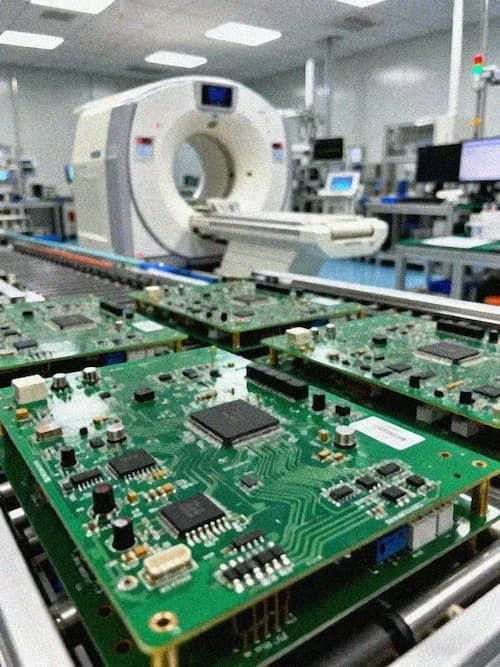
- High-Precision Performance Control: Achieves impedance control accuracy within ±5%, with customized stack design options including independent analog/digital ground plane separation to suppress noise interference, supporting accurate acquisition of <1mV weak biological electrical signals. 20+ layer high-frequency PCB with integrated shielding layer design meets high-speed signal transmission and anti-electromagnetic interference requirements for large medical imaging equipment.
- Special Process Adaptation: Supports rigid-flex integration process that reduces product volume by up to 40%, paired with nano biocompatible coating solutions to meet the ultra-miniaturization and long-term biocompatibility requirements of implantable medical devices. High-TG (Tg ≥170℃) plate material options support 16+ layer PCB manufacturing for surgical robots, meeting multi-axis motion control real-time response and gigabit Ethernet communication requirements. Thick copper process options are available for high heat dissipation scenarios of high-power medical devices.
- Comprehensive Testing Verification: Provides full-item performance testing services including signal integrity testing, EMC testing, impedance consistency testing, thermal cycling reliability testing, and biocompatible coating performance verification, ensuring prototype performance fully meets design specifications before entering the next R&D stage.
Quality Standards
All medical device PCB prototyping processes strictly follow global medical industry quality and regulatory requirements to reduce compliance risks for subsequent product certification and mass production. Raw materials are medical-grade, RoHS 2.0 and REACH compliant, with full traceability for all batches of plates, coatings, and auxiliary materials. Manufacturing processes align with IPC-A-600 and IPC-6012 Class 3 medical electronic product acceptance standards, EMC performance meets IEC 60601 medical device electromagnetic compatibility requirements, and biocompatible coating options comply with ISO 10993 biological evaluation standards for long-term contact with human tissue or in-vivo implantation scenarios. All testing data is traceable and can be provided as supporting materials for medical device regulatory certification.
Applications
Medical device PCB prototyping solutions are suitable for a full range of medical electronic product R&D scenarios, including but not limited to:
- Medical Imaging Equipment: Prototyping for CT, MRI, digital X-ray, ultrasound diagnostic equipment PCBs, supporting high-speed signal transmission and strong anti-electromagnetic interference performance.
- Vital Signs Monitoring Devices: Prototyping for ECG monitors, Holter monitors, HRV monitoring equipment, and EEG biofeedback devices, with low-noise design to ensure accurate acquisition of micro bioelectrical signals.
- Implantable Medical Devices: Prototyping for implantable pacemakers, neurostimulators, and in-vivo monitoring sensors, with miniaturized rigid-flex structure and biocompatible coating support.
- Surgical and Medical Robotics: Prototyping for surgical robot main control boards, vascular robot control boards, and motor drive boards, supporting real-time multi-axis motion control and high-speed data transmission.
- In-Vitro Diagnostic Equipment: Prototyping for immune analyzers, gene sequencing equipment, blood detection main control boards, and other IVD device PCBs, compatible with ARM and FPGA scheme design requirements.
- Wearable and Home Medical Devices: Prototyping for wearable health monitors, portable diagnostic terminals, and home beauty instrument main control boards, with flexible or semi-flexible material options for light weight and comfortable wearing.
Key Advantages
- Rapid Turnaround Service: Standard medical PCB prototyping lead time ranges from 2 to 7 working days, with expedited service options available for urgent R&D needs, effectively shortening medical product R&D cycles and accelerating time-to-market.
- Low Threshold for R&D Verification: No minimum order quantity requirements, supporting single-unit prototype orders for early design feasibility verification, eliminating unnecessary material waste and reducing early R&D costs.
- Customized Design Optimization Support: Professional technical teams provide targeted suggestions for stack design, routing optimization, and material selection according to specific medical application scenarios, addressing customized performance requirements such as low noise, high heat dissipation, miniaturization, and biocompatibility.
- Compliance Pre-Verification: All prototyping processes and material selections are aligned with global medical device regulatory requirements, and pre-compliance testing services are available to reduce certification risks in the later stage of product development.
- End-to-End Service Coverage: Covers the entire process from pre-production design optimization, prototype manufacturing, performance testing to small-batch trial production, reducing cross-stage communication costs and ensuring design consistency from prototype to mass production.
Contact Information
If you have any medical device PCB prototyping needs, including custom design support, performance testing, or small-batch trial production requirements, please contact our professional technical team. We will provide you with customized prototyping solutions, free pre-production technical evaluation, and full-process technical consulting services tailored to your specific medical application scenarios.