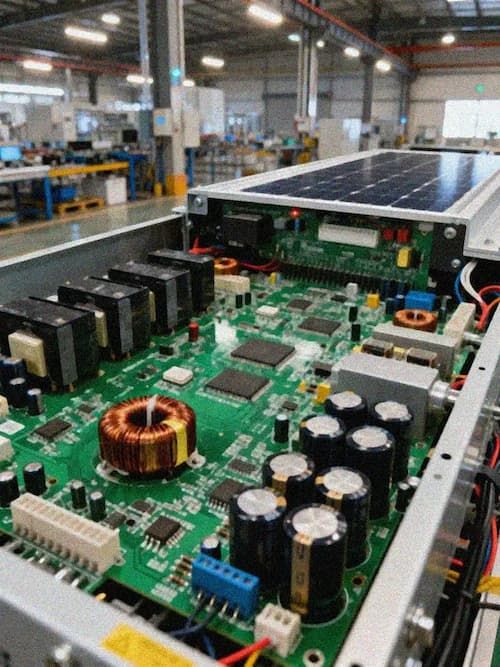
Overview
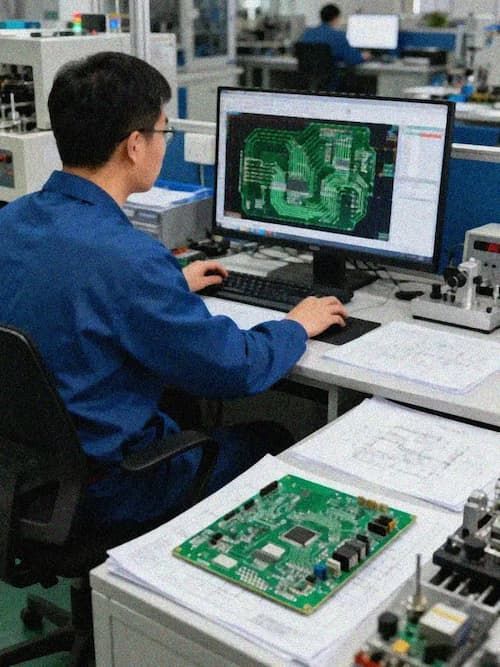
Electronic circuit design is the core foundational link of all electronic hardware product development, directly determining the performance, reliability, manufacturing feasibility, and lifecycle cost of final products. As modern electronic systems continue to evolve toward higher computing power, higher integration, lower power consumption, and harsher environmental adaptability, traditional manual design processes can no longer meet the requirements of high-speed signal transmission, electromagnetic compatibility, and miniaturization for new-generation products. The full-stack electronic circuit design service covers the entire lifecycle from requirement analysis, scheme demonstration, schematic design, layout optimization, simulation verification, to prototype debugging, effectively solving common industry pain points such as signal crosstalk, impedance mismatch, power loss, thermal accumulation, and low mass production yield, helping hardware development teams shorten product launch cycles and reduce R&D investment risks.
Technical Capabilities
- Cross-Platform Hardware Design Support: Compatible with ARM, DSP, FPGA, and GPU core processing platforms, supporting custom circuit design for different computing power requirements, from low-power edge sensing devices with mW-level power consumption to high-performance computing nodes with TOPS-level peak computing power, adapting to diverse product positioning needs.
- Full Interface and Power System Design: Supports design and optimization of mainstream signal interfaces including I2C, TDM, and PCM, as well as DC and AC power systems, with professional optimization for low power consumption, surge protection, overcurrent/overvoltage protection, and power conversion efficiency, ensuring stable power supply and reliable data transmission for complex systems.
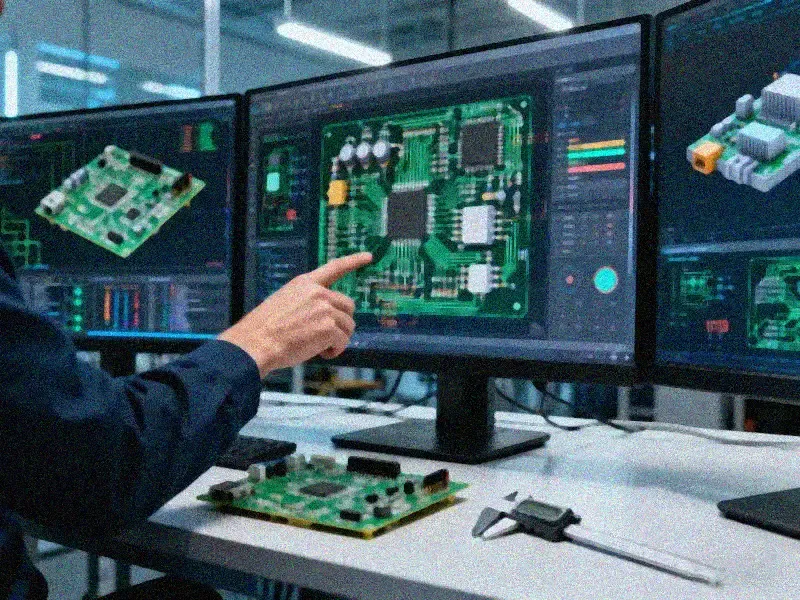
- Advanced Layout and Routing Optimization: Adopts a professional design toolchain based on the Cadence software platform, with more than 400 built-in functional modules for layout and routing optimization, supporting automated differential pair matching, length tuning, impedance control, and interference shielding, reducing manual adjustment cycles by more than 30% while ensuring design accuracy.
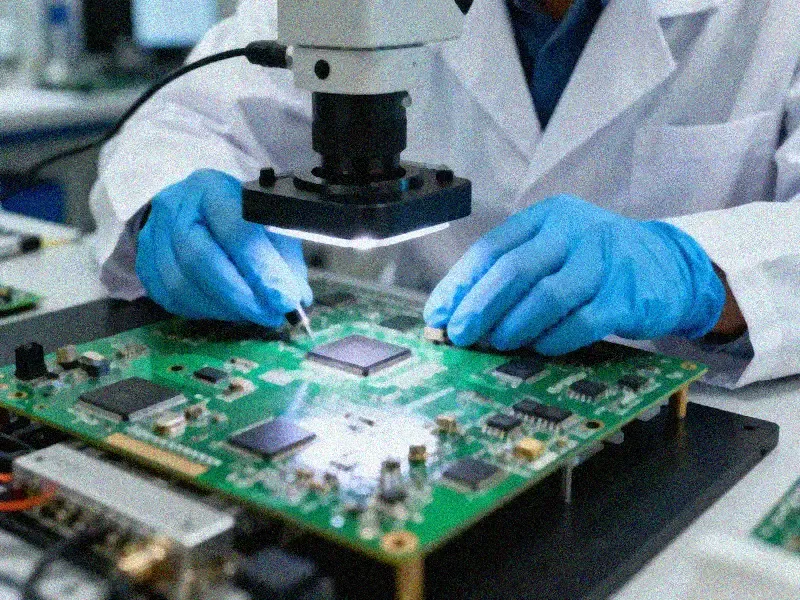
- Multi-Physics Simulation and Verification: Integrates 3D electromagnetic simulation, thermal simulation, structural stress simulation, and signal integrity simulation capabilities, pre-validating potential issues such as signal crosstalk, transmission attenuation, thermal hotspot accumulation, and assembly stress before prototyping, cutting design iteration times by half and reducing prototype modification costs.
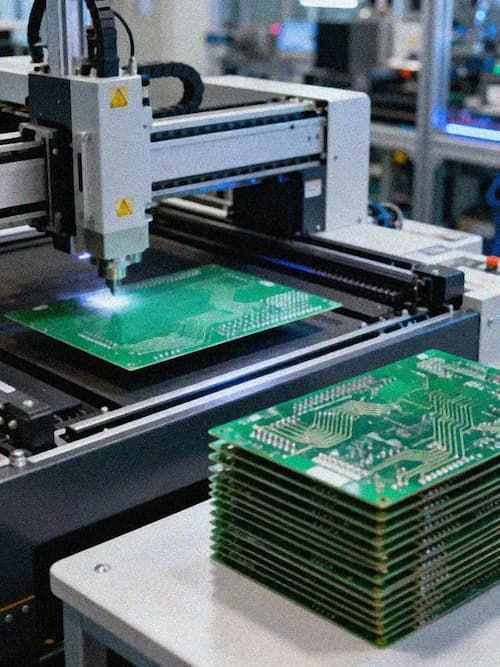
- Special Material and Structure Design Support: Supports design for special PCB structures including buried resistance boards, buried capacitance boards, buried copper block boards, and buried ceramic boards, adapting to high heat dissipation, high anti-interference, high structural strength, and miniaturization design requirements for high-end special application scenarios.
- End-to-End Design Collaboration: Covers industrial design (ID) support including appearance style definition, material selection, color matching, and electromechanical coordination, as well as structural design support including material process optimization, mold opening optimization, reinforcement design, and protective design, ensuring full alignment between circuit function design and the final product form factor and use scenarios.
Quality Standards
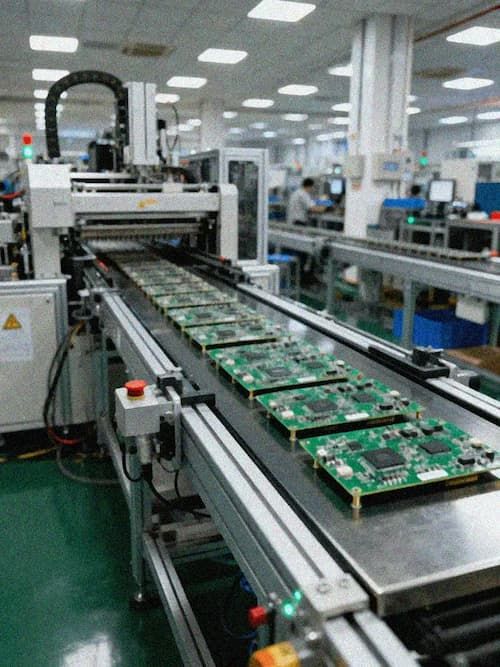
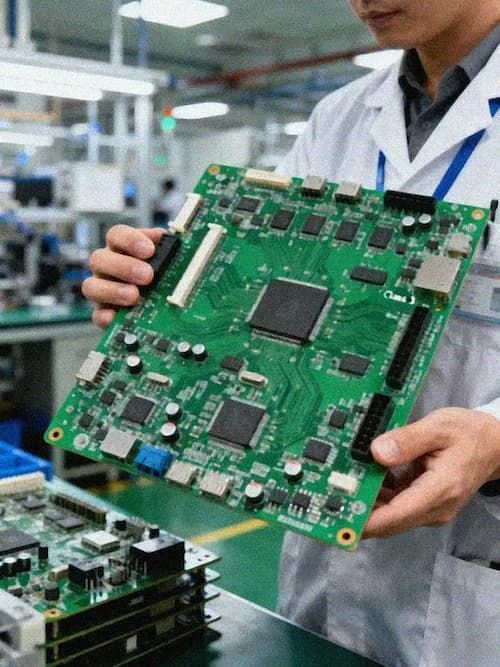
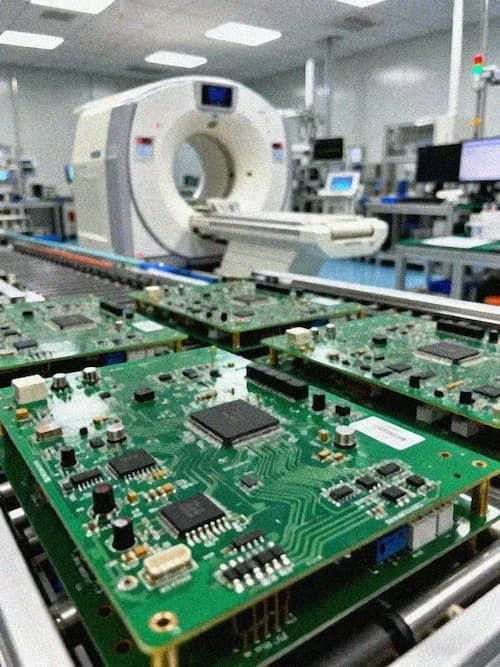
- Manufacturability Design (DFM) Compliance: All design outputs strictly follow IPC-A-610, IPC-2221, and other international electronic manufacturing general standards, as well as industry-specific standards for automotive, medical, and aerospace fields, ensuring that design solutions are fully compatible with mass production processes, reducing prototype modification rates by more than 40% and mass production defect rates to below 0.1%.
- Signal Integrity Compliance: Implements strict impedance control with tolerance controlled within ±5%, meeting the transmission requirements of high-speed differential signals, high-bandwidth memory interfaces, and industrial communication protocols, ensuring data transmission accuracy of 99.99% or higher under full load operating conditions.
- Environmental Adaptability Validation: Designs can be customized to meet industrial-grade (-40℃ to +85℃) and automotive-grade (-40℃ to +125℃) wide temperature operation requirements, as well as IP rating, anti-vibration, anti-drop, and corrosion resistance performance requirements for harsh application scenarios such as outdoor, factory floor, and vehicle-mounted environments.
- Electromagnetic Compatibility (EMC) Compliance: All designs undergo pre-validation for EMC performance during the design phase, meeting CISPR, FCC, CE, and other mainstream electromagnetic emission and immunity standards, avoiding mutual interference between internal modules of the product and interference with external equipment.
Applications
Electronic circuit design solutions are widely applicable to various electronic product development scenarios across industries, including but not limited to:
- Power Industry Control Systems: Applied to power transmission monitoring boards, energy storage control units, new energy photovoltaic inverters, and charging pile control modules, supporting high-speed, high-precision data transmission required for real-time monitoring and control of power transmission, conversion, and energy storage processes.
- Industrial Automation Equipment: Suitable for PLC control units, industrial robot controllers, sensor acquisition modules, industrial edge computing nodes, and intelligent inspection equipment, adapting to harsh factory operating environments with high dust, high vibration, and wide temperature fluctuations.
- Consumer Electronics: Applied to smart wearable devices, smart home control panels, portable audio and video products, and consumer IoT terminals, supporting miniaturization, low power consumption, and high integration design requirements while controlling manufacturing costs for mass market demand.
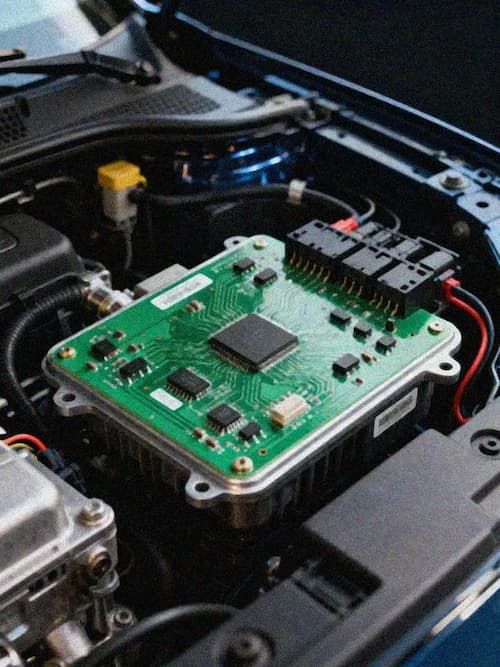
- Automotive Electronics: Suitable for smart cockpit control units, autonomous driving perception modules, in-vehicle communication gateways, and new energy vehicle BMS systems, meeting automotive-grade reliability, functional safety, and long lifecycle requirements.
- Communication Equipment: Applied to 5G small base stations, edge communication gateways, data center transmission modules, and satellite communication terminals, supporting high-speed signal transmission requirements of 10Gbps and above with low latency and low loss.
Key Advantages
- Whole Process Technical Support: Provides full-cycle technical support from requirement sorting, scheme demonstration, component selection, schematic design, layout optimization, simulation verification, prototype debugging, to mass production guidance, eliminating communication gaps between different design and manufacturing links, and ensuring consistent implementation of design requirements.
- Highly Customized Design Flexibility: Supports both rapid prototype design for small-batch functional verification with a minimum cycle of 3 working days, and optimized design for large-scale mass production, adapting to different project cycles, performance requirements, and cost control needs.
- High Efficiency Iteration Capability: Equipped with automated design tools and a pre-verified mature hardware module library covering common functions such as power supply, communication, and processing, shortening the overall design cycle by 40% compared to traditional design processes, helping customers bring products to market faster and seize market opportunities.
- Cost Optimization Capability: Balances product performance, process difficulty, and material cost during the early design phase, reducing overall product manufacturing costs by 15% to 25% without compromising product reliability and performance, improving the market competitiveness of final products.
Contact Information
If you have custom electronic circuit design requirements, you can reach out to the professional technical support team for a free requirement evaluation and customized solution quotation. Experienced hardware design engineers will provide targeted technical advice and support within 24 working hours, helping you resolve various design challenges, reduce R&D risks, and achieve your product development goals efficiently.