Overview
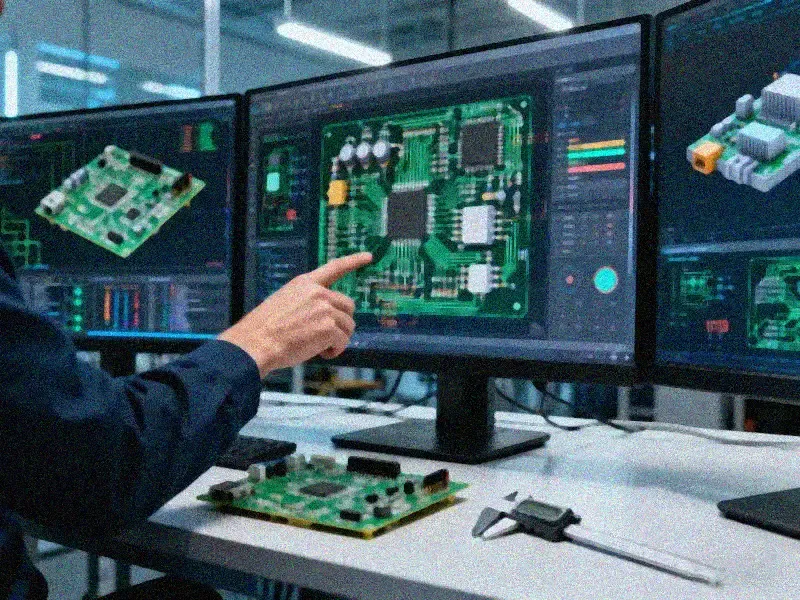
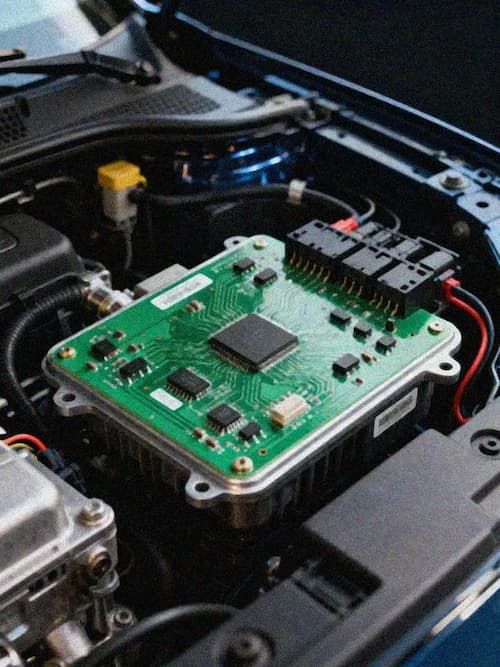
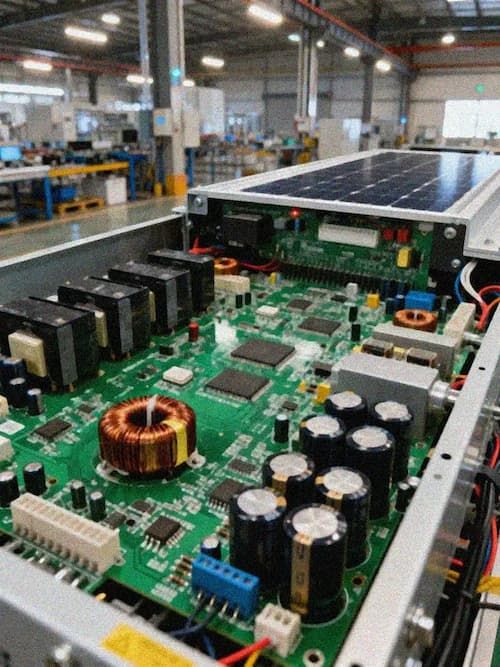
Edge computing energy PCB design is a core technical support for the stable, low-consumption operation of distributed edge computing hardware. Unlike cloud computing centers with centralized power supply and heat dissipation systems, edge computing nodes are usually deployed in scattered, harsh scenarios such as outdoor sites, factory floors, mining areas, and roadside facilities, facing core challenges including unstable power input, limited heat dissipation conditions, high demand for low energy consumption, and simultaneous transmission of multiple high-speed signals. Professional edge computing energy PCB design covers the entire process from schematic planning, stackup design, placement and routing optimization to performance verification, balancing the three core goals of high computing performance, low energy consumption and high reliability, effectively solving the pain points of high energy loss, short battery life, and unstable operation of edge hardware in complex deployment environments.
Technical Capabilities
- Multi-Interface and Power Compatibility: Supports custom design for common edge device communication interfaces including I2C, TDM, and PCM, as well as DC and AC power input adaptation, matching the diversified power supply and signal transmission requirements of different types of edge computing nodes, from low-power battery-powered IoT terminals to high-computing edge servers.
- Diversified Board Type Customization: Covers design services for multiple special PCB types, including buried resistance buried capacitance boards, buried copper block boards, buried ceramic PCBs, high-resistance carbon oil boards, heavy copper boards, high-frequency hybrid boards, rigid-flex boards, HDI boards, high-speed backboards, and metal core substrates, adapting to different structural, energy efficiency, and heat dissipation needs of edge hardware.
- High-Speed Signal Integrity Optimization: Targets the dense high-speed signal transmission requirements of edge computing units, provides stackup planning with multi-layer independent ground plane configuration, ±5% high-precision impedance control, and crosstalk suppression routing design, reducing signal transmission loss by more than 20% while avoiding extra energy consumption caused by signal retransmission and error correction.
- Power Distribution Network (PDN) Energy Efficiency Optimization: Adopts layered power routing design, low-impedance copper laying optimization, and reasonable decoupling capacitor configuration, reducing the impedance of the power distribution network by 30% compared with conventional designs, supporting up to 95% power conversion efficiency, effectively cutting down the static and dynamic energy consumption of edge computing nodes.
- Integrated Thermal Management Design: Supports metal substrate and copper embedded structure design, combined with thermal via arrangement, high-heat component location optimization, and thermal routing planning, improving the overall heat dissipation efficiency of the board by 35% compared with conventional designs, avoiding energy waste and hardware damage caused by overheating throttling of computing chips and power components.
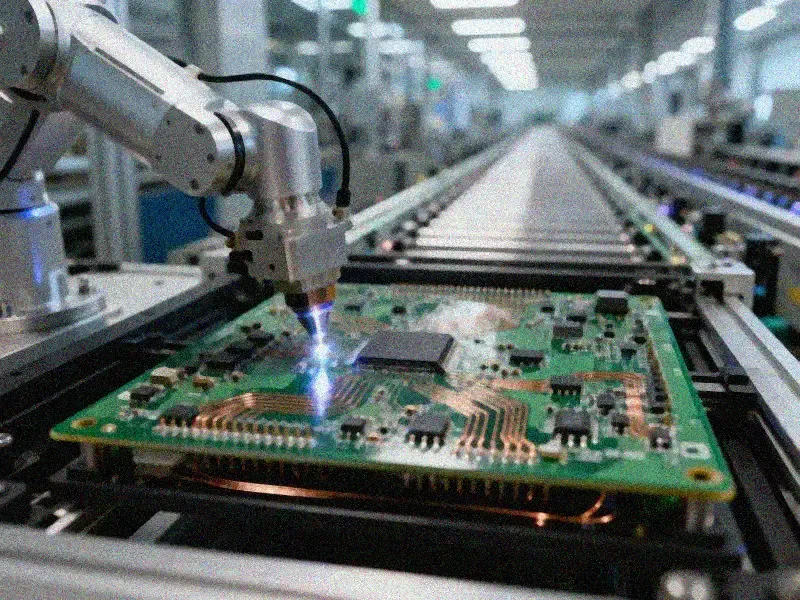
- Rapid Prototyping Support: Provides fast turn PCB design and prototyping services, supporting small-batch trial production of single-sided, double-sided, and multi-layer boards within 3 to 7 days, shortening the product iteration cycle for customers.
Quality Standards
- Precision Control Standards: Achieves ±5% impedance control error for 50Ω, 90Ω, 100Ω differential and single-ended signals, supports line width/line spacing as small as 2.0/2.0mil and micro-via as small as 0.06mm, ensuring the manufacturing accuracy of high-density, high-speed edge computing PCBs.
- Environmental Reliability Standards: All design solutions pass industrial-grade reliability verification, supporting stable long-term operation in the temperature range of -40℃ to +85℃, and meet the test requirements of humidity resistance, vibration resistance, impact resistance, and salt spray corrosion resistance, adapting to harsh edge deployment scenarios.
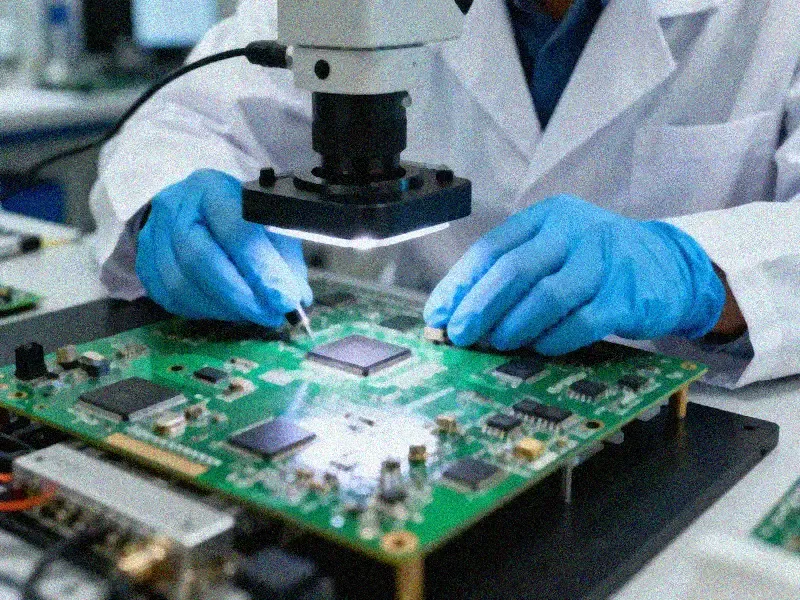
- Performance Verification Standards: Provides full-process testing and verification services including signal integrity testing, power integrity testing, EMC testing, energy efficiency testing, and high and low temperature cycle testing, ensuring that the actual operating energy consumption of the finished board is within 3% of the design value, and the mean time between failures (MTBF) meets industrial grade requirements.
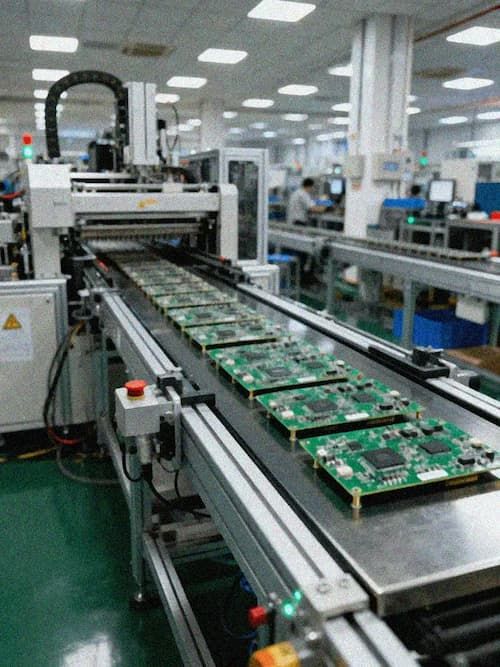
- **Manufacturing Compatibility Standards: All designs strictly follow IPC-A-600, IPC-6012 and other international general PCB manufacturing standards, ensuring the consistency and high yield of prototyping and mass production, reducing rework loss and manufacturing cost.
Applications
Edge computing energy PCB design solutions can be widely applied to various edge computing hardware scenarios, including:
- Industrial Internet edge computing gateway nodes
- 5G small base station edge processing units
- Smart city roadside edge monitoring and analysis terminals
- Agricultural IoT edge data acquisition and processing nodes
- Intelligent logistics sorting center edge control equipment
- Energy industry edge power monitoring and regulation terminals
- Smart retail edge interactive computing devices
- Autonomous driving roadside edge computing units
- Mining area edge data acquisition and transmission equipment
- Low-power outdoor edge environment monitoring terminals
Key Advantages
- Full-Cycle Energy Efficiency Optimization: Runs through energy consumption optimization from schematic design, component selection, stackup planning to routing adjustment and post-production testing, achieving the optimal balance between computing performance, energy consumption level and manufacturing cost.
- Scenario-Based Customized Design: Provides targeted solutions for different edge deployment scenarios, such as ultra-low power design for battery-powered edge nodes, high-power carrying design for high-computing edge servers, and strong anti-interference design for high-noise industrial scenarios, fully matching the differentiated needs of different industries.
- Short Iteration Cycle: Supports rapid design adjustment and quick turn prototyping, shortening the entire design verification cycle by 40% compared with conventional services, helping customers accelerate product launch progress and seize market opportunities.
- High Cost Performance: While ensuring energy efficiency and reliability indicators, optimizes material selection and manufacturing process design, avoiding unnecessary high-cost material and process use, reducing the overall BOM cost and manufacturing cost by 15% on average.
- Full-Process Technical Support: Covers design, prototyping, mass production, and after-sales technical guidance services, solving technical problems encountered in the whole product lifecycle for customers.
Contact Information
If you have any needs related to edge computing energy PCB design, whether it is early schematic evaluation, prototype verification, small batch trial production, or large-scale mass production, you can contact our technical team at any time. We will provide you with free pre-sales technical evaluation, customized design solutions tailored to your scenario needs, and full-process professional technical support.