Overview
Battery management systems (BMS) are core control components of new energy and power systems, responsible for real-time monitoring of cell voltage, temperature, state of charge, and state of health, as well as preventing overcharge, overdischarge, and overcurrent to extend battery lifecycle and eliminate safety risks. Battery management PCB solutions are tailored to the unique operational demands of these high-power, high-reliability scenarios, covering the full value chain from design optimization, material selection, precision manufacturing, to performance testing. These solutions address common industry pain points including insufficient current carrying capacity, poor thermal dissipation, signal interference between high-voltage power circuits and low-voltage sensing circuits, and unstable performance in extreme temperature environments, fully meeting the strict performance requirements of industrial and automotive-grade power applications.
Technical Capabilities
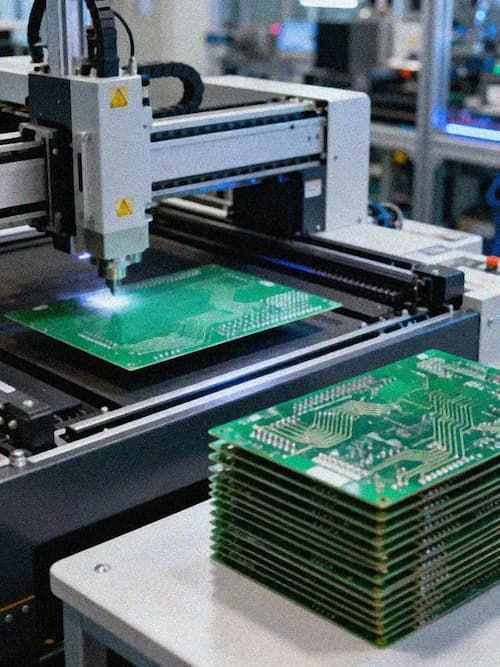
- Wide Board Type Compatibility: Supports manufacturing of single-sided, double-sided, 2-40 layer multilayer boards, HDI boards, rigid-flex boards, heavy copper boards (up to 20oz copper thickness), high-frequency hybrid boards, metal core substrates, buried resistance/capacitance boards, buried copper block boards, and buried ceramic boards, adapting to diverse BMS design requirements for low to high power applications.
- High Current & Thermal Management Optimization: Leverages heavy copper structures, embedded copper block, and aluminum/copper metal core substrate designs to improve current carrying capacity by up to 70% compared to standard PCBs, effectively dissipating heat generated during high-power charge/discharge cycles and reducing thermal runaway risks for high-density battery packs.
- Signal Integrity Optimization: Supports configuration of multi-layer independent ground planes, impedance control accuracy of ±5% for 50Ω/90Ω/100Ω differential and single-ended signals, compatible with common BMS communication interfaces including I2C, TDM, and PCM, minimizing crosstalk and signal attenuation to ensure accurate cell data collection and reliable control instruction transmission.
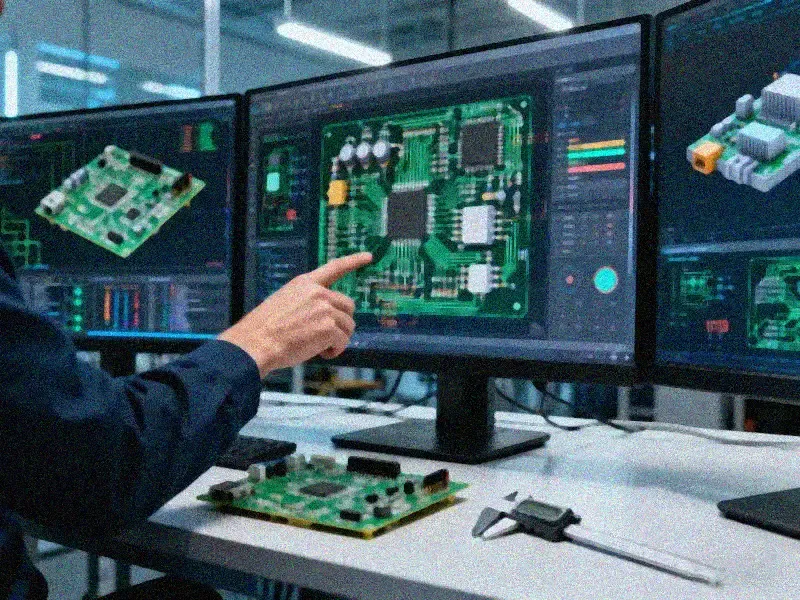
- Custom Design Support: Covers end-to-end design services including schematic optimization, stack-up planning, placement and routing adjustment, electromechanical coordination, and impact-resistant protective structural design, adaptable to custom form factors, IP protection requirements, and performance specifications for niche use cases.
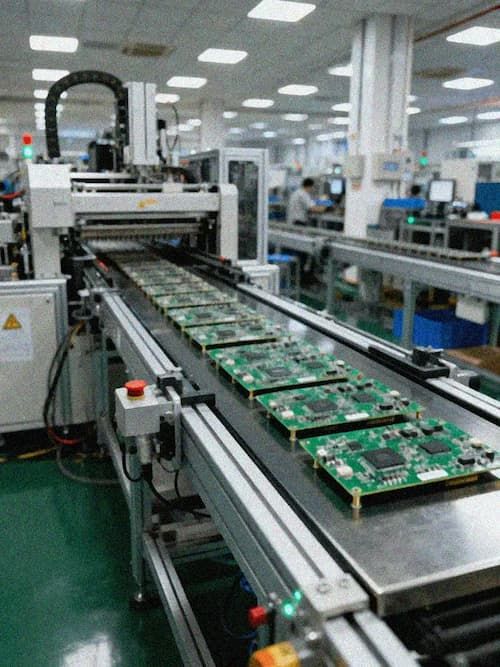
- Flexible Production Scaling: Supports fast prototype production (1-100 units) with 3-7 day lead times, as well as high-volume mass production (10k+ units) with consistent quality control, meeting the needs of R&D verification, small-batch trial production, and large-scale commercial deployment stages.
Quality Standards
All battery management PCB products are manufactured and tested in line with international power and automotive industry standards, with strict quality control implemented throughout the entire production chain.
- Material Compliance: Uses UL 94 V-0 flame-retardant substrates, high-temperature resistant copper foils, and corrosion-resistant surface finishes (including immersion gold, immersion silver, lead-free HASL) to adapt to harsh operating environments with high humidity, high dust, and frequent temperature changes.
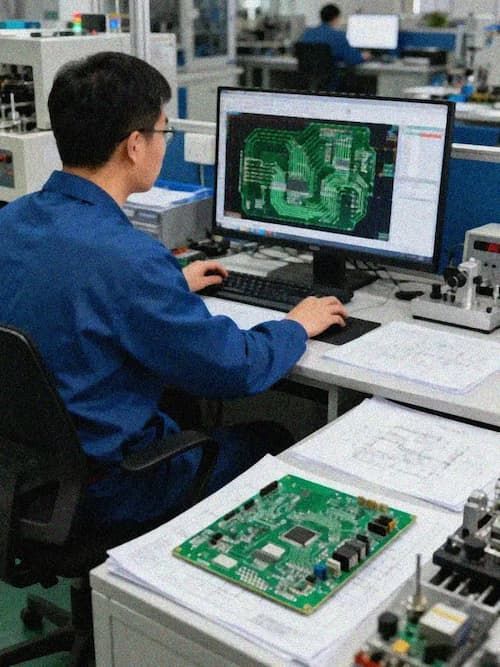
- Full-Process Testing Coverage: Implements 100% automated optical inspection (AOI), X-ray non-destructive testing for blind buried via alignment, impedance testing, continuity testing, and insulation voltage testing for all batches, eliminating manufacturing defects and ensuring product consistency across batches.
- Reliability Verification: Conducts environmental reliability testing including high/low temperature cycle testing (-40℃ to +125℃), thermal shock testing, humidity and heat aging testing, and vibration testing, ensuring products maintain stable performance under long-term harsh operating conditions.
- Industry Standard Alignment: Complies with IPC-A-600, IPC-6012, and other international PCB manufacturing standards, as well as power industry and automotive electronics safety requirements, meeting the access criteria for global new energy and power markets.
Applications
Battery management PCB solutions are widely applicable to a range of new energy and power system scenarios, including but not limited to:
- Electric Vehicle Battery Management Systems: For passenger EVs, commercial EVs, and electric two-wheeler BMS units, supporting high-precision cell monitoring and high-power charge/discharge control for large-capacity battery packs.
- Stationary Energy Storage Systems: For household energy storage, industrial and commercial energy storage, grid-side energy storage, and hybrid photovoltaic storage integrated units, adapting to long-term continuous operation and frequent charge/discharge cycle requirements.
- Portable Energy Storage Devices: For outdoor power supplies, emergency backup power, and mobile charging stations, supporting lightweight design, high energy density, and impact resistance requirements.
- Power Conversion Systems (PCS) & Energy Storage Inverters: For grid-connected and off-grid energy storage converters, supporting high-voltage and high-current transmission, and stable grid connection performance for distributed energy systems.
- Energy Management Systems (EMS): For industrial park energy management, microgrid control, and distributed energy scheduling systems, supporting multi-node signal collection and low-latency data transmission.
Key Advantages
- Customization Flexibility: Supports full customization of board specifications, material combinations, and structural designs, adapting to non-standard form factors and special performance requirements for niche BMS applications.
- Cost Efficiency: Optimizes design and manufacturing processes to reduce material waste and production lead times, balancing high performance and manufacturing cost for both small-batch R&D projects and large-scale mass production.
- Full-Cycle Technical Support: Provides end-to-end technical consultation from early schematic review, DFM (design for manufacturing) optimization, to post-production failure analysis, helping customers resolve design bottlenecks and accelerate product launch cycles by 20-30%.
- Consistent Quality Assurance: Implements standardized quality control processes for all production stages, with a batch yield rate of over 98% for mass production, reducing after-sales maintenance costs and product recall risks for downstream customers.
Contact Information
If you have technical questions or custom requirements related to battery management PCB solutions, please reach out to our technical support team. We will provide you with targeted design recommendations, free technical evaluation services, and customized quotation plans based on your project specifications. Our team will respond to your inquiry within 24 working hours.